Is Shopify Legit? Here’s the Real Story
Shopify powers millions of stores, but is it safe to use? Here’s what makes the platform legit and what to watch out for.
Jan 6, 2026



Real estate marketing in 2026 demands a mix of digital sophistication and community connection. The most effective strategies combine virtual tours, targeted email campaigns, hyper-local content, and strategic partnerships—while leveraging market data showing 43% of sellers choose agents through referrals. Budget-conscious tactics like neighborhood sponsorships, video testimonials, and social media engagement can deliver impressive results without heavy spending.
The real estate market doesn't wait for anyone. With 46% of migrant homebuyers moving to the South and interest rates that had topped nearly 8%, agents need marketing strategies that cut through noise and build genuine connections.
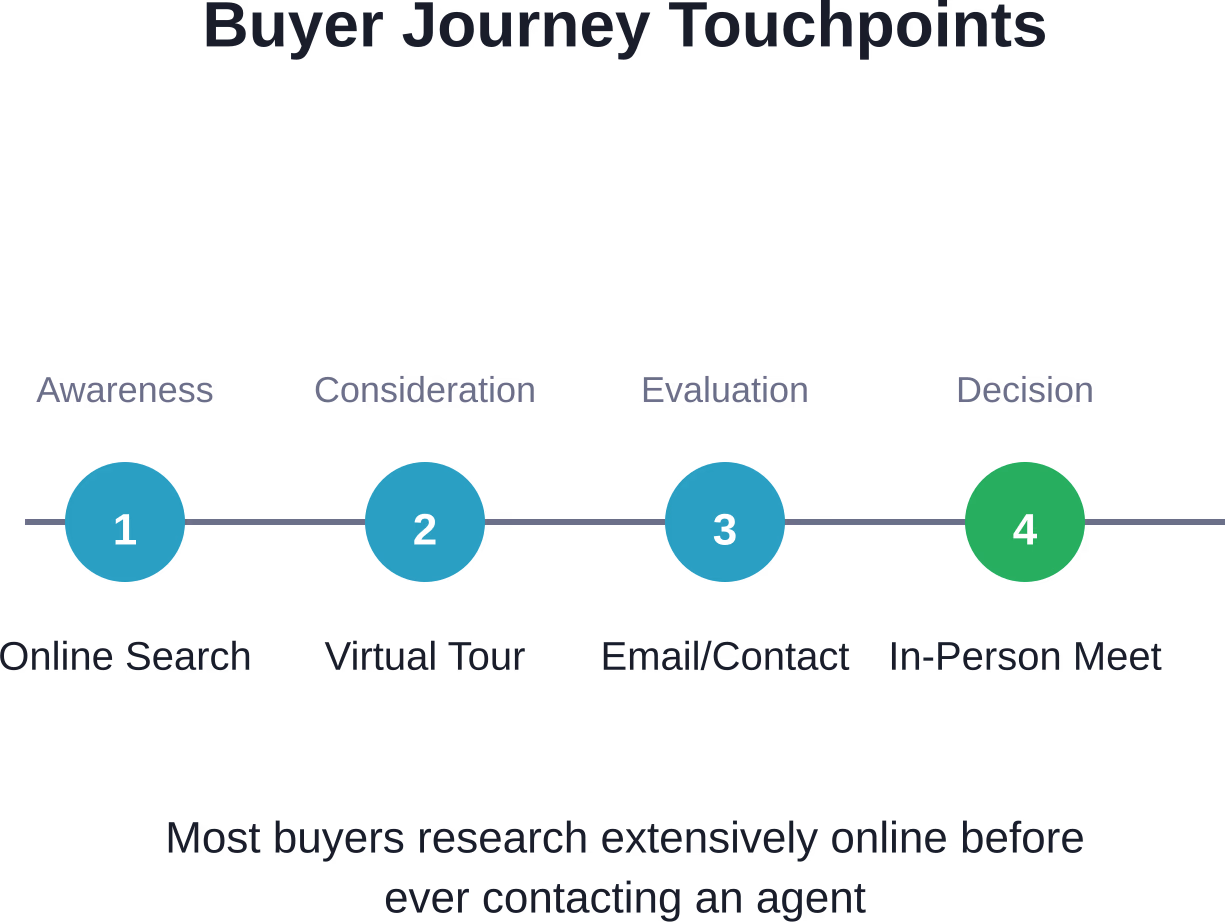
Here's the thing though—an NAR survey found that open houses are the first touchpoint in a home buying process just 3% of the time. Buyers research online first. They scroll through listings on their phones, compare neighborhoods via demographic data, and narrow choices before ever contacting an agent.
So what actually moves the needle? Which marketing ideas deliver tangible results rather than just consuming budget? This guide breaks down proven tactics grounded in current market realities.
The numbers tell a stark story. According to the 2024 NAR Profile of Home Sellers, 43% of sellers chose an agent recommended by friends or family, while 21% returned to someone they'd worked with before.
That means reputation and visibility directly translate to business. But building that reputation requires consistent, strategic marketing—not random social media posts or sporadic email blasts.
According to the 2024 NAR Profile, first-time buyers have a median age in the range studied and for first-time buyers, household incomes rose by $31,000 in the past two years. These buyers are older, more financially sophisticated, and conduct extensive research before making contact.
Meanwhile, repeat buyers represent a different demographic segment. They're leveraging accumulated equity and expect polished, professional representation. Both segments demand different messaging, different channels, and different value propositions.

Extuitive helps businesses predict which ads are more likely to get clicks and conversions before launch. It can test creative options at scale, compare them against performance signals, and help teams avoid putting budget behind weak ideas.
For real estate, this can support listing, local, or lead-focused campaigns without relying only on guesswork.
Extuitive can help with:
👉 Book a demo with Extuitive to review your ad ideas.
Virtual property experiences became essential during the pandemic. They're not going away.
Buyers want to explore properties on their own schedule, often across multiple time zones or states. High-quality 3D tours let them eliminate non-starters and focus serious attention on genuine contenders.
The technology has matured significantly. Modern platforms offer dollhouse views, floor plan integration, and measurement tools. These features appeal particularly to buyers purchasing multigenerational homes—properties where layout and space allocation matter intensely.
Virtual tours allow serious prospects to self-qualify before requesting in-person visits. When someone requests an in-person showing after exploring a 3D walkthrough, they're genuinely interested. That improves efficiency for agents and sellers alike.
Video dominates attention online. Short property highlight reels, neighborhood tours, and agent introduction videos all serve distinct purposes.
Property videos should emphasize features that photos can't capture—natural light throughout the day, flow between rooms, view perspectives from different windows. Keep them under 3 minutes for social media, longer for YouTube or website embeds.
Neighborhood tours position agents as local experts. Walk through nearby parks, show the coffee shop where locals gather, highlight the farmers market. This content appeals to buyers relocating to the South from other regions—they're researching communities, not just houses.
Agent introduction videos build personal connection before the first conversation. Share your background, your approach to client relationships, and why you specialize in particular property types or neighborhoods.
Email remains incredibly effective when executed properly. The key word? Targeted.
Segment your list by buyer stage, property interest, price range, and geographic focus. A couple searching for their first home needs different content than empty-nesters downsizing or investors seeking rental properties.
Effective email sequences include:
According to email marketing research, 70% of home sellers interview just one agent before signing a contract. Your email needs to establish authority and trust sufficient to be that single interview.
Generic market updates bore people. Hyper-specific neighborhood content captures attention.
Create detailed guides for individual neighborhoods or even specific subdivisions. Include:
This approach leverages census data and municipal information—the same resources Census Bureau tools make available to the public. Position yourself as the interpreter who makes that data actionable.
Neighborhood sponsorships build brand recognition where it matters most—among people who already live in areas you want to serve.
Consider sponsoring:
These sponsorships cost significantly less than broad advertising while delivering targeted exposure to homeowners and potential sellers. They also demonstrate community investment, not just transactional interest.
Free educational events position you as a resource, not just a salesperson.
Workshop topics might include:
Partner with mortgage brokers, home inspectors, or estate attorneys to add value and expand your network. Record these sessions for content repurposing across email and social media.
Not every effective tactic requires substantial investment. These low-cost approaches deliver measurable results.
Video testimonials from satisfied clients carry more weight than any sales pitch you'll craft.
Ask clients shortly after closing, while the positive experience remains fresh. Make it easy—offer to record them on your phone with just three questions:
These raw, authentic videos outperform polished production. They're real people sharing genuine experiences.
Local search drives real estate discovery. A complete, actively managed Google Business Profile improves visibility for geographic searches.
Essential optimization steps:
This costs nothing beyond time investment. Yet many agents neglect it, creating opportunity for those who don't.
Don't send all traffic to your homepage. Build dedicated landing pages for each listing with:
These pages improve search visibility for property-specific queries and convert better than generic listing sites. They also let you track interest in particular properties through analytics.
Each social platform serves different purposes. Stop posting identical content everywhere.
Posting three times weekly with smartphone photos beats monthly professional shoots that never happen.
The algorithm rewards regular activity. More importantly, consistent presence keeps you top-of-mind when someone's friend mentions they're considering selling.
Batch content creation helps. Spend two hours monthly photographing properties, recording short videos, and drafting captions. Schedule everything in advance. Then engage with comments and messages daily.
Some professionals naturally intersect with people needing real estate services:
Develop genuine relationships with these professionals. Refer business to them. When they trust your competence and integrity, referrals flow naturally.
Buyers and sellers need more than agent services. They need inspectors, contractors, cleaners, movers, landscapers, and handymen.
Maintain a vetted list of reliable professionals. This adds value to your service and strengthens your position as a comprehensive resource. Those vendors often reciprocate with referrals.
Document this network in a digital resource guide you can share with clients. Include contact information, typical pricing ranges, and specialties. This becomes a valuable lead magnet for your website and email list.
Marketing without measurement wastes resources. Track these metrics:
Even experienced agents fall into these traps.
Your website uses one logo and color scheme. Your business cards use another. Your social media header uses a third. This dilutes brand recognition.
Establish clear brand guidelines—logo usage, color palette, fonts, tone of voice—and apply them consistently across every touchpoint.
Generating leads means nothing if follow-up fails. Industry research suggests multiple follow-up contacts are typically necessary, yet most agents stop after one or two.
Implement a systematic follow-up process. Not every lead converts immediately. Some buyers need six months or a year. Stay in touch with value-adding content, not just "checking in" messages.
Agents chase new leads while ignoring the 28% of sellers who'd use the same agent again if that agent stayed in touch.
Past client nurture should consume at least 20% of marketing effort. Send anniversary cards on their closing date. Share home maintenance tips seasonally. Provide neighborhood market updates. Ask for referrals explicitly.
Just because another agent posts TikTok videos doesn't mean you should. Their audience, brand, and strengths differ from yours.
Test tactics aligned with your authentic strengths and target market. A strategy that works for someone targeting luxury buyers may fail for someone focused on first-time buyers.
Marketing strategy can't remain static when market conditions shift.
When inventory is low and buyers compete aggressively, seller marketing emphasizes speed and multiple offers. Buyer marketing focuses on preparation, pre-approval, and competitive positioning.
When inventory rises and the market cools, seller marketing emphasizes pricing strategy, staging, and differentiation. Buyer marketing highlights opportunity, negotiation leverage, and long-term value.
The fundamentals—trust, expertise, responsiveness—never change. But messaging and tactical emphasis must adapt to current conditions. Stay informed about local market trends and adjust accordingly.
Real estate marketing isn't mysterious. It comes down to consistent visibility, genuine expertise, and making it easy for people to choose you when they're ready.
The market data shows buyers research extensively before ever making contact. They want agents who understand local trends, communicate clearly, and demonstrate competence through valuable content—not just sales pitches.
Start with the fundamentals. Optimize your online presence. Create content that actually helps people. Build relationships in your community. Track what works and do more of it.
The agents who dominate their markets don't rely on single tactics. They maintain integrated strategies combining digital and traditional approaches, paid and organic channels, automated systems and personal touches.
Pick three tactics from this guide. Implement them consistently for 90 days. Measure results. Adjust based on data, not feelings. Then add the next tactic.
Your future clients are researching right now. Make sure they find you.


