Leading Instagram Influencer Marketing Agencies for Brands in 2026
Looking for an Instagram influencer marketing agency? Here’s a curated list of agencies brands often work with to run influencer campaigns and scale reach.
Mar 20, 2026



Dental practices can attract and retain more patients through a combination of digital strategies (SEO, Google Business Profile optimization, social media), traditional outreach (community events, referral programs), and reputation management (online reviews, patient testimonials). Research shows that 64.1% of dentists now favor advertising their services, with years of experience significantly impacting strategy choices. Effective marketing requires a clear plan, consistent branding, and tracking metrics to measure ROI and adjust campaigns based on performance.
Marketing a dental practice isn't what it used to be. Word-of-mouth referrals still matter, but they're no longer enough on their own.
Patients research online before booking. They compare reviews, check social media profiles, and look at Google Maps ratings. If a practice doesn't show up in those searches or looks outdated when it does, potential patients move on.
Research shows that 64.1% of dentists favor advertising their services—a significant shift from traditional attitudes. Years of experience has been shown to play a statistically significant role in marketing strategy choices among dentists.
The good news? Dental marketing doesn't require a massive budget or a full-time team. It requires consistency, clarity, and the right mix of strategies tailored to the practice's goals and patient base.
This guide covers practical marketing ideas that work for dental practices in 2026, from digital channels to community engagement. No fluff—just actionable steps backed by real data.
The dental field faces unique marketing challenges. Regulations limit certain types of advertising. Patients often delay care until they have a problem. And trust is paramount—nobody wants to pick a dentist based solely on a flashy ad.
According to the ADA Principles of Ethics and Code of Professional Conduct (Section 5: The Principle of Veracity), seeking new patients is an ongoing part of growing a successful dental practice. Before beginning any marketing campaign, it's important to check federal and state regulations that affect how dental practices can advertise.
The demand is there. Data from the CDC shows that 90% of adults aged 20-64 experience dental caries, and 96% of adults aged 65 or older have experienced them. Among children, 52% aged 6-8 years and about 25% aged 2-5 years have dental caries. Additionally, 42% of adults aged 30 or older have periodontal disease.
But here's the thing—only 46.3% of adults have knowledge of preventive treatments like dental sealants. Parents fare slightly better at 55.1%, but there's still a massive gap between need and awareness.
That gap represents opportunity. Marketing isn't just about filling appointment slots. It's about educating the community, building trust, and positioning the practice as a resource.

Extuitive helps teams review ad concepts before turning them into live campaigns. The platform uses AI models to forecast likely performance, compare different creative directions, and support better decisions around messaging and targeting.
For dental practices, this can help when deciding which service ads or local campaign ideas are worth testing first.
Extuitive can help with:
👉 Book a demo with Extuitive to review your ad ideas.
Before diving into tactics, the practice needs a clear identity. What makes it different? Who is the ideal patient? What's the core message?
Many dental practices skip this step and jump straight to running ads or posting on social media. The result? Inconsistent messaging, wasted budget, and campaigns that don't resonate.
Every practice has a story. Maybe it's a family-run clinic that's served the community for decades. Maybe it's a tech-forward office with same-day crowns and digital impressions. Maybe it specializes in pediatric care or cosmetic dentistry.
That story should inform every piece of marketing. It shapes the tone of social posts, the design of the website, and the way staff answers the phone.
Who is the practice trying to reach? Young families? Retirees? Professionals looking for convenient scheduling?
Dental practices serving different demographics may require tailored marketing approaches based on the composition of their target audience., and both groups approach marketing differently based on their patient demographics.
Understanding the target patient helps narrow down which marketing channels will work best. A practice targeting busy professionals might invest more in Google Ads and online booking. One focused on families might prioritize community events and school partnerships.
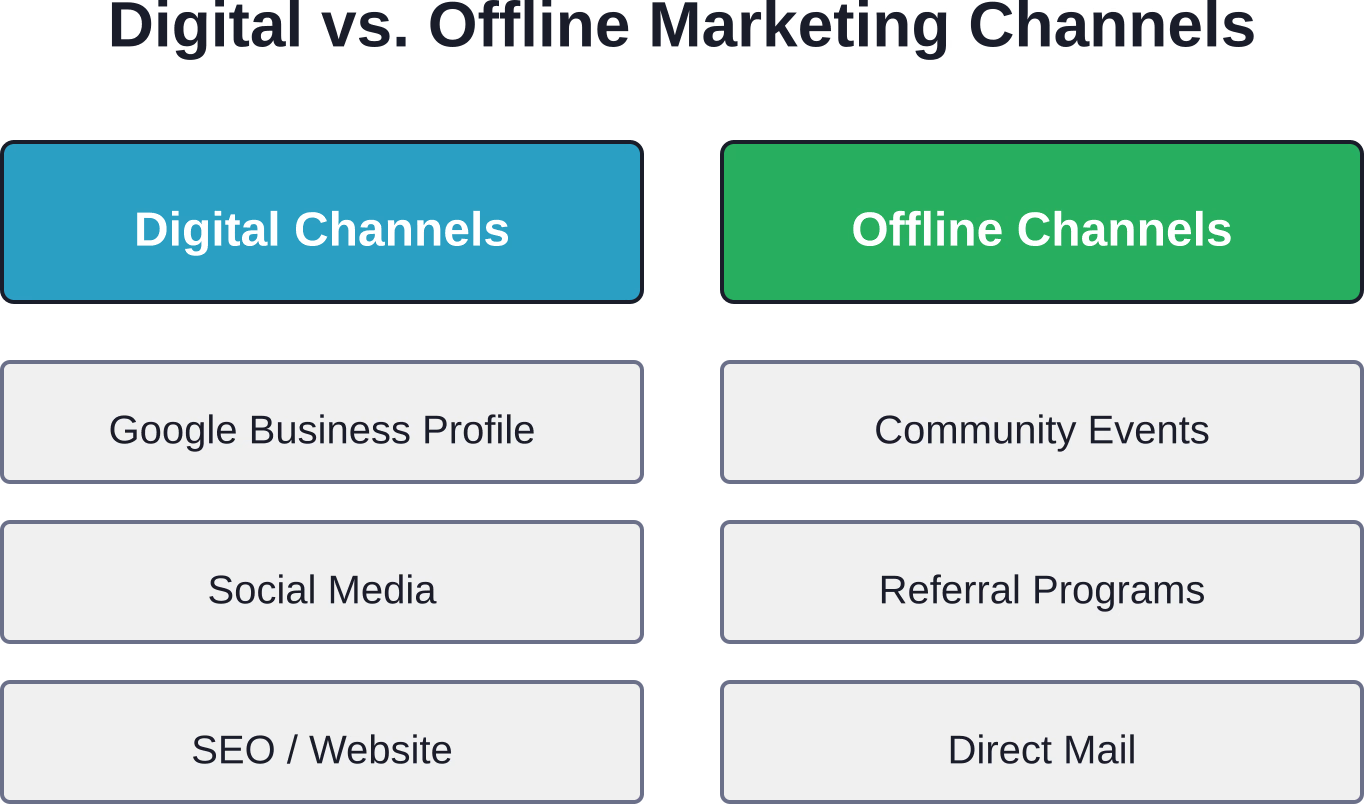
Digital marketing is where most practices see the fastest return. Patients search online, read reviews, and book appointments from their phones. If the practice isn't visible in those moments, it's losing patients to competitors.
Local search is critical for dental practices. When someone searches "dentist near me" or "family dentist in [city]," Google shows a map pack with three local listings.
Getting into that map pack requires optimizing the Google Business Profile. That means:
The profile description should include relevant keywords naturally, but don't stuff it. Google prioritizes user experience, and a spammy profile won't rank well.
The practice website is often the first impression potential patients get. It needs to load fast, work perfectly on mobile, and make it easy to book an appointment.
Key elements include:
Search engines reward websites that provide valuable content. Publishing articles about common dental concerns, preventive care tips, or explanations of procedures helps the site rank for relevant searches.
Reviews matter. A lot. Patients trust online reviews almost as much as personal recommendations.
Practices should actively request reviews from satisfied patients. The easiest approach? Send a follow-up email or text a few days after the appointment with a direct link to leave a review on Google or Facebook.
Negative reviews happen. The key is responding professionally and promptly. Acknowledge the concern, apologize if appropriate, and invite the patient to discuss it offline. This shows potential patients that the practice cares about feedback and works to resolve issues.
Social media won't directly fill the schedule the way Google Ads might, but it builds awareness and trust over time. The average American spends over 1,300 hours on social media each year—that's where the audience is.
The best platforms for dental practices are typically Facebook and Instagram. LinkedIn can work for practices targeting professionals or focusing on cosmetic dentistry.
Content ideas include:
Consistency matters more than perfection. Posting 2-3 times per week with genuine, helpful content will outperform sporadic bursts of promotional posts.
Digital marketing gets a lot of attention, but offline strategies still work—especially for building local presence and trust.
Dental practices are local businesses. Getting involved in the community builds goodwill and visibility.
Ideas include:
These activities won't generate immediate ROI, but they position the practice as a trusted community resource. And when those families need a dentist, they'll remember who showed up.
Word-of-mouth is still one of the most powerful marketing tools for dental practices. A structured referral program encourages existing patients to spread the word.
The program doesn't need to be complicated. Offer a small incentive—a discount on the next cleaning, a gift card, or a free whitening treatment—for every new patient referred.
Make it easy by providing referral cards patients can hand out or a simple online form where they can submit referrals.
Yes, direct mail still works. Especially in less competitive markets or for targeting specific neighborhoods.
Postcards announcing new patient specials, welcoming new residents to the area, or promoting seasonal offers can drive appointments. The key is a clear offer and a strong call to action.
Track results by using unique phone numbers or promo codes so it's clear which campaigns are working.
Acquiring new patients costs more than keeping existing ones. Email marketing is one of the most cost-effective ways to stay in touch with current patients and encourage them to schedule regular appointments.
Automated email campaigns can handle much of the work. Set up sequences for:
Research shows that 69% of offices said automation could help reduce wasted time. One general dentistry office that shared monthly tips and promotions cut no-shows by 15% through timely email reminders.
Keep emails short, valuable, and action-oriented. Include a clear call to action in every message, whether it's booking an appointment, reading a blog post, or following on social media.
Organic reach takes time to build. Paid advertising delivers faster results—if done correctly.
Google Ads can put the practice at the top of search results for high-intent keywords like "emergency dentist [city]" or "cosmetic dentistry near me."
The key is targeting the right keywords and writing compelling ad copy. Landing pages should match the ad's promise—if the ad promotes new patient specials, the landing page should highlight that offer prominently.
Start with a modest budget and test different keywords, ad copy, and landing pages. Track conversions carefully to understand which campaigns are profitable.
Social media ads work well for building awareness and targeting specific demographics. Facebook's targeting options allow practices to reach people by location, age, interests, and behaviors.
Ad formats like carousel ads showcasing different services or video ads featuring patient testimonials tend to perform well. Retargeting ads—showing ads to people who've visited the website—can nudge potential patients to book.
How much should a practice spend on advertising? Many dental practices allocate a percentage of gross revenue to marketing, with budgets varying based on practice maturity and growth goals.
Paid ads should be part of that budget, but not the entire budget. Balance paid channels with organic strategies for sustainable growth.
Random tactics won't build a successful practice. A structured marketing plan ensures efforts are focused, measurable, and aligned with business goals.
According to the ADA Principles of Ethics and Code of Professional Conduct (Section 5: The Principle of Veracity), customizing a marketing plan increases the likelihood of achieving desired results. The goal is to create a list of solutions and an action plan tailored to the business.
What does the practice want to achieve? More new patients? Better retention? Increased revenue from cosmetic procedures?
Goals should be specific and measurable. Instead of "get more patients," aim for "acquire 20 new patients per month" or "increase cosmetic procedure bookings by 30% in Q3."
Once goals are clear, select the marketing tactics most likely to achieve them. A practice focused on attracting families might prioritize local SEO, community events, and Facebook. One targeting cosmetic dentistry might invest in Instagram, Google Ads, and before-and-after galleries.
There are three basic options for implementing the plan: handle it internally, outsource to consultants, or use a mix of both. Each approach has trade-offs in cost, control, and expertise.
Marketing without measurement is guesswork. Track key metrics like:
Use tools like Google Analytics for website traffic, call tracking software to attribute phone calls to campaigns, and practice management software to track patient sources.
Review metrics monthly and adjust the plan based on what's working. Double down on successful tactics and cut or revise those that aren't delivering.
Dental marketing is subject to regulations that vary by state and jurisdiction. The American Dental Association provides guidelines, and many states have additional rules through their dental boards.
Common restrictions include:
Before launching any campaign, check federal and state regulations. When in doubt, consult with a healthcare marketing attorney or the state dental board.
Ethical marketing builds trust. Patients appreciate transparency and honesty far more than hype or unrealistic promises.
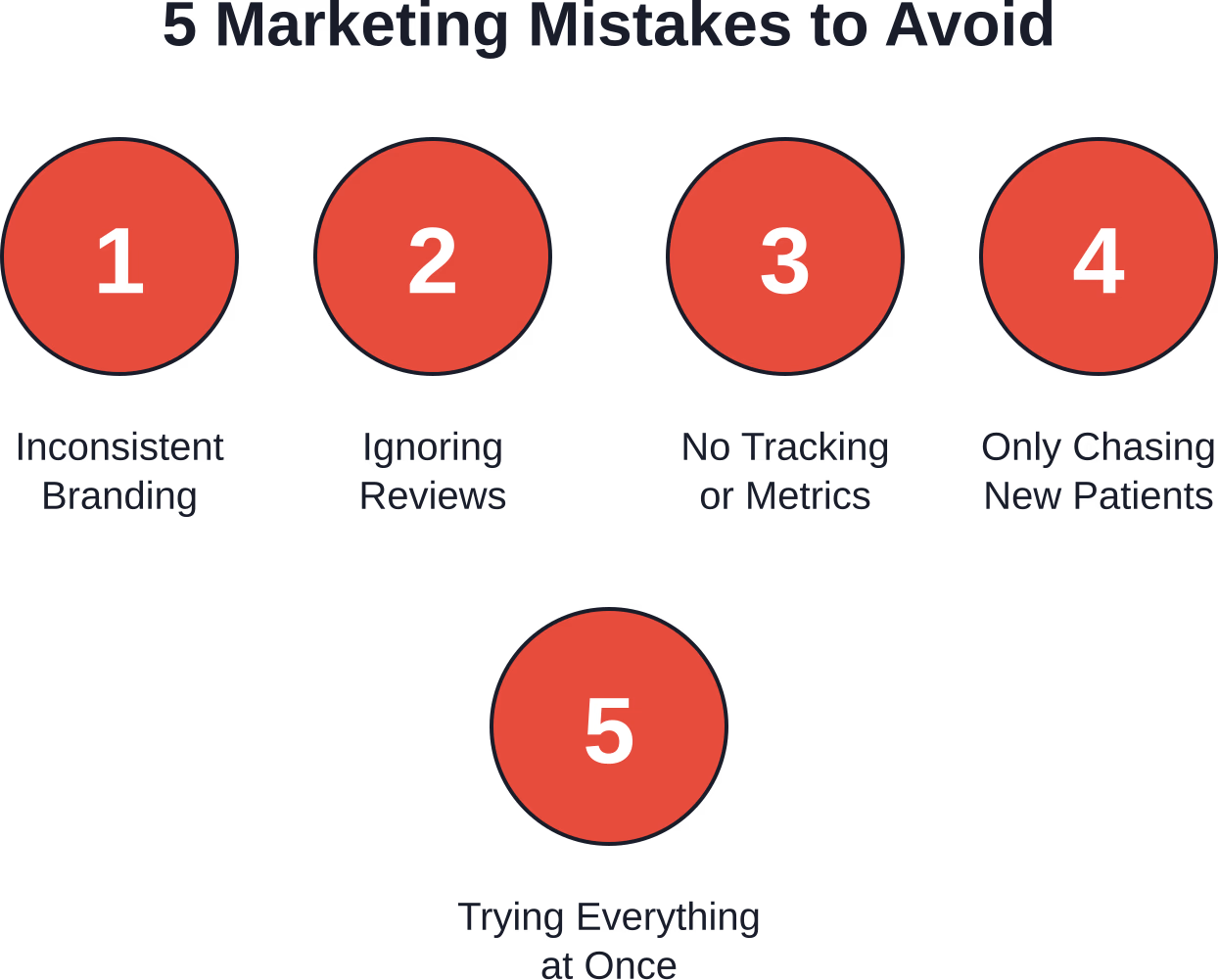
Even experienced practices make marketing missteps. Here are some of the most common:
Using different logos, colors, or messaging across channels confuses potential patients. Consistency builds recognition and trust.
Leaving negative reviews unanswered sends the message that the practice doesn't care. Respond professionally to every review, even the critical ones.
Without data, there's no way to know what's working. Invest in basic tracking tools and review performance regularly.
Bringing in new patients is important, but retaining them is equally critical. Don't neglect email marketing, recall reminders, and patient experience improvements.
Marketing burnout is real. It's better to do a few things well than to spread efforts too thin. Start with 2-3 core strategies, master them, then expand.
Marketing needs change as a practice evolves. A brand-new practice focused on filling the schedule has different priorities than an established one looking to expand services or add locations.
For new practices, the focus is on awareness and filling the schedule. Priorities include:
Budget will be tighter, so focus on high-impact, low-cost strategies first.
Established practices can shift focus to retention, expanding services, and dominating local search. Strategies include:
Practices with multiple locations face unique challenges—each location needs its own Google Business Profile, localized content, and community presence, while maintaining consistent branding across all sites.
Centralized marketing management with localized execution tends to work best. Corporate handles branding, website, and large campaigns, while each location manages its own community engagement and local ads.
Marketing a dental practice doesn't require a massive budget or a full-time team. It requires clarity, consistency, and a willingness to test and adjust.
Start with the foundation—define the practice story, identify target patients, and establish consistent branding. Then focus on high-impact strategies: optimize the Google Business Profile, build a professional website, actively manage reviews, and engage with the community.
Layer in additional tactics as capacity and budget allow. Email marketing, social media, paid ads, and referral programs all have a place—but only if they align with the practice's goals and can be executed consistently.
Track results religiously. Marketing without measurement is wasted effort. Know which channels are bringing in patients, what they cost, and what's delivering the best return.
The dental field is competitive, but the demand is real. According to CDC data, the vast majority of adults experience dental caries, and periodontal disease affects millions. The opportunity is there for practices that market themselves effectively.
Research shows that 64.1% of dentists now embrace advertising—up from previous generations. Those who invest in strategic, patient-focused marketing will capture a larger share of the market and build sustainable, thriving practices.
Ready to grow the practice? Start with one or two strategies from this guide, implement them consistently, measure results, and build from there. Small, focused efforts compound over time into significant growth.


