How to Promote Your Shopify Store for Free Without Spending a Dime
No budget? No problem. Learn practical, free ways to get traffic and grow your Shopify store without paid ads.
Feb 4, 2026



Effective gym marketing in 2026 combines community-focused strategies with digital tactics to attract and retain members. From leveraging social media and influencer partnerships to hosting fitness challenges and optimizing local SEO, successful gym owners blend online visibility with authentic in-person experiences. According to the CDC, 24.2% of adults aged 18 and over met the 2018 Physical Activity Guidelines for Americans for both aerobic and muscle-strengthening activities in 2020, revealing a massive untapped market for fitness facilities willing to market strategically.
The fitness industry generates approximately $35–47 billion in direct revenue and has a total economic impact of around $60 billion. It supports hundreds of thousands of jobs (direct + indirect) across 40,000–55,000+ commercial fitness facilities and studios in the United States. Competition has never been fiercer.
Yet most gym owners still rely on outdated marketing tactics. Newspaper ads, generic flyers, word of mouth—these alone won't cut it anymore.
The opportunity is real. According to 2024 CDC data, 47.2% of adults age 18 and older met the federal guidelines for aerobic physical activity, but only 24.2% of adults aged 18 and over met the 2018 Physical Activity Guidelines for Americans for both aerobic and muscle-strengthening activities in 2020. That gap represents millions of potential members who need what gyms offer but haven't found the right fit yet.
So how do successful fitness businesses capture this market? They deploy marketing strategies that blend digital sophistication with authentic community engagement.
This guide covers 15 actionable marketing ideas specifically designed for gym owners who want measurable growth in 2026.
Before diving into specific tactics, establish what makes a marketing strategy different from a marketing plan.
A marketing strategy defines your long-term vision—who your ideal clients are, what value you provide, and how you position against competitors. It answers the fundamental question: why should someone choose your gym over the boutique studio down the street?
A marketing plan outlines the tactical execution—specific campaigns, timelines, channels, and budgets. It's the roadmap for bringing your strategy to life.
Here's what that looks like in practice:
Most gyms jump straight to tactics—running Facebook ads or posting on Instagram—without establishing strategic clarity first. That's backwards.
Define your positioning and ideal member profile before spending a dollar on promotion. Know whether you're targeting busy professionals seeking efficient HIIT workouts, retirees wanting community and mobility training, or young adults chasing aesthetic goals.
Your strategy shapes everything else.
Social media remains the most cost-effective marketing channel for gyms. But here's the thing—posting sporadically about your equipment won't move the needle.
Successful fitness social media showcases transformation stories, demonstrates proper exercise form, highlights member achievements, and builds community identity.
Instagram works particularly well for visual fitness content. Share before-and-after photos (with permission), post workout demonstrations, feature member spotlights, and use Stories to show behind-the-scenes gym culture.
TikTok has emerged as a powerful discovery platform. Short-form videos showing quick workout tips, trainer personalities, and fitness challenges can reach audiences far beyond your local area—building brand awareness that converts when people search for nearby gyms.
Facebook remains valuable for community building and event promotion. Create a dedicated group for members, share class schedules, promote upcoming events, and engage with comments consistently.
The key principle across all platforms: provide value first, promote second. Educational content and authentic community moments outperform sales pitches every time.
Influencer marketing has evolved beyond celebrity endorsements. Micro-influencers with 5,000-50,000 engaged followers often deliver better ROI for local gyms.
Look for fitness enthusiasts in your area who align with your gym's values and demographic. They don't need massive followings—they need authentic connections with an audience that matches your ideal member profile.
Structure partnerships around genuine experiences. Offer complimentary memberships in exchange for honest content about their fitness journey at your facility. The best influencer content doesn't feel like advertising—it documents real progress and authentic recommendations.
Track results through unique promo codes or landing pages assigned to each influencer. This data shows which partnerships drive actual sign-ups versus just impressions.
Community discussions frequently mention that authentic influencer partnerships work best when the influencer already fits your gym culture. Forced partnerships feel inauthentic and rarely convert.
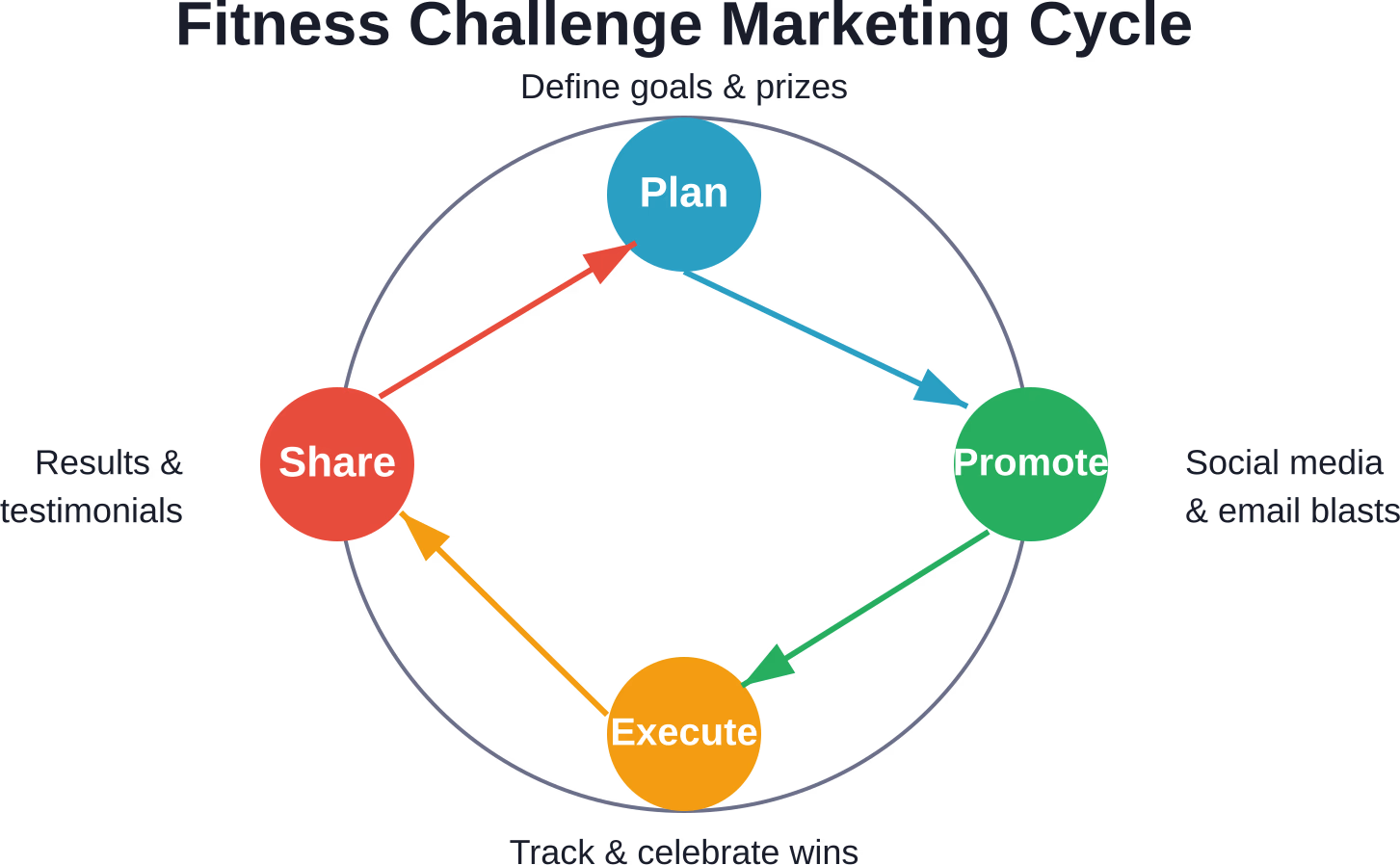
Fitness challenges serve multiple marketing purposes simultaneously. They engage existing members, attract new prospects, generate social media content, and build community identity.
Popular challenge formats include:
The social proof generated during challenges creates powerful marketing assets. Participants naturally share their progress on social media, tag your gym, and recruit friends to join future events.
Events like open houses, fitness workshops, and member appreciation days serve similar purposes. They give prospects low-pressure opportunities to experience your facility while rewarding existing members for loyalty.
Gym owners in industry discussions report that quarterly fitness challenges can become significant member acquisition channels through participant referrals.
Referral programs remain one of the highest-converting marketing channels for gyms. According to IHRSA research, 23% of former health club members indicated leaving because they did not use the health club—meaning retention and referrals both hinge on keeping members actively engaged.
But generic "refer a friend" programs rarely generate consistent results. Effective referral systems require clear incentives, easy execution, and strategic timing.
Strong incentive structures include:
Make the referral process frictionless. Provide members with unique referral codes they can share via text or social media. When their friends sign up using that code, automatically apply the reward—no complicated tracking or claims process required.
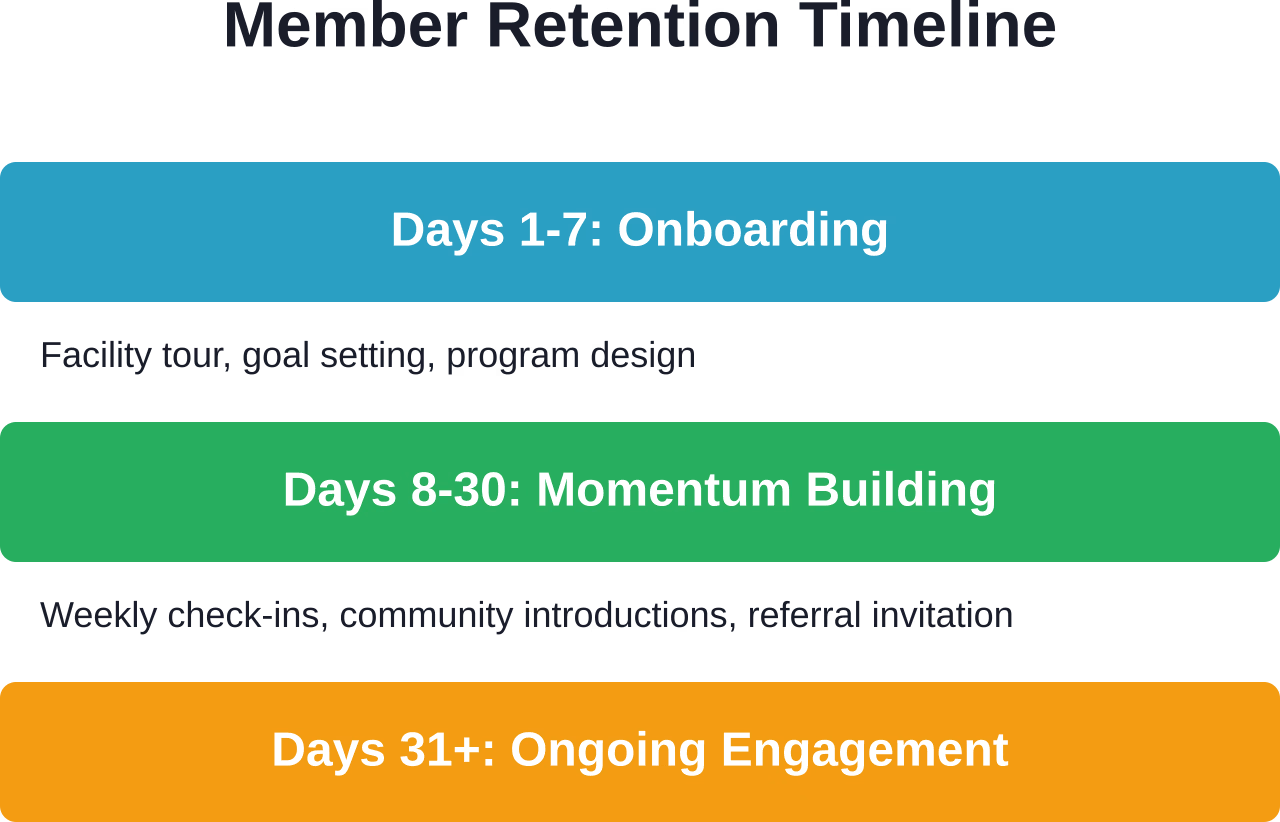
Timing matters enormously. New members are most enthusiastic during their first 30 days. That's when they experience initial results, feel excited about the community, and naturally discuss their gym with friends and family.
Introduce referral opportunities during that honeymoon period through welcome emails, staff conversations, and new member orientations.
When someone searches "gym near me" or "fitness center in [city]," does your facility appear in the top results?
Local SEO determines visibility for high-intent searches from prospects actively looking for a gym to join right now.
Start with Google Business Profile optimization. Claim your listing, complete every field, add high-quality photos of your facility and equipment, post regular updates, and actively solicit member reviews.
Reviews profoundly impact local rankings and conversion rates. Develop systematic processes for requesting reviews from satisfied members—via email after milestone achievements, through follow-up texts after personal training sessions, or during check-in conversations at the front desk.
Always respond to reviews, both positive and negative. Thank members for positive feedback and address concerns raised in negative reviews professionally and constructively.
Local link building strengthens geographic relevance. Partner with complementary local businesses—physical therapy clinics, health food stores, sports equipment retailers—and establish reciprocal links and cross-promotional relationships.
Sponsor local sports teams, charity events, or community initiatives. These generate both backlinks and brand awareness within your target geographic market.
Promotional pricing drives urgency and converts fence-sitters into paying members. But discounting requires strategic discipline to avoid devaluing memberships or attracting bargain hunters who cancel immediately after promotions end.
Effective promotion strategies include:
Community discussions reveal that daily flash sales—like 50% off specific class types—create excitement without broadly devaluing standard pricing. They reward engaged members who follow social media closely while maintaining regular rates for everyone else.
Time-limited offers work because they force decision-making. A promotion available indefinitely creates no urgency. A 72-hour flash sale compels immediate action.
Track promotional effectiveness rigorously. Measure not just sign-ups during the promotion period, but retention rates six and twelve months later. Promotions that attract members who stay deliver far greater lifetime value than those bringing temporary bargain hunters.
Content marketing builds authority, improves search rankings, and nurtures prospects through the decision journey.
Create blog content addressing common fitness questions, workout programming guides, nutrition basics, recovery strategies, and exercise technique tutorials. This content ranks for informational searches and positions your gym as a knowledgeable resource.
Video content performs exceptionally well for fitness topics. Short technique demonstrations, full workout videos members can follow at home, trainer Q&A sessions, and facility tours all generate engagement.
Here's the strategic insight: giving away workout content for free doesn't cannibalize memberships. Most people need the accountability, community, equipment access, and expert guidance that gyms provide—even when they have access to free workout information.
Email newsletters keep your gym top-of-mind for prospects and members alike. Share workout tips, upcoming events, member spotlights, and exclusive offers through consistent weekly or biweekly emails.
Segment email lists based on membership status and engagement levels. Prospects receive different messaging than active members, and at-risk members showing declining attendance get targeted re-engagement campaigns.
Strategic partnerships with complementary businesses create win-win marketing relationships.
Physical therapists, chiropractors, and sports medicine clinics make natural partners. They serve overlapping audiences and can refer patients who need structured exercise programs for recovery or prevention.
Corporate wellness partnerships provide B2B opportunities. Offer discounted group memberships to local companies seeking employee wellness benefits. Position your gym as the preferred fitness partner for corporate wellness programs.
Nutritionists, meal prep services, and health food stores share fitness-focused customer bases. Cross-promotional arrangements—they promote your gym to their customers, you promote their services to your members—expand reach for both parties.
Co-hosted events amplify promotional impact. Partner with a local nutrition business to host a wellness workshop combining fitness and nutrition education. Split promotional responsibilities and share the resulting prospect lists.
Acquiring new members costs significantly more than retaining existing ones. Yet many gyms obsess over acquisition while neglecting retention.
Research suggests that successful member engagement through regular touchpoints and interactions can significantly reduce cancellation likelihood.
Build systematic engagement into member experiences:
Track attendance patterns and identify members showing declining engagement before they cancel. Proactive outreach—a text from a trainer checking in, a special offer for renewed commitment, an invitation to try a new class—can rescue at-risk memberships.
Remember: According to IHRSA research, 23% of former health club members indicated leaving because they did not use the health club. They didn't hate the gym. They simply stopped going and felt guilty paying for something unused.
Keeping members actively engaged solves both retention and referral challenges simultaneously.
Fitness marketing lives or dies on visual appeal. Poor-quality photos make even premium facilities look unappealing.
Professional photography of your facility, equipment, classes, and members (with permission) provides essential marketing assets. Use these images across your website, social media, ads, and promotional materials.
Capture authentic moments rather than staged corporate-looking shots. Real members working hard, celebrating achievements, and connecting with each other tell more compelling stories than stock-photo-style posing.
Video content requires similar quality standards. Invest in decent lighting and audio equipment for workout demonstrations, testimonials, and facility tours. Smartphone cameras now offer excellent quality—the difference between amateur and professional video usually comes down to lighting, sound, and editing rather than camera specs.
User-generated content supplements professional assets beautifully. Encourage members to tag your gym in social posts and request permission to share their content on your channels. This provides fresh authentic content while making members feel valued and recognized.
Organic reach continues declining across social platforms. Paid advertising ensures your message reaches targeted audiences regardless of algorithm changes.
Facebook and Instagram ads offer powerful geographic and demographic targeting. Define your ideal member profile—age range, location radius, interests, behaviors—and serve ads specifically to that audience.
Google Ads capture high-intent searches. When someone searches "best gym in [city]" or "personal training near me," paid search ads place your facility at the top of results.
Start with modest budgets and rigorous testing. Run multiple ad variations with different images, copy, and offers. Measure cost per lead and cost per acquisition ruthlessly. Scale what works and kill what doesn't.
Retargeting campaigns pursue warm leads who visited your website but didn't sign up. These prospects already showed interest—strategic retargeting keeps your gym top-of-mind as they evaluate options.
Set clear success metrics before launching campaigns. Know your target cost per acquisition and lifetime member value. Ads that generate members profitably at scale deserve increased investment.
Generalist positioning—"we're a gym for everyone"—rarely resonates as powerfully as specialized programs targeting specific demographics.
Consider developing focused offerings for:
Physical activity guidelines compliance varies significantly by age group, with compliance decreasing with age. Each demographic presents unique opportunities and requires tailored marketing messaging.
Specialized programs command premium pricing because they deliver specialized value. They also generate word-of-mouth within tight-knit communities—seniors refer to other seniors, youth athletes tell teammates, new mothers connect with other moms.
Email remains one of the highest-ROI marketing channels when executed strategically through automation.
Welcome sequences nurture new members through their first 30 days. Automated emails provide workout tips, introduce trainers and classes, encourage community connection, and request early feedback—all without requiring manual effort from staff.
Re-engagement campaigns target members showing declining attendance. When someone's check-ins drop below their normal pattern, trigger automated outreach offering help, inviting them to try a new class, or providing renewed motivation.
Birthday and milestone emails build personal connections at scale. Automated recognition of member birthdays, membership anniversaries, and achievement milestones makes people feel valued with minimal staff time.
Promotional campaigns announce new classes, special events, limited-time offers, and seasonal programs to entire lists or targeted segments based on interests and engagement levels.
The key is treating email as conversation rather than broadcast. Personalize messaging, segment audiences thoughtfully, and provide genuine value rather than constant sales pitches.
Nothing sells gym memberships more effectively than proof that your programs produce real results.
Member transformation stories provide that proof. They demonstrate that ordinary people—not just genetic outliers or professional athletes—achieve meaningful results at your facility.
Document journeys comprehensively. Collect before-and-after photos, track measurable progress metrics, and capture compelling personal narratives about challenges overcome and confidence gained.
Share these stories across all channels—dedicated website pages, social media posts, email features, video testimonials, and in-facility displays.
Always secure explicit permission before sharing member stories publicly. Many people feel proud of their progress and love being recognized, but some prefer privacy. Respect individual preferences completely.
Authenticity matters more than perfection. Real stories with relatable struggles resonate more powerfully than overly polished marketing-speak. Let members tell their stories in their own words.
The fitness industry supports 600,000 jobs and generates $59.62 billion in annual economic activity across 55,000+ commercial facilities precisely because gyms provide more than equipment access. They create communities.
Position your gym as a community hub rather than just a workout facility. Host social events, celebrate member milestones, create traditions and rituals, and foster genuine connections among members.
Strong community identity generates organic marketing. Members become ambassadors who naturally promote the gym because they feel genuine belonging and want friends to share that experience.
Community also drives retention. People quit gyms. They rarely quit communities where they've formed meaningful friendships and social bonds.
Everything from your brand voice to your staff training to your facility design should reinforce community values. Make connections and belong to core brand pillars, not afterthoughts.
Marketing without measurement is just spending money and hoping for the best.
Track these core metrics across all marketing initiatives:
Assign tracking mechanisms to every campaign. Use unique URLs, promo codes, or dedicated phone numbers to attribute leads accurately to specific marketing sources.
Review metrics monthly at minimum. Identify trends, compare channel performance, and reallocate budget toward highest-performing tactics.
Remember that different marketing channels serve different purposes. Social media might generate brand awareness more than immediate conversions. Referral programs might produce fewer total leads but higher-quality members who stay longer.
Optimize for long-term member value rather than just acquisition volume.

Gym promotions move fast, especially around challenges, seasonal offers, and membership pushes, but most fitness brands still rely on expensive live testing to figure out what actually works. Extuitive helps businesses create, validate, and forecast ad performance before launch using AI models trained against real campaign results and validated through large-scale consumer simulations.
With Extuitive, you can:
👉Book a demo with Extuitive and see how your gym campaigns may perform before they go live.
Even well-intentioned marketing efforts can backfire when executed poorly:
The fitness industry presents enormous opportunities. With 24.2% of adults aged 18 and over meeting the 2018 Physical Activity Guidelines for Americans for both aerobic and muscle-strengthening activities in 2020, tens of millions of potential members need what gyms provide.
But opportunity alone doesn't build successful fitness businesses. Strategic marketing that combines digital sophistication with authentic community building separates thriving gyms from struggling ones.
Start by establishing strategic clarity. Define your ideal member profile, articulate your unique value proposition, and identify the 2-3 marketing channels where your target audience actually spends time.
Then execute consistently. Pick three strategies from this guide that align with your resources and strengths. Implement them thoroughly for three months minimum before evaluating results and adjusting.
Marketing effectiveness compounds over time. Early efforts might feel like pushing a boulder uphill. But consistent execution creates momentum—organic rankings improve, social followings grow, referral systems mature, and community identity strengthens.
The gyms that will dominate their markets in 2026 and beyond are the ones starting strategic marketing initiatives today.
So which three strategies will become your starting point?


