Marketing Ideas for Dentists That Drive Results in 2026
Discover proven marketing ideas for dentists to attract new patients, boost visibility, and grow your practice in 2026. Actionable strategies inside.
May 15, 2026



Effective veterinary marketing combines digital strategies like Google My Business optimization and social media engagement with traditional methods such as direct mail and community events. The American Veterinary Medical Association provides tools and client education materials to help practices streamline communication and build trust. Focus on authentic client relationships, preventive care messaging, and consistent online presence to attract and retain pet owners in a competitive market.
Gaining trust stands as one of the most challenging aspects of veterinary practice management. Pet owners treat their animals as family members, and they need reassurance before scheduling that first appointment.
The right marketing approach bridges that trust gap while helping practices stand out in an increasingly competitive landscape. But here's the thing—effective veterinary marketing isn't about flashy campaigns or massive budgets.
It's about consistent, authentic communication that demonstrates expertise and care. The strategies that work best combine time-tested traditional methods with modern digital tools, creating multiple touchpoints where potential clients can discover and connect with a practice.
Digital visibility determines whether pet owners find a practice when they need veterinary care. Many people use the internet to find local services, making online marketing essential rather than optional.
Google My Business serves as the foundation of local veterinary marketing. A complete, accurate profile improves search visibility and provides essential information right when potential clients need it.
Practices should verify their listing, add current hours and services, upload high-quality photos of the facility and team, and consistently respond to reviews. Fresh photos posted monthly signal active management and give pet owners confidence in choosing the practice.
Social media platforms offer cost-effective channels for building relationships with current and potential clients. Academic research confirms that social media marketing can be used effectively by veterinary clinics as an alternative to more expensive traditional marketing techniques like phone book and newspaper advertisements.
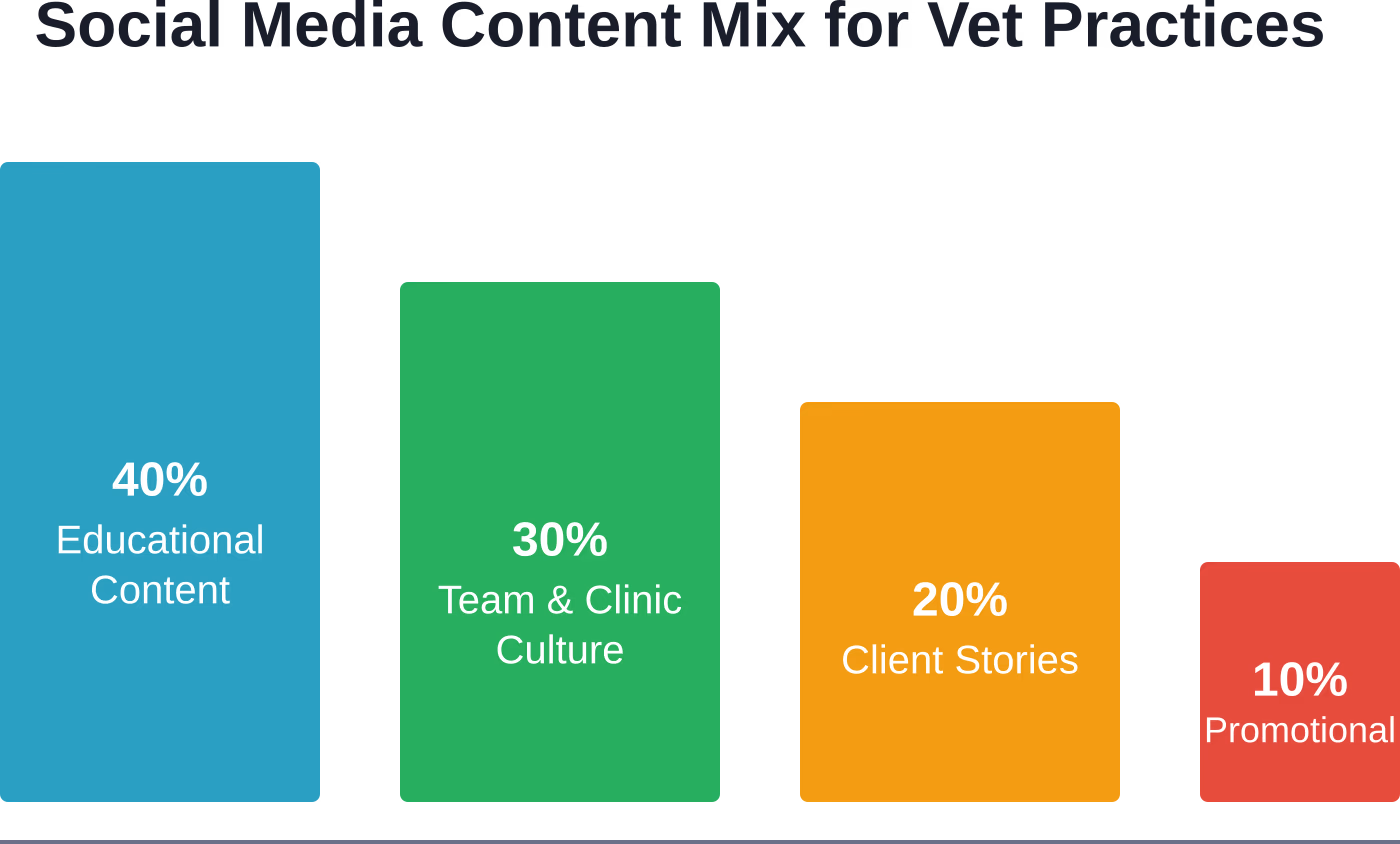
The key lies in consistent, authentic content rather than perfect polish. Share behind-the-scenes glimpses of the team, educational posts about common pet health issues, client success stories (with permission), and timely seasonal reminders about preventive care.
Platforms like Facebook and Instagram allow practices to showcase personality while demonstrating expertise. Real talk: most practices don't need to be on every platform. Choose one or two channels where the target audience spends time and maintain consistent activity there.
Email marketing has one of the highest returns on investment across all digital channels. Studies show strong ROI, and most people check their email regularly.
Veterinary practices can use email for appointment reminders, seasonal health tips, practice updates, birthday greetings for pets, and educational newsletters. The goal isn't frequent bombardment but valuable, timely communication that keeps the practice top-of-mind.
Segment email lists by pet type (dog owners, cat owners, exotic pets) to deliver more relevant content. A monthly newsletter works well for most practices without overwhelming clients or staff.
Digital strategies dominate current marketing discussions, but traditional methods remain surprisingly effective for local veterinary practices. The best marketing plans combine both approaches.
Despite the digital revolution, direct mail continues to generate strong response rates. According to industry research, direct mail produces significantly more responses than many other marketing methods.
Veterinary practices can use direct mail for welcoming new residents to the area, promoting seasonal services like heartworm prevention or dental cleanings, sharing new service announcements, and sending birthday cards for long-time patients.
The tactile nature of direct mail creates a different kind of engagement than digital communications. A well-designed postcard sits on someone's counter for days, creating repeated exposure.
Local visibility builds trust and positions practices as community resources rather than just service providers. Participating in community events creates personal connections that digital marketing can't replicate.
Consider sponsoring local pet adoption events, hosting wellness clinics at community centers, participating in school career days, partnering with local pet stores for educational events, and supporting animal-related charities.
These activities generate word-of-mouth referrals while demonstrating commitment to animal welfare beyond the bottom line. That authenticity resonates with pet owners who want to support businesses aligned with their values.

Existing clients represent the most valuable marketing asset any practice has. Satisfied pet owners naturally recommend trusted veterinarians to friends and family, and formal referral programs amplify this tendency.
Offer incentives for client referrals such as discounts on future services, free wellness exams, or donations to animal rescue organizations in the client's name. Make the referral process simple with cards clients can hand to friends or a dedicated landing page for referral submissions.
The incentive matters less than the task itself. Many clients want to refer their veterinarian but simply don't think of it without a prompt.
Veterinary practices don't need to create every marketing asset from scratch. Professional organizations offer valuable resources that save time and ensure quality.
The American Veterinary Medical Association provides marketing tools and client education materials that help practices streamline communication. According to AVMA, these resources save time, money, and effort while extending client relationships both inside and outside the clinic.
AVMA offers client education materials on topics from parvovirus to cancer information, toolkit resources for pet dental health, dog bite prevention, microchipping, and National Pet Week, and guidance on effective client communication language.
The organization's research into language-focused communication with pet owners reveals that the right language can enhance pet owners' perception of regular veterinary care and encourage clients to prioritize wellness visits. Preventive care messaging becomes more effective when practices use words and phrases that resonate with how pet owners think about their animals' health.
AI tools are revolutionizing how veterinary practices handle marketing and client communication. AVMA notes that artificial intelligence offers powerful tools to streamline marketing, automate client communication, and even develop standard operating procedures.
Practices can use AI for crafting personalized marketing campaigns, automating routine communication tasks, generating social media content ideas, and analyzing which marketing efforts generate the best results.
The technology enhances efficiency without replacing the personal touch that defines excellent veterinary care. AI handles repetitive tasks, freeing staff to focus on meaningful client interactions.

Veterinary practices often run seasonal campaigns, preventive care promotions, and service ads at the same time, but weak creatives can quietly consume budget before enough booking data appears. Extuitive predicts real-world ad performance before launch using AI models validated against live campaign results, helping teams identify stronger campaign directions earlier instead of relying only on trial-and-error testing.
Veterinary teams can use Extuitive to:
👉Book a demo with Extuitive and forecast veterinary campaign performance before launching ads.
Educational content positions practices as trusted experts while providing genuine value to pet owners. This approach builds authority and trust simultaneously.
A blog serves multiple marketing purposes—improving search engine visibility, demonstrating expertise, and giving clients shareable content that extends reach.
Blog topics might include seasonal pet health concerns, explanations of common procedures, nutrition and diet guidance, behavior and training tips, and answers to frequently asked questions.
Consistency matters more than perfection. One well-written post monthly outperforms sporadic bursts of content followed by silence.
Video content generates higher engagement than text or images alone. It doesn't require professional production quality—smartphone videos shot in the clinic often perform better because they feel authentic.
Video ideas include virtual tours of the facility, introductions to team members, demonstrations of at-home pet care techniques, explanations of what happens during common procedures, and testimonials from satisfied clients.
Short videos (under two minutes) work best for social media, while longer educational content can live on the practice website or YouTube channel.
Marketing without measurement wastes resources on ineffective tactics while underinvesting in what works. Tracking key metrics helps practices optimize their marketing mix.
Important metrics include new client acquisition numbers and sources, client retention rates, appointment booking rates from various channels, website traffic and engagement, and social media reach and engagement.
Most practices find that a combination of strategies works better than relying on a single channel. Track where new clients heard about the practice by asking during intake, then allocate marketing resources accordingly.
The goal isn't perfect data but directional guidance that improves decision-making over time.
Certain health issues provide natural marketing opportunities because they affect large numbers of pets and require regular attention.
Obesity affects a significant portion of the pet population. According to research cited in veterinary marketing materials, obesity is the most prevalent avoidable disease in dogs in North America, affecting approximately 25-30% of all dogs, with 40-45% of five- to eleven-year-olds weighing too much.
Marketing campaigns around weight management position practices as partners in long-term pet health rather than just treatment providers. Educational content about proper nutrition, portion control, and exercise creates value while naturally leading to consultations and weight management programs.
Preventive care represents the surest way to keep pets healthy, but clients don't always recognize its importance without education and encouragement. Marketing that emphasizes prevention over reaction shifts client mindset while improving patient outcomes.
Campaigns might focus on annual wellness exams, dental health months, heartworm prevention seasons, vaccination reminders, and senior pet care.
Timing these campaigns to align with relevant seasons or awareness months creates natural hooks for content and promotions.

Effective veterinary marketing isn't about quick wins or viral moments. It's about building sustained visibility and trust over time through consistent, authentic communication.
The practices that succeed combine multiple marketing channels, measure results, and refine their approach based on what works for their specific community and client base. They recognize that marketing isn't separate from patient care—it's an extension of the same commitment to animal welfare and client service.
Start with one or two strategies that align with practice strengths and available resources. Master those before expanding to additional channels. The American Veterinary Medical Association provides tools and resources that eliminate the need to create everything from scratch, making professional marketing accessible even for small practices with limited staff.
Marketing effectiveness compounds over time. Consistent effort month after month builds momentum that becomes increasingly difficult for competitors to overcome. The practices that start today and maintain steady effort will find themselves with substantial competitive advantages within a year.
Pet owners are searching for trusted veterinary care right now. The question isn't whether to market but how to ensure the practice appears when those potential clients need help. The strategies outlined here provide multiple pathways to visibility, trust, and growth.
Ready to strengthen your veterinary practice marketing? Start by optimizing your Google My Business profile today, then choose one additional strategy to implement this month. Consistent action creates results.


