Marketing Ideas for Chiropractors That Work in 2026
Discover proven marketing ideas for chiropractors including SEO, patient reviews, email strategies, and referral programs. Grow your practice with these actionable tactics.
May 18, 2026



Choosing the right ecommerce business name is crucial for brand identity and customer recognition. A strong name should be memorable, relevant to your products, easy to spell, and available as a domain. The best names balance creativity with clarity, avoid trademark conflicts, and support long-term business growth across multiple sales channels.
According to the U.S. Department of Commerce, U.S. ecommerce sales were approximately $520 billion in 2018 and reached over $1.1 trillion by 2023. With billions in revenue at stake, getting your business name right from day one matters more than ever.
Your business name isn't just a label. It's the foundation of your brand identity, the first impression potential customers form, and a critical factor in standing out among thousands of online competitors.
But here's the thing—choosing that perfect name feels overwhelming when you're staring at a blank page. Too generic and nobody remembers you. Too clever and people can't spell it. Too narrow and you limit future growth.
This guide breaks down exactly how to create a memorable ecommerce business name that actually works.
Not all business names are created equal. Some stick in your mind immediately, while others fade into obscurity before the browser tab even closes.
The most effective ecommerce names share specific characteristics that make them work across different contexts—from social media handles to customer word-of-mouth recommendations.
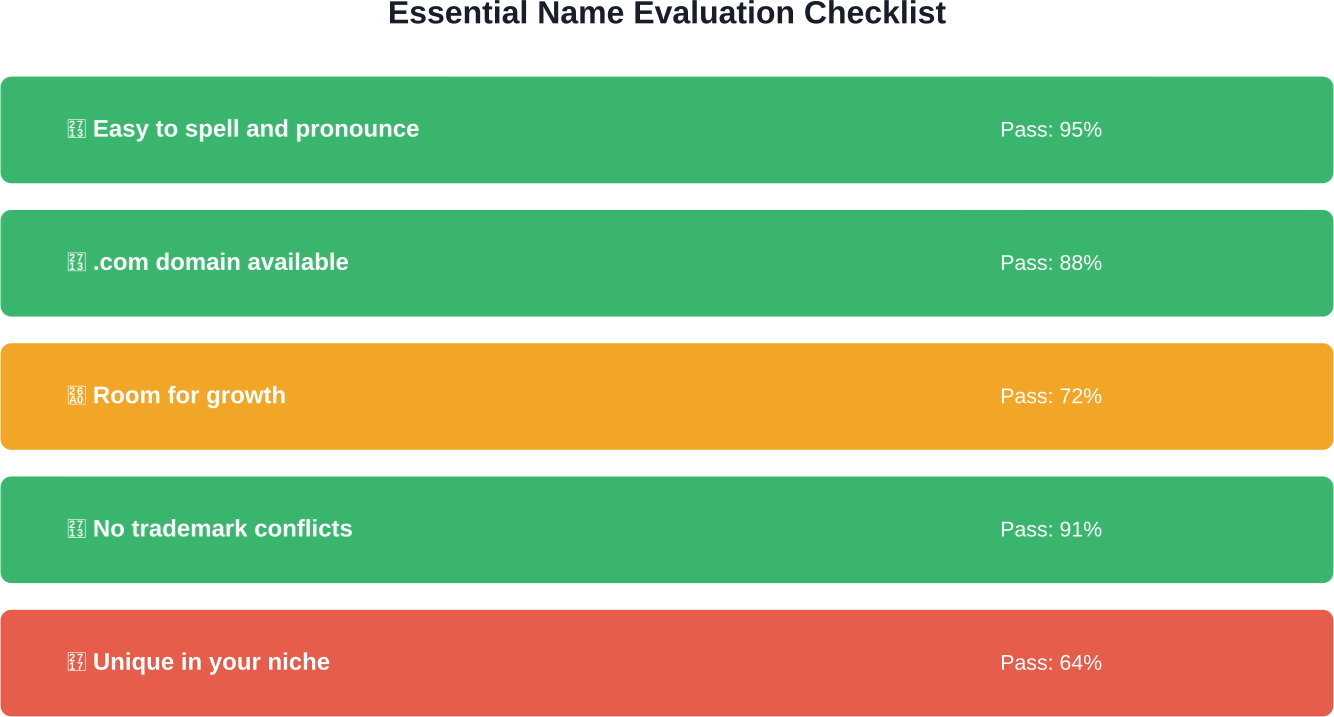
Real talk: if customers can't remember your name or spell it correctly, they won't find you again. Amazon, Etsy, and eBay all pass the radio test—you could hear these names once and know exactly how to type them into a search bar.
Avoid creative misspellings, excessive punctuation, or complicated word combinations. The cognitive load should be zero.
Your name should give customers some indication of what you sell without boxing you into a corner. A name like "Portland Leather Wallets" works great until you want to expand into bags, belts, or other cities.
Look at how Shopify positioned itself. The name suggests shopping and making things easy, but doesn't restrict the platform to any specific product category or business model.
Before falling in love with a name, verify that the .com domain is available and affordable. According to the U.S. Small Business Administration, establishing your online presence starts with securing your digital real estate.
Check social media handles too. Consistent naming across platforms strengthens brand recognition and makes you easier to find.
Different naming strategies work for different business models. Understanding these approaches helps you pick the right direction for your specific situation.
These names tell customers exactly what you sell. Think "The Container Store" or "Discount Tire." The advantage? Immediate clarity about your offerings. The downside? Limited flexibility for expansion.
Descriptive names work best for niche-focused businesses that plan to dominate a specific product category rather than diversify broadly.
Brands like Etsy, Alibaba, and Shopify created entirely new words. Invented names offer maximum flexibility and can be trademarked more easily. But they require more marketing investment to build brand recognition from scratch.
This approach makes sense when you have budget for brand building and want ultimate control over your name's meaning.
Combining two existing words creates names like PayPal, Facebook, or Instagram. This strategy offers the best of both worlds—some inherent meaning plus uniqueness.
The key is choosing word combinations that feel natural together and create positive associations with your business model.
Some ecommerce businesses succeed with personal names, though this approach works better for certain niches. Fashion, artisan goods, and luxury items often benefit from the authenticity and craftsmanship implied by a personal name.
Just remember—using your own name makes the business harder to sell later if that's part of your exit strategy.
Looking at successful ecommerce businesses reveals patterns worth emulating. These names didn't succeed by accident—they embody specific strategic choices.
What do these examples share? They're all easy to pronounce, spell, and remember. None require explanation, yet all create positive associations with their business models.
Enough theory. Here's how to actually create your ecommerce business name, step by step.
List words related to your products, target customers, values, and the experience you want to create. Don't judge ideas yet—just capture everything that comes to mind.
Include adjectives that describe your brand personality, nouns that represent your product categories, and verbs that capture the customer experience.
Start mixing and matching your keywords. Try different combinations, add prefixes or suffixes, and experiment with word order. Online thesauruses help discover related terms you might have missed.
Look for combinations that create a pleasant sound when spoken aloud. The musicality of a name matters more than most founders realize.
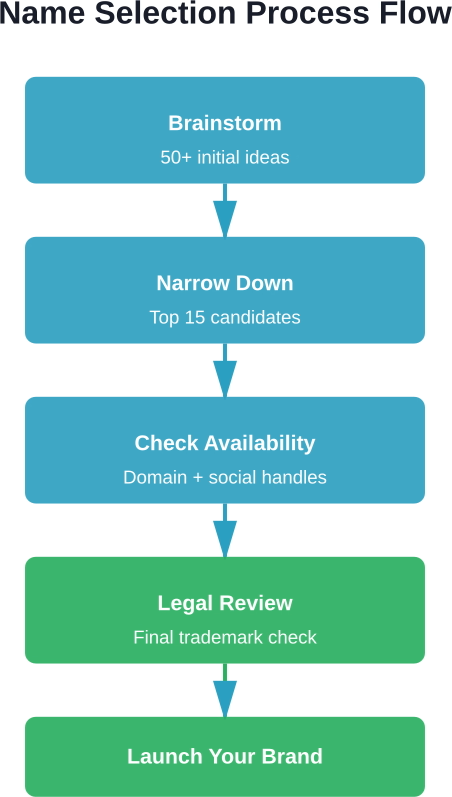
Once you have 10-15 strong candidates, check domain availability immediately. Most .com domains for common words are already taken, but creative combinations often remain available.
Consider alternative extensions like .shop or .store if your perfect .com is unavailable, though .com remains the gold standard for credibility.
The USPTO provides the Trademark Search system (which replaced TESS) to help you avoid legal conflicts. According to official USPTO guidance, checking for existing trademarks before launching prevents costly rebranding later.
Search both exact matches and similar names in your business category. Trademark law protects names within related industries, not just identical matches.
Even experienced entrepreneurs stumble over predictable naming pitfalls. Learning from these common mistakes saves time and future headaches.
Wordplay and puns might amuse you, but they often confuse customers. Names that require explanation create friction in the customer journey. If someone hears your business name in conversation, they should be able to find you online immediately.
Planning to sell globally? Research how your name translates and sounds in other languages. Some perfectly innocent English words have unfortunate meanings elsewhere.
Even if international expansion isn't in your immediate plans, checking for obvious issues now prevents embarrassing discoveries later.
Names based on current slang or trending topics feel dated quickly. Your business name should have staying power that transcends this year's buzzwords.
Look for timeless qualities rather than trying to sound contemporary. The goal is a name that works just as well in five years as it does today.
Finding an available .com domain feels like winning the lottery, but availability shouldn't be your only criterion. A mediocre name with a great domain still underperforms a strong name with a slightly modified domain.
Once you've selected your ecommerce business name, the real work begins. According to the U.S. Small Business Administration, your business structure influences day-to-day operations, taxes, personal liability, and registration requirements vary by state and business type.
Register your domain immediately—even if your website isn't ready yet. Secure matching social media handles across major platforms. File for trademark protection if you plan significant brand investment.
Your business name anchors your entire brand identity, from logo design to marketing messaging. Every touchpoint should reinforce the associations and values implied by your name choice.

Coming up with ecommerce business names is easy. The harder part is knowing which direction will actually resonate once you launch. Instead of relying on gut feeling, Extuitive lets you test different ad concepts before you build around them. It uses AI-driven simulations to predict how audiences are likely to respond, so you’re not making decisions in the dark.
This is especially useful when you’re choosing between a few naming directions or trying to shape how your brand should feel. Rather than picking a name and figuring it out later, you can validate the idea behind it early and move forward with something that’s more likely to work using Extuitive.
Choosing your ecommerce business name ranks among the most important decisions you'll make as a founder. This single choice influences brand perception, customer trust, marketing effectiveness, and even your ability to secure funding or sell the business later.
The process requires balancing creativity with practicality, uniqueness with clarity, and present needs with future growth potential. Take the time to evaluate options thoroughly, test them with potential customers, and verify legal availability before committing.
Remember that even the best name needs strong execution behind it. Amazon started as an online bookstore with an unusual name. Consistent delivery on brand promises built the name recognition, not the other way around.
Start by brainstorming at least 50 initial ideas without self-censoring. Narrow to your top 15, then systematically evaluate each against the criteria outlined in this guide. Check availability, assess trademark conflicts, and test pronunciation with people unfamiliar with your business.
Ready to launch your ecommerce business? Check current requirements and resources at the U.S. Small Business Administration to ensure you're following all necessary legal steps for business registration and online selling compliance.


