AI Creative Optimization: How Modern Ads Learn Before They Launch
Learn what AI creative optimization is, how it works, and why it helps ads perform better before budgets are spent.
Feb 5, 2026



A great ecommerce website name is short, memorable, and reflects your brand identity. The best names are easy to spell, available as a domain, and resonate with your target audience. This guide covers proven naming strategies, 200+ creative examples across categories, and practical tips for testing and securing your perfect ecommerce name.
Starting an ecommerce business brings excitement and possibilities. But before launching that online store, there's one decision that shapes everything else: choosing the right name.
The website name becomes the foundation for branding, marketing, and customer recognition. It's what shoppers see first, what they remember, and what they share with friends. According to research from Oklahoma State University, 81 percent of Internet users have done research on an item they are thinking about buying through the Internet, making that first impression absolutely critical.
Here's the thing though—finding the perfect name can feel overwhelming. Should it describe the products? Be abstract and creative? Use the founder's name? The answer depends on the brand vision, target audience, and long-term goals.
This guide breaks down everything needed to create a memorable ecommerce website name, with over 200 real examples across categories and proven strategies from successful brands.
A website name isn't just a label. It's a strategic asset that influences customer behavior and business growth.
According to a Nielsen report, nearly 60% of shoppers prefer to buy new products from brands they already know. That brand familiarity starts with the name—the first touchpoint in building recognition and trust.
Research on e-commerce trust shows that information integrity and information confidentiality strongly impact consumers' trusting beliefs toward online platforms. The website name plays a subtle but important role in this perception. Names that sound professional and legitimate create immediate credibility.
But wait. There's another layer to consider.
The global e-commerce market was worth approximately $4.2 trillion in 2020, with U.S. e-commerce sales growing at over 30 percent according to the Small Business Administration. Competition in this space is intense. A distinctive, memorable name helps businesses stand out in crowded marketplaces.
Every successful ecommerce website name accomplishes at least one of these objectives:
The strongest names often blend multiple functions, creating both memorability and meaning.
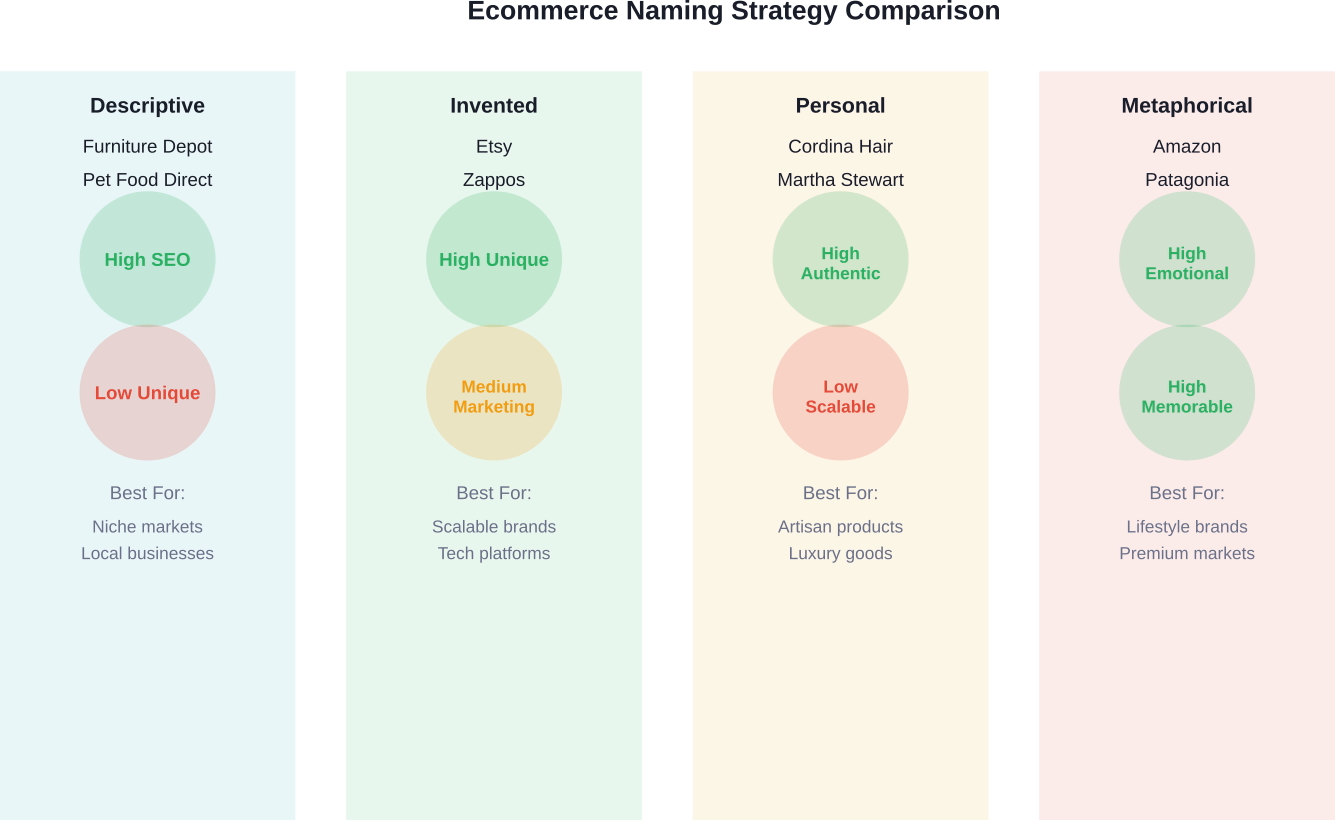
Different naming approaches work for different business models. Understanding these core strategies helps narrow down options and spark creativity.
These names tell customers exactly what the business offers. They're straightforward, practical, and excellent for SEO.
Examples include "Furniture Depot," "Office Supply Store," and "Pet Food Direct." The advantage? Immediate clarity. The challenge? Less distinctive and harder to trademark.
Made-up words or abstract names offer unlimited creativity and strong trademark potential. Think "Etsy," "Zappos," or "Wayfair."
These names start as blank slates but can be filled with meaning through branding and customer experience. They require more marketing investment to build recognition but offer greater long-term flexibility.
Using a personal name creates an authentic, human connection. This approach works particularly well for artisan products, luxury goods, or expertise-based businesses.
Real-life examples include "Cordina Hair," a popular formula that combines the founder's surname with the product category. Personal names convey authenticity and build personal brand equity.
Blending two words creates names that are both descriptive and creative. Examples include "Snapchat," "Facebook," and "Shopify."
This strategy balances clarity with creativity, often resulting in names that are memorable and meaningful.
Names that use metaphor or evoke imagery create emotional connections. "Amazon" suggests vastness and variety. "Patagonia" evokes adventure and nature.
Real-life example: "Nurturing Nature Cards" (also styled as "Nurture Nature Cards") takes a literal yet endearing approach, reflecting the nature of its signature products: 100% plantable gift cards that bloom into Swan River Daisies.
Sometimes the best way to spark creativity is browsing examples. Here are over 200 name ideas organized by product category and naming style.
Real talk: not every creative idea makes a good business name. Certain principles separate memorable brands from forgettable ones.
Shorter names are easier to remember, type, and share. Aim for one to three words maximum. Names like "Etsy" (two syllables) or "Amazon" (three syllables) are far more memorable than lengthy descriptive phrases.
Long names increase the risk of misspellings and make domain names unwieldy.
If customers can't spell the name after hearing it once, they'll struggle to find the website. Avoid unusual spellings, silent letters, or ambiguous pronunciations.
The "radio test" helps here: would someone hearing the name on a podcast know exactly how to type it into a browser?
Names that are too specific can box in future growth. "Chicago Pizza Delivery" works great initially, but what happens when expanding to other cities or adding pasta dishes?
Choose names that allow room to evolve product lines and geographic reach.
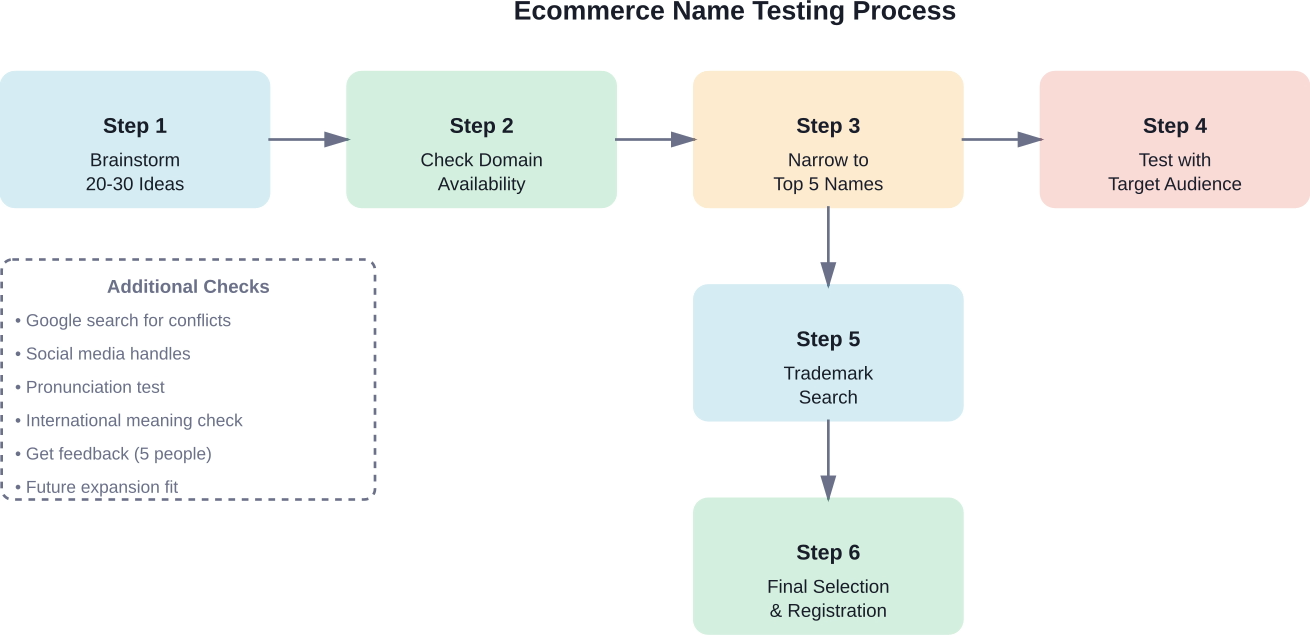
The perfect name means nothing if the domain isn't available. Check domain availability for every serious contender before getting too attached.
According to Penn State Extension resources on developing and maintaining websites, securing an appropriate domain name is a fundamental step in establishing online presence.
Legal issues can destroy a brand. Before committing to a name, search trademark databases to ensure it's not already protected by another business in the same category.
This step prevents costly rebranding down the road.
Descriptive names have built-in SEO advantages because they contain relevant keywords. Abstract names require more effort to rank for industry terms but offer greater branding flexibility.
Both approaches can succeed with proper optimization strategy.
Narrowing down to a final choice requires systematic testing. Don't rely purely on gut feeling.
Share the top three name choices with five people outside the business. Ask them to:
This informal feedback reveals clarity issues that might not be obvious to someone close to the project.
For each finalist name, verify availability across:
Consistency across platforms strengthens brand recognition.
Google each potential name. What appears in the results? Are there existing businesses with similar names? Does anything problematic or confusing appear?
This simple test prevents embarrassing conflicts or associations.
Consider each name through these scenarios:
Names that work across these scenarios offer better long-term value.
A list of ecommerce website names is useful, but it doesn’t show which one will actually perform once you start running ads. The real difference shows up in how that name appears in creatives. Extuitive focuses on predicting ad performance before you spend anything, using AI-simulated audiences to evaluate which directions are more likely to work.
So instead of picking a name and figuring it out later through paid campaigns, you can test how different directions are likely to perform in ads upfront. That means fewer wasted budgets and faster clarity on what to push. If you plan to drive traffic with ads, don’t guess which name will hold up – predict your ad performance early with Extuitive.
Name generators can jumpstart creativity when ideas feel stale. These tools use algorithms and databases to suggest available names based on keywords and industry.
This tool provides quick name and domain suggestions with built-in Shopify integration and instant availability checking. It focuses specifically on ecommerce businesses and generates names optimized for online retail.
The generator shows matching .com domains in real-time, streamlining the research process.
NameSnack uses AI-powered suggestions to create unique, brandable names. It combines multiple naming techniques and shows logo mockups alongside each suggestion.
The visual component helps evaluate how names might look in actual branding contexts.
This AI-driven generator learns from selections to refine suggestions. It creates short, branded names rather than generic combinations.
The learning algorithm improves results as more preferences are indicated.
Wordoid specializes in invented words that sound natural. It creates pronounceable combinations that don't exist as real words, offering excellent trademark potential.
Wix offers a straightforward generator that checks domain availability across extensions and integrates with their website building platform.
Panabee shows related terms, phonetic variations, and abbreviations. It checks domain availability across multiple extensions and suggests alternative spellings.
The tool excels at showing creative variations of initial keyword ideas.
Understanding what doesn't work is just as important as knowing what does. These common pitfalls derail otherwise solid naming strategies.
Names like "Fashion-4-You" or "Best2Buy" create confusion. When spoken aloud, listeners don't know whether to type numbers or spell out words. Hyphens are equally problematic and often forgotten.
Stick to simple letter combinations.
Names like "Quality Products" or "Best Online Shop" lack personality and differentiation. They're unmemorable and nearly impossible to protect legally.
Generic names also make SEO more challenging since they compete with thousands of similar terms.
Obscure puns, intentional misspellings, or inside jokes might seem creative but often confuse potential customers. If the cleverness requires explanation, it's working against the business.
Clarity beats cleverness every time.
Names that work perfectly in English might have unfortunate meanings in other languages. For businesses planning any international expansion, checking translations is essential.
Simple online translation tools can catch obvious problems.
Names exceeding three words become cumbersome. They're difficult to remember, awkward in conversation, and create unwieldy domain names and email addresses.
Shorter is almost always better.
With voice-activated shopping growing rapidly, names need to work in spoken queries. Complex spellings or similar-sounding alternatives create friction in voice interactions.
The name should be immediately clear when spoken aloud.
Selecting the perfect name is just the beginning. These immediate next steps protect the investment and set up proper branding.
Don't wait. Domain names get registered constantly. Purchase the .com version and consider protecting common variations (.net, .co, .shop).
According to website development guidance from Oklahoma State University, securing a domain name is a fundamental early step in establishing online presence.
Claim the business name across major platforms even if not planning immediate use. Consistent handles across platforms strengthen brand recognition and prevent impersonation.
Focus on Instagram, Facebook, Twitter/X, TikTok, Pinterest, and LinkedIn at minimum.
For serious businesses, trademark registration protects the name legally. This prevents competitors from using confusingly similar names and provides legal recourse if infringement occurs.
Consult with a trademark attorney for proper protection.
Create email addresses using the domain name (info@yourbusiness.com) immediately. Professional email addresses build credibility from first customer contact.
With the name secured, develop basic visual identity: logo, color palette, and typography. Consistent visual branding reinforces name recognition.
Create mock-ups of how the name appears on packaging, business cards, and marketing materials. This reveals practical considerations that might not be obvious otherwise.
Looking at successful brands reveals patterns and principles in action.
This eyewear retailer chose a distinctive name combining two characters from Jack Kerouac's journal. The unusual combination is memorable, ownable, and has no direct meaning—allowing the brand to define it through customer experience.
The name works across products and price points without limiting expansion.
Derived from "glossy," this beauty brand created an invented word that sounds elegant and cosmetic. The name clearly suggests the industry while remaining unique and trademarkable.
It's short, easy to spell, and sounds premium—perfect for the target demographic.
This name uses the descriptive approach perfectly. It immediately communicates value (dollar), product (shave), and business model (club/subscription).
While limiting flexibility for expansion beyond shaving, the clarity helped the brand achieve rapid recognition in a competitive market.
The mattress company chose a friendly, approachable name that humanizes what could be a commodity product. "Casper" suggests comfort and familiarity without being descriptive.
The name works across product lines and geographic markets.
This luggage brand picked a single word that evokes travel and adventure. It's memorable, short, and emotionally resonant—perfect for the lifestyle they're selling.
The name also works as a domain and across all social platforms.
Choosing an ecommerce website name combines strategy, creativity, and practical considerations. The perfect name balances memorability with meaning, uniqueness with clarity, and current needs with future possibilities.
Research on e-commerce trust and consumer behavior shows that building credibility begins with professional presentation. The website name is the first element customers encounter—it shapes their expectations and influences their decision to engage.
The strongest approach involves generating diverse options, applying systematic evaluation criteria, and testing finalists with real potential customers before committing. This process takes time but prevents costly rebranding later.
According to data from the Small Business Administration, small businesses increasingly rely on e-commerce for growth, with the global e-commerce market continuing to expand rapidly. In this competitive environment, a distinctive, memorable name provides genuine competitive advantage.
Now comes the exciting part: taking that perfect name and building a brand around it. The naming process is complete. The real work—and opportunity—begins with turning that name into a trusted, recognized brand in the marketplace.
Start by securing the domain, protecting social media handles, and developing initial branding. Then focus on creating the exceptional customer experience that gives the name meaning. The name opens the door. The business experience determines whether customers walk through it.
Ready to claim that perfect ecommerce website name? Check domain availability now and start building the brand that will define the business for years to come.


