Marketing Ideas for Home Builders: 25 Tactics for 2026
Discover 25 proven marketing ideas for home builders in 2026. From digital strategies to community engagement, learn how to attract buyers and grow sales.
May 15, 2026



A memorable thrift store name blends authenticity with personality, helping the business stand out in a competitive secondhand market. Strong names often reference vintage culture, eco-conscious values, clever wordplay, or local community identity. The right name attracts target customers, communicates the store's vibe, and builds brand recognition across physical and online channels.
Naming a thrift store is trickier than hanging a sign. The name sets expectations for what customers will find inside, whether that's curated vintage treasures, budget-friendly basics, or eco-conscious home goods.
A good thrift store name sticks in memory long after someone leaves. It hints at the shopping experience, catches attention in online searches, and helps the business stand out from generic competitors.
Here's the thing though—most thrift stores default to forgettable names that blend into the background. Names like "Second Chance Shop" or "Value Thrift" don't communicate personality or give potential customers a reason to choose one store over another.
This collection features 300+ thrift store name ideas organized by style and specialty. Some lean vintage and nostalgic. Others emphasize sustainability. A few embrace humor and wordplay. The goal is to spark creativity and help resale business owners find a name that actually fits their brand.
According to the U.S. Small Business Administration, market research helps businesses understand their consumer base from the outset and reduce risks even while the business is still in planning stages. The name is often the first market signal customers receive.
A strong name does several things at once. It communicates the store's identity, attracts the right customers, and creates differentiation in a crowded market.
NARTS (National Association of Resale & Thrift Shops) represents thousands of independently owned resale shops across the country. These stores share a commitment to trust, transparency, and community—qualities that often start with an authentic, memorable name.
The secondhand retail industry has grown significantly. Customers now expect more than bargain bins. They want curated selections, specific aesthetics, and stores that align with their values around sustainability and quality.
Names that work tend to fall into recognizable patterns: vintage references, eco-friendly messaging, playful wordplay, or geographic ties. But the best names avoid clichés while still communicating clearly what the store offers.
Vintage-themed names tap into nostalgia and signal that the store curates quality secondhand items with character. These names work especially well for shops specializing in clothing, furniture, or home décor from specific eras.
Vintage names signal curation and quality. They attract customers looking for specific styles rather than generic bargains. The language often references time, history, or classic aesthetics.
Environmental consciousness drives many thrift shoppers today. Names that emphasize sustainability, circularity, or eco-values resonate with customers who shop secondhand for environmental reasons.
These names work particularly well for online thrift stores targeting younger, environmentally conscious shoppers. The messaging aligns with broader sustainability trends in retail.
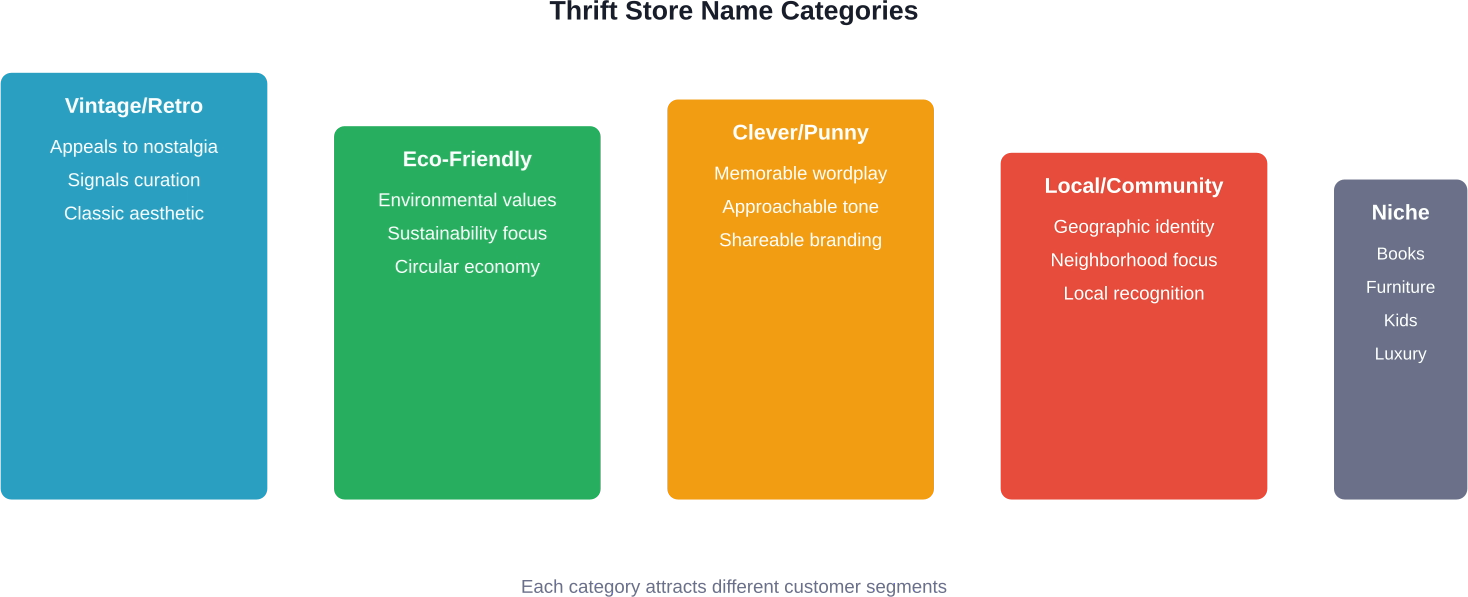
Wordplay and puns make names memorable. Clever names create curiosity and stick in customers' minds, making them more likely to remember the store and recommend it to others.
These names work well for stores with a playful, approachable vibe. They're particularly effective for social media marketing and word-of-mouth promotion.
Clean, simple names appeal to contemporary shoppers looking for curated secondhand goods without the dusty thrift store stigma. These names position resale as stylish and intentional.
Minimalist names often work best for online thrift stores or boutique consignment shops targeting style-conscious customers.
Niche thrift stores benefit from names that immediately communicate their specialty. This helps attract the right customers and sets clear expectations.
Geographic references create local identity and community connection. These names work particularly well for brick-and-mortar stores that want to emphasize their neighborhood roots.
Community-focused names build local loyalty and make the store feel like a neighborhood fixture rather than a generic chain.
Digital-first thrift stores need names that work well as URLs, social media handles, and in search results. Short, memorable, and unique names perform best online.
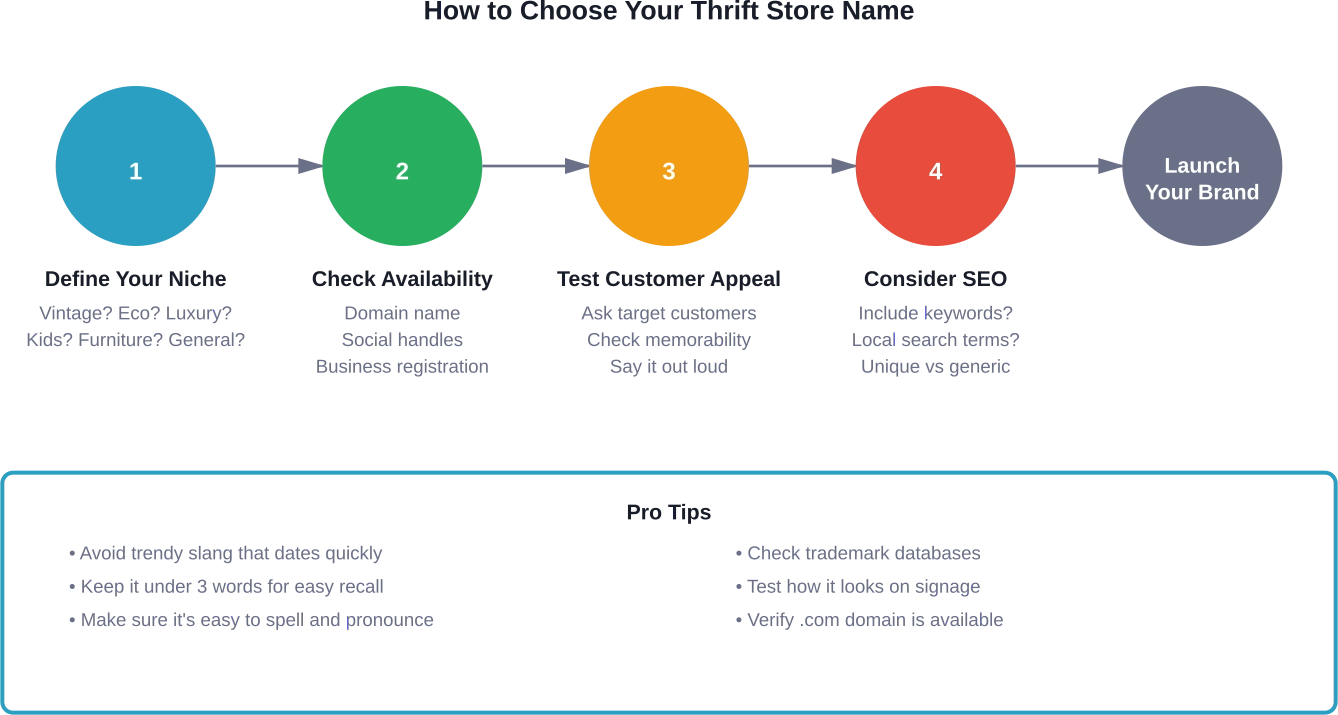
Name selection isn't just creative brainstorming. Several practical considerations matter as much as aesthetic appeal.
First, check availability across multiple platforms. The perfect name doesn't help if the domain is taken, the social media handles are unavailable, or another business in the same region already uses it.
According to the Federal Trade Commission, advertising must be truthful and non-deceptive; advertisers must have evidence to back up their claims. Names should accurately represent what the store actually offers. A "luxury consignment" shop that sells generic secondhand items creates false expectations.
Sound familiar? Many business owners fall in love with a clever name only to discover it's already trademarked or the .com domain costs thousands of dollars.
Test the name with actual potential customers. Thrift shoppers often have strong opinions about store names, as evidenced by community discussions online. What feels clever to the owner might feel confusing or off-putting to customers.
But wait. Names also need to work practically. Can customers spell it easily when searching online? Does it fit on a storefront sign? Will it make sense in five years, or does it rely on current slang that will date quickly?
AI-powered name generators like Shopify's Business Name Generator or Squarespace's tool can help spark creativity. These tools generate dozens of options quickly based on keywords.
The generators work best as starting points rather than final answers. They produce variations and combinations that might not occur during manual brainstorming.
Real talk: most generator results need refinement. They often produce generic combinations or awkward phrasing. But they can surface unexpected word pairings or help identify which keywords resonate.
Use generators to create a long list, then apply human judgment to narrow down options that actually fit the brand vision and target market.
Several naming pitfalls appear repeatedly in the resale industry.
Over-complicated puns confuse more than they charm. A name that requires explanation doesn't work well for signage or word-of-mouth recommendations.
Geographic limitations can backfire. A name like "Downtown Portland Vintage" doesn't scale if the business expands to other neighborhoods or moves locations.
Trendy language dates quickly. Names using current slang or cultural references might feel outdated in just a few years, requiring costly rebranding.
Being too generic makes the business invisible. Names like "Thrift Store" or "Resale Shop" provide zero differentiation and make marketing significantly harder.
The short answer? Balance creativity with clarity. The name should hint at personality without sacrificing immediate comprehension.
Before committing to a name, verify it's legally available. Check the U.S. Small Business Administration resources for guidance on business name registration.
Search state business registries to ensure no other company in the same jurisdiction uses the name. Check federal trademark databases for similar names in retail categories.
Secure the domain name before announcing the business. Even if the physical store comes first, most customers will eventually search online. A matching .com domain establishes credibility.
Register social media handles across major platforms—Instagram, Facebook, TikTok at minimum. Consistent handles make the brand easier to find and appear more professional.
Consider future expansion. Will the name work for an online store if the business currently operates only physically? Does it allow for adding new product categories or services?

Naming a thrift store is one part of the setup. The next step is deciding which ads are worth running. Extuitive helps with that by predicting ad performance before launch, so brands can review creative earlier and make decisions before budget is committed.
Talk with Extuitive to:
👉 Book a demo with Extuitive to review ad concepts before launch.
The name is one of the first major decisions when launching a thrift store. It influences customer perceptions, search visibility, and long-term brand recognition.
Strong names communicate personality while remaining practical. They balance creativity with clarity, avoiding both generic blandness and overly complicated wordplay.
Now, this is where it gets interesting. The resale industry continues growing as more consumers embrace secondhand shopping for environmental and economic reasons. Standing out in this expanding market requires intentional branding that starts with the name.
Whether the store specializes in vintage fashion, eco-friendly home goods, luxury consignment, or general secondhand finds, the right name attracts the right customers and sets the foundation for everything that follows—from signage to social media to word-of-mouth recommendations.
Take time to explore options, test favorites with potential customers, verify availability, and choose a name that will serve the business well for years. The perfect thrift store name is out there—often hiding in a creative combination of the store's values, specialty, and personality.


