Shopify Sales Resources: What’s Worth Using and Why
A practical look at Shopify sales resources that support real growth, from partner tools to marketing and learning materials.
Jan 6, 2026



Effective marketing for rehabilitation centers combines digital strategies (SEO, social media, paid ads), community outreach (local partnerships, educational events), and trust-building tactics (reviews, success stories, transparent communication). Research shows implementing structured quality improvement processes can reduce admission waiting times by 37% while increasing retention by 18%, making operational excellence a core component of rehab center marketing success.
Marketing a rehabilitation center isn't the same as promoting a retail store or tech product. The stakes are higher. People searching for addiction treatment or physical rehabilitation services are often in crisis, vulnerable, and desperately need help.
That's why rehab center marketing requires a unique blend of compassion, credibility, and strategic visibility. The right marketing ideas don't just fill beds—they connect people in need with life-changing care.
Competition for patient acquisition in addiction treatment remains intense. Yet most rehab centers still rely on outdated tactics or generic healthcare marketing that fails to resonate.
Healthcare marketing has shifted dramatically. Mobile and digital channels now account for a significant portion of marketing costs for health products and services.
Yet many rehabilitation centers still approach marketing like it's 2010. They build a basic website, maybe run a few ads, and hope referrals will carry the rest. That doesn't cut it anymore.
Research indicates substantial gaps between those needing substance abuse treatment and those receiving it, representing both a public health crisis and a marketing challenge.
Sound familiar? The issue isn't lack of need—it's lack of effective outreach and connection.

Extuitive helps businesses predict how ad creatives may perform before they go live. It compares copy, visuals, offers, and audience angles, then shows which ideas look stronger or weaker before campaign budget is spent.
For rehabilitation centers, this can help review sensitive service or awareness campaign ideas before turning every version into a paid test.
Extuitive can help with:
👉 Book a demo with Extuitive to review your ad ideas.
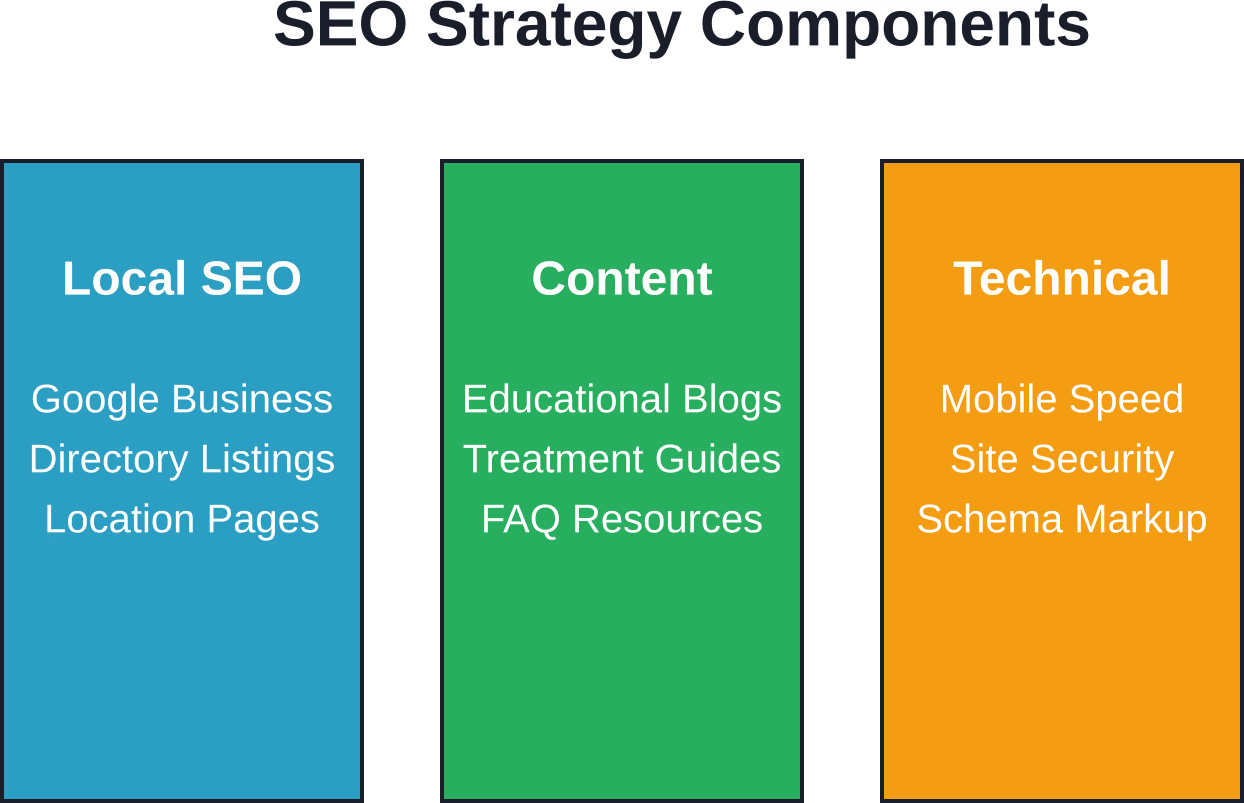
SEO remains the cornerstone of modern rehab center marketing. More than 90% of people turn to the internet to research health-related topics, and rehabilitation services are no exception.
When someone searches "alcohol rehab near me" or "drug treatment center in [city]," where does your facility appear? If it's not on page one, it might as well be invisible.
Local search dominates the rehab space. Most people seek treatment close to home or within their state. That makes local SEO essential:
That demographic—middle-aged adults making autonomous decisions about treatment—actively researches options online. They compare facilities, read reviews, and evaluate treatment philosophies before reaching out.
Educational content serves dual purposes: it improves SEO through keyword targeting and valuable backlinks, and it builds trust by demonstrating expertise.
Create blog posts, guides, and resources addressing:
Position your center as different—showcase your commitment to proven methods and evidence-based practice adoption.
Social media isn't about going viral or racking up likes. For rehab centers, it's about creating a supportive community and staying visible to those who might need services—or know someone who does.
Platform selection matters. Facebook remains dominant for the 40-59 age demographic that comprises most treatment-seekers. LinkedIn works well for professional outreach and B2B partnerships. Instagram can humanize your brand through recovery stories and wellness content.
Each platform serves different purposes:
Real talk: consistency matters more than frequency. Two quality posts weekly beats seven rushed, generic ones. And engagement—responding to comments, answering questions, acknowledging shares—builds the human connection that separates great rehab marketing from mediocre efforts.
Here's the thing though—71% of patients use online reviews as the very first step to finding a new practice or doctor. For rehabilitation services, that percentage likely runs even higher given the high-stakes nature of treatment decisions.
Reviews serve as social proof. They validate your claims, demonstrate real outcomes, and provide the reassurance that anxious, uncertain potential clients desperately need.
Don't just hope for reviews. Create systematic processes:
Studies on consumer satisfaction found that treatment alumni prioritize compassionate care, effective communication, and measurable outcomes when evaluating their experience. Reviews that highlight these elements carry particular weight.
SEO builds long-term organic traffic. Paid ads deliver immediate results. Both belong in a comprehensive rehab marketing strategy.
Google Ads allows targeting of high-intent keywords like "alcohol detox near me" or "opioid treatment program." These searchers need help now—they're not browsing casually.
Effective paid campaigns require more than throwing money at keywords:
The short answer? Paid ads work when targeted carefully and managed actively. Set-it-and-forget-it campaigns waste money.
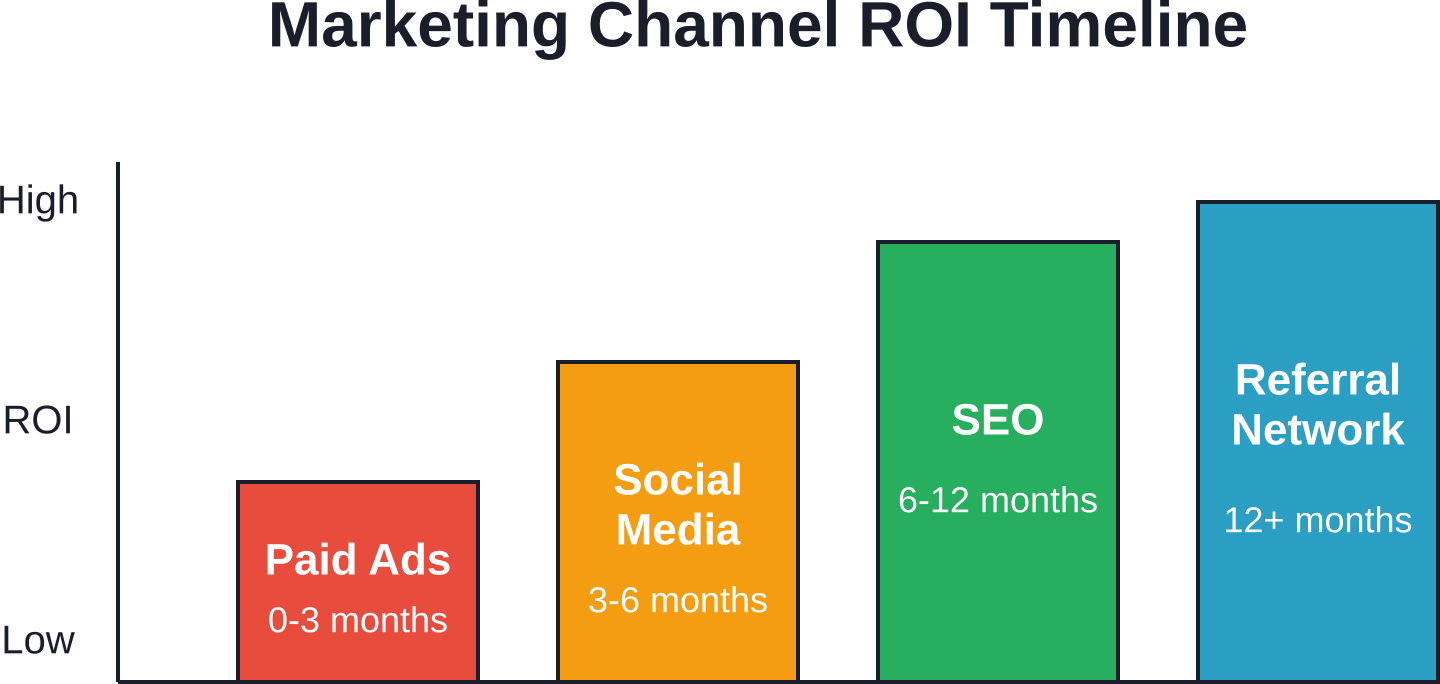
Digital marketing gets attention, but local relationships convert. Partnerships with physicians, therapists, hospitals, courts, and community organizations create steady referral streams.
Consider these partnership opportunities:
Research on improving quality of care in substance abuse treatment found that a cross-site evaluation of NIATx agencies found significant improvements including a 37% decline in days to admission and an 18% gain in retention between the first and second treatment session.
Those operational improvements become marketing advantages. When physicians know they can refer patients and get them admitted quickly—not stuck on waiting lists for weeks—they refer more often.
Host events that position your facility as a community resource:
These events build brand awareness, demonstrate expertise, and create opportunities for direct connection with potential clients and referral sources.
Video content outperforms text across virtually every metric—engagement, retention, conversion. For rehab centers, video solves a specific problem: it reduces fear and uncertainty about treatment.
Many people avoid seeking help because they don't know what to expect. Video demystifies the process:
Host videos on YouTube for SEO benefits, embed them on your website for engagement, and share clips across social platforms for reach.
Email remains highly effective for nurturing leads and maintaining alumni relationships. Someone who downloads a guide about treatment options but doesn't call immediately isn't a lost prospect—they're a future opportunity.
Build segmented email campaigns:
Research on direct-to-consumer marketing notes treatment gaps between those needing mental health and substance abuse services and those receiving them. Effective email nurturing helps convert interested prospects into actual admissions.
What makes your rehab center different? With over 18,000 rehab centers in the U.S., standing out in the digital space is a challenge. Clear differentiation attracts the right clients.
Consider positioning around:
According to research on healthcare marketing strategies, consumer values significantly influence their relationship with brands. For rehab centers, authentic values—compassion, evidence-based care, dignity, recovery-oriented culture—resonate powerfully when communicated consistently.
Marketing without measurement is just expensive guesswork. Track metrics that matter:
Set up proper tracking through Google Analytics, call tracking systems, CRM software, and intake forms that capture "How did you hear about us?" data.
Okay, so what about quality improvement? Research on improving consumer satisfaction with addiction treatment emphasizes that outcomes matter. Marketing brings people in, but quality care keeps them engaged and creates the alumni who become your best advocates.
Rehab marketing operates under stricter ethical guidelines than typical industries. Several considerations apply:
When in doubt, consult healthcare marketing attorneys familiar with addiction treatment regulations.
Marketing rehabilitation centers successfully requires balancing compassionate messaging with strategic visibility tactics. The most effective approaches combine digital marketing fundamentals—SEO, social media, paid advertising—with community relationships, quality content, and authentic brand positioning.
But wait. Marketing alone doesn't fill beds. Operational excellence matters just as much. Research demonstrates that facilities implementing quality improvement processes saw 37% faster admission times and 18% better retention. Those operational improvements become marketing differentiators when physicians trust they can get patients admitted quickly and families believe treatment will be effective.
Start with the fundamentals: optimize local SEO, build a systematic review generation process, create educational content, and establish tracking systems to measure what actually drives admissions. Then layer in paid advertising for immediate results, social media for community building, and partnerships for referral development.
The people searching for rehabilitation services right now need help. Effective marketing ensures they find your facility instead of settling for whatever appears first in search results. That connection—between someone in crisis and the right treatment—makes all the difference.
Ready to strengthen your rehab center's marketing strategy? Start by auditing your current digital presence, identifying gaps in visibility or messaging, and implementing one new tactic this month. Consistent improvement beats perfect planning every time.


