AdCreative.ai Review: Features, Pricing, and Real Use Cases
Read this AdCreative.ai review to see how it works, what it costs, where it helps, and whether it fits your ad creative workflow.
Jun 15, 2026



Quick Summary: Marketing ideas for virtual events include multi-channel promotion through email campaigns, social media strategies, and content marketing. Successful virtual event marketing relies on tiered early-bird pricing, user-generated social proof, interactive pre-event content, and strategic partnerships with industry influencers. Measuring engagement metrics and registration conversions helps optimize campaigns for maximum attendance.
Here's the brutal truth about virtual events: planning the perfect agenda means nothing if nobody shows up. The venue is replaced by a URL, the travel barrier disappears, and suddenly attendees have zero commitment keeping them from bailing at the last minute.
Virtual events face unique marketing challenges. Without the tangible experience of a physical venue or the social pressure of paid travel, promotional strategies need to work harder to capture attention and maintain interest right up until showtime.
But here's the thing—virtual event marketing isn't just about blasting invites and hoping for the best. The most successful campaigns combine strategic timing, compelling content, and psychological triggers that convert passive interest into confirmed registrations.
Traditional event marketing relied heavily on location-based tactics. Virtual events flip that model entirely.
The barrier to entry drops significantly. Attendees don't need to book flights, arrange childcare, or clear their calendars for multiple days. That sounds like an advantage—and it is—but it also means commitment levels are lower. Someone can register for six competing webinars scheduled for the same timeslot and decide which one to actually attend five minutes before it starts.
Competition has exploded. According to industry observations, virtual event offerings have multiplied dramatically since 2020, creating a saturated market where attention is the scarcest resource. Standing out requires more than just announcing dates and topics.
The good news? Digital-first promotion offers targeting precision and measurement capabilities that physical events never enjoyed. Every email open, landing page visit, and social share generates data that can optimize campaigns in real-time.
Timing matters more than most organizers realize. Launch too early and registrants forget by event day. Wait too long and competing events fill up calendars first.
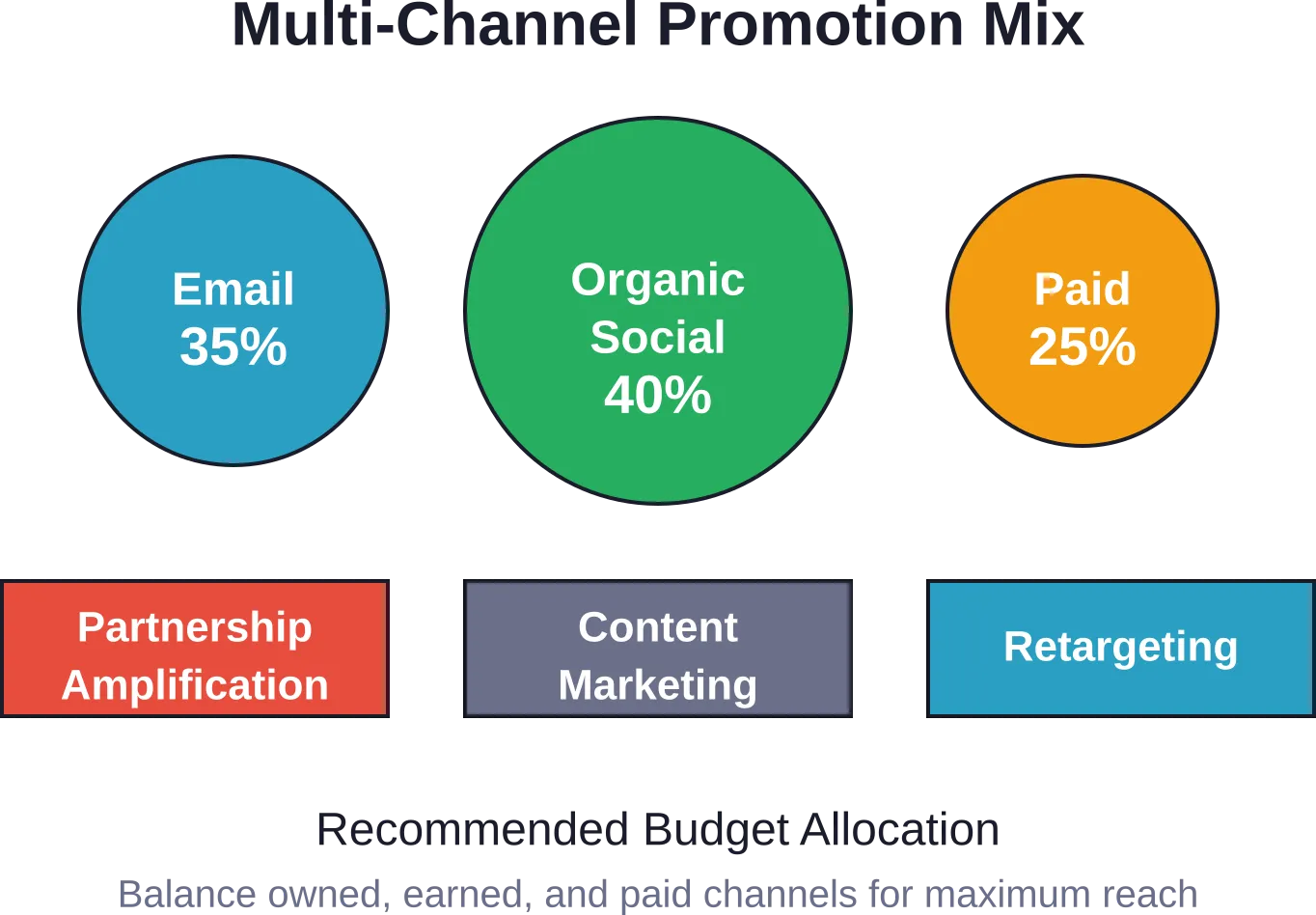
Structure promotional efforts across four distinct phases, each with specific tactics and messaging angles.
This stage focuses on building anticipation among core audiences. Announce the event through owned channels—email lists, social media profiles, and website banners. Partner outreach begins here, securing speakers and sponsors who'll amplify messaging through their networks.
Content marketing kicks into high gear. Publish preview articles, speaker interviews, and topic teasers that demonstrate value. This phase should answer the critical question: why should someone block time for this specific event?
Urgency messaging intensifies. Last-chance reminders, countdown campaigns, and social proof (registration numbers, testimonials from past events) push fence-sitters toward commitment. Email frequency increases but remains value-focused, not just reminder-heavy.
Shift from registration drives to attendance confirmation. Send login credentials, agenda highlights, and preparation tips. The goal here is reducing no-shows among confirmed registrants—a critical metric for virtual event success.
Social media works differently for event promotion than email. The audience isn't pre-qualified and attention spans are measured in seconds, not minutes.
LinkedIn excels for professional events. Post content that positions speakers as thought leaders, share industry insights related to event topics, and engage in relevant group discussions weeks before promotional messages begin. The algorithm rewards engagement over reach, so conversation-starting posts outperform announcement-heavy ones.
X (formerly Twitter) drives awareness through hashtag campaigns and speaker amplification. Create an event-specific hashtag and get speakers, sponsors, and early registrants using it. Live-tweeting speaker preparation moments or behind-the-scenes content builds anticipation.
Facebook and Instagram work for consumer-facing events or those with strong visual elements. Stories and Reels showing quick speaker tips or event previews capture attention better than static posts.
Encourage early registrants to share why they're attending. Offer incentives—free upgrades, exclusive resources, or recognition—for those who post about registration and tag the event.
The PCMA research on social proof indicates that people put more stock in what users and experts say about a brand than what the brand says about itself. A registrant explaining their decision to attend influences their network more effectively than another promotional post from the event account.
Make sharing easy by providing ready-made graphics, suggested copy, and clear hashtags. Reduce friction and participation increases.
Visual countdowns create urgency and maintain top-of-mind awareness. Post daily or weekly countdown updates highlighting different event elements: Day 30 features keynote speaker, Day 21 showcases breakout sessions, Day 14 reveals networking opportunities.
Each countdown post should stand alone as valuable content, not just reminder noise. Provide actionable tips, preview key insights, or share relevant resources that demonstrate the event's value proposition.
Extuitive helps teams review ad concepts before launching campaigns. The platform uses AI models to forecast likely performance, compare creative options, and support better decisions around messaging and targeting.
For virtual events, this can help when several registration, speaker, or audience-focused campaign ideas are ready, but only a few should go live first.
Extuitive can help with:
👉 Book a demo with Extuitive to review your ad ideas.
Content marketing extends beyond promotional messaging to establish authority and prime audiences for event topics.
Publish blog posts, podcast interviews, or video snippets featuring event speakers discussing topics they'll cover. This serves multiple purposes: demonstrates speaker expertise, previews event value, and creates shareable assets that reach new audiences through speaker networks.
Interview speakers about their biggest industry predictions or controversial takes related to the event theme. Controversy (when appropriate) drives engagement far better than bland consensus views.
Launch a content series that educates audiences on foundational concepts the event will build upon. For a virtual marketing conference, publish weekly articles on core topics each session will address.
This approach accomplishes two goals. First, it qualifies leads—people consuming pre-event content are genuinely interested in the subject matter. Second, it creates invested learners who've already spent time engaging with preliminary content and want to complete their education.
Quizzes, polls, and assessments generate engagement while collecting data about audience priorities.
A "What's your marketing challenge?" quiz that segments respondents by their biggest obstacle creates personalized event recommendations. Results show which sessions address their specific needs, making registration feel customized rather than generic.
Poll data collected through social media or email surveys can be shared as mini-reports: "We asked 500 marketers about their 2026 priorities—here's what they said." This positions the event as in tune with audience needs because it literally asked what they care about.
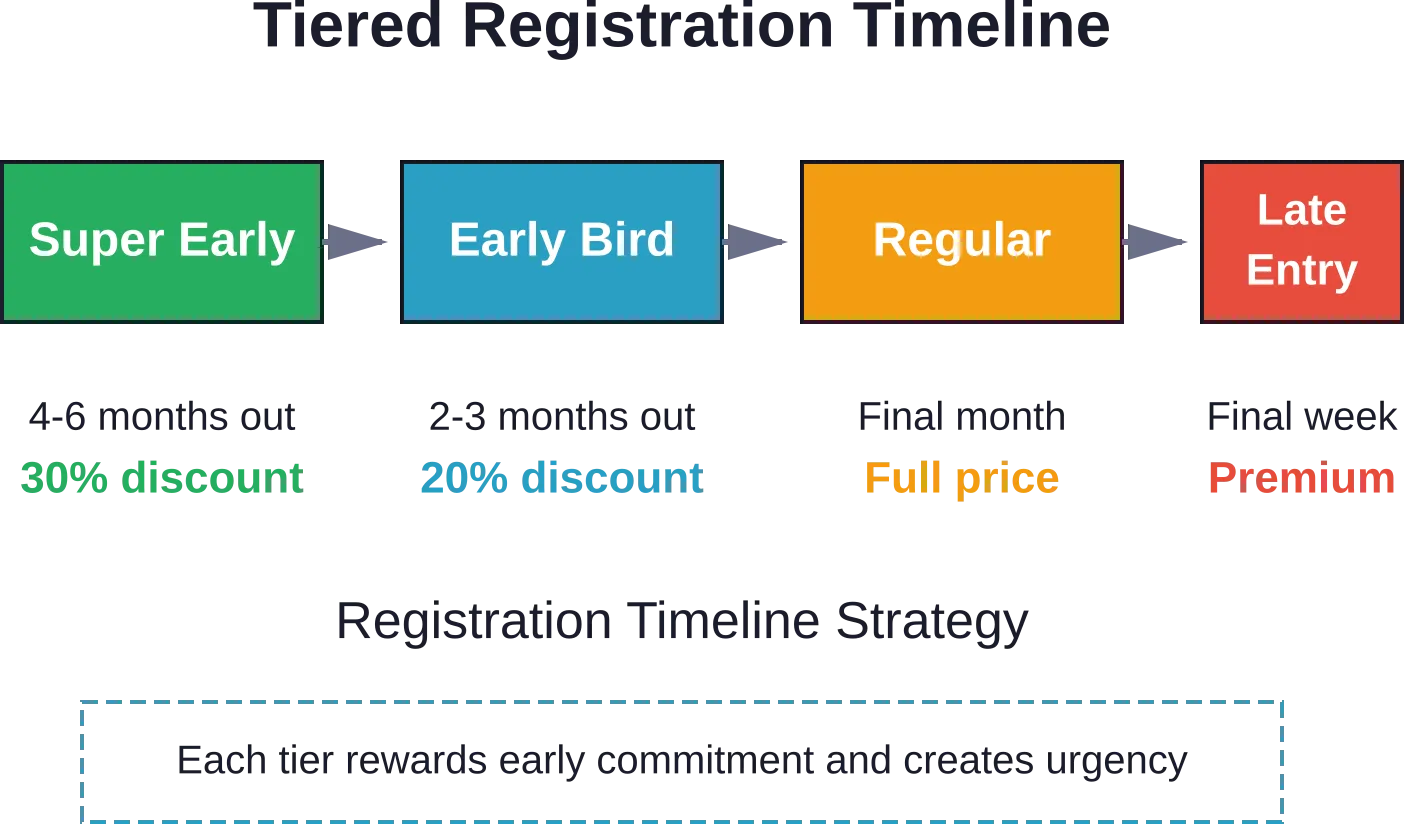
Even for free events, creating pricing tiers (or access levels) generates urgency and rewards early commitment.
Structure pricing in clear tiers: super early bird for those registering 4-6 months out, early bird for 2-3 months prior, regular pricing, and late registration. Based on competitor analysis, each tier should offer meaningful savings—typically 10-30% off the regular price for the earliest registrants.
For free events, tier benefits instead of pricing. Early registrants get exclusive pre-event content, priority access to breakout sessions, extended Q&A time with speakers, or downloadable resources not available to late registrants.
The psychological principle here is loss aversion. People hate missing out on deals they could have claimed. A countdown timer showing when the current pricing tier expires creates tangible pressure to act now rather than later.
Email remains the highest-converting channel for virtual event promotion. But generic blast invitations don't cut through inbox noise.
Send different messaging to different audience segments based on their relationship to the event topic and organization.
Past attendees receive nostalgia-based appeals highlighting what's new this year alongside familiar elements they loved previously. First-time prospects need more educational content explaining the format, typical outcomes, and what makes this event worth their time.
Job function segmentation allows tailored value propositions. C-suite invitations emphasize strategic insights and networking opportunities. Individual contributors hear about practical skills and tactical takeaways.
Build a core sequence that moves recipients from awareness to registration:
Introduce the event with a clear value proposition. Focus on outcomes, not just topics. What will attendees be able to do after participating that they can't do now?
According to PCMA research on event marketing, social proof significantly influences registration decisions. Share testimonials from past attendees, impressive speaker credentials, or registration momentum numbers.
Provide detailed agenda information, session descriptions, or a preview of key content. This email sells the substance, proving the event delivers genuine value.
Highlight approaching pricing tier deadlines, limited seats for interactive sessions, or registration numbers showing strong interest. Create fear of missing out without being manipulative.
Final reminder 48-72 hours before registration closes or pricing increases. Keep it simple, direct, and action-focused.
Subject lines determine whether emails get opened at all. Test these proven approaches:
Avoid spam triggers like all-caps, excessive punctuation, or manipulative language. Deliverability matters more than clever copy.
Partnering with the right voices multiplies promotional reach without multiplying budget.
Speakers have their own audiences who trust their recommendations. But speakers won't automatically promote without structure and support.
Provide promotional toolkits including pre-written social posts, email templates, graphics optimized for each platform, and tracking links that attribute registrations to specific speakers. Recognition matters—send speakers updates on how many registrations their promotion drove.
Incentivize speaker promotion through tiered benefits. Speakers who drive 50+ registrations unlock additional speaking time, exclusive audience access, or featured placement in event materials.
Professional associations constantly seek member benefits. Event access—especially at discounted or complimentary rates—provides tangible value associations can offer members.
Negotiate co-promotion agreements where associations share the event through newsletters and social channels in exchange for member discounts or free seats. This reaches highly qualified audiences already engaged in professional development.
Forget celebrity influencers with millions of followers. Micro-influencers (5,000-50,000 followers) often deliver higher engagement rates and more relevant audiences.
Research on virtual influencer effectiveness indicates that engagement metrics matter more than follower counts. Someone with 10,000 highly engaged followers in target industry drives better results than someone with 100,000 disengaged followers across broad topics.
Offer influencers complimentary VIP access in exchange for honest promotion. The key word is honest—authentic recommendations convert better than obvious paid promotions. Let influencers attend a preview session or speaker briefing, then share their genuine reactions.
Organic reach has limits. Strategic paid promotion extends audience beyond existing networks.
For professional events, LinkedIn's targeting capabilities outperform broader social platforms. Target by job title, seniority, industry, company size, and even specific companies.
Lead generation forms within LinkedIn reduce friction—pre-populated contact information means registration takes two clicks. This significantly improves conversion rates compared to driving traffic to external landing pages.
Budget allocation: Start with smaller test budgets ($500-1,000) testing different audience segments and creative approaches. Scale spending toward highest-performing combinations once data identifies winners.
Capture intent-driven searches from people already looking for events in the space. Target keywords like "[industry] virtual conference 2026" or "[topic] online workshop."
Search ads work best closer to event dates when urgency peaks and competition for attention intensifies. Someone searching "marketing automation webinar" is actively looking to register now, not browsing casually.
Most visitors won't register on their first exposure. Retargeting keeps the event visible across the web after initial awareness.
Segment retargeting audiences by behavior: someone who visited the landing page sees different messaging than someone who started registration but didn't complete. Abandoned registration attempts get aggressive urgency messaging. Casual browsers receive social proof and value reinforcement.
Frequency caps prevent ad fatigue. Showing the same ad 20 times breeds annoyance, not conversion. Limit impressions to 3-5 per person per week.
Traffic means nothing without conversion. Landing page design directly impacts registration rates.
Visitors decide within seconds whether to stay or bounce. Above-the-fold content must immediately communicate value.
Lead with a clear, benefit-focused headline. "Learn Advanced Data Analytics" is generic. "Master Predictive Analytics That Increase Revenue 40%" specifies the outcome and quantifies the benefit.
Display critical information without scrolling: event date and time (with timezone), duration, cost (or that it's free), and a prominent registration button.
Social proof belongs above the fold too. "Join 3,200 registered marketers" or "Featured speakers from Google, Adobe, and Salesforce" builds credibility instantly.
Every form field reduces conversion rates. Ask only for information actually needed for the event.
Minimum viable registration: name, email, maybe job title if segmentation matters. Everything else can be collected later through post-registration surveys or during the event itself.
Progressive disclosure works for multi-tier events. Initial registration captures basics. Attendees choosing premium tiers or specific breakout sessions answer additional questions contextually relevant to those choices.
First-time visitors need reassurance before submitting contact information. Build trust through:
Effective measurement identifies what's working and where to optimize.
Registration numbers are obvious but insufficient. Track the full funnel:
Multi-touch attribution is messy. Someone might see a LinkedIn post, ignore it, receive an email two weeks later, visit the landing page but not register, then convert after retargeting ad exposure.
Track both first-touch (what created initial awareness) and last-touch (what drove final conversion) attribution. Neither tells the complete story alone, but together they reveal which channels introduce prospects versus which close registrations.
Use UTM parameters consistently across all promotional links. This enables platform-specific performance tracking through analytics tools.
Continuous testing improves results over time. Test systematically:
Test one variable at a time. Changing headlines and CTA buttons simultaneously makes it impossible to identify which change drove results.
The final 48-72 hours before an event require specific tactics focused on converting fence-sitters and maximizing attendance from registered participants.
Last-minute promotion walks a fine line. Too aggressive and it signals poor planning or weak interest. Too passive and potential attendees forget or deprioritize.
Frame urgency around limited opportunities rather than empty seats: "Final chance to submit questions for the Q&A" or "Last day to access the networking directory" emphasizes what latecomers will miss rather than implying the event needs bodies.
Share real-time registration momentum. "500 marketers registered this week" demonstrates strong interest without sounding desperate. People gravitate toward popular events—social proof research consistently shows that popularity signals value.
Highlight recognizable registrants when possible (with permission): "Attendees from Microsoft, IBM, and Amazon have registered" leverages brand recognition to validate event quality.
Securing registrations doesn't guarantee attendance. Send strategic reminders:
72-hour reminder: Calendar add links, login instructions, what to prepare beforehand.
24-hour reminder: Agenda highlights, speaker previews, networking opportunities.
1-hour reminder: Direct event link, mobile access instructions, last-minute questions answered.
Each reminder should add value, not just repeat "don't forget." Share a speaker teaser video, preview a key slide, or offer a downloadable preparation checklist.
Marketing doesn't end when the event concludes. Post-event tactics serve multiple purposes: delivering value to attendees, converting no-shows, and building momentum for future events.
Send a thank-you email within 24 hours including recording access (if applicable), key slides or resources, and a brief survey. Strike while engagement is high—waiting a week means lower response rates.
Create micro-content from event highlights: pull memorable quotes from speakers, share surprising poll results, create short video clips of key moments. This content serves attendees seeking to revisit concepts and entices no-shows who missed out.
Registered attendees who didn't show still expressed interest. Send targeted follow-up offering on-demand access or highlighting what they missed.
"Here's what 800 marketers learned yesterday" frames the content around peer validation. Include specific takeaways and actionable insights to demonstrate concrete value, not just generic event recap.
One-off events leave engagement on the table. Create ongoing touchpoints: monthly webinar series, quarterly workshops, exclusive community access for past attendees.
Early announcements for next events convert best immediately after successful experiences. "Loved today's session? The advanced workshop is scheduled for August" captures enthusiasm while it's fresh.
Not every organization has extensive marketing budgets. These tactics deliver results without significant spending.
Instead of building audiences from scratch, tap into established communities. Participate authentically in industry forums, LinkedIn groups, Reddit communities, and Slack channels where target attendees already gather.
The key is value-first participation. Answer questions, share insights, and build credibility before ever mentioning an event. When promotion happens naturally as a resource recommendation rather than spam, conversion rates climb.
Team members and satisfied customers become promotional channels when properly enabled. Provide easy sharing tools and clear reasons why their networks would value the event.
Gamify advocacy with leaderboards showing who's driven the most registrations or engagement. Recognition motivates sharing, especially when paired with small incentives or exclusive perks.
Find complementary events or organizations serving similar audiences. Cross-promote to each other's lists—they mention your event, you mention theirs.
This works best with non-competing events scheduled at different times. A virtual marketing event in June can partner with a sales event in August. Audiences overlap but events don't compete directly.
Create searchable content around event topics. Blog posts optimized for relevant keywords drive organic discovery from people actively researching those subjects.
Event pages themselves should be SEO-optimized: descriptive titles, keyword-rich descriptions, structured data markup for events, and internal linking from related content. This costs time, not money, but compounds over multiple event cycles.
Knowing what not to do matters as much as knowing effective tactics.
Calendars fill up fast. Waiting until three weeks before the event leaves insufficient time to build awareness, consideration, and commitment. Professional audiences often plan schedules months in advance.
Even for smaller events, eight weeks of promotional runway provides better results than rushed last-minute campaigns.
"Join us for insights from industry leaders" says nothing. Every event claims industry leaders and insights. Specific, differentiated value propositions cut through noise.
"Learn the exact attribution model Salesforce uses to measure marketing ROI" is specific, credible, and actionable. Generic claims get ignored. Concrete promises get clicks.
Significant portions of email opens and social media engagement happen on mobile devices. Landing pages and registration forms that don't work seamlessly on phones lose conversions.
Test every element on actual mobile devices, not just browser emulators. Load times, form field usability, and button sizing all affect mobile conversion rates.
Registration is not commitment. The gap between registration and event day requires nurturing to prevent no-shows. Radio silence after registration leads to forgotten calendars and competing priorities taking precedence.
Plan a nurture sequence that maintains engagement: speaker spotlights, countdown reminders, preparation tips, sneak peeks of content. Keep the event top-of-mind without being annoying.
Virtual event marketing succeeds through strategic planning, multi-channel execution, and continuous optimization based on performance data.
The fundamentals remain consistent: start promotion early enough to build momentum, segment messaging for different audience groups, combine owned channels with earned and paid media, create urgency through tiered benefits or limited access, and measure everything to identify what drives results.
What separates successful campaigns from mediocre ones isn't just tactics—it's execution quality. Generic messaging gets ignored regardless of channel. Specific, benefit-focused value propositions cut through noise whether delivered via email, social media, or paid ads.
The virtual event landscape continues evolving. Audience expectations rise as production quality improves industry-wide. Marketing approaches that worked in 2020 feel outdated now. Staying current requires testing new tactics, analyzing performance data honestly, and adapting strategies based on results rather than assumptions.
Start planning the next virtual event marketing campaign with these proven strategies. Map out the promotional timeline, identify which channels reach target audiences most effectively, create content that demonstrates genuine value, and build measurement frameworks that reveal what's actually driving registrations.
The difference between empty virtual rooms and engaged audiences comes down to marketing execution. The tactics exist. The question is whether organizations will invest the strategic planning and consistent effort required to implement them effectively.


