Top Shopify Upsell Apps That Actually Boost Your Sales
Discover the top Shopify upsell apps that increase revenue, delight customers, and make adding extras to carts effortless.
Dec 29, 2025



Quick Summary: Successful automotive marketing in 2026 combines AI-powered customer engagement, data-driven digital strategies, and transparent pricing practices. Dealerships that focus on online reputation, social media presence, local SEO, and compliance with FTC regulations while leveraging automation tools see the highest conversion rates and customer satisfaction.
The automotive industry has moved past experimentation with new marketing tactics. What worked three years ago barely makes a dent today.
Modern car buyers research extensively online before setting foot in a dealership. The automotive industry is one of six industries where the majority of offline purchases are consistently preceded by online research, which includes looking at reviews.
Here's the thing though—dealerships can't rely on traditional advertising anymore. Digital channels, AI-powered communication, and strict regulatory compliance now define successful automotive marketing strategies.
According to the National Automobile Dealers Association (NADA), approximately 48% of dealerships were already using AI by early 2025. That number is projected to hit 70% by the end of 2026.
Ross Tinkham, vice president and general manager of automotive for Podium, stressed at the 2026 NADA Show that the industry has moved past experimenting with AI and into a phase where a well-planned strategy is crucial. "If you're not using AI, you should be starting today," Tinkham told attendees.
Dealership usage is expanding quickly, especially in variable operations such as sales communications, lead response and appointment setting.
AI tools handle customer inquiries 24/7, qualify leads automatically, and schedule appointments without human intervention. The technology responds to text messages, emails, and chat inquiries within seconds, not hours.
Real talk: customers expect instant responses. A dealership that takes three hours to reply to a website inquiry has already lost the sale to a competitor with automated lead response.
Digital channels dominate automotive marketing because that's where buyers spend their research time. The strategy isn't complicated—meet customers where they already are.
When someone searches "Toyota dealer near me" or "best used trucks," your dealership needs to appear in those results. Local search engine optimization ensures visibility for geographically relevant searches.
Google Business Profile optimization is non-negotiable. Complete profiles with accurate hours, photos, and regular posts rank higher. Customer reviews directly impact local search rankings, so review generation becomes part of the marketing strategy.
Paid search campaigns complement organic SEO efforts. Search engine marketing allows dealerships to bid on high-intent keywords like "buy Honda Civic" or "Ford F-150 lease deals." These ads capture shoppers actively looking to purchase.
Research shows that 80% of consumers are more likely to purchase a vehicle after interacting with a brand on social media. Additionally, 45% of shoppers utilize these platforms to research their next vehicle.
Facebook and Instagram remain the primary platforms for automotive marketing. Visual content performs best—vehicle photos, video walkthroughs, customer testimonials, and behind-the-scenes dealership content.
But wait. Social media isn't just about posting pretty pictures of cars. The platforms serve as customer service channels, lead generation tools, and community engagement spaces.
Targeted advertising on Meta platforms allows precise audience segmentation. Dealerships can target users by age, location, income level, interests, and even behaviors like "in-market for a vehicle."
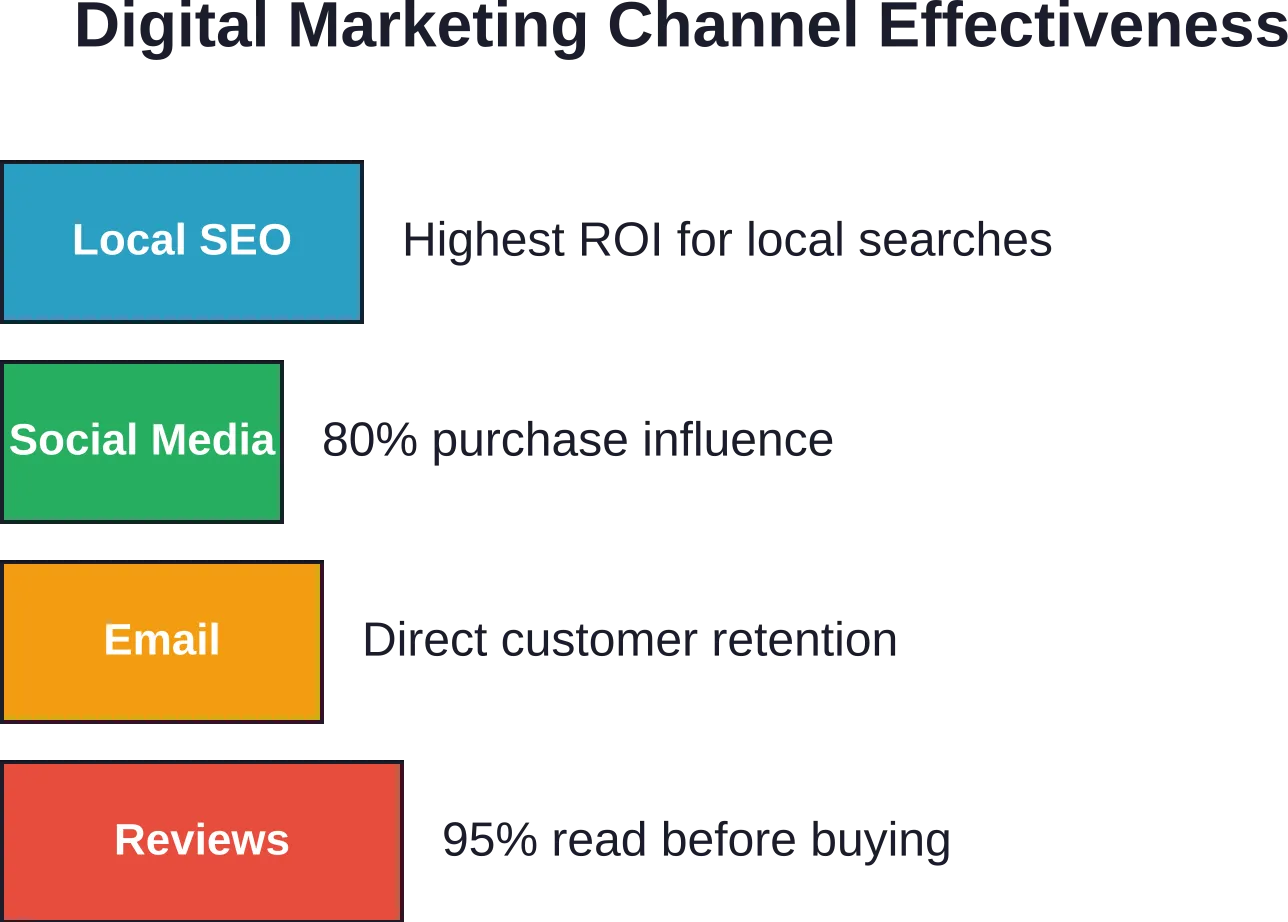
Email remains one of the highest-ROI marketing channels. Automated email sequences nurture leads through the buying journey without manual effort.
Segmented campaigns outperform generic blasts. Send different messages to first-time visitors, service customers, previous buyers, and hot leads based on their position in the sales funnel.
Service reminder emails keep customers returning to the dealership instead of independent mechanics. Lease-end notifications create trade-in opportunities. New inventory alerts reach buyers who browsed but didn't purchase.
Automotive marketing often moves fast around inventory shifts, financing campaigns, and local competition, which can make weak promotions costly once ads are already running. With Extuitive, businesses can assess campaign potential earlier using predictive advertising technology and AI consumer simulations rather than waiting for post-launch performance signals.
Before campaigns go live, Extuitive can help teams:
👉Book a demo with Extuitive and discover which automotive campaigns may be better positioned for scale before launch.
Online reviews make or break automotive marketing efforts. Research indicates that 95% of people read online reviews before making a purchasing decision.
Positive reviews build trust. Negative reviews that receive professional, helpful responses demonstrate customer service commitment. Ignored negative reviews signal that the dealership doesn't care about customer experience.
Review generation should be systematic, not random. Automate review requests after positive service experiences—immediately following a vehicle purchase or successful service appointment.
Respond to every review within 24 hours. Thank customers for positive feedback. Address concerns in negative reviews professionally and offer to resolve issues offline.
The short answer? Reviews directly impact local search rankings and conversion rates. A dealership with 200+ positive reviews will outrank and outsell a competitor with 50 reviews.
The Federal Trade Commission (FTC) has intensified automotive advertising oversight. On March 13, 2026, the FTC warned 97 auto dealership groups about deceptive pricing practices, stressing the need for truthful and transparent pricing in the automotive industry.
The Combating Auto Retail Scams (CARS) Rule targets bait-and-switch tactics and junk fees. Marketing materials must display accurate, transparent pricing without hidden charges.
Advertised prices must be clear and achievable. If a promotion requires specific qualifications (financing terms, trade-ins, loyalty programs), those conditions must be prominently disclosed.
Fuel economy advertising has specific guidelines. The FTC's Guide Concerning Fuel Economy Advertising for New Automobiles requires manufacturers and dealers to use fuel economy information truthfully in advertising.
And dealerships must also comply with the Gramm-Leach-Bliley Act and the FTC's Safeguards Rule regarding customer data security. Marketing automation platforms that collect customer information need proper data protection measures.
Non-compliance isn't just risky—it's expensive. Penalties, legal fees, and reputation damage far exceed the cost of implementing compliant marketing practices from the start.
Customer acquisition costs continue rising. Referral programs turn satisfied customers into unpaid marketing teams.
Cash reward programs incentivize referrals effectively. When a customer refers to someone who purchases a vehicle, both the referrer and the new customer receive a reward—typically $100 to $500 depending on the vehicle type.
Loyalty programs encourage repeat business. Service discounts for previous buyers, exclusive access to new inventory, and VIP treatment during visits create emotional connections beyond transactional relationships.
The data supports this approach. Research shows that 70% of consumers prefer brands that understand their needs. Personalized loyalty programs demonstrate that understanding.
Educational content positions dealerships as trusted advisors, not just salespeople. Buyers appreciate helpful information during their research phase.
Blog posts, how-to guides, and video tutorials answer common questions: "Should I buy or lease?", "How to maintain electric vehicle batteries," "What credit score do I need for auto financing?"
Video content performs exceptionally well. Vehicle walkthroughs, feature demonstrations, and comparison videos help buyers understand products without visiting the dealership.
Social media content ideas include employee spotlights that humanize the dealership, before-and-after detailing photos, customer testimonials, and educational posts about vehicle maintenance.
Staff favorites—where employees share which vehicles they'd choose and why—create authentic, relatable content. These posts perform better than generic product descriptions.
Not every website visitor is ready to buy immediately. Retargeting campaigns keep the dealership top-of-mind during the consideration phase.
Pixel-based retargeting tracks website visitors and displays relevant ads as they browse other websites and social media platforms. Someone who viewed Ford trucks sees Ford truck ads. Someone who abandoned a finance application receives ads highlighting easy approval processes.
Sequential retargeting tells a story across multiple ad exposures. The first ad highlights inventory, the second showcases financing options, the third offers a limited-time incentive.
Geofencing targets mobile users in specific geographic areas—competitors' dealerships, auto shows, service centers. When someone enters the geofenced zone, they receive targeted ads.
Marketing without measurement is guesswork. Analytics platforms track which campaigns generate leads, appointments, and sales.
Call tracking reveals which marketing channels drive phone inquiries. Form tracking shows which landing pages convert best. Attribution modeling identifies the customer touchpoints that contribute to sales.
Businesses using data analytics in their automobile industry marketing strategy can optimize performance through better campaign measurement and attribution.
Key performance indicators for automotive marketing include cost per lead, lead-to-appointment conversion rate, appointment-to-sale conversion rate, customer acquisition cost, and lifetime customer value.
Monthly performance reviews identify underperforming campaigns that need adjustment and high-performing tactics that deserve increased budget.
Technology enables virtual showroom experiences. Customers explore vehicle interiors, customize colors and features, and take virtual test drives from their homes.
Augmented reality apps let buyers visualize how a vehicle looks in their driveway using smartphone cameras. Virtual reality headsets provide immersive test drive experiences.
These technologies reduce friction in the buying process. Customers narrow down choices before visiting the dealership, making in-person visits more productive.
Generic marketing messages appeal to nobody. Segmentation divides the market into distinct groups with specific needs and preferences:
Automation platforms handle repetitive marketing tasks, freeing staff to focus on high-value activities like closing sales and building customer relationships.
Customer relationship management (CRM) systems track every customer interaction, schedule follow-ups, and ensure no leads fall through the cracks.
Marketing automation platforms send triggered email sequences, score leads based on engagement, and route hot prospects to sales teams immediately.
Chatbots answer common questions instantly, qualify leads through conversational interfaces, and schedule appointments without human intervention.
Social media management tools schedule posts across multiple platforms, monitor brand mentions, and facilitate customer service responses.
The days of opaque pricing are over. Modern buyers research prices extensively before contacting dealerships.
According to Bureau of Labor Statistics data, dealerships substantially increased markups during the 2020-22 economic expansion, contributing to new-vehicle consumer inflation.
These markup increases created customer distrust. Transparent pricing rebuilds that trust.
Online pricing tools let customers build and price vehicles with desired features. No-haggle pricing eliminates negotiation stress. Clearly itemized fees show exactly what customers pay.
Value communication goes beyond price. Highlight total cost of ownership, fuel efficiency, safety ratings, warranty coverage, and included services.
Strategic partnerships expand marketing reach without proportional budget increases.
Insurance companies, finance providers, aftermarket accessory dealers, and local businesses create cross-promotion opportunities. A dealership and an insurance agency can refer customers to each other.
OEM (original equipment manufacturer) co-op advertising programs provide funding for local marketing efforts. Manufacturers supply creative assets, marketing templates, and partial budget support.
Event sponsorships build community presence. Supporting local sports teams, charity events, and community festivals puts the dealership brand in front of local audiences.
The automotive marketing landscape continues evolving. Dealerships that anticipate trends gain competitive advantages.
Voice search optimization matters as smart speakers and voice assistants become primary search tools. Queries like "find car dealerships near me" require natural language optimization.
Subscription-based vehicle access models challenge traditional ownership. Marketing messages must adapt to promote flexibility and convenience alongside ownership benefits.
Sustainability messaging resonates with younger buyers. Electric vehicle infrastructure, eco-friendly dealership operations, and carbon offset programs become marketing differentiators.
Privacy-first marketing adapts to stricter data regulations and cookie deprecation. First-party data collection through website interactions and direct customer relationships becomes more valuable.
Successful automotive marketing in 2026 requires integration across multiple channels. Digital tactics, AI automation, compliance practices, and customer-focused strategies work together to attract and convert modern buyers.
The dealerships that thrive focus on transparency, responsiveness, and genuine value delivery. Technology enables efficiency, but authentic customer relationships still drive long-term success.
Start with foundational elements—local SEO, review management, and compliant advertising. Add AI-powered communication tools to scale customer engagement. Layer in sophisticated tactics like retargeting, content marketing, and data analytics as resources allow.
Now's the time to evaluate current marketing performance and identify gaps. The competitive advantage goes to dealerships that implement these strategies today, not someday.
Ready to transform your automotive marketing? Begin with one channel, measure results, optimize based on data, and expand systematically. The buyers are online right now, researching their next vehicle. Make sure they find your dealership first.


