Best Dropshipping Apps Worth Knowing Right Now
A curated list of popular dropshipping apps and platforms - what’s out there, who they’re built for, and why they keep showing up in real stores.
Apr 15, 2026



Quick Summary: Car salesmen can dramatically boost their sales by combining digital marketing strategies (social media engagement, local SEO, targeted email campaigns) with proven offline tactics (community events, referral programs, personalized follow-ups). The most effective approach blends relationship-building through authentic content and customer reviews with data-driven advertising and dealership event marketing that creates urgency and excitement around inventory.
The automotive sales landscape has shifted dramatically. Gone are the days when car salesmen could rely solely on walk-in traffic and traditional advertising.
Today's successful car salesmen blend digital marketing savvy with time-tested relationship-building tactics. The challenge? Cutting through the noise when buyers have already researched vehicles online before stepping onto the lot.
But here's the opportunity—most car salesmen still aren't leveraging the full spectrum of marketing strategies available to them. That gap represents your competitive advantage.
Before diving into specific marketing ideas, it's critical to understand how automotive buyers behave today.
The purchase journey now starts weeks or months before a buyer visits a dealership. They're comparing models, reading reviews, checking pricing, and narrowing options—all from their couch.
Marketing professors from UT Dallas analyzed survey data on automobile purchases and found that consumers allocate significant time between internet sources and offline sources like car dealerships. This split attention means car salesmen must establish presence and credibility across multiple channels.
Real talk: if potential buyers can't find you online, they won't find you at all. And if they do find you but don't trust you, they'll move to the next salesman who's built that digital credibility.
Let's start where most of your buyers start—online. These digital marketing ideas create visibility and capture interest before prospects ever visit your dealership.
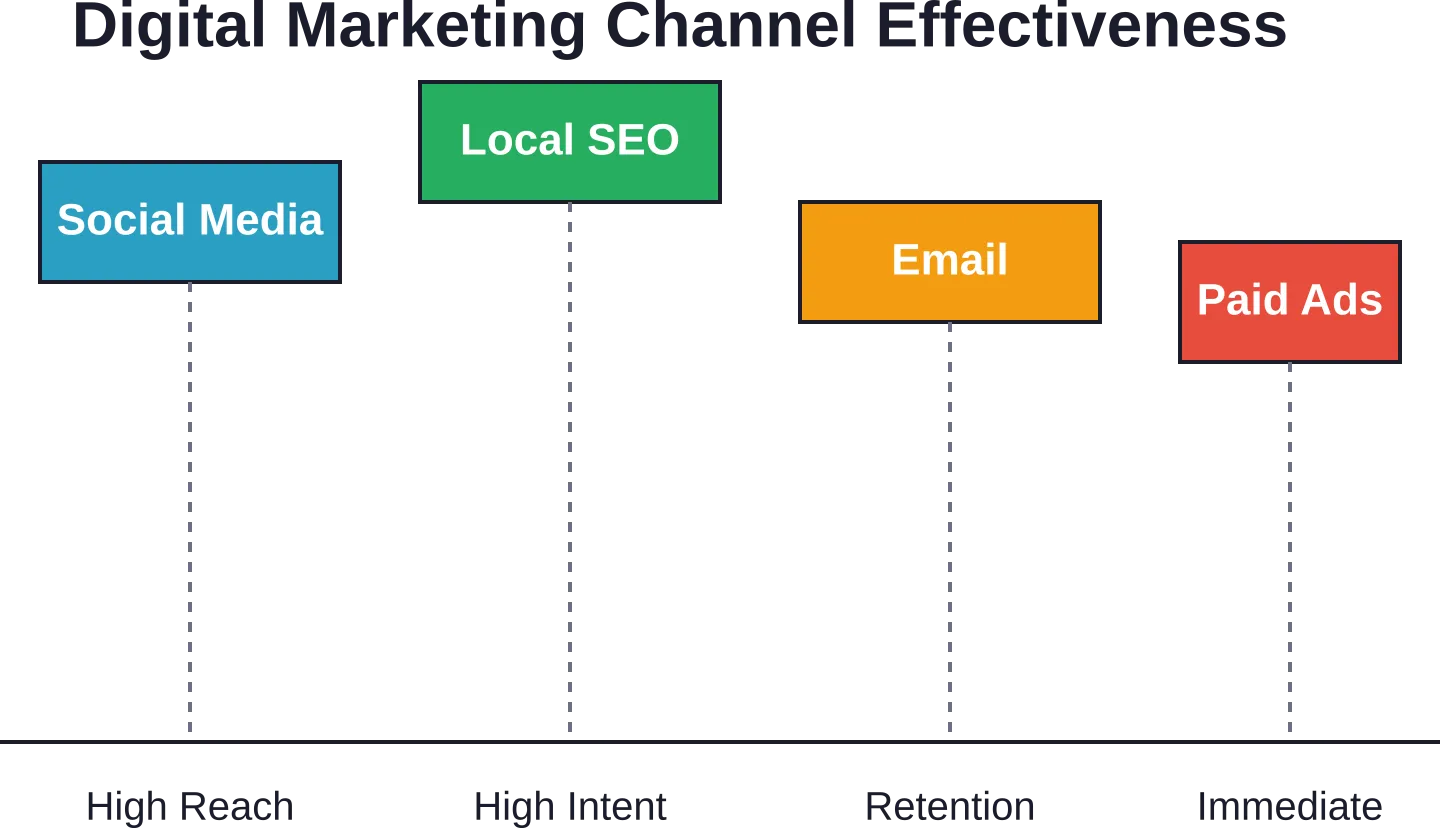
Social media isn't just for dealerships anymore. Individual car salesmen who build authentic personal brands consistently outperform those who don't.
Focus on platforms where your target buyers spend time. For most automotive sales, that means Facebook for a broad demographic, Instagram for younger buyers, and LinkedIn for business vehicle sales.
Post content that builds trust rather than constantly pitching sales. Share behind-the-scenes looks at your dealership, highlight customer success stories (with permission), and provide genuine value through tips on vehicle maintenance, financing options, or market trends.
The key? Consistency beats perfection. Regular posts that show your personality and expertise will outperform sporadic, overly polished content that feels corporate.
When buyers search for "car dealerships near me" or "best used cars in [city]," local SEO determines whether they find you or your competitor.
Start with claiming and optimizing your Google Business Profile. Ensure your contact information is accurate, add high-quality photos of your dealership and inventory, and actively encourage satisfied customers to leave reviews.
Search visibility drives dealership traffic more than most salesmen realize. Focus on local keywords that match how buyers in your area actually search.
Create location-specific content on your dealership website or personal blog. Write about local automotive events, community involvement, or how specific vehicles perform in your region's climate and terrain.
Online reviews function as digital word-of-mouth—and they're just as powerful.
According to community discussions among car salesmen, building trust with online reviews directly correlates with increased lead conversion. Buyers read reviews before deciding which salesman to contact.
Don't just collect reviews passively. After a successful sale, ask satisfied customers to share their experience on Google, Facebook, or automotive-specific review platforms. Make it easy by sending them direct links.
Here's what matters more than the number of reviews: recency and response. A dozen recent reviews with thoughtful responses to both positive and negative feedback signals active engagement and customer care.
When you receive a negative review, respond professionally and offer to make things right. Prospective buyers watching how you handle criticism often become more confident in choosing you.
Organic social media builds long-term relationships. Paid social media advertising captures immediate attention from high-intent buyers.
Post customized social media ads that target specific demographics, geographic areas, and interests. Facebook and Instagram ads allow incredibly granular targeting—you can reach people who've recently searched for vehicles, visited automotive websites, or shown interest in specific makes and models.
Test different ad formats. Carousel ads showcase multiple vehicles in one ad. Video ads demonstrate features and build emotional connection. Lead form ads capture contact information without requiring users to leave the platform.
Start with a modest budget and scale what works. Even spending a few hundred dollars monthly on targeted advertising can generate significant lead volume when campaigns are properly optimized.
Social media videos are one of the most powerful engagement tools available to car salesmen. They humanize the sales process and build trust before the first conversation.
Videos don't need Hollywood production value. Smartphone videos shot on the dealership lot perform exceptionally well when the content provides genuine value.
Create how-to tutorials showing buyers how to evaluate used car condition, understand financing terms, or compare trim levels. Feature new inventory with walkaround videos highlighting key features and specifications.
Employee spotlights introduce your sales team and humanize the dealership. These personal introductions reduce buyer anxiety about the car-buying process.
Keep videos short—under two minutes for most content. Longer deep-dives work for detailed vehicle reviews, but quick tips and inventory highlights perform best when concise.
Email marketing remains one of the highest-ROI channels for car salesmen, particularly for nurturing leads and retaining past customers.
Capture interest through an email newsletter that provides value beyond sales pitches. Share automotive industry news, maintenance tips, financing updates, or upcoming inventory arrivals.
Segment your email list based on where contacts are in the buying journey. New leads receive educational content about the car-buying process. Past customers get service reminders, trade-in opportunities, and referral incentives.
Personalization dramatically increases email performance. Use names, reference their vehicle interests, and tailor content to their specific needs rather than blasting generic messages to everyone.
The Federal Trade Commission provides clear guidelines for automotive marketing communications under the CARS Rule, which targets deceptive practices. Ensure all pricing, financing, and promotional claims in email campaigns are truthful and transparent.

A lot of dealership campaigns rely on the same financing offers and sales messaging, which makes weak promotions difficult to spot before ads start spending budget. Instead of waiting for campaign data after launch, Extuitive uses predictive advertising systems and AI consumer simulations to surface stronger promotional concepts earlier.
Using Extuitive provides you with ability to:
👉Book a demo with Extuitive and find out which dealership campaigns may be worth pushing harder.
Digital strategies cast a wide net. Local community engagement creates deeper connections that turn neighbors into customers and advocates.
Dealership events create excitement, drive foot traffic, and generate leads while strengthening community ties.
Consider these automotive event marketing ideas that work year-round:
Events generate immediate leads and long-term brand recognition. Even attendees who aren't ready to buy remember the positive experience when they eventually enter the market.
Document events through photos and videos, then share across social media channels. This content extends the event's reach and demonstrates community involvement to those who couldn't attend.
Partnerships with complementary local businesses create mutually beneficial referral networks.
Connect with insurance agents, real estate professionals, mechanics, and financial advisors who regularly encounter people needing vehicles. Offer referral incentives that reward partners for sending business your way.
Many successful car salesmen report that referred customers close at higher rates and become better long-term relationships because they arrive with built-in trust from the referral source.
Formalize partnerships with clear terms about how referrals work, what incentives apply, and how both parties benefit. Written agreements prevent misunderstandings and ensure consistent follow-through.
Past customers represent the most valuable source of new leads. Satisfied buyers already trust the dealership and will enthusiastically refer friends and family—if incentivized properly.
According to industry practices, some dealerships offer referral incentives that reward both the referring customer and the new referred customer. This creates powerful motivation for customers to actively promote the dealership within their networks.
The referral program doesn't need to be complex. Create simple mechanics: when a referred customer mentions the referrer's name and completes a purchase, both parties receive their reward.
Promote the referral program consistently. Include details in post-purchase follow-ups, display signage in the dealership, mention it in service reminders, and feature it prominently on social media.
Content marketing positions car salesmen as trusted advisors rather than pushy sellers. This shift dramatically improves lead quality and conversion rates.
Regular blog content improves search visibility while demonstrating expertise that builds buyer confidence.
Write step-by-step guides that educate buyers on complex topics: how to negotiate the best deal, understanding total cost of ownership, choosing between leasing and financing, or preparing a vehicle for trade-in.
Create content round-ups that share the best automotive resources online. Curating valuable content from across the industry positions the salesman as a helpful guide rather than just a seller.
Compare cars in best-of lists that help buyers make informed decisions. "Best Family SUVs Under $40,000" or "Top Fuel-Efficient Sedans for 2026" attracts high-intent traffic from buyers narrowing their options.
Before and after photos showcase vehicle transformations—detailing work, reconditioning, or upgrades. Visual content converts browsers into interested prospects.
Authentic vehicle reviews from the sales team carry more weight than generic manufacturer descriptions.
Have team members share their genuine opinions about vehicles on the lot. What do they love? What surprised them? Who is the ideal buyer for this particular car?
Staff favorites humanize inventory while helping buyers envision themselves in specific vehicles. These personal touches create emotional connections that move browsers toward purchase decisions.
Film short review videos or write detailed blog posts. Both formats work—choose what feels most natural and sustainable for consistent content creation.
Case studies and testimonials provide social proof that reduces buyer anxiety and builds confidence.
After successful sales, ask permission to feature the customer's story. Document their needs, how the sales process addressed those needs, and their satisfaction with the chosen vehicle.
These stories work across multiple channels: blog posts, social media updates, video testimonials, and email campaigns. Repurpose content to maximize the value of each customer story.
Real buyers describing real experiences carry infinitely more persuasive power than any marketing copy could achieve.
Proactive prospecting separates top-performing car salesmen from those waiting for leads to arrive.
The service department sees customers regularly—many driving aging vehicles that will soon need replacement.
Coordinate with service advisors to identify customers with high-mileage vehicles, expensive upcoming repairs, or frequent service visits. These situations often trigger new vehicle purchases.
Approach service customers with value rather than aggressive sales tactics. Offer complimentary trade-in appraisals or information about current incentives on models that match their needs.
Service-to-sales conversion requires finesse. The goal is providing helpful information at the right time, not pressuring customers during routine maintenance visits.
Most car salesmen give up on prospects too quickly. Persistence—done correctly—generates sales that competitors miss.
Implement a structured follow-up system that maintains contact without becoming annoying. Touch base monthly with valuable information: new inventory matching their criteria, financing rate changes, or relevant automotive news.
Personalize every interaction based on previous conversations. Reference specific vehicle preferences, budget considerations, or timing issues they mentioned. This attention to detail demonstrates care and professionalism.
CRM systems make systematic follow-up manageable. Track all prospect interactions, set reminders for future contact, and note important details that inform future conversations.
Major life changes often trigger vehicle purchases: marriages, new babies, relocations, job changes, or empty nesters downsizing.
Monitor local announcements, LinkedIn updates, and community news for signals that someone might need a different vehicle. Reach out with congratulations and a low-pressure offer to discuss how vehicle needs might have changed.
This approach requires social intelligence and restraint. The outreach must feel genuinely helpful rather than opportunistic.
Strategic promotions drive action by creating compelling reasons to buy now rather than later.
Scarcity and urgency are powerful psychological motivators that overcome buyer procrastination.
Create legitimate limited-time offers on specific inventory or financing terms. "This weekend only" promotions or "first five buyers" incentives generate immediate traffic.
The Federal Trade Commission emphasizes truthful and transparent pricing in automotive retail. Ensure all promotional claims are genuine and comply with the CARS Rule that prohibits deceptive advertising practices.
Promote flash sales aggressively across all channels: email blasts, social media posts, text messages to your contact list, and signage at the dealership. Multi-channel promotion maximizes awareness and response.
Holiday seasons present natural opportunities for themed automotive marketing campaigns.
Presidents' Day, Memorial Day, Fourth of July, Labor Day, and year-end clearance events are established automotive sales traditions that buyers expect and respond to.
Create unique angles that differentiate your promotions from every other dealership running similar campaigns. Enhanced trade-in values, exclusive financing rates, or special packages add distinctiveness.
Theme marketing materials around the holiday while keeping focus on genuine value propositions rather than just decorative elements.
Social engagement ideas like contests and giveaways expand reach while collecting leads and building excitement.
Run social media contests that require minimal entry effort: comment on a post, share content, tag friends, or submit photos. Keep mechanics simple to maximize participation.
Prize selection matters. Vehicle-related prizes (free oil changes, detailing services, accessories) attract qualified automotive-interested participants. Generic prizes attract everyone but generate fewer qualified leads.
Collect contact information from contest entries to build your marketing database. Ensure compliance with contest laws and clearly communicate official rules, privacy practices, and how winner selection works.
Marketing effectiveness multiplies when combined with strong sales fundamentals and continuous skill development.
The National Automobile Dealers Association (NADA) offers Professional Series Sales Management training. The program includes four instructional modules covering department-focused training and leadership development with a program fee of $2,995.
NADA Academy is a year-long program with a program fee of $14,995 designed for current and future dealership leaders. The curriculum covers financial management, parts, service, inventory & marketing, sales management, and business leadership, with six instructional modules offered in in-person or live online formats.
Invest in professional development consistently. The automotive retail landscape evolves rapidly, and staying current on best practices, compliance requirements, and emerging technologies maintains competitive advantage.
Join industry associations, attend conferences like the NADA Show, participate in training seminars, and engage with online communities where automotive sales professionals share strategies and insights.
Marketing effectiveness means nothing if tactics violate regulations or damage long-term reputation.
The Federal Trade Commission provides extensive guidance for automobile dealers on advertising, pricing, privacy, and customer data protection. The FTC's Safeguards Rule requires specific data security measures for dealers handling consumer financial information.
Recent FTC actions emphasize the importance of transparent pricing. In March 2026, the FTC warned auto dealership groups about deceptive pricing practices, stressing the need for truthful advertising in the automotive industry.
Build marketing strategies on honest claims, transparent pricing, and genuine value delivery. Short-term gains from deceptive practices inevitably lead to customer dissatisfaction, negative reviews, regulatory problems, and damaged reputation.
Ethical marketing isn't just about avoiding legal problems—it's about building sustainable businesses based on trust and customer satisfaction.
Tracking performance separates guesswork from strategic decision-making.
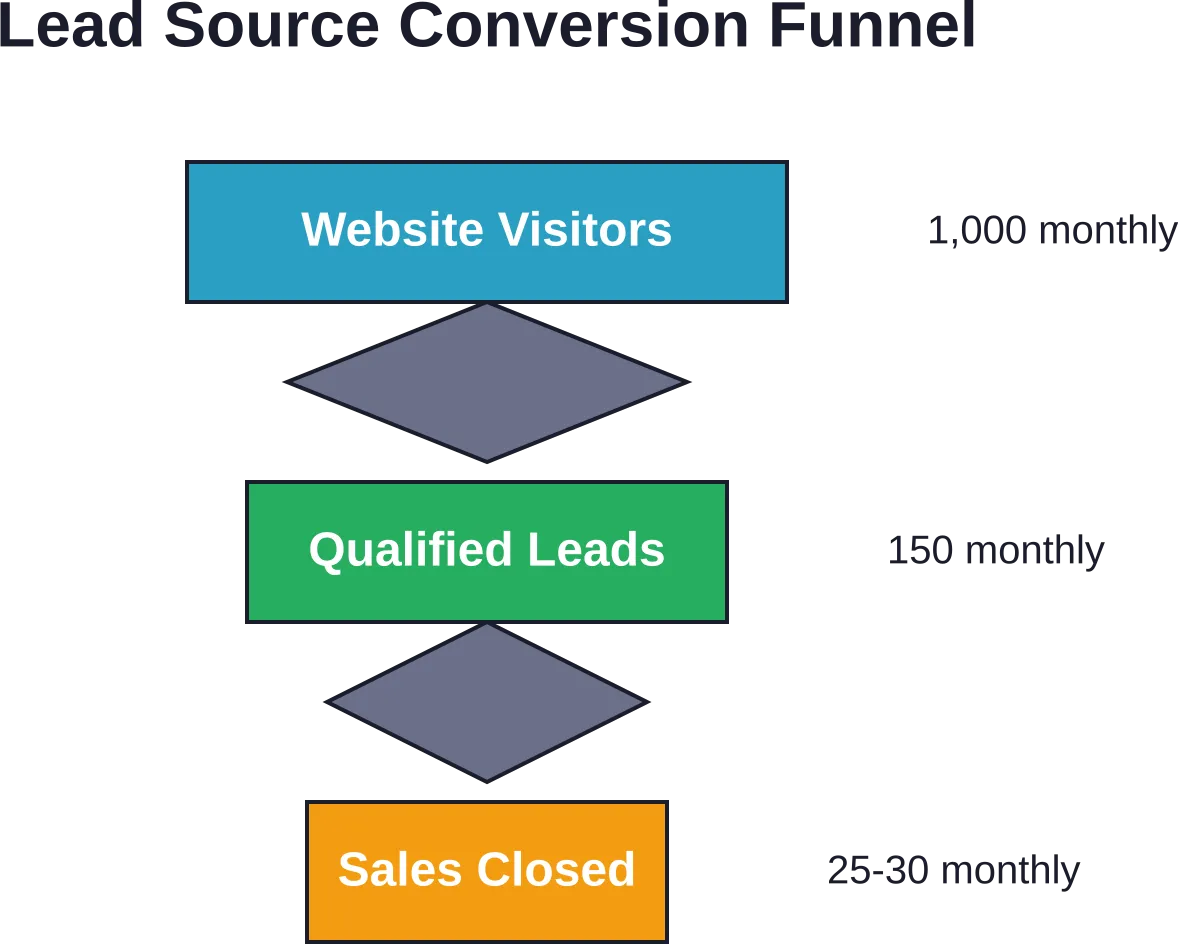
Establish clear metrics for each marketing channel: website traffic sources, lead conversion rates by source, cost per lead, sales closing rates, customer acquisition cost, and lifetime customer value.
Use CRM systems and analytics tools to track which marketing activities generate the most valuable leads. Double down on what works and eliminate what doesn't.
Regular performance analysis reveals patterns: which social media content drives engagement, what email subject lines get opened, which events generate the most qualified leads, and what follow-up timing optimizes conversions.
Set specific, measurable goals for each marketing initiative. "Increase social media engagement" is vague. "Generate 50 qualified leads from Facebook advertising in Q2" is actionable and measurable.
One-off marketing tactics generate temporary results. Systematic approaches build momentum and compound over time.
Develop a marketing calendar that schedules activities consistently throughout the year. Plan content creation, social media posting, email campaigns, events, and promotions in advance.
Batch similar activities to improve efficiency. Record multiple videos in one session. Write several blog posts at once. Create a month of social media content in advance.
Automate repetitive tasks wherever possible. Email sequences, social media scheduling, follow-up reminders, and review requests can run automatically with proper systems in place.
Consistency matters more than perfection. Regular marketing presence keeps the dealership and salesman top-of-mind when buyers enter the market.
The automotive market shifts constantly—economic conditions, interest rates, consumer preferences, technology, and competition all evolve.
Successful car salesmen stay informed about industry trends and adjust marketing strategies accordingly. Subscribe to automotive trade publications, follow industry leaders, and participate in professional communities.
When market conditions change—interest rate spikes, inventory shortages, new competitors, or economic uncertainty—reassess marketing messages and tactics to address current buyer concerns.
Flexibility and responsiveness separate thriving salesmen from those struggling with outdated approaches.
Effective marketing for car salesmen isn't about implementing every tactic mentioned here—it's about selecting strategies that align with personal strengths, target market characteristics, and available resources.
Start with foundational elements that deliver consistent results: optimize local search presence, build social media credibility, implement systematic follow-up processes, and establish referral mechanisms. These core strategies generate steady lead flow.
Layer in advanced tactics as capacity allows: content creation, paid advertising, community events, and partnership development. Each additional marketing channel compounds the effectiveness of others.
The automotive sales profession rewards those who combine genuine relationship-building with strategic marketing execution. Buyers appreciate salesmen who educate rather than pressure, who maintain consistent presence without being intrusive, and who deliver transparent value throughout the purchase journey.
Track results rigorously. Measure what works, eliminate what doesn't, and continuously refine the approach based on data rather than assumptions.
Now's the time to implement these marketing ideas systematically. Choose three strategies to focus on this month. Master those fundamentals, then expand to additional tactics. Consistent execution beats perfect planning every time.
The dealership down the street is already implementing these strategies. Your future customers are searching online right now. The question isn't whether marketing matters for car salesmen—it's whether individual salesmen will embrace modern marketing strategies or cede competitive advantage to those who do.


