How to Delete a Shopify Account Without Losing Control
A clear guide on how to delete your Shopify account, what happens to your data, and what to check before closing your store for good.
Jan 6, 2026



Quick Summary: Storage facilities can achieve higher occupancy and revenue through a combination of digital marketing (Google Business Profile optimization, local SEO, paid ads), community engagement (local partnerships, events, grassroots campaigns), and facility-level improvements (enhanced signaling, referral programs, reputation management). The most effective strategies focus on local visibility, since location-based searches drive the majority of self-storage rentals.
The self-storage market won't disappear anytime soon. People accumulate belongings, businesses need overflow space, and life transitions create constant demand.
But here's the thing: demand alone won't fill your facility. Competition has intensified, and customers have more choices than ever.
Marketing makes the difference between 60% occupancy and 95% occupancy. The right strategies put your facility in front of potential renters at exactly the moment they're searching for storage solutions.
This guide covers marketing ideas that actually work for storage facilities—strategies grounded in real data, not guesswork. Some require budget. Others cost nothing but time and consistency.
Storage isn't an impulse purchase. It's a solution to a specific, often urgent problem.
Someone downsizing after a divorce doesn't browse storage options for fun. A college student moving between apartments needs a unit this week, not next month. A small business owner running out of inventory space wants something close and affordable.
This creates unique marketing challenges. The purchase cycle is short but high-intent. Location matters enormously—most renters won't drive more than 10 minutes out of their way. And trust plays a bigger role than in many industries, since customers are literally handing over their possessions.
Traditional brand-building campaigns rarely move the needle for storage facilities. Local visibility, convenience signals, and immediate availability drive conversions.
Before spending a dollar on advertising, get this right.
According to data from industry sources, 97% of people use a search engine to find local businesses. Without a properly optimized Google Business Profile (GBP), search engines may not display your facility even if someone's standing across the street.
Your GBP is the single biggest source of online rentals for self-storage businesses. Over 90% of shoppers check reviews before making decisions, and your GBP is where those reviews live.
Complete every section. Partial profiles get buried in search results.
Reviews aren't passive. They're earned through systematic requests.
Train staff to ask satisfied customers for reviews during the rental process. Not aggressively—casually. "If you're happy with your experience, we'd really appreciate a Google review." Timing matters. Ask within the first week, when the positive impression is fresh.
Make it easy. Send a follow-up email with a direct link to your review page. Include simple instructions for first-time reviewers.
Respond to every review, positive and negative. Positive reviews deserve thanks and acknowledgment. Negative reviews require professional, solution-oriented responses that demonstrate you care about customer experience.
Never buy reviews. Search engines detect patterns and will penalize your listing. Authentic reviews from real customers outperform fake ones anyway, since they include specific details that build trust.
Organic visibility takes time. Paid ads deliver immediate traffic.
But storage facility advertising requires precision. Broad campaigns waste money on low-intent clicks.
Start by defining campaign goals clearly. Are you filling a newly built facility? Boosting occupancy during slow season? Promoting specific unit types?
Target bottom-of-funnel keywords: "storage units available now," "cheap storage near [location]," "climate controlled storage [city]." These phrases signal immediate intent.
Avoid top-of-funnel terms like "storage tips" or "how much storage do I need." Those searches aren't ready to rent yet.
Use location extensions to display your address and distance directly in ads. Add callout extensions highlighting "24-Hour Access," "Month-to-Month Leases," or "First Month Free."
Set geographic targeting tightly. A 10-mile radius captures most potential customers without wasting budget on searchers too far away.
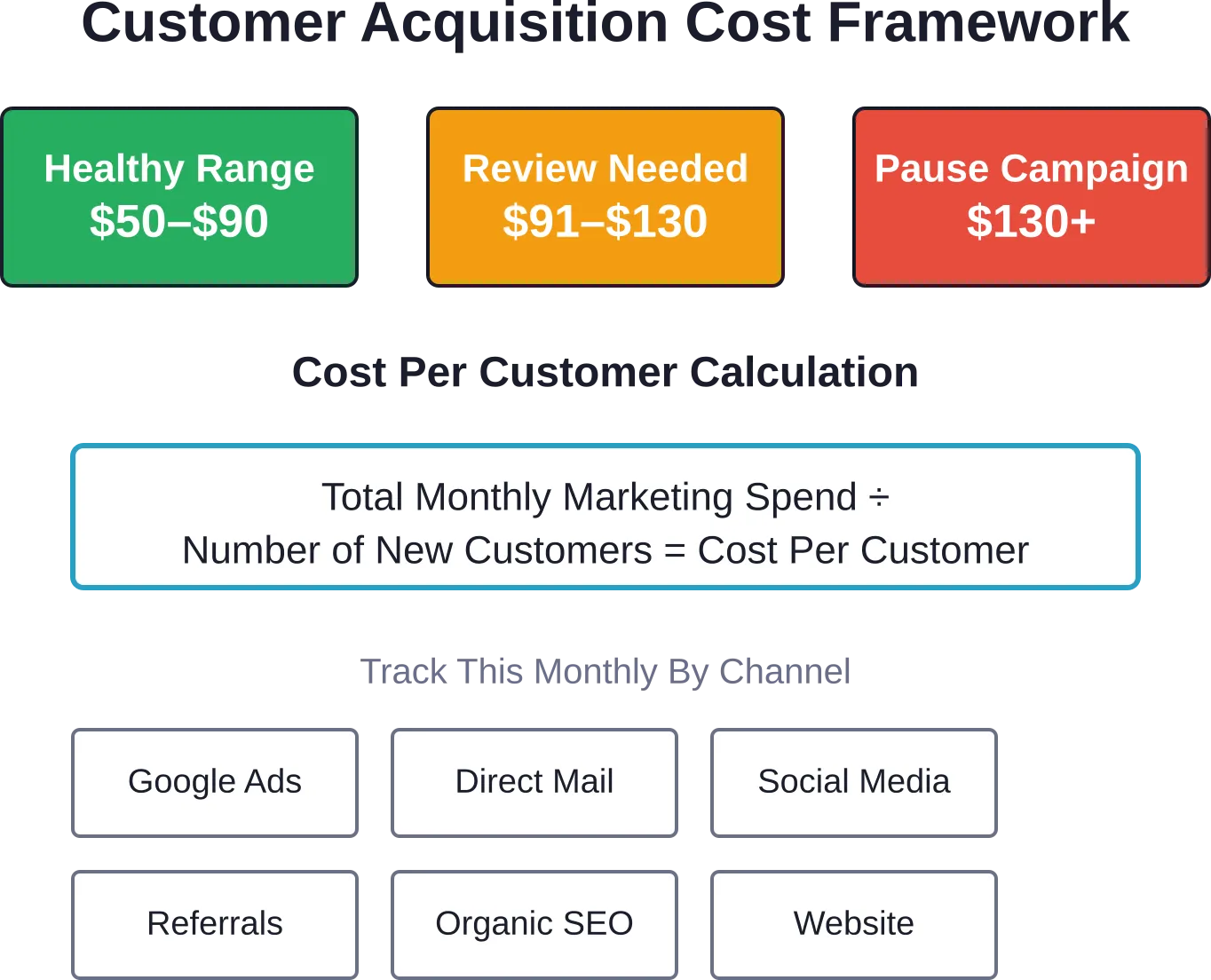
Track cost per customer acquisition relentlessly. In most markets, a healthy cost per customer falls between $50 and $90, according to industry sources. If your Google Ads campaigns exceed that range, pause and optimize before scaling spending.
Social media ads rarely convert directly for storage. But they build awareness and retargeting pools.
Create campaigns targeting people who recently moved, changed relationship status, or live within 5 miles of your facility. Facebook's targeting allows surprising precision.
Use carousel ads showcasing different unit sizes, security features, and customer testimonials. Video performs well—short clips of clean, well-lit facilities with clear security measures.
Set up retargeting pixels on your website. When someone visits your site but doesn't rent, show them ads for the next 30 days reminding them of your facility and any current promotions.

Extuitive helps businesses predict which ads are more likely to get clicks and conversions before launch. It can test creative options at scale, compare them against performance signals, and help teams avoid putting budget behind weak ideas.
For storage facilities, this can support local, unit availability, moving, or offer-based campaigns without making every concept a paid test.
Extuitive can help with:
👉 Book a demo with Extuitive to review your ad ideas.
Most storage operators ignore content. That's the opportunity.
Content builds authority, captures earlier-stage searches, and provides material to share across other channels.
Write about storage-adjacent problems your target customers face.
Downsizing guides for retirees moving to smaller homes. Packing tips for college students. Inventory management advice for small business owners. Seasonal storage strategies for RV and boat owners.
Each post targets different customer segments at different stages of awareness. Someone researching "how to downsize a 4-bedroom house" isn't ready to rent yet, but they will be in three months. When they are ready, they'll remember the helpful facility that published that guide.
Include calls-to-action naturally. "If you need temporary storage during your downsizing process, [Facility Name] offers flexible month-to-month leases and climate-controlled units to protect your belongings."
Optimize every post for SEO. Use descriptive headings, include location keywords where natural, add alt text to images, and link to relevant service pages on your site.
Video solves the trust problem better than text.
Create facility tours showing well-lit hallways, clean units, and security features. Seeing the actual space reduces anxiety about leaving valuable possessions there.
Film packing tutorials, moving tips, or "what size unit do you need" guides. These provide value while subtly promoting your expertise.
Customer testimonial videos outperform written reviews. Real people explaining why they chose your facility and their positive experiences builds powerful social proof.
Publish videos on YouTube (the second-largest search engine), embed them on your website, and share clips on social media. Each platform serves different discovery mechanisms.
Self-storage is inherently local. Someone in the north side of town rarely rents from a facility on the south side.
Local SEO ensures your facility appears when people search for "storage near me" or "storage units in [neighborhood name]."
Your website needs location signals throughout.
Include your city and neighborhood names in title tags, meta descriptions, and H1 headings. Not stuffed awkwardly—naturally. "Climate-Controlled Storage in Downtown Portland" works. "Portland storage units Portland Oregon near me Portland" doesn't.
Create location-specific content. A dedicated page about serving your neighborhood, with references to nearby landmarks, explains why location matters for storage decisions. Mention the local university if you serve students. Reference nearby business districts if you cater to commercial clients.
Embed a Google Map showing your location. This provides another location signal to search algorithms.
Build local citations—listings in online directories like Yelp, YellowPages, and industry-specific directories. Ensure your NAP (Name, Address, Phone) is identical across all citations. Inconsistencies confuse search engines and dilute your ranking power.
Industry data shows more than 60% of storage searches happen on mobile devices. Someone who just got eviction notice papers, a college student whose roommate bailed, a contractor whose garage overflowed—they're searching on their phones right now.
Mobile-friendly means fast-loading pages, readable text without zooming, and buttons big enough to tap accurately. Test your site on actual phones, not just desktop browser emulators.
Page speed directly impacts rankings. Compress images, minimize code, and use a quality hosting provider. A site that takes six seconds to load loses half its visitors before they see anything.
Grassroots marketing builds local reputation in ways digital ads can't replicate.
Storage facilities serve specific geographic communities. Being visible and helpful in those communities creates referrals and brand recognition that compound over time.
Identify businesses whose customers need storage.
Real estate agents help people move constantly. Partner with local agencies to become their recommended storage provider. Offer referral bonuses or special rates for their clients.
Moving companies face the same customer base. Create formal partnerships where movers recommend your facility and vice versa. Some operators place their business cards at moving company offices and receive the same treatment in return.
College and university housing offices deal with students needing summer storage annually. Establish relationships with student services departments, offer special student rates, and advertise in campus publications during peak moving seasons.
Event planners, home stagers, and estate sale companies all use storage regularly. Become their go-to provider through consistent service and relationship building.
Local visibility builds trust.
Sponsor youth sports teams, school fundraisers, or community festivals. According to industry examples, one operator raised more than $20,000 over four years through charity events while building substantial brand awareness.
Host community events at your facility. A quarterly shredding day where locals can safely dispose of sensitive documents positions your facility as a community resource, not just a business. Collect canned goods for food banks. Offer free truck rental for community volunteers during cleanup days.
Participate in local business associations and chambers of commerce. The networking connections generate commercial storage leads and establish your presence among local business owners who influence residential referrals.
Special programs for specific groups build loyalty and word-of-mouth.
Some successful operators deliver treats to first responders on the first day of every quarter. This gesture builds relationships with police, fire, and emergency services while creating visibility in the community.
Military personnel move frequently and need storage during deployments. Offer military discounts, advertise near bases, and build a reputation as military-friendly. These customers become long-term advocates when treated well.
Physical visibility still matters enormously.
Your main sign needs three elements: facility name, "self storage," and a phone number. Drivers passing at 45 mph don't have time to read anything else.
Size matters. Bigger signs visible from farther away capture more attention. Invest in the largest sign permitted by local regulations.
Lighting extends visibility beyond daylight hours. Backlit or illuminated signs work 24/7.
Directional signage helps customers find you from major roads. If your facility sits back from the main street, clear directional signs prevent lost customers who give up and choose a more obvious competitor.
Appearance signals management quality.
Keep entrance areas clean and landscaped. Overgrown weeds or trash-strewn driveways make potential customers wonder about security and cleanliness inside.
Paint and maintain buildings regularly. Peeling paint and rust convey neglect, which scares away customers considering storing valuable possessions.
Make security features visible from the road. Fencing, cameras, and gate systems should be obvious. Customers want to see security, not just hear about it.
Existing customers represent your best marketing channel.
Satisfied renters know other people who need storage. Systemizing referrals turns occasional word-of-mouth into predictable lead flow.
Offer meaningful rewards for referrals that convert.
One month free rent for each successful referral motivates action without complicated point systems or delayed gratification. Simple, immediate, valuable.
Make referring easy. Provide business cards customers can hand to friends. Create a unique referral link customers can share digitally. Remove friction from the process.
Promote the program consistently. Mention it during move-in, include it in monthly statements, and display signage at the facility. Referral programs only work when customers know they exist.
Track referral sources carefully. When a new customer mentions being referred, record who referred them and ensure the reward gets processed promptly. Broken referral programs destroy trust faster than no program at all.
Timing determines effectiveness.
Ask during positive moments. When a customer compliments your facility or service, respond with "We're so glad you're happy here. If you know anyone else who needs storage, we'd love to help them too."
Include referral requests in follow-up emails after move-in. "Now that you've experienced our facility, we'd appreciate you telling friends who might need storage about us."
Don't ask during problems or disputes. Wait until issues are resolved and the customer is satisfied again.
Acquiring a customer costs significantly more than retaining one.
Email keeps you connected to existing customers and creates upsell opportunities.
First impressions extend beyond move-in day.
Send a welcome email immediately after rental confirming unit details, access hours, and contact information for questions. This reassures new customers and reduces anxiety.
Follow up three days later with helpful tips: how to maximize space, packing best practices, reminders about insurance options. This positions your facility as helpful, not just transactional.
After two weeks, send a check-in email asking if they have questions or need anything. This early touchpoint catches small issues before they become reasons to leave.
Proactive communication prevents move-outs.
Send quarterly emails reminding customers of features they may have forgotten: 24-hour access, climate control benefits, package acceptance services. These reminders reinforce value.
Notify customers about payment due dates a few days in advance. According to industry guidance on preventing delinquency, proactive communication significantly reduces late payments and collections issues.
When customers request to move out, send a retention offer: one month at half price, or assistance finding a smaller unit if cost is the issue. Some percentage will stay given the right incentive.
Current customers already trust your facility.
Identify customers in smaller units and email about larger sizes when they become available. Life changes create storage needs—someone who rented a 5x5 two years ago might need a 10x10 now.
Promote premium features to standard customers. Climate control, larger units, or covered parking become appealing as circumstances change.
Seasonal campaigns work well. Email RV owners in October about winter storage. Contact business customers in November about storing excess inventory before the holidays.
Social media for storage facilities isn't about going viral. It's about consistent local presence.
Don't try to master every platform. Focus where your local audience spends time.
Facebook remains dominant for local business discovery. Most storage customers are on Facebook, and the platform's local business features work well for community engagement.
Instagram works for facilities with strong visual appeal—modern buildings, well-maintained grounds, or unique features. It's less critical than Facebook but useful for brand building.
LinkedIn makes sense for commercial storage targeting businesses. Share content about inventory management, business growth, and space optimization.
Skip TikTok and Pinterest unless you have specific creative strategies. They rarely drive storage rentals and require different content production approaches.
Post helpful content, not constant promotions.
Share storage tips, packing hacks, and organization ideas. These provide value while keeping your facility top-of-mind.
Highlight community involvement. Photos from charity events, local sponsorships, or staff volunteering build local connection.
Feature customer success stories (with permission). Before-and-after organization photos or testimonials create social proof.
Announce availability and specials occasionally. Just don't make every post promotional.
Social media is communication, not broadcasting.
Reply to every comment and message within a few hours during business hours. Fast responses show you're paying attention and care about customer service.
Handle complaints professionally and publicly, then move detailed resolution to private messages. Other potential customers are watching how you handle problems.
Thank people for positive comments. Simple acknowledgment builds relationships.
Understanding local competition shapes effective strategy.
Call competing facilities posing as a customer.
Ask about pricing, availability, features, and move-in specials. Note how they answer phones, their sales approach, and what they emphasize.
Visit competitor facilities if possible. Observe cleanliness, security, signage, and customer service. Notice what they do well and what they neglect.
Check their online presence. Review their websites, Google Business Profiles, social media, and review scores. Identify gaps you can exploit.
Generic storage marketing sounds like everyone else.
Find your unique angle. Maybe it's location convenience for a specific neighborhood. Perhaps it's premium security features. Could be exceptional customer service or flexible lease terms.
Whatever differentiates you, emphasize it consistently across all marketing. Don't try to compete on everything—own one clear advantage.
Price isn't the only differentiator. Many customers pay more for convenience, security, or service quality. Don't default to discounting when better positioning would win customers at full price.
Marketing without measurement wastes money.
Review metrics monthly, not annually.
If a marketing channel's cost per customer exceeds your target threshold, pause it and optimize before spending more. According to industry guidance, costs above $90-130 per customer typically indicate campaign problems requiring review.
Double down on what works. When a particular campaign or channel delivers strong ROI, increase investment there before experimenting elsewhere.
Test systematically. Change one variable at a time—ad copy, targeting, landing pages—so you know what drove results.
Don't kill campaigns too quickly. Some channels, particularly SEO and content marketing, require months to show results. But don't leave failing campaigns running indefinitely either.
Storage demand fluctuates throughout the year.
Smart operators adjust marketing intensity and messaging to match seasonal patterns.
May through August represents peak moving season.
Increase advertising spend during these months. Competition for customers intensifies, but so does demand. Higher ad costs are justified by higher conversion volumes.
Target college students in May and August. Create student-specific promotions, advertise near campuses, and emphasize summer storage options.
Focus on moving-related keywords. "Storage during move," "temporary storage between homes," and similar phrases capture high-intent traffic.
October through February typically sees lower move volumes.
Adjust messaging toward existing renters. Upsell campaigns and retention efforts deliver better ROI than expensive customer acquisition during slow periods.
Promote seasonal storage. RV and boat storage for winter. Holiday decoration storage in January. These niche markets remain active year-round.
Run promotions strategically. If occupancy drops, limited-time discounts can fill vacant units. But don't train customers to expect constant discounts by running perpetual promotions.
Some strategies seem logical but consistently underperform.
Aggressive discounting attracts price-sensitive customers who leave the moment a competitor offers a cheaper rate.
Value-based marketing builds stable customer relationships. Emphasize security, convenience, cleanliness, and service—factors that justify premium pricing.
Limited promotions work for specific goals: filling new facilities, addressing temporary vacancy issues, or seasonal campaigns. Permanent low pricing just erodes revenue.
Marketing works through repetition and recognition.
Consistent visual identity across all channels—website, signage, ads, social media—builds brand recognition faster than constantly changing designs.
Consistent messaging reinforces your positioning. If you emphasize security one month and low prices the next, potential customers don't develop a clear perception of what you represent.
Unresponded-to negative reviews damage credibility more than the original complaint.
Professional responses demonstrate you care about customer experience. Potential customers reading reviews notice how you handle problems, not just that problems occurred.
Some operators fear responding will escalate situations. The opposite is true—ignoring complaints looks worse than addressing them professionally and offering solutions.
Markets change. Competitors adjust. Ad performance fluctuates.
Monthly campaign reviews catch problems early. Quarterly strategy reviews ensure overall direction remains sound.
Marketing automation helps efficiency but shouldn't mean abandoning oversight. Automated email campaigns still need performance monitoring and content updates.
How much should storage facilities spend on marketing?
The answer depends on occupancy, growth goals, and competitive intensity.
New facilities or those below 70% occupancy typically need aggressive marketing investment—anywhere from 8-12% of gross revenue.
Facilities at 70-85% occupancy can reduce spending to 5-8% of revenue while maintaining growth momentum.
Facilities above 90% occupancy can operate on maintenance marketing—3-5% of revenue focused on retention, reputation management, and staying visible for when current customers leave.
These are guidelines, not rules. Competitive markets may require higher spending regardless of occupancy.
Paid advertising delivers immediate results but stops working when spending stops.
SEO, content marketing, and community relationships build slowly but create compounding value over time.
Balanced budgets allocate roughly 60% to short-term tactics (paid ads, promotions, direct mail) and 40% to long-term brand building (SEO, content, community marketing).
Adjust ratios based on urgency. New facilities need immediate occupancy, so skewing toward paid advertising makes sense initially. Established facilities benefit from shifting toward sustainable organic channels.
Storage facility marketing isn't about implementing every possible tactic. It's about focusing on the channels that reach local customers when they're actually looking for storage.
Start with the foundation: an optimized Google Business Profile with strong reviews, basic local SEO, and clear signage. These three elements capture the majority of storage searches without requiring massive budgets.
Layer in paid advertising when you need predictable lead flow or have specific occupancy goals. Track costs carefully and optimize campaigns to stay within healthy customer acquisition ranges.
Build long-term assets through content marketing, community relationships, and referral programs. These channels compound over time, reducing dependence on expensive advertising.
Remember that storage is fundamentally a local business. Someone searching for storage wants a facility near their home or business, with reasonable pricing, visible security, and responsive management. Marketing that communicates these basics clearly and consistently wins.
The operators who succeed consistently don't necessarily outspend competitors. They focus marketing resources on channels that reach local customers effectively, maintain those channels consistently, and track results to identify what actually works in their specific market.
Start with one or two high-impact strategies from this guide. Implement them well, measure results, and expand from there. Marketing works through consistency and refinement, not sporadic campaigns or constant channel-hopping.


