Marketing Ideas for Logistics Company: 2026 Success Guide
Discover proven marketing ideas for logistics companies: SWOT analysis, buyer personas, digital strategies, and sustainability messaging that drive B2B growth.
May 15, 2026



Museums can boost visitor numbers and engagement through creative marketing strategies including social media campaigns, influencer partnerships, immersive events, and digital content like podcasts. Effective museum marketing combines traditional outreach with traditional outreach with innovative digital tools, community engagement, and data-driven strategies to demonstrate value and stay competitive in today's crowded leisure market.
Museums aren't just competing with other cultural institutions anymore. They're up against streaming services, social media, outdoor adventures, and everything else vying for people's leisure time and attention. That's the reality in 2026.
So how do museums cut through the noise? The answer isn't a single silver bullet—it's a mix of creative thinking, digital savvy, and genuine community engagement. Some museums are nailing this. Others are still figuring it out.
According to the American Alliance of Museums, cultural organizations must reevaluate their approach to demonstrate value while developing more holistic revenue strategies. Museums are rethinking everything from pricing to programming to stay relevant.
This guide breaks down practical marketing ideas that actually work. Not theory. Not fluff. Real strategies museums are using right now to attract visitors, build loyal communities, and fulfill their missions in ways that resonate with today's audiences.
Social media isn't optional anymore. It's where your audience lives, discovers new places to visit, and decides how to spend their weekends.
The key is treating social platforms as genuine engagement channels, not just promotional billboards. Museums that succeed on social media create content people actually want to see—behind-the-scenes peeks, curator insights, quirky object stories, and interactive posts that spark conversation.
Encourage visitors to post photos during their visit. Create Instagram-worthy moments intentionally. The Museum of Ice Cream understood this perfectly—everyone wanted a photo in the sprinkle pool or on the ice cream sandwich swing. The $18 tickets to the museum sold out within five days in New York, and the entire six-month run in San Francisco sold out in ninety minutes.
That's the power of designing shareable experiences. When visitors become your marketers, your reach multiplies exponentially.
Don't just post the same content everywhere. Instagram thrives on stunning visuals and Stories. TikTok wants personality, humor, and behind-the-scenes moments. LinkedIn connects with professional audiences interested in your research and educational programs.
According to ICOM, museums worldwide are rethinking their communication strategies in the digital age, focusing on how to leverage different social media channels effectively. The conversation now centers on power, platforms, and possibilities.
Here's what works: short videos showing collection highlights, Q&As with curators, time-lapse videos of exhibit installations, and user-generated content from visitors. Mix it up. Keep it fresh.

Extuitive helps teams predict how ad creatives may perform before they go live. It compares copy, visuals, offers, and audience angles, then shows which ideas look stronger or weaker before campaign budget is spent.
For museums, this can help review event, exhibition, membership, or visitor campaign ideas before running them.
Extuitive can help with:
👉 Book a demo with Extuitive to review your ad ideas.
Podcasts let museums reach audiences who might never visit physically. They're perfect for deeper dives into collections, research, and stories that don't fit neatly into exhibit labels.
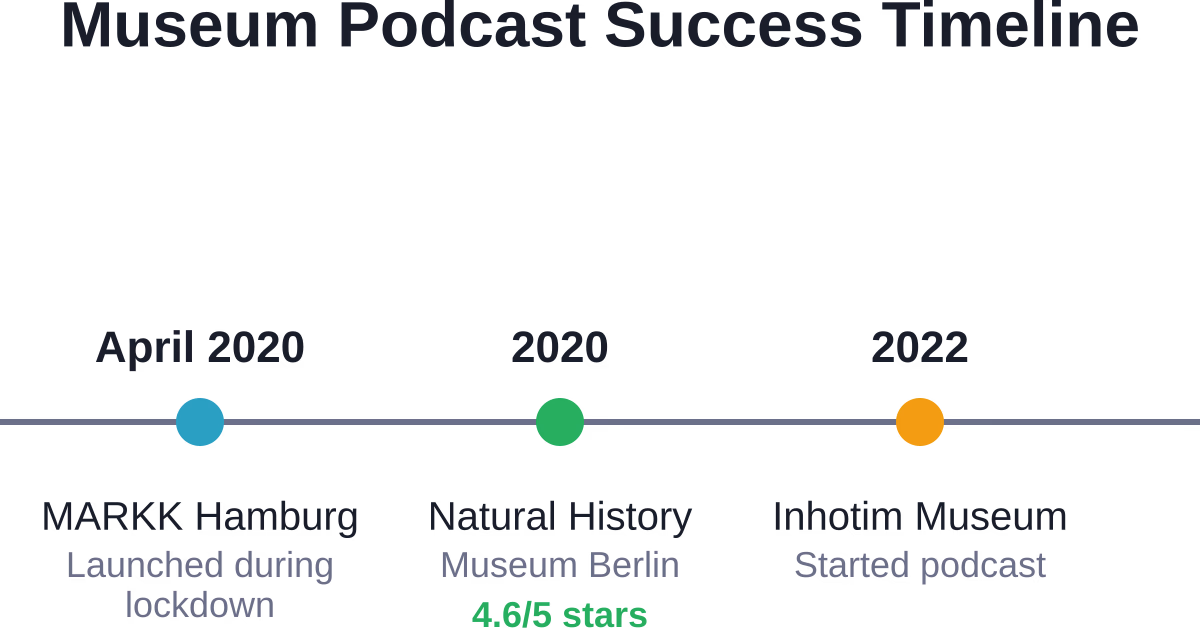
The Natural History Museum Berlin launched their podcast "Beats & Bones" in 2020, earning a 4.6 out of 5 stars rating on Apple Podcasts. The Inhotim Museum started their podcast in 2022, while MARKK in Hamburg launched during the first lockdown in April 2020.
Podcasts work because they meet people where they are—commuting, exercising, cooking dinner. They build connection and familiarity with your institution. And they're relatively affordable to produce compared to other marketing channels.
Influencer marketing isn't just for fashion brands. Museums can tap into local content creators, bloggers, and community figures who already have engaged audiences.
Look for micro-influencers in your area—people with 5,000 to 50,000 followers who focus on local events, family activities, arts and culture, or education. Their audiences tend to be more engaged and trusting than celebrity influencers with millions of followers.
Invite them for exclusive previews, curator-led tours, or special events. Give them something worth sharing. The goal isn't a one-time post—it's building ongoing relationships with people who genuinely appreciate your mission.
Local publishers matter too. Regional magazines, city blogs, and community newspapers still drive significant traffic. They're looking for interesting local stories. Be that story.
Events transform your museum from a place people visit once into a community hub they return to regularly. Think beyond standard exhibition openings.
Successful event ideas include after-hours adult nights with themed cocktails, hands-on workshops related to current exhibits, lecture series featuring researchers and collectors, family days with interactive activities, and cultural celebrations that connect exhibits to living communities.
Museums that embrace visitor engagement tend to see stronger attendance and support. According to the American Alliance of Museums, understanding visitors' needs and creating opportunities for genuine engagement significantly impacts public support and loyalty.
The key is variety. Not every event will appeal to everyone, and that's fine. You're building multiple entry points for different audience segments.
Design events with shareability in mind. Create photo opportunities, use branded hashtags, and encourage social sharing during the event. Your attendees become your marketing team when they post about their experience.
Set up good lighting, interesting backdrops, and clear signage with your museum's social handles. Make it easy for people to tag you and share.
Organic reach is great, but paid advertising extends your message to people who don't already follow you. Programmatic advertising uses data to target specific demographics, interests, and behaviors.
Start with clear goals. Are you promoting a special exhibition? Driving membership sign-ups? Increasing general admission? Your objective determines your targeting strategy and creative approach.
Digital platforms like Google Ads, Facebook/Instagram ads, and display networks let you reach specific audiences—families within 25 miles, educators, tourists planning trips to your city, people interested in specific art movements or historical periods.
Track everything. The beauty of digital advertising is measurability. You can see exactly which ads drive ticket sales, email sign-ups, or website visits. Adjust based on what works.
Your website is often the first impression potential visitors get. Make it count.
It should load fast, look great on mobile devices, and make key information stupidly easy to find—hours, admission prices, current exhibitions, directions, parking details. If someone has to hunt for basic information, they'll bounce.
Include clear calls to action on every page. Buy tickets. Become a member. Sign up for the newsletter. Donate. Whatever the primary goal is for that page, make the button obvious.
High-quality photography matters enormously. Show people what they'll experience. Capture the wonder, the beauty, the unique moments your museum offers. Bland stock photos won't cut it.
Museums have incredible content assets—research, collections knowledge, historical expertise. Turn that into blog posts, collection spotlights, and educational articles that rank in search engines.
When someone searches for information about a historical event, art movement, scientific concept, or cultural tradition your museum covers, your website should appear. That's free, ongoing traffic from people already interested in what you offer.
Write for humans first, search engines second. Answer real questions people ask. Provide genuine value. The traffic will follow.
Facebook Groups, Discord servers, and online forums create spaces for your most engaged supporters to connect with each other and with your institution.
These communities generate word-of-mouth marketing, provide feedback on programming, and create a sense of belonging that goes beyond individual visits. Members become advocates who bring friends and family.
The key is moderation and consistent engagement. A dead community is worse than no community. Post regularly, respond to comments, ask questions, and genuinely participate.
Not everyone can come to your museum. So bring pieces of your museum to them.
Pop-up exhibits at libraries, schools, community centers, and public spaces introduce your institution to new audiences. Traveling exhibits reach communities outside your immediate area. Partnerships with schools bring educational programming directly to students.
This approach expands your reach and demonstrates community commitment. You're not just waiting for people to come to you—you're actively serving your mission wherever people are.
Community outreach builds goodwill, attracts media coverage, and often connects with demographics who face barriers to visiting your physical location.
Membership turns one-time visitors into recurring supporters. But membership programs need to deliver real value that justifies the cost.
Consider what actually matters to your audience. Free admission for a year is standard. What else can you offer? Early access to popular exhibits, members-only events, discounts at the museum shop and café, reciprocal admission at partner institutions, behind-the-scenes tours, exclusive content or newsletters.
At Nauticus, the marketing and membership team of five people focuses on fundraising, marketing, and membership coordination. They've successfully managed a $1.5 million capital campaign for exhibit redesign—showing how integrated these functions can be.
Market membership as belonging to a community that supports your mission, not just as a discount card. People want to feel connected to something meaningful.
Marketing and outreach programs qualify for numerous grant opportunities. The National Endowment for the Humanities offers HCRR Foundations Grants with a $50,000 maximum for up to two years.
For more established initiatives, HCRR Implementation Grants provide up to $400,000 maximum for up to three years. These funds can support digitization projects, public programming, educational outreach, and preservation work that all feed into marketing and engagement strategies.
Many state and local arts councils also fund museum marketing, especially for programs that serve underrepresented communities or advance cultural equity goals.
The application process takes time, but grants provide non-earned revenue that allows museums to experiment with new marketing approaches without draining operational budgets.
Email remains one of the highest-ROI marketing channels. People who give you their email address have already expressed interest—they're warm leads.
Segment your email list. Don't send the same message to everyone. Families want different content than researchers. Members need different messaging than potential donors. Local residents have different interests than tourists.
Successful museum email strategies include monthly newsletters with upcoming events and new exhibits, targeted campaigns for special exhibitions or fundraising drives, educational content series that dive deep into collection highlights, member-exclusive updates and early ticket access, and personalized recommendations based on past visit history.
Keep subject lines compelling and concise. Test send times. Track open rates and click-through rates. Continuously improve based on what your audience responds to.
Reviews on Google, TripAdvisor, Yelp, and Facebook influence potential visitors' decisions. A museum with dozens of positive recent reviews looks vibrant and worth visiting. One with old reviews or consistent complaints sends warning signals.
Respond to reviews—both positive and negative. Thank people for kind words. Address legitimate concerns professionally. Show that you're listening and care about visitor experience.
Encourage satisfied visitors to leave reviews. A simple sign at the exit or a follow-up email asking for feedback can significantly increase review volume.
Negative reviews aren't disasters if handled well. A thoughtful, non-defensive response often impresses potential visitors more than a perfect five-star average with no museum engagement.
Schools and educators are always looking for quality educational resources. Museums can fill that need while marketing to a highly engaged audience.
Develop curriculum-aligned resources, virtual field trips, educator workshops, and student programs that teachers can integrate into their classrooms. When teachers bring classes to your museum or use your digital resources, they're introducing dozens of potential future visitors and supporters.
Parents remember positive educational experiences. A fourth-grader who visits your museum on a school trip might return with their family, or remember the experience years later when deciding which institutions to support as an adult.
Educational partnerships also strengthen your case for grants, government support, and community funding. You're demonstrating measurable public benefit.
Marketing without measurement is just spending money and hoping for the best. But not all metrics are equally useful.
Vanity metrics like social media follower counts feel good but don't directly connect to mission impact or financial sustainability. Focus instead on engagement metrics, conversion rates, ticket sales attributed to specific campaigns, email list growth and engagement, membership renewals, donation conversions, and visitor demographics.
Use Google Analytics to track website behavior. Where do visitors come from? What pages do they view? Where do they drop off? Which campaigns drive ticket purchases?
Set up conversion tracking for key actions—ticket purchases, membership sign-ups, donation completions, newsletter subscriptions. This data tells you what's working and what needs adjustment.
Effective museum marketing isn't about doing everything on this list. It's about choosing strategies that align with your mission, your audience, and your capacity.
Start with the fundamentals—strong social media presence, responsive website, email list building, and community engagement. These deliver consistent results without massive budgets.
Then add complexity as resources allow. Experiment with podcasts, paid advertising, influencer partnerships, or ambitious events. Test, measure, and adjust based on what actually works for your specific situation.
Museums that thrive in 2026 understand that marketing is mission work. Every post, email, event, and partnership is an opportunity to share your institution's value with people who might benefit from it. That's not selling out—it's fulfilling your purpose in ways that resonate with contemporary audiences.
The cultural landscape is more competitive than ever. But museums have unique advantages: authentic stories, irreplaceable objects, educational authority, and community trust. Leverage those strengths through creative, consistent, data-informed marketing. Your audience is out there. Make sure they can find you.


