AliExpress Dropshipping Guide: Start in 2026
Learn how AliExpress dropshipping works in 2026. Discover tools, suppliers, and strategies to build a profitable online store without inventory.
Apr 14, 2026



Quick Summary: Sports teams can boost attendance, revenue, and fan loyalty through proven marketing strategies including social media engagement, data-driven personalization, year-round content creation, community partnerships, and experiential game-day activations. Modern teams leverage short-form video, influencer collaborations, mobile-first campaigns, and nostalgia marketing while building authentic connections beyond the season.
The sports business landscape has shifted dramatically. Teams can't rely solely on game-day ticket sales anymore. With streaming services, fantasy sports, and countless entertainment options competing for attention, sports organizations need comprehensive marketing strategies that engage fans 365 days a year.
Athletic departments at universities like Harvard manage marketing for 42 varsity teams to promote them to audiences and generate revenue. Professional franchises face similar challenges—keeping casual fans engaged during off-seasons, converting digital followers into paying attendees, and building communities that transcend wins and losses.
The good news? Teams that embrace modern marketing tactics see remarkable results. Data shows that consumers with personalized brand experiences spend 37% more than those receiving generic messaging. Meanwhile, targeted outreach matching program characteristics to prospective audiences delivers a 74% increase in return on investment.
Here's the thing though—successful sports marketing isn't about flashy campaigns alone. It's about building authentic relationships with fans through consistent, creative touchpoints that honor the sport's heritage while embracing innovation.
Before launching any campaign, teams need to understand who's actually in the stands—and who isn't. Fan data analysis reveals engagement patterns that inform smarter marketing decisions.
Women's sports organizations, for example, are discovering that their audiences often care about multiple dimensions beyond pure athletic performance. Fans engage with inspiration-focused content, community-building initiatives, and entertainment value in addition to game highlights. Technology that analyzes fan data allows marketers to create content strategies addressing these multidimensional interests.
Basic fan segmentation should track:
Real talk: most teams have more data than they realize. Ticket sales systems, social media analytics, email open rates, and website behavior all contain actionable insights. The challenge is consolidating these data sources and acting on patterns while opportunities still exist.
As one sports business analysis noted, competitive advantage now belongs to organizations that can make decisions quickly. Teams know when weather looks questionable, when pricing seems off, or when the right audiences haven't been reached—but most can't move fast enough for it to matter.
Social media remains the most powerful tool for building fan relationships. But not all approaches deliver equal results.
Short-form content has become the primary way many fans engage with sports. Platforms like Instagram Reels, TikTok, and YouTube Shorts feed algorithm-selected videos to massive audiences.
The Dallas Wings became the most popular WNBA team on social media in the summer 2025 despite winning only 10 games. Their social team created authentic, personality-driven content showcasing players as multidimensional people, not just athletes. Behind-the-scenes footage, player reactions, and quick-turnaround game highlights kept fans engaged throughout a difficult season.
Posting identical content across all platforms wastes opportunities. Each social channel has unique audience expectations and algorithm preferences.
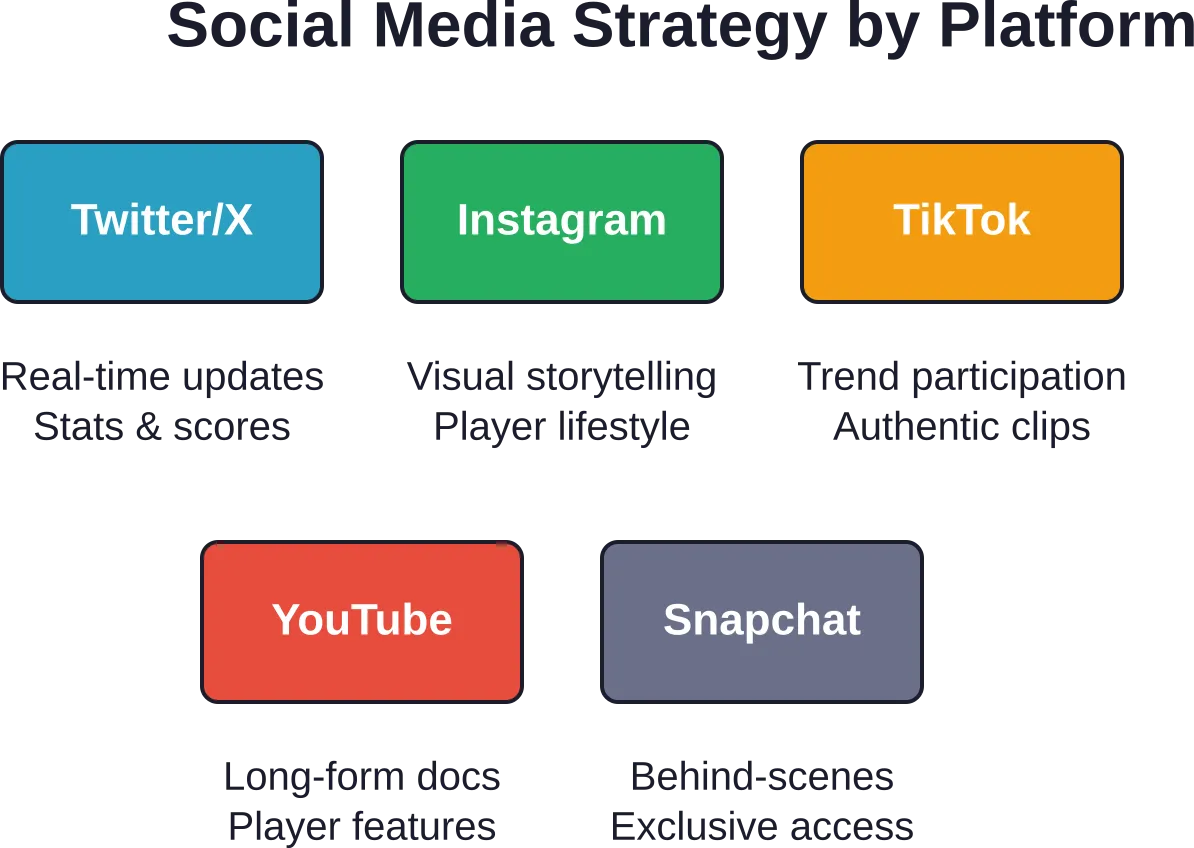
Twitter excels at real-time game updates, stat discussions, and fan debates. Instagram favors high-quality visuals and Stories for day-in-the-life content. TikTok rewards authentic, trend-participating videos that feel native to the platform. YouTube serves long-form content like player profiles and documentary-style storytelling.
As of late 2024, the New England Patriots led NFL teams with around 4.65 million Twitter (X) followers, followed by the Dallas Cowboys with approximately 4.42 million and the Pittsburgh Steelers with about 3.77 million. These franchises maintain platform-specific strategies rather than simple cross-posting.
Fans create thousands of posts about teams every season. Smart organizations amplify this content through reshares, fan features, and hashtag campaigns.
Encouraging fans to share game-day photos, tailgate setups, or watch-party moments creates authentic marketing materials while making supporters feel valued. Feature a "Fan of the Game" on social channels or stadium screens. Launch photo contests with prize incentives.

A lot of sports campaigns look exciting internally but lose momentum once they hit real audiences, especially when every team is competing for attention at the same time. Rather than waiting days or weeks for campaign data to come back, Extuitive uses predictive advertising models and AI consumer simulations to surface stronger ad concepts before launch.
Using Extuitive, teams can:
👉Book a demo with Extuitive and explore which sports promotions may deserve a bigger push before going live.
Fan interest doesn't disappear when the season ends—it just shifts. Research shows that 65% of fans want some form of content or information at least monthly during off-seasons.
Teams that maintain consistent content calendars throughout the year keep their brand top-of-mind and prevent the costly scramble to rebuild attention when the next season starts.
Fill the calendar with diverse content types that serve different fan segments:
In-depth content consumption correlates with 20% higher spending than general news consumption. Fans who engage with detailed player profiles, tactical breakdowns, or documentary-style features develop stronger connections that translate to ticket purchases and merchandise sales.
Generic mass marketing no longer cuts it. Personalized campaigns outperform broad-audience approaches across every metric.
Georgia State University increased applicant diversity by 40% and generated $3 million in enrollment revenue through personalized digital campaigns that matched messaging to prospective student characteristics. The same principles apply to sports marketing.
Segment your audience and tailor communications:
Email marketing platforms allow sophisticated segmentation based on purchase history, engagement patterns, and demographic data. Teams using platforms like Eloqua can automate personalized campaigns that deliver the right message to the right fan at the right time.
The game itself is your biggest marketing asset. Creating memorable in-stadium experiences generates organic word-of-mouth promotion and social media content.
Build excitement before kickoff with interactive fan zones, photo opportunities, live music, or player appearances. These experiences give early arrivals reasons to show up and create shareable moments.
Scoreboards, PA announcers, and halftime shows shape the atmosphere. Coordinate these elements into cohesive experiences rather than disconnected interruptions.
Feature fan cam moments that get crowds engaged. Run social media contests displayed on stadium screens. Create signature traditions (special songs, chants, rituals) that become part of your team's identity.
With 30% of fans streaming sports on smartphones and tablets, mobile optimization isn't optional. Stadium WiFi, mobile ticketing, in-app ordering for concessions, and digital loyalty programs all enhance convenience while gathering valuable data.
Mobile apps allow real-time push notifications about seat upgrades, limited-time merchandise offers, or post-game player appearances. Teams can respond dynamically to in-game situations—a blowout might trigger discounted concessions to retain fans; a close game might promote playoff ticket packages.
Sports teams are community anchors. Partnerships with local businesses, schools, and organizations create mutual benefits while expanding reach.
Youth sports programs offer particularly valuable partnerships. Hosting youth team recognitions at games, offering group ticket packages to club teams, or running coaching clinics builds goodwill and cultivates the next generation of fans.
Local business collaborations create cross-promotional opportunities. A downtown restaurant might offer game-day specials with ticket stub discounts while displaying team marketing materials. Apparel retailers can host player appearances. Fitness centers might partner on training content.
These partnerships work best when they feel authentic rather than purely transactional. Novo Nordisk's sponsorship of professional cycling teams makes sense because the pharmaceutical company focuses on diabetes treatment and active lifestyle promotion. The connection feels genuine rather than opportunistic.
Research on sports retrobranding finds nostalgia at the heart of success. Teams regularly roll out throwback uniforms, celebrate historical anniversaries, and honor past champions because these campaigns resonate emotionally.
Heritage marketing taps into fan identity and belonging. Long-time supporters feel validated when teams honor history. New fans gain context and connection to traditions larger than themselves.
Effective nostalgia marketing includes:
Balance honoring the past with celebrating the present. Nostalgia shouldn't become a crutch that suggests the team's best days are behind it.
Athletes themselves are powerful marketing channels. A majority of NFL fans—67%—report they're likely to purchase products featuring player names or likenesses. Among parents of NFL fans, that figure jumps to 77%.
Player social media accounts often have larger followings than official team channels. Collaborative content that features athletes in authentic ways performs better than corporate-feeling posts.
Samsung's recent NCAA tournament activation featured Duke basketball freshmen Cameron Boozer and Cayden Boozer alongside their father, former NBA player Carlos Boozer. The multi-generational approach created authentic storytelling opportunities while leveraging the players' existing audiences.
Influencer partnerships extend beyond athletes. Local content creators, sports podcasters, and community figures can amplify team messaging to niche audiences. Micro-influencers with smaller but highly engaged followings often deliver better ROI than celebrity partnerships.
Strategic promotions drive ticket sales and create urgency. Here are proven tactics:
Reebok's Pump Battle campaign created sports contests aimed at promoting a healthier, more active lifestyle, particularly targeting office workers with low exercise rates. A survey showed that 74% of Korean office workers do not exercise, prompting Reebok's response campaign. The experiential activation generated massive social sharing while aligning with the brand's active lifestyle positioning.
Paid digital advertising amplifies organic efforts and reaches new audiences. But targeting matters more than budget size.
Target ads to specific zip codes, cities, or radius distances from your venue. A minor league baseball team might focus on the 50-mile surrounding area rather than wasting budget on statewide campaigns.
Fans who visit your website or ticket pages but don't purchase represent high-intent prospects. Retargeting campaigns remind them to complete their purchase while offering limited-time incentives.
Platforms like Facebook allow creating audiences that match characteristics of your best customers. Upload your season ticket holder list, and the platform finds similar users to target with acquisition campaigns.
Short video ads on YouTube, Instagram, and Facebook deliver higher engagement than static images. Highlight spectacular plays, player personalities, or unique fan experiences.
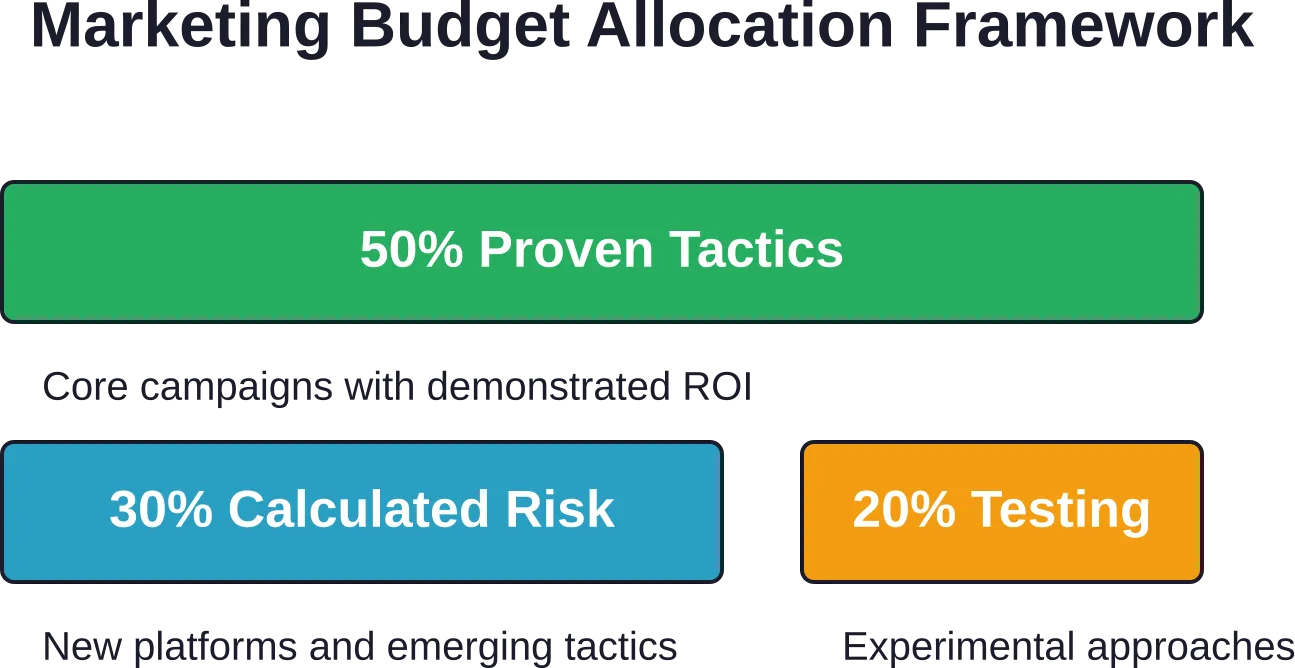
New Balance applies a 50-30-20 framework to marketing spend: 50% on proven tactics with demonstrated returns, 30% on calculated risks with growth potential, and 20% on experimental approaches. This balanced allocation protects core revenue while enabling innovation.
Email remains one of the highest-ROI marketing channels when executed properly. The key is relevance and segmentation.
Build your email list through:
Segment lists based on engagement level and purchase history. Don't send the same message to season ticket holders and one-time attendees from three years ago.
High-converting email campaigns include:
Set clear expectations about frequency. Weekly newsletters work for highly engaged fans; monthly updates suit casual followers. Honor unsubscribe requests immediately—forcing emails on uninterested recipients damages deliverability and brand perception.
Apparel and merchandise serve dual purposes: revenue generation and walking advertisements. Every fan wearing team gear promotes your brand.
Teams should consider:
Make purchasing convenient through mobile-optimized online stores, in-stadium retail locations, and pop-up shops at community events.
Sports sponsorships represent significant global revenue. But sponsors increasingly demand activation opportunities beyond logo placement.
Help sponsors succeed by creating integrated campaigns that provide genuine value to fans rather than feeling like intrusive advertising.
Effective sponsorship activations include:
Measurement matters. Provide sponsors with detailed reports on impressions, engagement, conversion metrics, and brand lift studies. Demonstrating ROI leads to renewals and rate increases.
Fantasy sports have transformed how fans engage with leagues. Rather than following one team, fantasy players track dozens of athletes across multiple teams.
Teams can capitalize on this shift through:
Don't view fantasy as competition for traditional fandom. It's a complementary engagement layer that keeps fans invested even when their local team underperforms.
Create packages that bundle tickets with hotels, dining, or experiences. These higher-margin offerings appeal to traveling fans and special occasion buyers.
Weekend packages might include:
Away game travel packages let loyal fans follow the team on the road while generating revenue from transportation, lodging, and group ticket commissions.
The best sports marketing tells compelling stories that resonate emotionally. Stats and scores matter, but narratives create lasting connections.
Paris Saint-Germain transformed from a mid-tier French club into one of the world's top sports brands through strategic storytelling, star player acquisitions, and global marketing campaigns that positioned the team as a lifestyle brand beyond football.
Develop content pillars that guide storytelling:
Long-form content like podcasts, documentary series, or written features complement short social clips by providing depth that builds deeper fan investment.
Track metrics that connect marketing efforts to business outcomes:
Attribution modeling helps identify which channels drive conversions. Did a fan buy tickets after seeing a Facebook ad, receiving an email, or encountering organic social content? Multi-touch attribution provides clearer pictures of the customer journey.
But remember—not everything valuable is immediately measurable. Brand building, community goodwill, and fan experience improvements pay dividends over years, not quarters.
Even well-intentioned campaigns can backfire. Watch out for these pitfalls:
Effective sports team marketing requires balancing tradition with innovation, data with creativity, and broad reach with personal connection. The teams that thrive don't just sell tickets—they build communities, create memorable experiences, and give fans reasons to engage year-round.
Start by understanding your current fan base through data analysis. Identify who attends games, who follows digitally, and who represents untapped potential. Build platform-specific social strategies that prioritize short-form video and authentic player content. Maintain consistent year-round communication that keeps your brand top-of-mind during off-seasons.
Invest in personalization technology that delivers relevant messages to segmented audiences. Create game-day experiences worth sharing on social media. Partner with community organizations to expand reach and build goodwill. Honor heritage while embracing modern marketing channels.
Most importantly, focus on authentic connections rather than transactional relationships. Fans can sense when marketing feels genuine versus purely commercial. The Dallas Wings and other success stories share a common thread: they treat fans as community members rather than revenue sources.
Ready to transform your sports team's marketing? Start by implementing just two or three strategies from this guide. Test, measure, refine, and expand what works. Marketing excellence is a marathon, not a sprint—but every great season starts with a solid game plan.


