Best AI Tools for Digital Marketing That Actually Make a Difference
Explore the best AI tools for digital marketing, from ad optimization to content and analytics, and find what actually works in real campaigns.
Apr 13, 2026



Bankruptcy attorneys face rising demand as filings increased 11% in 2025, creating opportunities for strategic marketing. Digital strategies like SEO-optimized content, targeted local advertising, educational webinars, and community partnerships help bankruptcy practices attract financially distressed clients. Combining traditional referral networks with modern digital tactics builds trust and visibility in this countercycle practice area.
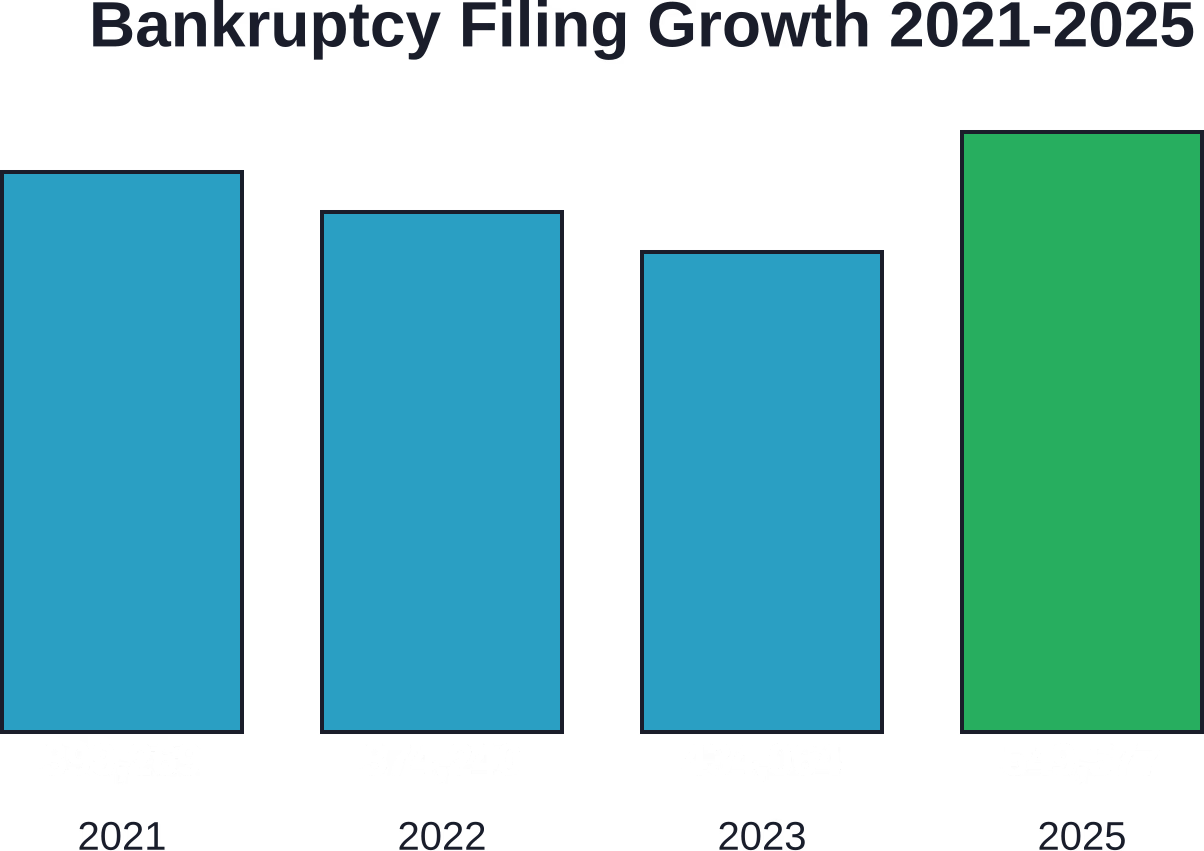
Bankruptcy filings rose significantly in 2025, with total cases reaching 574,314 according to the Administrative Office of the U.S. Courts. Non-business filings climbed from 494,201 in 2024 to 549,577 in 2025, representing an 11.2% year-over-year increase. This growth creates substantial opportunities for bankruptcy attorneys willing to implement effective marketing strategies.
The challenge? Most people experiencing financial distress don't know where to turn. They're searching for help online, asking friends, and trying to understand their options. The attorneys who meet these potential clients where they are—with clear, accessible information and strategic visibility—will capture this growing market.
The bankruptcy practice area operates countercyclically. When economic conditions tighten, filings increase. Chapter 7 bankruptcy filings reached 356,724 in 2025, up from 310,631 in 2024. Chapter 13 filings increased to 207,889 from 197,244.
Here's what makes marketing bankruptcy services unique: your potential clients are often in crisis. They're overwhelmed, anxious, and searching for solutions at odd hours. Traditional marketing approaches don't always resonate with this audience.
According to the U.S. Courts, nonbusiness filings constituted 97 percent of all Chapter 7 bankruptcies during the reporting periods examined. That means your target market is primarily individuals and families facing personal financial hardship, not corporate entities.
Geography matters significantly in bankruptcy marketing. Understanding local filing patterns helps attorneys allocate marketing resources effectively.

Extuitive helps businesses review ad concepts before launching campaigns. The platform uses AI models to forecast likely performance, compare creative options, and support better decisions around messaging and targeting.
For bankruptcy attorneys, this can be useful when choosing between consultation, service, or local campaign ideas.
Extuitive can help with:
👉 Book a demo with Extuitive to review your ad ideas.
Digital marketing provides measurable, cost-effective channels for bankruptcy attorneys to reach potential clients. But throwing money at Google Ads won't work if the foundation isn't solid.
People searching for bankruptcy help use specific terms: "file bankruptcy near me," "Chapter 7 vs Chapter 13," "stop foreclosure immediately," and "how much does bankruptcy cost." Ranking for these high-intent keywords requires consistent effort.
Create comprehensive content answering common questions. Think beyond surface-level explanations. Potential clients want to know whether they'll lose their house, how bankruptcy affects their credit score for how long, and whether their spouse's credit will be damaged.
Local SEO matters enormously. Optimize Google Business Profile listings with accurate information, regular posts, and client reviews. Most bankruptcy searches include geographic modifiers.
Google Ads and Facebook advertising can deliver quick results, but bankruptcy advertising has specific compliance considerations. Ad copy must avoid misleading promises or guarantees of specific outcomes.
Target long-tail keywords with clear intent: "Chapter 7 attorney in [city]," "stop wage garnishment lawyer," "medical debt bankruptcy help." These searches indicate someone further along in their decision-making process.
Retargeting campaigns work well for bankruptcy marketing. Someone who visits your site but doesn't call isn't necessarily uninterested—they may need time to discuss options with family or gather financial documents.
Educational content serves dual purposes: it helps potential clients understand their options while establishing the attorney as a knowledgeable resource. This builds trust before the first consultation.
Create detailed guides covering common scenarios: medical bankruptcy, divorce and bankruptcy timing, business closure and personal liability, student loan treatment in bankruptcy. These long-form resources rank well and provide genuine value.
Video content performs exceptionally well for legal topics. Short explainer videos answering specific questions (2-3 minutes each) get shared and bookmarked. Cover topics like what happens at a 341 meeting, whether tax debt can be discharged, and how to rebuild credit post-bankruptcy.
Monthly webinars offering free bankruptcy education serve multiple marketing functions. They position the attorney as accessible and knowledgeable, generate leads through registration forms, and provide content that can be repurposed.
Promote webinars through email lists, social media, and community partnerships. Record sessions and post them as evergreen resources on your website.
Digital tactics dominate modern legal marketing discussions, but traditional channels retain significant value for bankruptcy practices.
Building relationships with divorce attorneys, real estate agents, credit counselors, and financial advisors creates steady referral streams. These professionals encounter people facing financial distress regularly.
Don't just ask for referrals—provide value. Offer to present at real estate office meetings about how bankruptcy affects home sales. Create referral guides explaining when clients should consider bankruptcy consultation.
Past client referrals remain the highest-quality leads. Implement systematic follow-up processes checking on former clients six months and one year post-discharge. Many refer friends or family members facing similar situations.
Speaking at libraries, community centers, and nonprofit organizations builds visibility and trust. Offer free workshops on financial distress topics: understanding credit reports, dealing with collection calls, foreclosure prevention options.
These events position attorneys as community resources rather than aggressive salespeople. Attendees who aren't ready to file may remember the attorney when their situation changes or refer others.
Bankruptcy clients need reassurance more than aggressive sales pitches. Marketing materials should emphasize understanding, clear explanations, and realistic expectations.
Publish transparent pricing information. While exact costs vary, providing fee ranges demonstrates honesty. Hidden costs create anxiety and drive potential clients to competitors.
Showcase client testimonials and reviews prominently. People facing bankruptcy want reassurance that others in similar situations received competent, compassionate representation. Video testimonials carry particularly strong weight.
Bankruptcy attorney websites should prioritize clarity and accessibility. Potential clients often research late at night when anxiety peaks. Make contact options obvious: phone numbers, contact forms, and chat features.
Mobile optimization isn't optional. Many people search for bankruptcy help on smartphones, often during commutes or breaks when stress overwhelms them.
Include detailed attorney biographies emphasizing bankruptcy specialization. General practice attorneys who "also handle bankruptcy" inspire less confidence than dedicated bankruptcy practitioners.
Email remains highly effective for bankruptcy attorneys, though it requires careful execution. Build email lists through website opt-ins offering valuable resources: bankruptcy guides, exemption worksheets, timeline explanations.
Segment lists by interest: Chapter 7 prospects, Chapter 13 prospects, people researching but not ready to file. Tailor content accordingly.
Monthly newsletters should educate rather than sell. Cover law changes, case studies (anonymized), common mistakes to avoid, and financial recovery strategies. Position the practice as a long-term resource, not just a service provider during crisis.
Track specific metrics to understand marketing effectiveness. Monitor cost per consultation, consultation-to-retention rate, and client lifetime value (including referrals generated).
Call tracking reveals which marketing channels drive phone inquiries. Many bankruptcy practices discover that their perceived top-performing channel actually delivers fewer quality leads than expected.
Review analytics monthly, but don't overreact to short-term fluctuations. Bankruptcy filing patterns follow economic cycles. A slow month doesn't necessarily indicate marketing failure.
Bar association rules govern attorney advertising strictly. Bankruptcy marketing must avoid false or misleading statements about outcomes. Never promise discharge of specific debts without qualification or guarantee preservation of assets.
Avoid fear-based marketing that exploits vulnerability. Phrases like "creditors can seize your assets tomorrow" or "avoid devastating wage garnishment" border on unethical scare tactics.
Maintain client confidentiality rigorously. Testimonials require written permission. Never identify past clients in marketing materials without explicit consent.
Bankruptcy filings continue trending upward, creating opportunity for attorneys who market effectively. The practices that thrive combine digital visibility with genuine expertise and compassionate client service.
Start with foundation elements: optimize your Google Business Profile, create a mobile-friendly website with clear contact options, and develop comprehensive content answering common questions. Build from there based on budget and bandwidth.
The most effective bankruptcy marketing doesn't feel like marketing at all. It feels like education, reassurance, and genuine help for people navigating difficult circumstances. Focus on that, measure what works, and refine continuously.
People need bankruptcy attorneys now more than ever. Make sure they can find you when they're ready to get help.


