Marketing Ideas for Landscaping Business: 2026 Guide
Discover proven marketing ideas for landscaping businesses that attract more clients. Local SEO, social media, reviews, and partnership strategies that work.
May 15, 2026



Successful pizza restaurant marketing in 2026 combines direct online ordering, local SEO optimization, engaging social media content, and customer loyalty programs. The most effective strategies focus on professional food photography, mobile-first website design, community partnerships, and targeted promotions that drive repeat business while reducing reliance on expensive third-party delivery platforms.
The pizza industry remains fiercely competitive. With the fast food restaurant sector valued at $416.0 billion in 2026 according to IBISWorld, with a 1.1% decline expected for that year, standing out requires more than just great food—it demands smart, targeted marketing.
Nearly 50 percent of U.S. adults reported in 2025 that they're not dining out as often as they'd like, according to Statista. That creates both a challenge and an opportunity. When customers do choose to order pizza, your restaurant needs to be their first choice.
The following marketing ideas combine proven traditional tactics with cutting-edge digital strategies designed specifically for pizza restaurants in 2026.
Third-party delivery apps eat into profit margins. The commission fees can reach 30% or more per order, drastically cutting revenue.
Setting up direct online ordering through your own website or branded app puts you in control. Customers appreciate the convenience, and you keep significantly more money from each transaction.
Make the ordering process mobile-friendly. Most pizza orders now come from smartphones. If your ordering system doesn't work smoothly on mobile devices, potential customers will abandon their carts halfway through.
Consider offering incentives for direct orders—something as simple as a 15% off coupon for first-time customers ordering through your website rather than third-party platforms. This tactic builds the habit of ordering directly while reducing dependency on expensive delivery services.

Extuitive helps businesses predict which ads are more likely to get clicks and conversions before launch. It can test creative options at scale, compare them against performance signals, and help teams avoid putting budget behind weak ideas.
For pizza restaurants, this can support promo, delivery, menu, or local campaign ideas without making every concept a paid test.
Extuitive can help with:
👉 Book a demo with Extuitive to review your ad ideas.
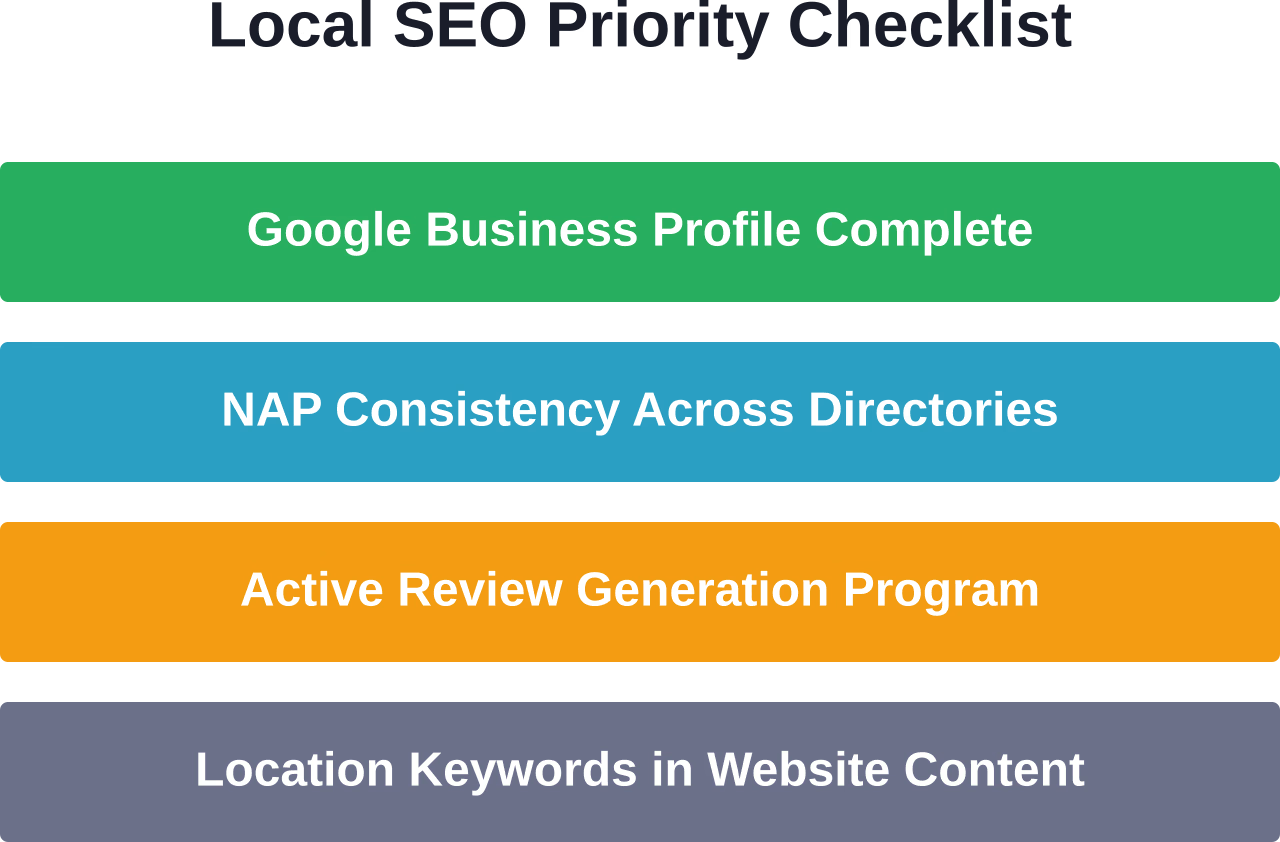
When someone searches "pizza near me" or "best pizza in [neighborhood]," does your restaurant appear in the top results? Local SEO determines whether you capture those high-intent customers.
Start by claiming and fully completing your Google Business Profile. Include accurate hours, high-quality photos of your pizzas, your menu, and respond to every review—positive or negative.
Consistency matters across all online directories. Your restaurant name, address, and phone number should match exactly across Google, Yelp, Facebook, and every other listing site.
Encourage satisfied customers to leave reviews. Don't just ask once—make it part of your follow-up process after each order. More reviews signal credibility to both search engines and potential customers.
More than 80% of customers check menu photos before placing a pizza order. Images directly influence buying decisions.
Smartphone photos rarely do justice to your food. Professional photography creates images that make people hungry—images that convert browsers into buyers.
Focus on your bestsellers first. Capture your signature pizzas, popular appetizers, and any unique menu items that differentiate you from competitors.
Use these photos everywhere: your website, social media profiles, Google Business listing, online menu, and printed materials. Consistent, appetizing visuals build brand recognition and reinforce quality.
Social media works well for pizza restaurants because the product is naturally visual, casual, and easy to share. A good pizza photo can do a lot on its own, but random posting will not build much momentum.
The goal is to use social media with a simple plan - enough structure to stay consistent, but not so much that every post feels forced.
A content calendar helps avoid last-minute posting. Mix promotional content with posts that feel more natural and engaging.
Share behind-the-scenes clips of pizza making, staff moments, customer favorites, new menu items, limited-time offers, and busy kitchen shots. This gives people more than just discounts to react to.
Instagram and Facebook are usually the strongest platforms for restaurants. Instagram works well for food photos, short videos, Reels, and visual menu content. Facebook is useful for local updates, community posts, reviews, and event-style promotions.
TikTok can also work, especially for restaurants that can show personality. Quick kitchen clips, recipe-style videos, dough prep, or funny behind-the-scenes moments can travel further than a standard promotional post.
A large following does not mean much if nobody reacts, comments, shares, or clicks. For a local pizza restaurant, a smaller audience with real local engagement is often more useful than a big but passive following.
Good content usually feels specific to the restaurant - the people, the food, the neighborhood, and the small details customers recognize.
Social media should not feel like a notice board. Respond to comments, answer messages quickly, and acknowledge customers when they tag the restaurant.
Fast replies matter because many people use social media to ask simple questions about hours, delivery, reservations, menu items, or current offers. Keeping that conversation active makes the restaurant feel easier to reach.
Acquiring new customers costs significantly more than retaining existing ones. Loyalty programs turn occasional customers into regulars.
Points-based systems work well for pizza restaurants. Customers earn points with each purchase, redeemable for free items or discounts after reaching certain thresholds.
Digital loyalty programs integrate with your online ordering system, automatically tracking purchases without requiring customers to carry physical cards.
Consider tier-based programs that reward your best customers with exclusive perks. VIP customers might get early access to new menu items, special birthday discounts, or invitations to tasting events.
Turnover rates in the hospitality industry hover around 70 percent according to the SBA. A strong loyalty program helps maintain customer relationships even as staff changes.
Community connections build brand awareness and goodwill. Local partnerships create win-win marketing opportunities.
Sponsor youth sports teams, school events, or charity fundraisers. Your logo on team jerseys or event materials puts your brand in front of hundreds of potential customers.
Offer catering for local business events. Companies hosting meetings or celebrations need food, and pizza is a crowd-pleasing, budget-friendly option.
Set up pop-up booths at farmers markets, street fairs, or community festivals. Selling pizza by the slice introduces your product to people who might not otherwise visit your location.
Cross-promote with complementary businesses. Partner with a local brewery for a pizza-and-beer pairing event, or team up with a movie theater for a dinner-and-movie package deal.
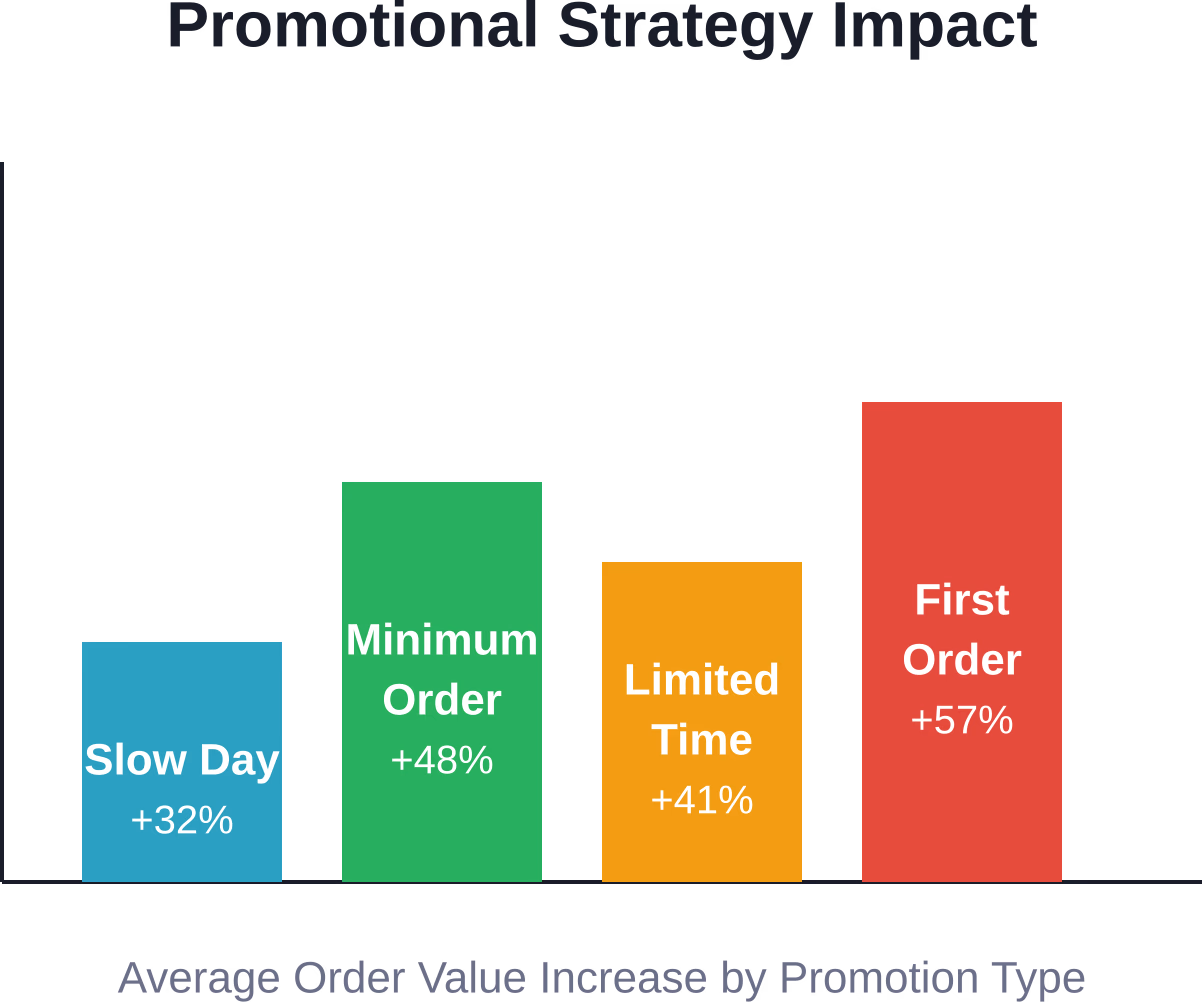
Promotions drive trial and increase order frequency when executed thoughtfully. Random discounting trains customers to wait for deals rather than building sustainable business.
Slow-day promotions combat predictable traffic patterns. Monday and Tuesday are typically slow for pizza restaurants—targeted discounts on those days fill capacity without cannibalizing busier nights.
Minimum-order promotions increase average ticket size. Offering $7 off orders above $40 encourages customers to add items they wouldn't have otherwise ordered.
Limited-time specialty pizzas create urgency and give customers reasons to order more frequently. Monthly or seasonal specials keep your menu fresh without overwhelming operations.
First-order promotions convert trial customers. New customers ordering through your direct channels might receive 15% off, incentivizing them to try your restaurant and establishing the direct ordering habit.
Menu design influences what customers order and how much they spend. Small changes can significantly impact profitability.
Highlight high-margin items using visual cues like boxes, icons, or strategic placement. Draw attention to specialty pizzas, premium toppings, and appetizers that boost average ticket size.
Simplify choices to prevent decision paralysis. Restaurants with overwhelming menus frustrate customers and slow ordering. Feature your best pizzas prominently while offering customization options for those who want them.
Use descriptive, appetizing language. "Hand-tossed artisan pizza with San Marzano tomatoes, fresh mozzarella, and basil" sells better than "margherita pizza."
Price strategically using psychological pricing. $12.99 performs better than $13.00, even though the difference is negligible.
Email remains one of the highest-ROI marketing channels. Building an email list gives you direct access to customers without paying platform fees.
Text message marketing achieves open rates above 90%, far exceeding email. When customers opt in to receive texts, they're signaling high purchase intent.
Use SMS for time-sensitive promotions. "Flash sale: 20% off any large pizza for the next 3 hours" creates urgency and drives immediate action.
Don't overuse text messaging. One to two messages per week maximum prevents customers from feeling spammed and opting out.
Always include opt-out instructions and respect those preferences immediately. SMS marketing regulations are strict, and violations carry significant penalties.
Combine SMS with other channels for major promotions. A coordinated push across email, social media, and text messaging creates multiple touchpoints and reinforces your message.
Word-of-mouth is still one of the strongest marketing channels for a pizza restaurant. A referral program simply gives that natural habit a little more structure. People already recommend food they like - the goal is to make it easier and more rewarding.
A good referral offer should benefit the person sharing and the new customer trying the restaurant for the first time. For example, give the existing customer a discount on their next order and give their friend a first-order discount.
This feels fair on both sides. The regular customer has a reason to share, and the new customer gets a small nudge to place an order.
Do not make customers work too hard to refer someone. Add referral options to the online ordering system, email receipts, and post-purchase messages.
A simple share button, short referral link, or pre-written message can make a big difference. The easier it is, the more likely people are to actually use it.
Use unique referral codes or links so each referral can be measured. This helps show which customers are bringing in new orders and which offers are actually working.
Over time, this data can also help identify loyal customers who may be worth engaging with through special offers, early access deals, or local promotions.
QR codes bridge the gap between physical presence and digital engagement. They've become mainstream since 2020, with most consumers now comfortable scanning codes with their smartphones.
Place QR codes on pizza boxes linking to a feedback form with an incentive—customers who complete a short survey receive a discount on their next order.
Use table tents with QR codes for dine-in customers, enabling them to view the menu, place orders, or join your loyalty program without waiting for staff.
Include QR codes on printed marketing materials that direct people to your online ordering system or a special landing page with an exclusive offer.
Catering generates large-ticket orders that significantly boost revenue. Businesses, schools, and event hosts need reliable food providers.
Create simplified catering packages. Decision-makers ordering for groups appreciate pre-designed options rather than building orders from scratch. Offer small (10-15 people), medium (20-30 people), and large (40+ people) packages.
Build relationships with local businesses and event planners. These connections generate recurring orders—companies that find a reliable caterer stick with them.
Showcase catering capabilities on your website with dedicated pages, pricing information, and photos of catering setups. Make it easy for people to request quotes or place orders online.
Pizza arrives hot or it arrives wrong. Delivery experience directly impacts customer satisfaction and repeat business.
Invest in quality delivery bags and equipment that maintain temperature. Cold pizza generates negative reviews and kills repeat orders.
Set realistic delivery time estimates and consistently meet them. Underpromising and overdelivering beats the opposite every time.
Train delivery drivers as brand ambassadors. They're often the only human contact customers have with your restaurant—friendliness and professionalism matter.
Include small touches that enhance delivery experience: napkins, plates, parmesan packets, and a thank-you note cost pennies but create positive impressions.
Events create experiences that turn customers into fans. They generate buzz, build community, and provide content for social media.
Customers sharing photos of your pizza on social media provides authentic marketing money can't buy. Encourage and amplify this content.
Create a branded hashtag and promote it on packaging, receipts, and signage. When customers tag your restaurant or use your hashtag, they're advertising to their networks.
Repost customer photos on your official social accounts (with permission). This recognition makes customers feel valued while providing your page with authentic content.
Run photo contests where customers share pizza pictures for a chance to win free pizza for a month. Contests generate participation spikes and expand your reach.
Most restaurant website traffic comes from mobile devices. If your site doesn't work perfectly on smartphones, you're losing customers.
Test your website on multiple devices and browsers. The ordering process should be smooth, with large buttons, readable text, and minimal typing required.
Page speed matters enormously on mobile networks. Compress images, minimize code, and use content delivery networks to ensure fast loading.
Click-to-call functionality lets mobile users contact you with one tap rather than copying and dialing numbers manually.
Mobile-optimized menus should be scannable and filterable. Customers searching for vegetarian options or gluten-free crusts shouldn't have to read your entire menu.
Brand identity differentiates you from the dozen other pizza places in your area. It's more than just a logo—it's the complete personality of your restaurant.
Define what makes your pizza unique. Are you authentic New York style? Artisan with locally-sourced ingredients? Fast and affordable family pizza? Your positioning should guide every marketing decision.
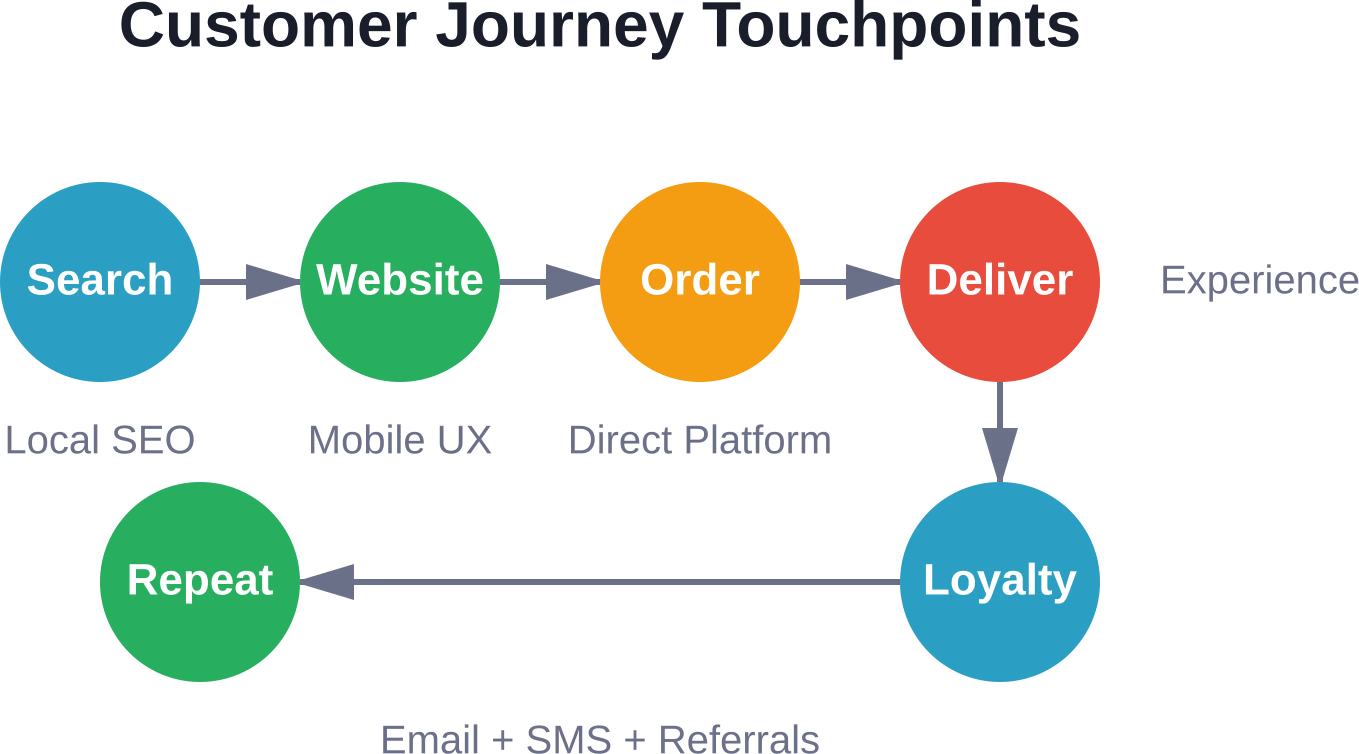
Consistency across all touchpoints reinforces brand recognition. Your website, social media, packaging, storefront, and advertising should share visual elements, tone, and messaging.
Tell your story. Customers connect with authentic narratives—why you started the restaurant, your passion for pizza-making, or your family recipes passed down through generations.
Online reviews directly influence new customer decisions. Managing your reputation is ongoing marketing work, not optional.
While building direct ordering reduces costs, third-party delivery platforms still provide access to customers you might not reach otherwise.
Approach these platforms strategically rather than listing everywhere. Choose one or two that dominate your market and negotiate the best possible commission rates.
Use delivery apps primarily for customer acquisition. Include branded packaging with every delivery app order that promotes your direct ordering channels with a first-order incentive.
Track metrics separately for each channel. Know your customer acquisition cost, average order value, and repeat rate for delivery apps versus direct orders.
Marketing without measurement wastes money. Track key performance indicators to understand what works and what doesn't.
Monitor website traffic, especially mobile traffic and online ordering conversion rates. If people visit your site but don't order, something in the process needs fixing.
Track promotion performance. Which offers generate the most orders? Which ones attract new customers versus incentivizing people who would have ordered anyway?
Calculate customer lifetime value. Understanding how much an average customer spends over their relationship with your restaurant helps determine appropriate acquisition costs.
Use point-of-sale data to identify trends. Which pizzas sell best? When are your peak ordering times? What combinations do customers order together?
Consumer preferences evolve. Restaurants that adapt thrive while those that don't gradually lose relevance.
Plant-based options continue growing in demand. Offering quality vegan cheese and meat alternatives attracts customers with dietary restrictions or preferences.
Health-conscious options matter. Cauliflower crusts, gluten-free options, and clearly labeled nutritional information appeal to increasingly health-aware consumers.
Unique flavor combinations create differentiation. International-inspired pizzas or unexpected ingredient pairings give food enthusiasts reasons to try your restaurant.
Follow food trends on social media and in food publications. Test new ideas as limited-time specials before committing to permanent menu additions.
Marketing a pizza restaurant in 2026 requires combining traditional community engagement with sophisticated digital strategies. The restaurants that thrive focus on customer experience, leverage technology to reduce costs, and build genuine connections with their communities.
Start with the fundamentals: claim your local listings, invest in quality photography, and create a mobile-friendly website with direct ordering. These foundational elements establish your digital presence and reduce dependency on expensive third-party platforms.
Build from there with loyalty programs, strategic promotions, and consistent social media engagement. Measure results continuously and double down on what works while eliminating what doesn't.
The pizza industry remains competitive, but smart marketing creates sustainable advantages. Restaurants that combine great food with strategic, consistent marketing efforts will capture market share even in crowded markets.
Ready to transform your pizza restaurant's marketing? Start by implementing one strategy from this guide this week. Build momentum with small, consistent actions rather than trying to do everything at once. Your next regular customer is searching for pizza right now—make sure they find you.


