AI Tools for Ecommerce That Make a Real Difference
A practical list of AI tools for ecommerce - from ads to content and analytics - with real use cases and no fluff.
Apr 13, 2026



Quick Summary: Marketing a motorcycle business requires a blend of community engagement, digital strategies, and targeted advertising. Successful dealers focus on event marketing, influencer partnerships, local SEO, and creating experiences that resonate with riders. The most effective campaigns combine online visibility with real-world connections that build brand loyalty and drive sales.
The motorcycle industry has shifted dramatically over the past two decades. In 2003, riders over 50 comprised only about 25% of the market. That number has nearly doubled, fundamentally changing how dealers and shops approach marketing. Meanwhile, younger buyers have different expectations—they prefer digital shopping experiences, smaller displacement bikes, and value-price ratios that make sense for their budgets.
So what works now? The answer isn't one-size-fits-all. Marketing strategies for motorcycle businesses need to account for audience diversity, local market conditions, and the type of business being promoted—whether that's a dealership, repair shop, gear retailer, or rental operation.
This guide breaks down the most effective marketing ideas for motorcycle businesses in 2026, backed by industry data and real-world examples from successful dealers and shops.
Before launching any campaign, dealers need to understand who's actually buying bikes today. The market has fragmented significantly. Older riders want touring bikes and premium cruisers. Younger buyers lean toward smaller, more affordable motorcycles—a trend that's already reshaped European and UK markets.
Here's the thing though—these groups consume media differently. Older riders still respond to traditional advertising like dealer events and print materials. Younger buyers discover brands through social media, influencer content, and online reviews.
The most successful motorcycle marketing strategies acknowledge this split. Rather than choosing one channel, effective campaigns layer multiple touchpoints that reach different demographics where they already spend time.
Digital marketing remains the foundation for motorcycle business growth. But not all digital tactics deliver equal results.
When riders search for "motorcycle dealers near me" or "bike repair in [city]," local search results determine which businesses get phone calls. Optimizing a Google Business Profile with accurate hours, high-quality photos, and regular posts significantly improves visibility.
Customer reviews matter more than ever. Potential buyers read testimonials before visiting dealerships. Actively requesting reviews from satisfied customers—and responding professionally to all feedback—builds credibility and improves search rankings.
Facebook and Instagram ads allow motorcycle businesses to target specific demographics with precision. Dealers can segment audiences by age, location, interests (like "motorcycle enthusiast" or "Harley-Davidson"), and even behaviors like recent motorcycle searches.
Video content performs especially well. Short clips showcasing new inventory, customer testimonials, or maintenance tips generate higher engagement than static images. The algorithm favors video, which means better organic reach alongside paid campaigns.
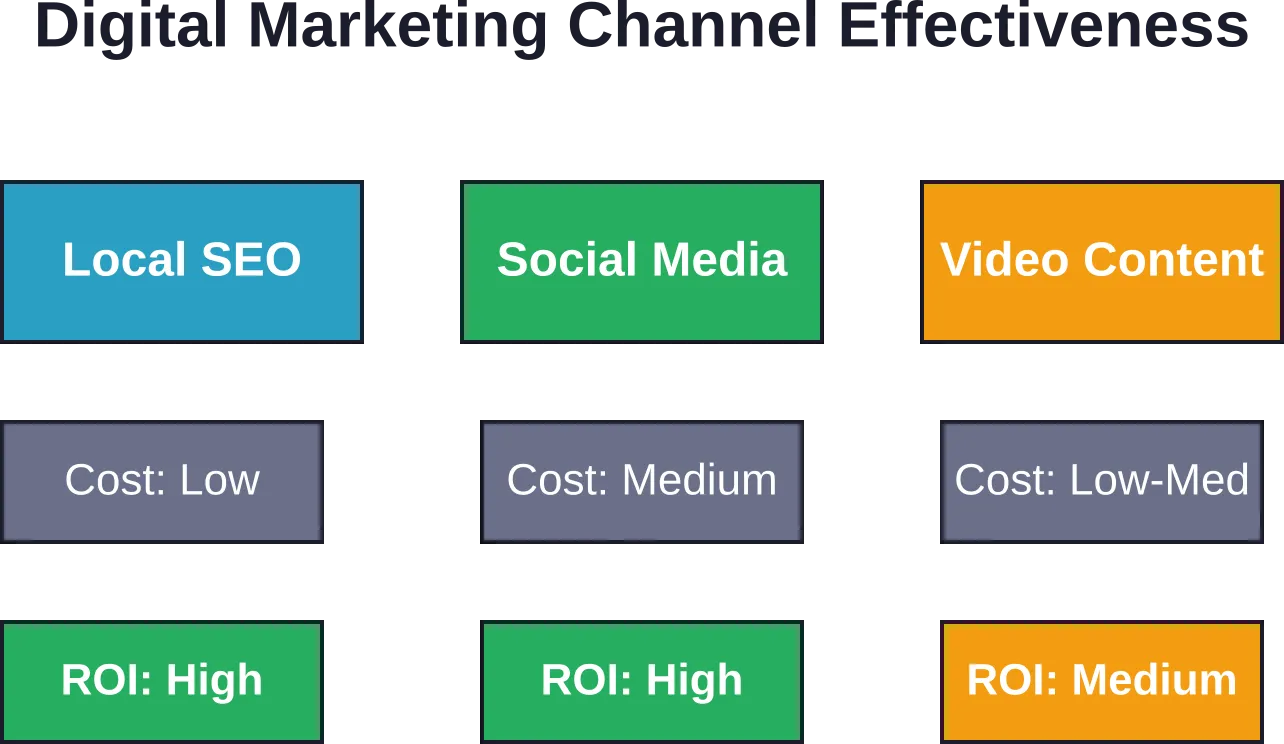
Email remains one of the highest-ROI marketing channels for motorcycle businesses. Building an email list through in-store signups, website forms, and event registrations creates a direct line to interested customers.
Effective email campaigns segment audiences by interest. Send maintenance reminders to existing customers. Showcase new inventory to recent browsers. Promote seasonal sales to price-sensitive buyers who haven't purchased in a while.

Extuitive helps businesses predict how ad creatives may perform before they go live. It compares copy, visuals, offers, and audience angles, then shows which ideas look stronger or weaker before campaign budget is spent.
For motorcycle businesses, this can help review product, service, or local campaign ideas before running them.
Extuitive can help with:
👉 Book a demo with Extuitive to review your ad ideas.
Motorcycle culture is inherently social. Riders want to connect with other enthusiasts, share experiences, and be part of something larger than a transaction. Event marketing taps into this desire.
Organizing group rides from the dealership creates memorable experiences while showcasing bikes in action. These events attract both current customers and prospective buyers who want to test ride models or simply be part of the community.
Promote rides through social media, email, and in-store signage. Keep the barrier to entry low—beginners should feel welcome, not intimidated. Provide route maps, safety briefings, and a clear meeting time.
Nothing sells a motorcycle better than letting someone ride it. Demo days allow potential buyers to experience multiple models without the pressure of a traditional sales environment.
Partner with manufacturers to bring in the latest bikes. Set up a designated test route that showcases performance characteristics. Collect contact information from participants for follow-up marketing.
Charity events position the business as a community partner while generating positive publicity. Organize rides that benefit local causes, with registration fees going to charity. These events attract media coverage and create goodwill that extends well beyond the event itself.
Motorcycle influencers have built dedicated followings of engaged riders. Partnering with these content creators extends brand reach to audiences that already trust their recommendations.
Look for influencers whose values align with the brand. A custom bike builder's audience differs significantly from a touring vlogger's. Choose partners whose followers match the target customer profile.
User-generated content amplifies this strategy. Encourage customers to share photos of their bikes using a branded hashtag. Feature the best submissions on official social channels. This creates social proof while providing authentic content that resonates with other riders.
Acquiring new customers costs significantly more than retaining existing ones. Loyalty programs incentivize repeat business while building long-term relationships.
Simple membership programs work well for motorcycle businesses. Offer tiered perks like 10% off gear for members, priority service scheduling, or VIP access to events. The structure doesn't need to be complicated—clarity and tangible benefits matter more than elaborate point systems.
Service reminders integrated into loyalty programs keep the business top-of-mind. Send automated emails when a customer's bike is due for maintenance, with a member discount code included. This combines convenience with savings, driving both service revenue and customer satisfaction.
Seasonal campaigns capitalize on predictable buying patterns throughout the year. Spring represents peak buying season as riding weather returns. Dealers can launch "Spring Ride Ready" campaigns featuring financing specials, trade-in bonuses, and accessory bundles.
End-of-season closeouts in fall create urgency for buyers who want deals on current-year models before new inventory arrives. These campaigns combine price incentives with scarcity messaging to accelerate decision-making.
Trade-in promotions lower the barrier to upgrading. Advertise above-market trade values for a limited time, creating urgency for riders considering a new bike. These events generate qualified leads—people who walk in during a trade event are serious buyers, not just browsing.
Many potential buyers hesitate because of upfront costs. Promoting low-rate financing or deferred payment programs addresses this objection directly. According to the U.S. Small Business Administration, the 7(a) loan program offers loans up to $5 million with SBA guarantees up to 75%—information that's valuable for dealers themselves when financing inventory or expansion.
For customer-facing campaigns, partner with lenders to offer competitive rates and highlight payment examples: "Ride for $199/month" resonates more than a sticker price.
Educational content positions the business as an expert resource, not just a sales operation. This builds trust with potential customers who research extensively before buying.
Create video tutorials covering basic maintenance tasks: oil changes, chain lubrication, tire pressure checks. Riders appreciate this information, and it keeps the brand visible during their ownership experience. Some viewers will tackle these tasks themselves; others will realize they'd rather pay for professional service—both outcomes have value.
Compile guides to the best riding routes near the dealership. Include maps, difficulty ratings, and points of interest along the way. This content serves the community while reinforcing the business's local expertise. It's highly shareable and generates backlinks from local tourism sites and riding forums.
Detailed buying guides help undecided shoppers narrow their options. Compare models within specific categories: beginner bikes, touring motorcycles, off-road machines. Honest, balanced comparisons build credibility—even if some recommended models aren't currently in stock.
Marketing tactics should align with the specific type of motorcycle business. Dealers, independent shops, and specialty retailers face different challenges.
Dealerships benefit from manufacturer co-op advertising funds. Leverage these budgets for branded campaigns that meet manufacturer requirements while promoting local inventory. Digital ads, billboards near high-traffic areas, and sponsorships of local riding events all qualify.
Showroom events create reasons for people to visit beyond browsing bikes. Host bike nights, manufacturer rep visits, or riding gear fashion shows. These events fill the showroom with potential buyers in a low-pressure environment.
Independent shops compete on service quality and personal relationships. Customer testimonials become the most powerful marketing asset. Video testimonials where customers explain why they trust the shop carry far more weight than any ad copy.
Specialty services deserve dedicated marketing. If the shop excels at vintage bike restoration or performance tuning, create content showcasing that expertise. Before-and-after photo galleries, project timelines, and technical explanations attract enthusiasts seeking those specific services.
Product demonstrations highlight features that aren't obvious from online descriptions. Live-stream or record videos showing how gear performs in real conditions: waterproof jackets in rain, helmet noise levels at speed, luggage capacity for touring.
Style-focused content appeals to riders who view gear as part of their identity. Partner with local photographers for lifestyle shoots featuring products in authentic riding scenarios, not sterile studio settings.
Tracking results separates successful campaigns from wasteful spending. Every marketing channel should connect to measurable outcomes.
For digital campaigns, track cost per lead and conversion rates by channel. Google Analytics and Facebook Pixel data reveal which ads drive showroom visits and which generate dead-end clicks. Adjust budget allocation based on performance, not assumptions.
Phone tracking numbers assigned to specific campaigns measure offline conversions from online ads. When a customer calls a unique number from a Facebook ad, that data attributes the lead accurately—even if the sale happens days later in person.
Customer surveys at point of purchase answer the critical question: "How did you hear about us?" Simple verbal confirmation during paperwork provides directional data about which marketing efforts penetrate customer awareness.
Relying on a single channel creates fragile marketing that collapses when that channel underperforms. Diversification across digital, events, and traditional media provides stability. If Facebook algorithm changes tank organic reach, email lists and local SEO continue generating leads.
Neglecting mobile optimization costs conversions. Most motorcycle research happens on smartphones—riders browse inventory during lunch breaks or while talking bikes with friends. Websites that load slowly or display poorly on mobile devices lose those visitors instantly.
Ignoring negative reviews amplifies their damage. Responding professionally to criticism demonstrates accountability and often flips unhappy customers into advocates. Prospective buyers read responses as carefully as the reviews themselves, judging the business's character by how it handles problems.
Effective marketing for motorcycle businesses balances digital reach with authentic community connection. The dealers and shops that thrive understand their specific audience, meet customers where they naturally gather, and create experiences that extend beyond transactions.
Start with foundations: optimize local search presence, build an email list, and establish consistent social media activity. Layer in events that bring the community together and create memorable brand experiences. Measure everything, cut what doesn't work, and double down on tactics that generate real sales.
The motorcycle industry continues evolving, but the core principles remain constant. Riders want to work with businesses that understand their passion, respect their intelligence, and contribute positively to the broader community. Marketing that reflects these values will always outperform generic advertising, regardless of which specific channels or tactics are deployed.
Ready to accelerate motorcycle business growth? Choose two or three strategies from this guide and commit to executing them consistently for the next 90 days. Measure results honestly. Then refine and expand based on what the data reveals about the specific market and customer base.


