Top AI Tools for Facebook Ads That Maximize Results
Discover top AI tools for Facebook Ads that optimize campaigns, increase performance, and save time. Find the best AI-powered solutions for your business.
Jan 6, 2026



Quick Summary: Aviation professionals can boost visibility and client acquisition through buyer persona research, mobile-first video content, strategic SEO, LinkedIn advertising, email segmentation, and industry partnerships. Data-driven tactics like conversion-optimized websites, targeted digital ads, and analytics tracking deliver measurable ROI in this specialized market.
Standing out in the aviation industry feels different than most markets. The sales cycles stretch longer. Regulations add layers. Buyers expect expertise before they commit to six-figure decisions.
But here's the thing—aviation marketing isn't impossible. It just requires specialized tactics that respect the technical complexity and trust thresholds unique to this field.
Selling an aircraft, flight training, maintenance services, or aviation technology isn't the same as selling consumer products. Buyers expect trustworthiness, expertise, and a clear return on investment before making decisions.
That's where targeted marketing strategies come in. The right approach transforms quiet pipelines into steady streams of qualified leads.
Aviation operates in a specialized competitive environment. Buyers research extensively. Decision-makers scrutinize safety records, certifications, and operational histories before engaging.
Traditional marketing playbooks often miss the mark. Generic campaigns fail to address the technical language, regulatory awareness, and risk considerations aviation professionals prioritize.
The industry faces unique challenges right now. Business aviation managers face staffing challenges due to increased competition from airlines and an overall decline in people choosing aviation careers. This workforce dynamic creates both recruitment marketing opportunities and competitive pressure for talent retention.
The FAA is building a brand-new air traffic control system with Congressional support including a $12.5 billion down payment.
These shifts reshape the operational landscape—and create content opportunities for professionals who can explain what modernization means for flight operations, safety, and efficiency.
Generic targeting burns budgets fast in aviation. The decision-makers span vastly different profiles: corporate COOs evaluating charter services, maintenance managers sourcing parts, flight school prospects weighing career paths, aerospace engineers comparing technology vendors.
Real talk: one aviation business crafted a detailed persona for charter leads. The profile looked like this: Evan Mitchell, 45, COO of a mid-to-large corporation, married with two children, living in an upscale Kansas City suburb. Income: $200,000+ annually. Values: efficiency, luxury, privacy, reliability.
That level of specificity transforms messaging. Instead of broad appeals about "quality service," campaigns spoke directly to time savings, confidentiality, and consistent on-time performance—the exact priorities a high-level executive cares about.
Creating personas requires research. Interview existing clients. Analyze CRM data for patterns in job titles, industries, and pain points. Survey prospects about decision criteria.
Once defined, personas guide every marketing decision: which platforms to prioritize, what language to use, which case studies to feature, even the visual style of creative assets.
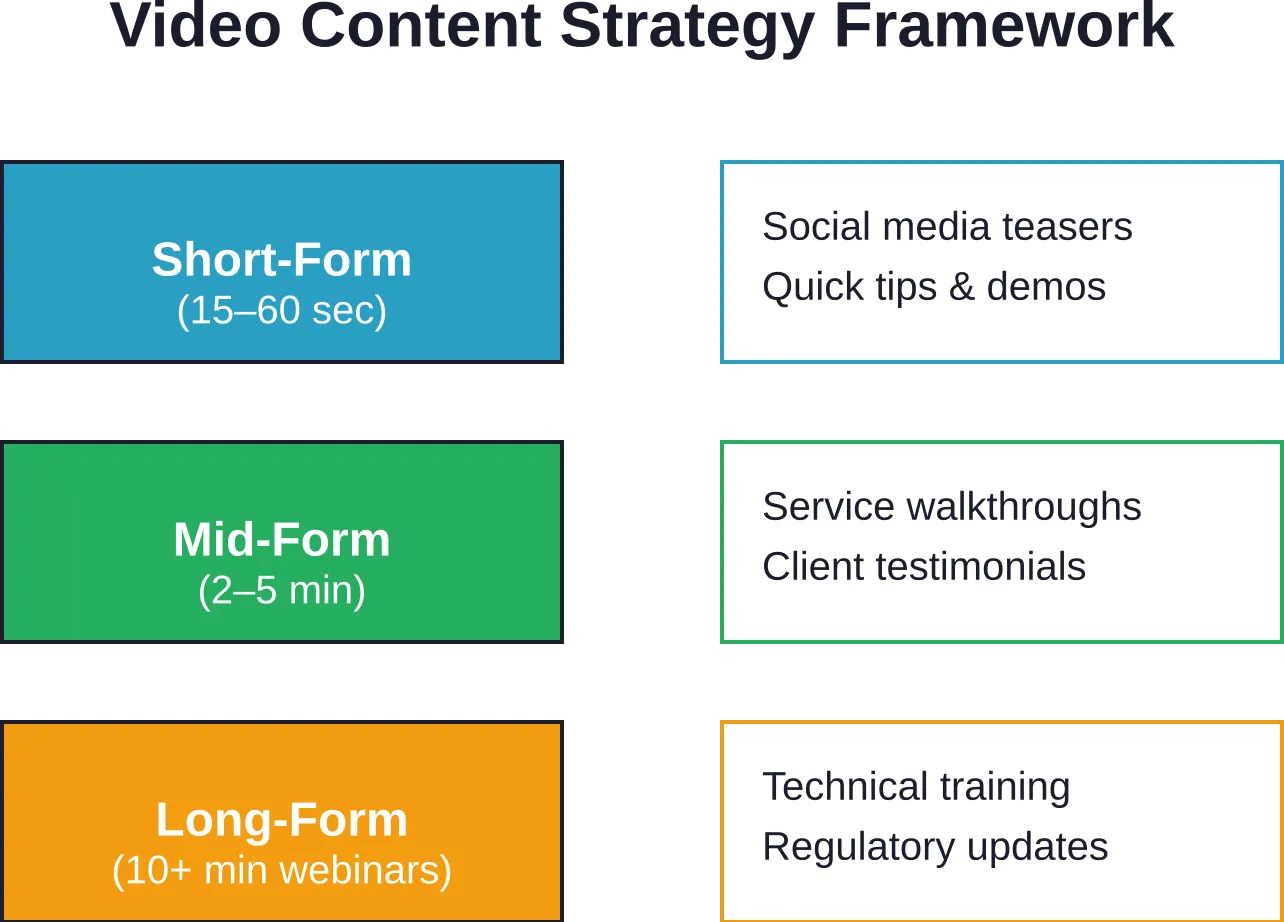
Video dominates attention spans—and aviation offers inherently visual storytelling opportunities. Cockpit walkthroughs, maintenance procedure explainers, facility tours, testimonials from satisfied clients.
The key? Mobile optimization. Most aviation content gets consumed on phones during research phases, commutes, or downtime. Videos must load quickly, display clearly on small screens, and deliver value in the first five seconds.
Short-form video performs especially well on social platforms. A 60-second clip showing a pre-flight inspection process can demonstrate expertise more effectively than a thousand-word blog post—and it's far more likely to get shared.
Longer-form content has its place too. Webinars explaining regulatory changes, recorded Q&A sessions with technical experts, or deep-dive tutorials on complex procedures build authority and trust.
But start with mobile-first thinking. Vertical or square formats. Captions for sound-off viewing. Clear visual hierarchy. Fast cuts to maintain engagement.
Aviation social media isn't about posting random content and hoping for engagement. Effective strategies start with clear, measurable goals tied to business outcomes.
Specific goals might look like: increase discovery flight bookings by 20% in six months, or generate 50 qualified leads for aircraft detailing services.
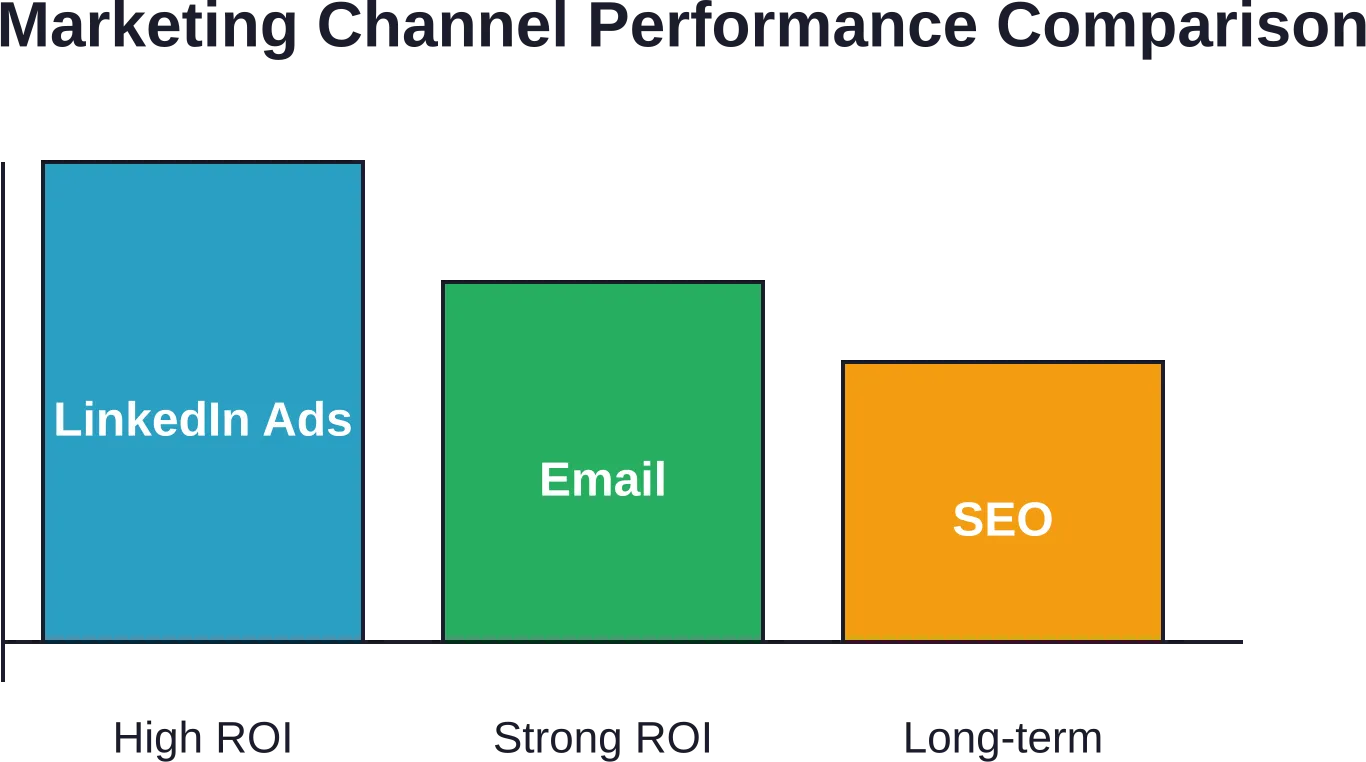
Platform selection matters. LinkedIn dominates B2B aviation marketing. Decision-makers in aerospace manufacturing, MRO services, and fleet management actively use the platform for research and networking.
One campaign targeting aviation professionals on LinkedIn achieved impressive results: 57,607 impressions, 462 clicks, a 0.8% click-through rate (benchmark: 0.4%), and a CPM of $4.43 (benchmark: $40–$60).
Those numbers prove targeted aviation campaigns can significantly outperform industry averages when messaging, audience segmentation, and creative align properly.
Instagram and Facebook work better for flight schools, tourism-related aviation services, and consumer-facing brands. Visual platforms showcase aircraft aesthetics, lifestyle elements, and experiential content.
But wait—don't spread resources thin. Better to dominate one platform with consistent, high-quality content than maintain mediocre presences across five.
Posting consistency builds algorithmic favor and audience trust. Establish a sustainable cadence: three LinkedIn posts weekly, daily Instagram stories, or bi-weekly YouTube uploads—whatever the team can maintain long-term.
Traffic means nothing without conversions. An aviation website must guide visitors smoothly from curiosity to contact.
User experience foundations include fast load times, intuitive navigation, and mobile responsiveness. According to research on accommodation bookings, 50% of searches and bookings now happen on mobile devices—and aviation service research follows similar patterns.
Clear calls-to-action (CTAs) make the next step obvious. "Request a Quote," "Schedule a Consultation," "Download Safety Specs"—specific CTAs convert better than vague "Learn More" buttons.
Strategic CTA placement matters. Above the fold on the homepage. At the end of service descriptions. Within blog content. After case studies.
SEO optimization ensures the right prospects find the site organically. Aviation keywords tend to be highly specific: "Part 135 charter certification consulting," "turbine engine overhaul services Dallas," "commercial pilot training accelerated programs."
Long-tail keywords capture high-intent searches. Someone searching "best flight schools" is browsing. Someone searching "ATP certification program cost Houston" is close to deciding.
Technical SEO elements—page speed, mobile-friendliness, structured data, XML sitemaps, HTTPS security—provide the foundation. On-page optimization—title tags, meta descriptions, header hierarchy, keyword placement—builds visibility.
Content depth matters. Comprehensive service pages that answer common questions, explain processes, address concerns, and showcase expertise outrank thin pages every time.
Email remains one of the highest-ROI marketing channels—when executed strategically. Generic blasts to entire lists underperform. Segmentation and personalization drive results.
One aviation business saw email open rates of 29.7% overall. When they implemented targeted segmentation, specific campaigns achieved 41.9% open rates.
Another campaign focused on charter services reached a 34.5% open rate with a 0.3% click-through rate. A follow-up campaign optimizing subject lines and content achieved a 35.2% open rate and 0.7% click-through rate—more than doubling engagement.
Segmentation variables for aviation email lists include: service interest (charter, training, maintenance), company size, job role, engagement level, and purchase stage.
Content types that perform well: safety bulletins, regulatory updates, maintenance tips, industry news digests, case studies, promotional offers, event invitations.
Frequency matters. Too many emails annoy subscribers. Too few and they forget who sent the message. Testing reveals optimal cadence for each audience—often weekly or bi-weekly for engaged segments, monthly for broader lists.
Automation sequences nurture leads efficiently. A prospect downloads a white paper, triggering a five-email sequence over three weeks that educates, builds trust, and eventually offers a consultation.
Organic reach takes time to build. Paid advertising accelerates visibility and lead generation when targeting precision matches budget allocation:

Aviation-focused campaigns often operate in highly competitive niche markets, which can make weak ad decisions expensive once the budget starts moving. Extuitive gives businesses earlier insight into campaign performance through predictive advertising technology and AI-powered consumer simulations before ads go live.
Use Extuitive to:
👉Book a demo with Extuitive and see which aviation campaigns may be worth scaling before launch.
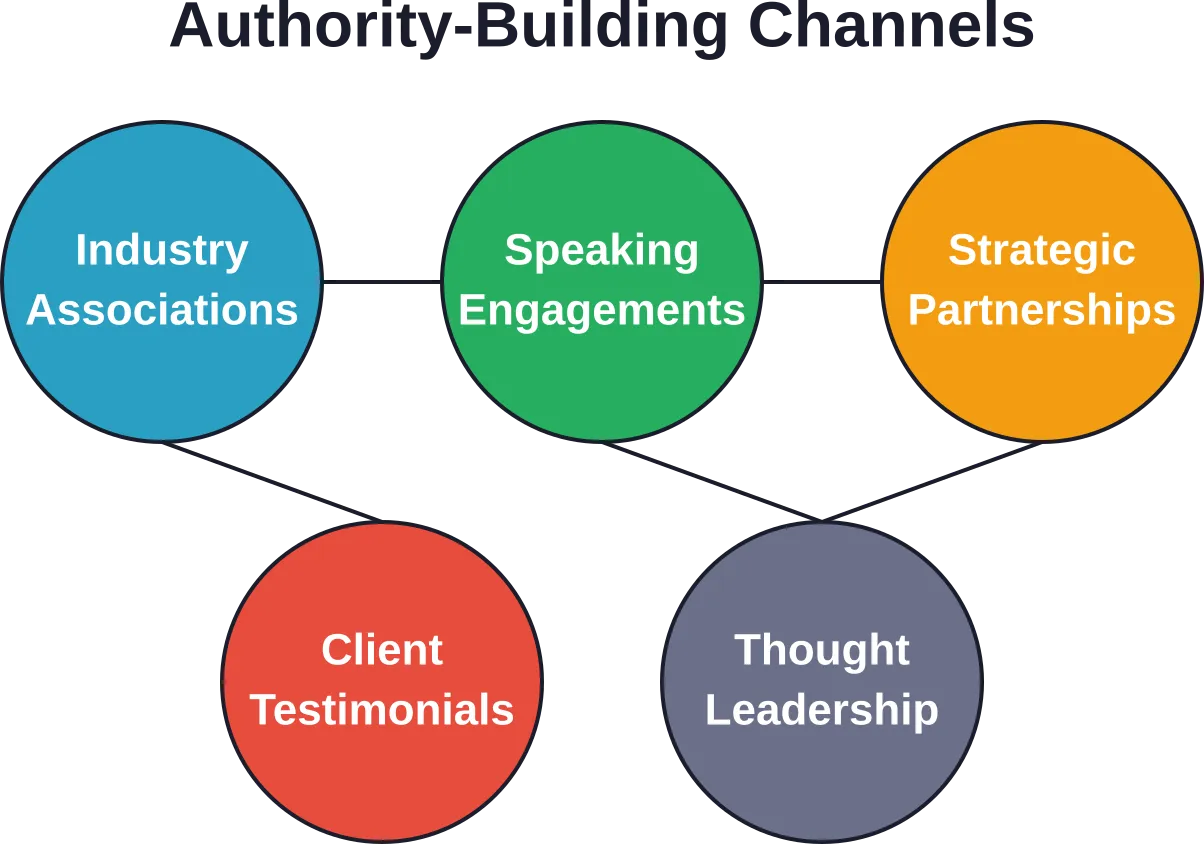
Credibility matters enormously in aviation. Associations, certifications, partnerships, and endorsements signal trustworthiness to cautious buyers.
The National Business Aviation Association (NBAA) offers vendors and suppliers exclusive networking, prospecting, and advertising opportunities year-round to help build networks and grow businesses.
Membership in recognized industry organizations provides legitimacy. It also opens networking opportunities, conference speaking slots, and co-marketing possibilities.
Strategic partnerships amplify reach. A flight school partners with aircraft manufacturers for training programs. A maintenance facility partners with parts suppliers for bundled service packages. A charter operator partners with luxury hotels for comprehensive travel solutions.
Speaking engagements and thought leadership position professionals as experts. Presenting at industry conferences, contributing to trade publications, participating in webinar panels—all build recognition and authority.
Case studies and testimonials from recognized clients carry weight. When a Fortune 500 company or government agency endorses services, prospects take notice.
Marketing without measurement wastes resources. Analytics reveal what works, what doesn't, and where to allocate budget for maximum return.
Key performance indicators (KPIs) for aviation marketing include: website traffic sources, conversion rates by channel, cost per lead, lead-to-customer rate, customer acquisition cost, customer lifetime value.
Google Analytics tracks website behavior. Which pages attract the most visitors? Where do people drop off in conversion funnels? Which traffic sources deliver the highest engagement?
CRM systems track lead progression. How long from initial contact to closed deal? Which marketing touches appear in successful customer journeys? Which lead sources produce the highest close rates?
Email platforms measure open rates, click rates, unsubscribe rates. A/B testing reveals which subject lines, content formats, and CTAs resonate.
Social media analytics show engagement patterns. Which content types generate the most comments, shares, saves? When is the audience most active? Which posts drive website traffic?
Ad platforms provide granular performance data. Which audiences convert best? Which ad creative performs strongest? Which placements deliver the lowest cost per acquisition?
Regular reporting creates accountability. Monthly reviews identify trends. Quarterly deep dives inform strategic adjustments. Annual analyses guide budget allocation for the next fiscal year.
But data alone doesn't improve results—action does. Testing hypotheses, implementing changes, measuring impact, iterating based on results.
Public relations builds brand visibility and credibility through earned media, strategic communications, and reputation management.
Organizations that implement tailored aviation public relations strategies can enhance brand visibility and foster customer loyalty:
The industry continues evolving. Several trends are reshaping how aviation professionals approach marketing:
Many aviation professionals lack in-house marketing expertise. Specialized agencies bridge that gap.
Look for agencies with demonstrated aviation industry experience. Generic marketing firms often miss the technical nuances, regulatory context, and trust-building requirements unique to this sector:
Aviation marketing success doesn't come from generic tactics applied carelessly. It requires understanding the unique dynamics of this specialized industry.
Longer sales cycles demand patient nurturing. Regulatory complexity requires accurate, trustworthy messaging. Safety-critical decisions mean buyers scrutinize credentials and track records intensely.
The professionals who win combine strategic precision with consistent execution. They know their buyer personas intimately. They create content that demonstrates expertise. They optimize every conversion point. They measure rigorously and adjust based on data.
Start with one or two channels and execute them exceptionally before expanding. Better to dominate LinkedIn with brilliant targeted campaigns than spread thin across six platforms with mediocre content.
Test, measure, iterate. Marketing isn't a set-it-and-forget-it operation. What works this quarter might underperform next quarter as algorithms change, competitors adjust, or market conditions shift.
The aviation industry is evolving rapidly. New technologies, workforce challenges, infrastructure modernization, and sustainability priorities reshape the landscape. Marketing messages must evolve with it.
Ready to elevate your aviation marketing? Start by auditing current efforts. What's working? What's wasting the budget? Where are the biggest opportunities? Then build a focused plan addressing the highest-impact areas first.
The sky isn't the limit—it's just the beginning.


