Top Tools for Meta Ads Transparency and Competitor Analysis in 2026
Discover top platforms for Meta ads transparency and competitor analysis in 2026. From free libraries to spy tools that reveal winning ad strategies now.
Mar 24, 2026



Plant nursery marketing combines digital strategies like Instagram stories and SEO with time-tested tactics including seasonal promotions, workshop events, and community partnerships. Success requires understanding your target market—whether wholesale landscapers or retail gardeners—and tailoring messaging across channels while showcasing plant health, expertise, and authentic farm experiences that build customer loyalty.
The nursery industry represents substantial economic value—Oregon's nursery and greenhouse sector alone was valued at $1.22 billion in 2022. Yet many nursery operators struggle to translate quality plant production into consistent customer acquisition.
Here's the thing though—marketing a plant nursery requires a fundamentally different approach than selling most products. Plants are seasonal, perishable, and deeply tied to local climate and customer expertise. A homeowner buying petunias for weekend planting has completely different needs than a commercial landscaper sourcing 500 Japanese maples for a subdivision project.
This guide breaks down practical marketing ideas across digital channels, in-person tactics, and strategic positioning that nurseries of all sizes can implement immediately.
Before launching campaigns or booking ad space, nurseries need clarity on who they're actually serving. The messaging that resonates with wholesale buyers falls flat with home gardeners, and vice versa.
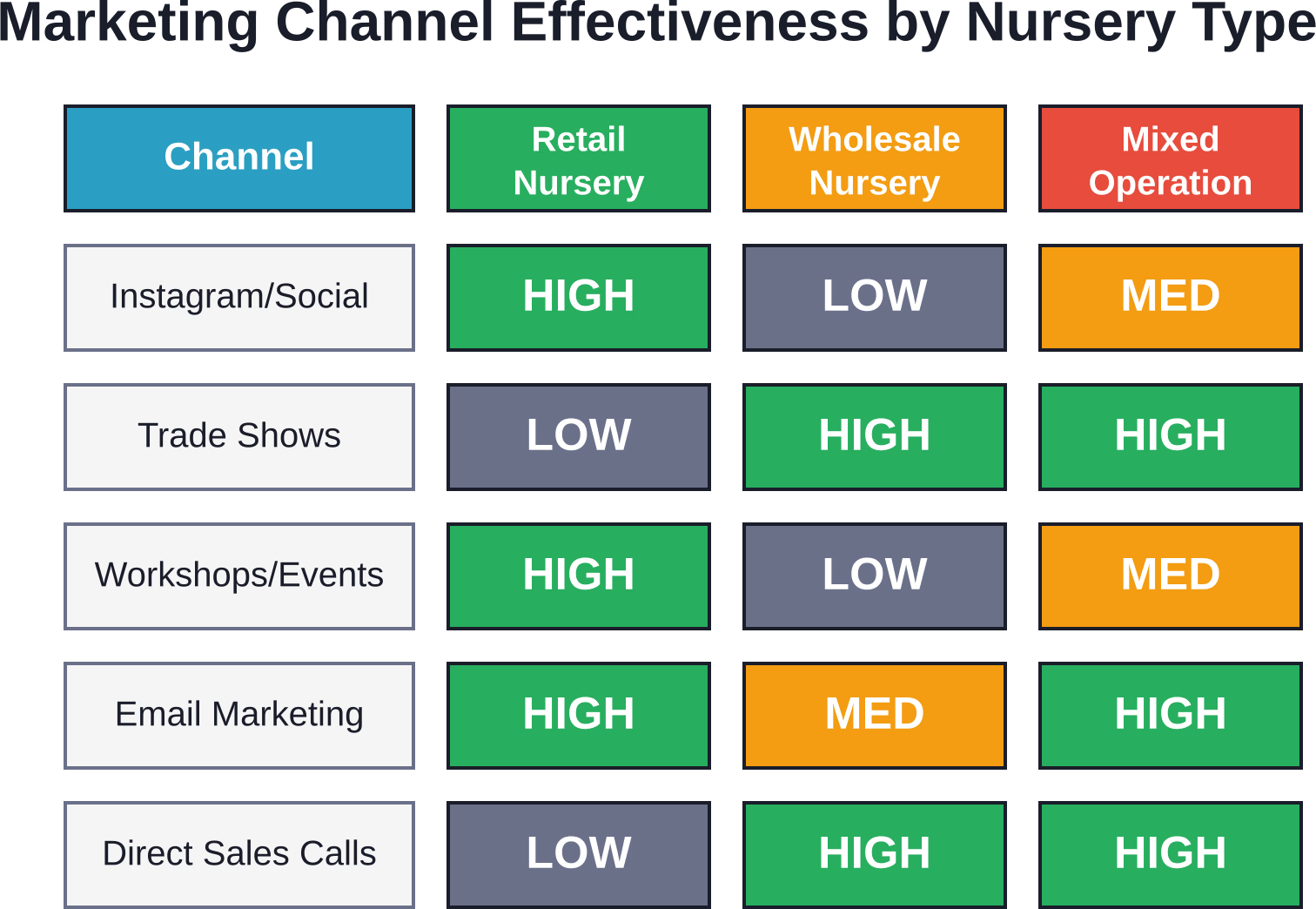
Wholesale nurseries selling to landscapers, garden centers, and municipal buyers compete on inventory depth, plant quality, and reliable delivery schedules. Marketing focuses on industry relationships, trade show presence, and demonstrating operational reliability.
Retail nurseries serving homeowners compete on experience, education, and convenience. These customers want design inspiration, planting advice, and assurance their investment won't die in three weeks.
According to USDA Nursery and Christmas Tree Production survey data, over 6,500 operations sampled have gross sales of $10,000 or more annually in the 17 largest nursery producing states. Understanding where your operation sits helps benchmark appropriate marketing investments.
Most nurseries serve multiple segments. The key is tailoring messaging by channel rather than trying to be everything to everyone in every communication.

Extuitive helps teams review ad concepts before launching campaigns. The platform uses AI models to forecast likely performance, compare creative options, and support better decisions around messaging and targeting.
For plant nurseries, this can be useful when choosing between different product, seasonal, or local campaign ideas.
Extuitive can help with:
👉 Book a demo with Extuitive to review your ad ideas.
Online presence isn't optional anymore—even for wholesale-focused operations. Landscapers research suppliers online. Homeowners check Instagram before driving across town. Digital channels offer nurseries cost-effective ways to showcase inventory, establish expertise, and stay top-of-mind during planning seasons.
Instagram stories are content that lasts 24 hours before disappearing. Instagram stories have become an important way for farm operations to keep followers engaged and showcase authentic farm experiences.
For nurseries, stories work because they're low-pressure and high-frequency. Unlike polished feed posts that live permanently on your profile, stories let you share:
The temporary nature reduces perfectionism paralysis. Nursery owners can post daily without needing professional photography or scripted content. Combine feed posts for evergreen content with stories for timely updates—this dual approach keeps followers engaged without overwhelming your content calendar.
When someone searches "nursery near me" or "buy Japanese maples [city name]", local SEO determines whether your business appears. Most nursery customers won't drive more than 30 minutes for routine purchases, making local search visibility essential.
Optimize for local search by:
Real talk: most nursery websites are terrible. Outdated designs, no mobile optimization, zero information about current inventory. Simply having a functional, informative site with current pricing puts you ahead of many competitors.
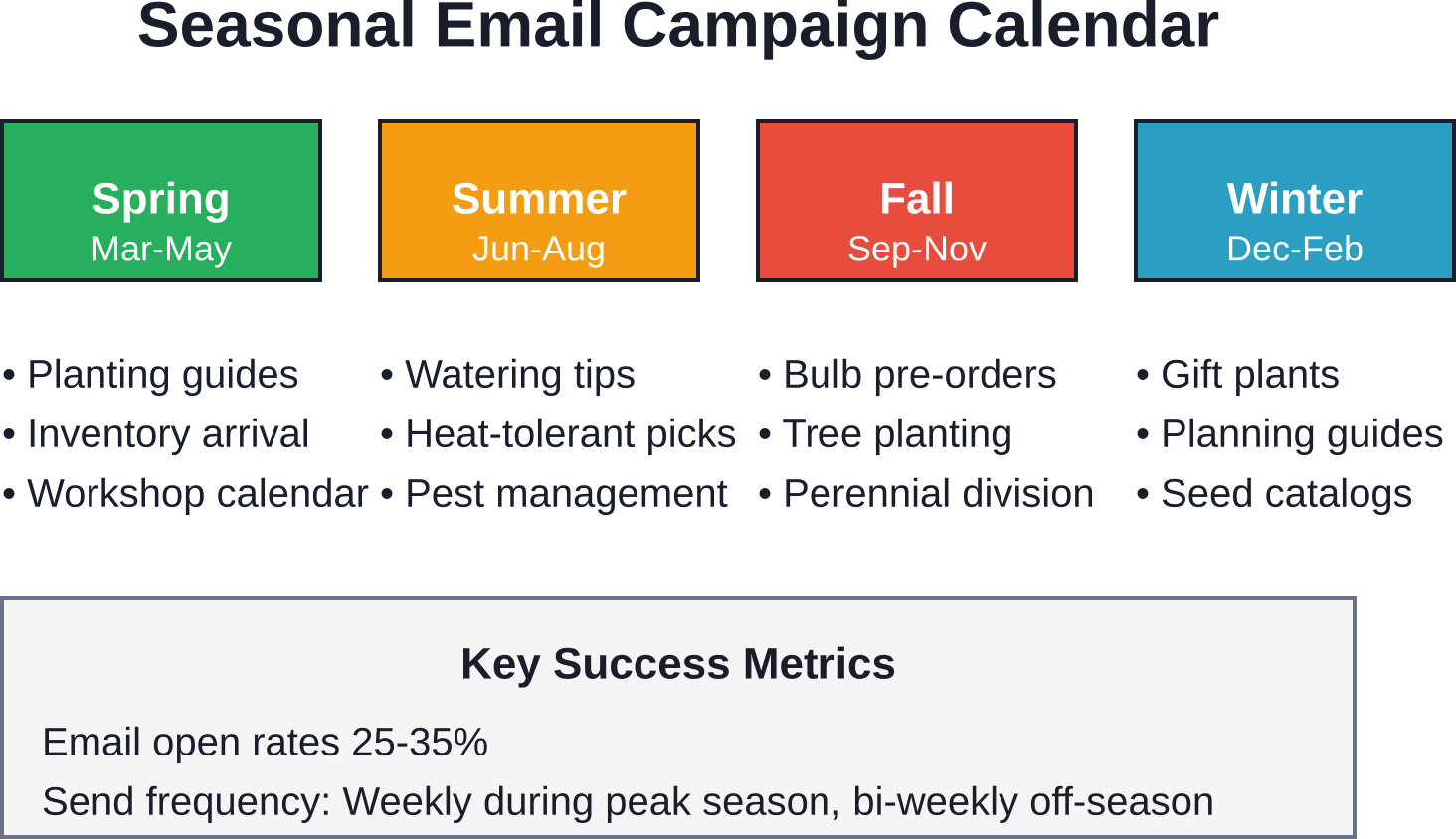
Email remains one of the highest-ROI marketing channels for retail businesses. Nurseries benefit because customer purchasing follows predictable seasonal patterns—spring planting, fall bulbs, holiday gift plants.
Build your email list through:
Send targeted campaigns based on customer purchase history. Someone who bought vegetable starts gets veggie-focused content. Shade tree buyers receive woody plant care tips. Segment by wholesale vs. retail to avoid sending homeowner promotions to landscape contractors.
Digital channels build awareness, but nursery businesses thrive on physical experiences. Customers want to see plant health, ask questions, and get confidence they're making smart choices. In-person marketing creates these moments while building community reputation.
Educational workshops position nurseries as experts while generating revenue and building customer relationships. Charge a participation fee to ensure serious attendees and include a small plant or product as a takeaway.
Popular workshop topics include:
Schedule workshops during slower sales periods to maximize facility use. A Tuesday evening workshop in late February fills the greenhouse when foot traffic is otherwise minimal. Participants become familiar with the space and staff, increasing likelihood of future purchases.
Partner with local experts—extension agents, master gardeners, landscape designers—to expand topic range without requiring staff expertise in everything. These partnerships also tap into the partner's existing audience.
Timing promotions to match planting windows drives urgency while helping customers succeed. Plants installed at optimal times establish better, leading to satisfied customers who return.
Effective seasonal promotions include:
Create urgency with limited-time offers and inventory scarcity messaging. "Spring vegetable starts available this week only" converts better than "Vegetable starts now available."
Nursery tours transform customers into advocates by revealing the expertise and care behind plant production. Seeing propagation benches, understanding pest management strategies, and watching seasonal workflows builds appreciation for pricing and plant quality.
Structure tours with interactive elements:
Charge a modest fee or require pre-registration to ensure committed attendees. Offer tour participants an exclusive discount valid that day only—converting educational interest into immediate sales.
Participating in farmers markets, community festivals, and school programs builds brand awareness beyond customers already seeking nursery products. These touchpoints introduce the business to new audiences in low-pressure environments.
According to Oregon State University Extension guidance on farmers market selling, these venues benefit both sellers and buyers—customers get fresh local products while supporting small businesses and local economies. For nurseries, markets provide opportunities to test new products, move excess inventory, and collect customer feedback.
Consider partnerships with:
These relationships create recurring revenue while embedding the nursery in community fabric.
Establishing expertise through content builds trust and attracts customers researching solutions before they're ready to buy. When homeowners search "best shade trees for small yards" and find your detailed guide, they remember the source when purchasing time arrives.
Regular blog content targeting local plant questions captures search traffic from potential customers. Focus on specific, answerable questions rather than broad topics:
Include local context that national garden sites can't match. Mention regional soil types, local climate patterns, and area-specific pest pressures. This localization improves search rankings while providing genuinely useful information.
Update seasonal content annually. A "Spring Planting Calendar" post from 2023 can be refreshed with new photos and current year dates, maintaining SEO value while staying relevant.
Some nursery topics require visual demonstration—proper pruning cuts, transplanting techniques, container arrangement design. Short videos (2-4 minutes) posted to YouTube, Instagram, and Facebook extend content reach while accommodating different learning preferences.
Video production doesn't require professional equipment. Smartphone cameras capture adequate quality for educational content. Prioritize clear audio and good natural lighting over cinematic production values.
Repurpose video content across platforms:
Wholesale nursery marketing operates differently than retail. Buyers are professionals making purchasing decisions based on reliability, quality consistency, and business terms rather than emotional connection or shopping experience.
Regional and national nursery trade shows concentrate qualified buyers in one location. These events justify investment for wholesale-focused operations seeking to expand customer base or launch new product lines.
Effective trade show strategies include:
Research in the Columbia Gorge region indicates grower interest in alternative cultivars and testing new fruit varieties. This same mindset applies to ornamental buyers—innovation and problem-solving drive wholesale purchasing decisions.
Landscape contractors source from reliable suppliers who understand project timelines and can deliver specific varieties when needed. Building these relationships requires direct outreach and consistent follow-through.
Target landscape companies by:
Create a professional catalog (digital and print) showing availability by size, with clear photos and specifications. Landscape designers need this reference material when planning projects months before installation.
Independent garden centers source inventory from wholesale growers, creating distribution opportunities for nurseries producing retail-ready plants. Success requires understanding retailer needs beyond just plant quality.
Garden centers evaluate wholesale suppliers on:
Visit retail partners during peak season to see how products perform on their benches. Understanding their merchandising challenges helps refine offerings and packaging.
Pricing communicates value positioning while directly impacting profitability. Nursery profit margins range widely—industry analyses indicate roughly 15% margins on high-volume wholesale contracts while specialty retail sales can exceed 50% margins depending on plant category and local competition.
Cost-plus pricing (calculate production costs, add markup percentage) ensures profitability but ignores market realities. A rare Japanese maple cultivar that cost the same to produce as a common variety deserves premium pricing based on scarcity and customer willingness to pay.
Value-based pricing considers:
Research competitor pricing but don't automatically match it. If plant quality, selection, or service exceeds competitors, pricing should reflect that difference.
Discounts drive traffic but train customers to wait for sales if overused. Strategic discounting targets specific goals without conditioning customers to expect constant markdowns.
Effective discount strategies include:
Avoid blanket "20% off everything" sales that erode margins across profitable and struggling products equally. Target discounts to achieve specific inventory or cash flow objectives.
Acquiring new customers costs more than retaining existing ones. Nurseries benefit from repeat business because gardening is ongoing—customers who succeed with initial purchases return for expansion projects, seasonal color changes, and replacements.
Plant guarantees reduce purchase risk, especially for less experienced gardeners hesitant about killing expensive trees. Clear policies build confidence while managing expectations.
Structure guarantees with conditions that encourage proper care:
These conditions protect against customers who ignore care instructions then demand refunds, while still offering meaningful reassurance to conscientious buyers.
Post-purchase follow-up helps customers succeed while keeping the nursery top-of-mind. Automated email sequences triggered by purchase type deliver timely guidance:
This ongoing education reduces plant mortality while demonstrating expertise and care beyond the initial transaction.
Satisfied customers recommend nurseries to friends and neighbors. Formalizing referrals with incentives accelerates word-of-mouth growth.
Effective referral programs offer value to both parties:
Make referrals easy to execute—provide shareable links, social media graphics, or physical cards customers can hand to friends. Friction kills participation even when incentives are generous.
Marketing effectiveness requires measurement. Without tracking, nurseries can't distinguish successful tactics from money-wasting activities.
Track these metrics monthly to evaluate marketing performance:
Compare performance month-over-month and year-over-year to identify trends. A 30% email open rate in March means something different than the same rate in August when gardening interest naturally declines.
Marketing improves through systematic testing. Change one variable at a time to isolate what drives results.
Test variables like:
Document test results and winning variations. Over time, these incremental improvements compound into significantly better performance.
Nursery marketing faces unique obstacles—seasonality, perishable inventory, weather dependency, and technical plant knowledge requirements. Understanding these challenges helps develop realistic strategies.
Nursery revenue concentrates heavily in spring months. Marketing during slower periods requires different approaches than peak season tactics.
Off-season marketing should focus on:
Use slower months to refresh marketing assets—update website photos, film educational videos, plan content calendars. This preparation prevents scrambling when spring demand arrives.
Home improvement chains sell plants as loss leaders, pricing below independent nursery costs. Competing on price is futile—compete on expertise, selection, and customer experience instead.
Independent nurseries win by emphasizing:
Marketing should explicitly address the quality difference. Side-by-side photos showing root development, plant size, or health differences educate customers on why prices differ.
Unexpected freezes, heat waves, or prolonged rain disrupt nursery operations and customer shopping patterns. Flexible marketing adapts to these realities.
Weather-responsive tactics include:
Heat waves and drought increasingly shape production decisions, with water efficiency and plant resilience rising in importance. Marketing that addresses these environmental realities positions nurseries as knowledgeable partners navigating changing conditions.
Successful nursery marketing balances multiple channels—digital presence for discovery, educational content for expertise positioning, in-person experiences for conversion, and relationship nurturing for retention. The specific mix depends on whether serving retail customers, wholesale buyers, or both segments.
Start with foundation elements: functional website with local SEO, Google Business Profile optimization, and email collection systems. Layer in content creation through social media, blog posts, or videos that demonstrate knowledge and build trust. Add community engagement through workshops, events, and local partnerships that position the nursery as a valuable resource beyond plant sales.
Track results monthly and shift resources toward highest-performing activities. What works for one nursery in one market may fail elsewhere—testing and adaptation matter more than following generic advice.
The nursery industry's substantial economic value—$1.22 billion in Oregon alone—demonstrates viable market opportunity. Capturing market share requires marketing that educates customers, builds confidence in plant purchases, and creates experiences that chains can't replicate. Implement these strategies systematically, measure what works, and refine continuously.
Ready to transform your nursery marketing? Start by auditing current activities against the frameworks in this guide, identifying the three highest-impact opportunities for your specific situation, and implementing those first. Marketing momentum builds through consistent execution of fundamentals, not sporadic campaigns.


