Will AI Take Over Cyber Security? The 2026 Reality Check
Explore whether AI will replace cybersecurity experts or enhance their capabilities. Discover how automation and human expertise coexist in modern security.
Apr 16, 2026



Choosing the right name for a furniture store requires balancing creativity, memorability, and brand positioning. The best furniture store names reflect the business style (modern, rustic, luxury), appeal to the target audience, are easy to spell and pronounce, and have available domains. Successful furniture businesses test names with potential customers and verify trademark availability before finalizing their choice.
Naming a furniture store sounds simple until the blank page stares back. The name becomes the first impression, the searchable term customers type, and the brand that appears on every receipt and delivery truck.
Getting it right matters. A memorable furniture store name helps customers find the business, remember it when they're ready to buy, and recommend it to friends furnishing their first apartment.
This guide breaks down hundreds of furniture store name ideas across different categories, explains what makes certain names stick, and walks through the practical steps for choosing a name that supports business growth rather than limiting it.
Before browsing name ideas, understanding what separates forgettable names from memorable ones saves time and regret later.
The strongest furniture store names share specific characteristics. They're easy to spell when customers hear them mentioned. They give some indication of what the business sells without being overly literal. And they sound professional enough that interior designers feel comfortable recommending them to clients.
According to brand naming research, the naming process typically includes testing names with target audiences to identify potential problems before rolling them out. Market research helps determine whether consumers will accept and remember a name.
Generic descriptive names like "City Furniture Store" tell customers exactly what to expect. But they're forgettable and nearly impossible to trademark.
Overly creative names like "Zephyr Zenith" might sound unique, but customers can't tell what the business sells. The sweet spot sits somewhere between—names that hint at furniture or home design while maintaining personality.
Names incorporating words like "wood," "home," "interiors," or "living" provide context without being completely generic. Adding a creative modifier creates distinction.
A brilliant furniture store name loses value if the matching domain isn't available. Before falling in love with any name, checking domain availability prevents heartbreak.
The USPTO maintains searchable trademark databases that show whether a name is already registered. According to federal trademark searching guidelines from the USPTO, searching the trademark database is an important part of doing a comprehensive clearance search before applying for trademark registration.
Modern furniture stores attract customers looking for clean lines, minimalist aesthetics, and current design trends. These names work well for businesses featuring Scandinavian design, mid-century modern pieces, or contemporary urban furniture.
Contemporary names benefit from crisp, short words. They sound current without dating themselves to a specific decade.
Rustic furniture appeals to customers seeking warmth, natural materials, and traditional craftsmanship. These names work for stores specializing in reclaimed wood, farmhouse styles, or handcrafted pieces.
Wood-related terms perform well in rustic furniture store names. They immediately communicate the material focus and craftsmanship customers expect.
Luxury furniture stores need names that convey exclusivity, quality, and sophistication. These names attract affluent customers and interior designers working on high-end projects.
Luxury names often incorporate French words, royal references, or terms associated with wealth and refinement. But they must sound sophisticated rather than pretentious.
Value-oriented furniture stores need names that communicate affordability without sounding cheap. These names attract price-conscious shoppers furnishing first homes or looking for practical solutions.
Niche furniture stores focusing on specific product categories need names that immediately communicate their specialization.
Some furniture stores succeed by choosing names that stand out completely from traditional naming patterns. These work when backed by strong branding and marketing.
Creative names pair unexpected words to create intrigue. The best combinations still evoke home, comfort, or craftsmanship without stating it directly.
Browsing hundreds of name ideas helps spark creativity. But the selection process requires systematic evaluation.
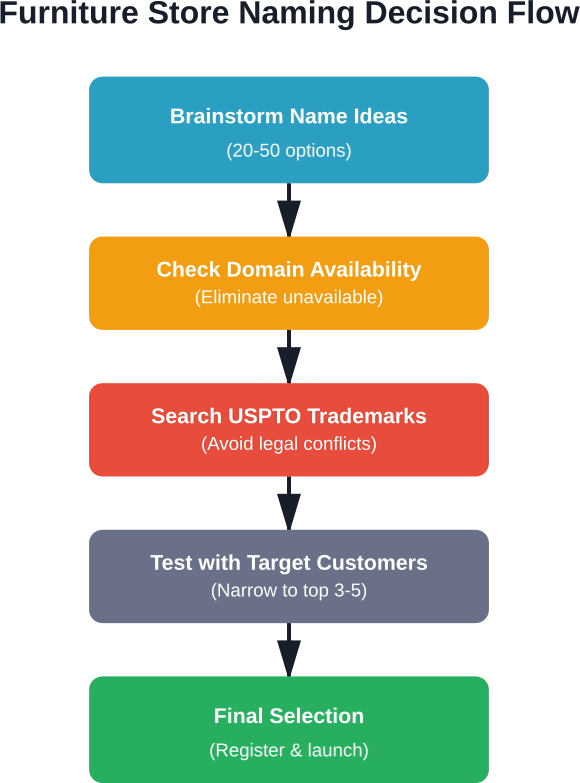
Start by writing down 20-50 potential names without filtering. Combine words from different categories. Mix descriptive terms with creative modifiers. Let the ideas flow without judgment.
Many furniture businesses use name generators as starting points, though the best names typically come from customizing generated ideas rather than using them verbatim.
Eliminate names that fail basic tests. Cross off anything that's difficult to spell when heard aloud. Remove names that create unfortunate acronyms or abbreviations. Delete options that sound too similar to existing competitors.
Check domain availability for remaining names. Tools show whether .com domains are available and what alternatives exist.
Search the USPTO trademark database for names still on the list. The USPTO provides free trademark search tools to check federal registrations. This step prevents legal issues and expensive rebranding later.
According to SBA business planning guidance, market research helps find customers while competitive analysis helps make a business unique. The name selection process combines both.
Narrow the list to 3-5 top choices. Share them with people representing the target customer base. Ask which names they remember after 24 hours. Find out which ones they'd recommend to friends.
Brand naming research methodology may involve surveys where respondents evaluate name options against criteria like memorability, appropriateness, and distinctiveness.
Avoid names that limit expansion. "City Bedroom Furniture" works until the store adds living room pieces or expands to neighboring towns. Names focusing on product categories or locations can create constraints.
According to SBA guidance on business planning, solid foundations support long-term growth. The furniture store name is part of that foundation.
Certain naming patterns create problems. Learning from common mistakes saves time and money.
The perfect name is just the beginning. How the name appears visually and sounds in marketing brings it to life.
Consider how the name looks in a logo. Short names work better for signage. Longer names might need abbreviations or visual treatments that emphasize key words.
Test the name in sentences customers actually use. "I'm heading to [Store Name] this weekend" should sound natural. "I got this couch at [Store Name]" needs to roll off the tongue.
Think about the tagline or descriptor that might accompany the name. "The Nest Collective - Modern Home Furnishings" clarifies what a creative name means. "Heritage Timber Co. - Handcrafted Rustic Furniture" reinforces the brand positioning.

A furniture store name can shape the brand, but campaign results still depend on the creative around it. Extuitive is built to help with that part. The platform predicts ad performance before launch, so teams can review concepts earlier and make decisions with more context before putting budget behind them.
Talk with Extuitive to:
👉 Book a demo with Extuitive to review ad concepts before launch.
Choosing a furniture store name feels overwhelming because it's one of the few business decisions that's expensive to change later. But overthinking leads to paralysis.
The reality? Most customers care more about the furniture quality, pricing, and customer service than the store name. A good name helps, but it won't save a business with poor products or terrible service.
Once the list narrows to a few solid options that are legally available, have matching domains, and resonate with target customers, pick one and commit. The name gains meaning through the experiences customers have with the business.
Smart business planning includes naming, but it's just one piece. According to SBA resources on business planning, market research and competitive analysis matter just as much. The furniture store name opens the door, but the business performance determines whether customers return.
Start with these name ideas, apply the evaluation criteria, run the trademark searches, and test with real customers. Then choose confidently and focus energy on building a furniture business that makes the name memorable for all the right reasons.


