Marketing Ideas for Plant Nursery Success: 2026 Guide
Discover proven marketing ideas for plant nursery businesses. From Instagram strategies to local events, learn how to attract customers and grow sales in 2026.
May 26, 2026



If you run a Shopify store and want to grow without taking on more inventory, Shopify Collective is worth knowing about. It’s a built-in feature that lets merchants sell each other’s products – no warehousing, no shipping, no complicated setup.
In this article, we’ll break down what Shopify Collective is, how it works for both retailers and suppliers, who’s eligible to join, and what to expect if you’re thinking about trying it. Whether you're looking to expand your catalog or get your products into more stores, this guide will help you figure out if Collective makes sense for your business.
Shopify Collective is a tool that lets Shopify merchants in supported countries partner with each other to sell more products without handling inventory. Retailers can import items from other stores and sell them under their own brand. Suppliers ship the products and get paid automatically when the order is fulfilled.
It’s not a marketplace and it’s not traditional dropshipping. It’s a way to grow your catalog or expand your reach by working directly with other trusted Shopify sellers, all from inside your existing Shopify setup.
Ecommerce isn’t just about running a store anymore. It’s about ecosystems. And Shopify, with millions of stores on its platform, is in a unique position to connect them.
Shopify Collective was designed to help merchants do two things. First is to expand without holding stock, and the second is to distribute without chasing wholesale deals.
Instead of sourcing from anonymous dropshipping suppliers overseas, Collective keeps everything inside Shopify. You partner with other verified merchants, get clean product feeds, automated fulfillment, and no need to manage shipping yourself.
It’s like native dropshipping, but curated, cleaner, and made for people who actually care about the customer experience.
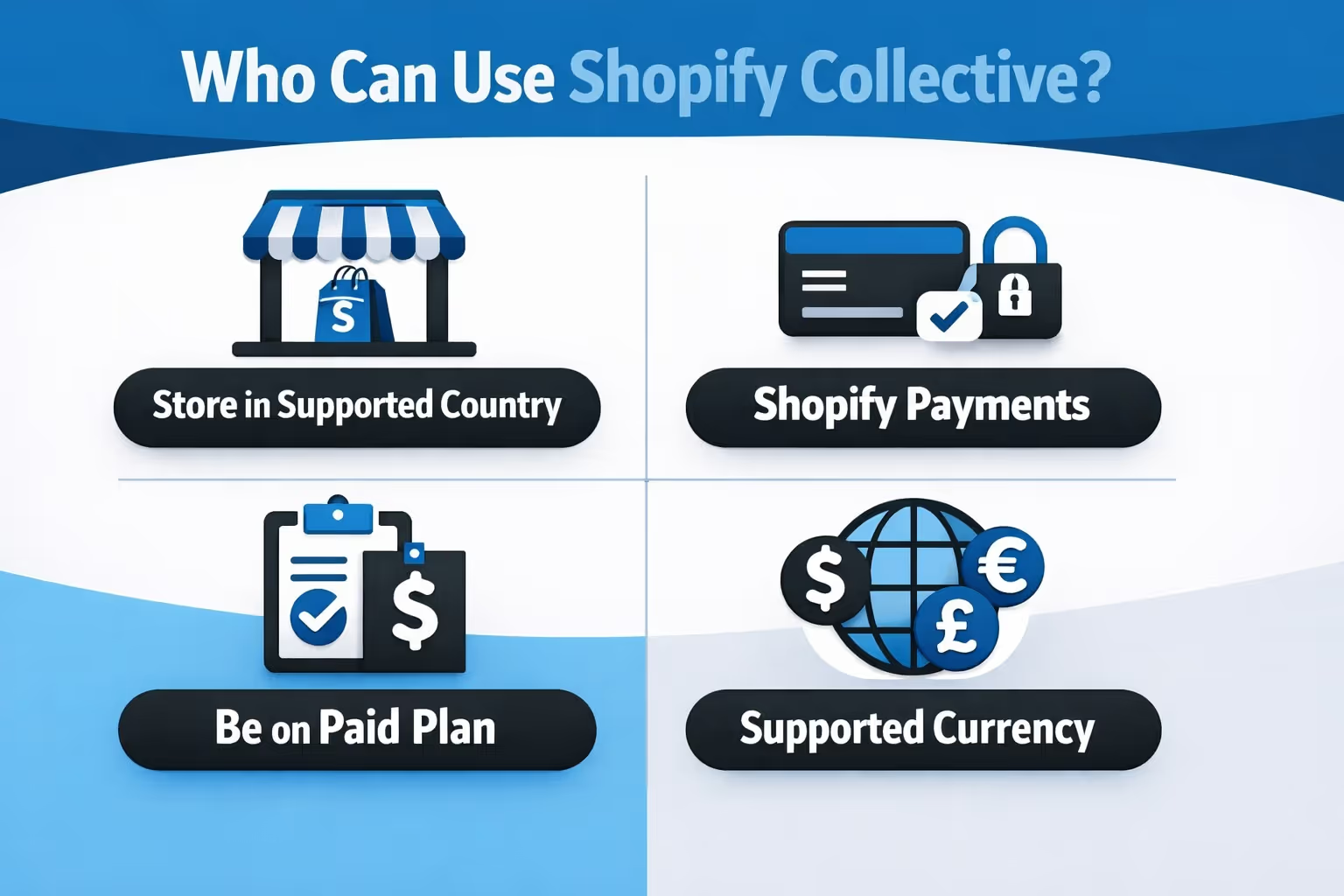
Shopify keeps things pretty simple here, but there are a few key requirements.
To be eligible:
There’s no minimum revenue requirement. Even small stores can apply as long as the basics are in place.
Let’s say you sell swimwear and your customers keep asking if you also carry beach towels or totes. You could ignore it, buy wholesale, or try dropshipping. But with Collective, you just import those products directly from another Shopify merchant’s catalog and start selling. No risk, no upfront cost.
Here’s how it works:
Once it’s set up, it’s pretty much hands-off for the retailer. You just focus on merchandising and customer experience. The supplier does the fulfillment.
Suppliers on Shopify Collective aren’t just sending products out into the void. You stay in control of who sells your items, how they’re priced, and what’s shown.
You’ll find the Shopify Collective: Supplier app right in your dashboard. If a retailer invites you, you can also join through the link they send.
Add the basics: fulfillment times, shipping rules, your logo, social handles, and anything else retailers should know about working with you.
This is where you define which products you want to share, who can see them, and what wholesale prices you’re offering. You also set the retailer’s margin here.
Every connection is opt-in. You can accept or decline requests, giving you full control over which stores can carry your products.
Once a retailer sells your product, the order shows up in your Shopify admin like any other. You pack and ship it from your end.
No need to send invoices. Shopify handles payouts through Shopify Payments once you mark the order fulfilled.
It’s a smart way to expand distribution without running ads, building wholesale systems, or dealing with spreadsheets.
Shopify Collective sounds nice in theory, but here’s what actually stands out once you use it.
For retailers:
For suppliers:
You can also act as both. Some of the most active users of Collective are brands that do both roles – selling their own products through partners while importing complementary products into their own storefront.
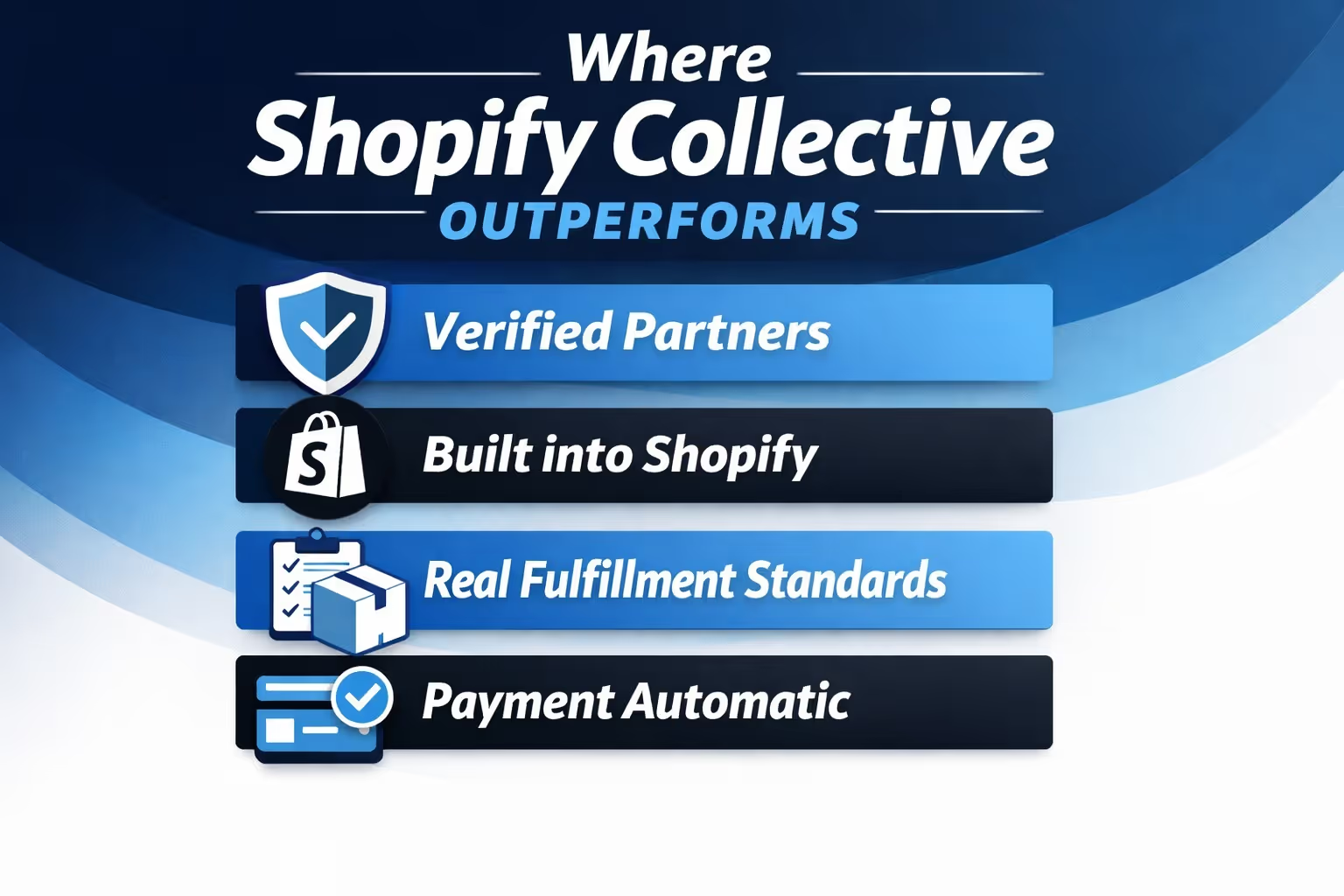
This is where the real distinction comes in. If you’ve ever tried AliExpress-style dropshipping, you know how messy it can get.
Here’s how Collective avoids that:
It’s closer to brand collaboration than it is to classic dropshipping.
Shopify Collective is powerful, but it’s not magic. Here are a few limitations you should keep in mind:
If your store isn’t based in a supported country, you won’t be able to join Shopify Collective for now. International access is supported in specific countries, and store currency must be a supported currency.
Collective is designed for shipped ecommerce orders only. If someone walks into your physical store, they won’t see or be able to purchase products you’ve imported through Collective.
Each retailer-supplier pair needs to coordinate returns on their own. There’s no built-in return flow that works across stores, so make sure expectations are clear from the start.
If a customer orders from multiple suppliers in a single checkout, they’ll receive more than one shipment. That could mean extra delivery costs and varied arrival times, so it’s worth noting in your shipping policy.
Everything inside Shopify Collective is handled manually in the admin. There’s currently no API support for automating invitations, syncing custom data, or extending workflows externally.
Still, none of these are dealbreakers if you're already used to ecommerce logistics. They're just things to plan for.
This isn’t for everyone. But if you fit one of these profiles, it might be exactly what you need:
Shopify Collective is great for:
It’s especially useful if you’ve been doing collaborations manually and want something smoother. Shopify handles the complexity. You just build the relationships.

At Extuitive, we work with Shopify merchants who don’t just want to expand their product catalog but want to make sure those new products actually sell. That’s where we come in. If you’re adding products through Shopify Collective, you’re already saving time on inventory and fulfillment. We help you go one step further by removing the guesswork from your marketing.
Our platform connects directly with your Shopify store. We generate ad creatives, validate them against behavioral models built from over 150,000 real personas, and predict purchase intent before you spend a dollar on campaigns. Whether you’re importing products from a new partner or offering your own through Collective, we’ll help you test what resonates before you launch it live.
The combination is powerful. Shopify Collective lets you expand without inventory headaches. We make sure that expansion turns into performance by helping you hit the right message, audience, and channel. For growing brands that care about efficiency, that’s not a small thing – it’s the part that keeps your growth from becoming guesswork.
Shopify Collective is one of those features that feels small at first, until you realize how much it can actually do. It’s not just about syncing products between stores. It’s about lowering the barrier to collaboration in ecommerce.
If you’re a retailer, you can finally test new ideas without tying up cash or storage space. If you’re a supplier, you can distribute without discounts or sales calls. And if you’re both, you’re probably already thinking about which products you could add or share.
Shopify built Collective to make growth more flexible. And for a lot of merchants, that’s exactly what’s needed right now.


