The Top AI Tools Revolutionizing Content Marketing Right Now in 2026
Discover leading AI platforms for content marketing in 2026. Create high-converting copy, SEO articles, and multi-channel campaigns to engage effectively.
Mar 24, 2026



Most store owners hit the same wall at some point – you want to sell more without turning your space into a storage unit or draining cash on products you’re not sure will move. That’s where Shopify Collective quietly flips the script. It’s a built-in Shopify tool that lets you connect with other stores, list their products, and earn from the sale – all without touching a box or spending upfront. And if you’re the one with products to share, it’s a way to get them in front of new customers without paid ads or messy affiliate links.
This article walks through how it actually works on both sides – retailer and supplier – and why it’s turning into a solid growth tool for a lot of brands. No buzzwords, no fluff. Just a plain-English breakdown.
Shopify Collective lets Shopify merchants team up. One store (the retailer) adds products from another store (the supplier) to their catalog. When the product sells, the supplier fulfills the order. The retailer collects the payment and pays the supplier automatically after shipment. Everything happens inside the Shopify admin, as long as both stores meet eligibility requirements like matching countries, currencies, and active Shopify Payments accounts.
No manual invoicing. No copying product data by hand. No sketchy third-party connectors.
It works best when the products are complementary. Think: a swimwear store offering beach towels from another brand, or a skincare brand selling accessories from a cosmetics supplier.
It’s easy to confuse Shopify Collective with dropshipping, affiliate programs, or wholesale marketplaces, but it doesn’t really fit any of those buckets cleanly. What makes it stand out is how it blends parts of each without the usual friction. You’re not chasing down spreadsheets from vendors or sending traffic off-site. Everything stays within your Shopify dashboard, and both sides keep full control over pricing, fulfillment, and brand presentation.
Collective is about peer-level collaboration between merchants. You’re working with other brands that care about customer experience just like you do. That shared platform and mindset make the whole system cleaner, more transparent, and way easier to scale.

If you're a retailer, Collective is a way to test and expand your catalog without the financial risk of bulk buying. Here's how it plays out:
It sounds simple, and it mostly is. But there are things worth noting:
Suppliers list products on their own storefront, but they also share them with retailers via Shopify Collective. That means someone else sells your product, and you fulfill the order once it's placed. Here's how it works:
Suppliers control what they share, who gets access, and how much margin is baked in. You're not giving up control of your brand, and you don't have to advertise to get these sales.
That said, there are a few non-negotiables:
And yes, identity verification might be required too. If you haven't submitted an ID and selfie before, Shopify will prompt you to do that when you join Collective.
One of the strongest parts of Shopify Collective is that it's baked into the platform. No extra apps needed. That brings a few perks:
Retailers don’t need to manually check or update stock levels. When a supplier updates their inventory, it reflects right away in the retailer’s store.
Once a customer places an order, it’s sent directly to the supplier for fulfillment. There’s no need to forward details or re-enter anything.
Customers can check out products from multiple Collective suppliers in one seamless order, as long as those suppliers are eligible and properly connected. Shopify handles the rest behind the scenes.
Suppliers get paid automatically after shipping the order. Retailers don’t need to chase down invoices or handle manual transfers.
Even for products from other stores, retailers control how returns and refunds are managed. You can keep your rules consistent across your catalog.
This removes a lot of the friction usually found in affiliate models or wholesale partnerships.
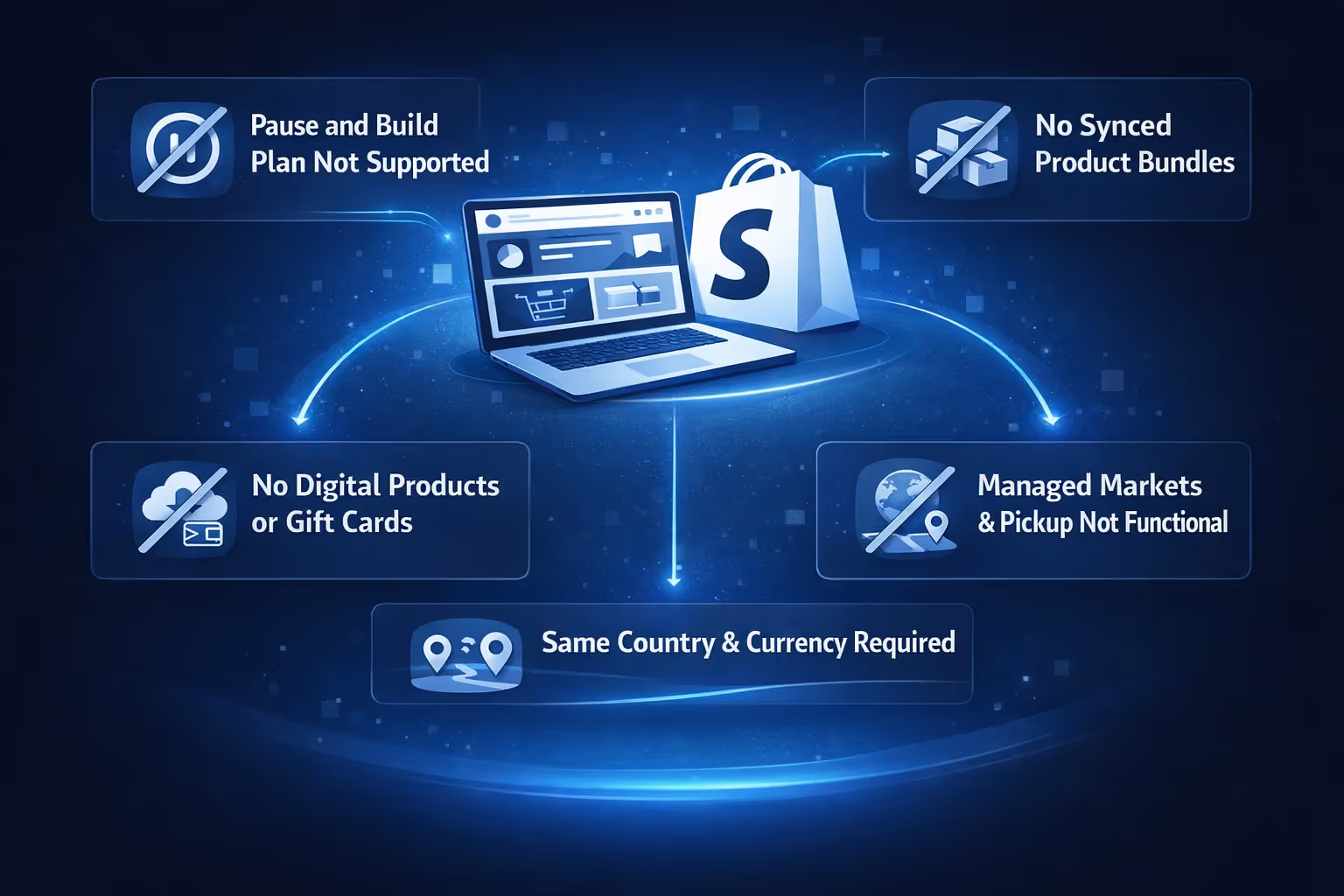
There are a few limitations and incompatibilities Shopify doesn’t put front and center:
Basically, it works well inside tightly defined borders. If you're trying to run a global network of retailers and suppliers, you'll hit some bumps.
Whether you're on the retailer or supplier side, here’s what you’ll need ready:
Once you install the Shopify Collective app and meet these checks, you're good to go.
If you’re a retailer looking to expand without betting on untested inventory, it’s hard to argue against it. And if you’re a supplier with proven products but limited reach, Collective helps you get discovered without paid traffic.
There’s no upfront cost. No steep learning curve. And it’s native to Shopify, so most of what you already know still applies.
The main thing is making sure both sides – retailer and supplier – actually take the relationship seriously. This isn’t a set-it-and-forget-it setup. Communication matters. Fulfillment quality matters. Alignment on policies and expectations matters.
But when it clicks, it can add real margin and product diversity without the typical risk.

At Extuitive, we work with Shopify brands that want real results – fast. And when you're using Shopify Collective to build partnerships and extend your catalog, you still need to make sure the ads you're running are worth the spend. That's where we come in.
Our prediction engine helps you understand how your ads will actually perform before you launch them. No guessing. No wasted budgets. Just clear, AI-backed forecasts based on live campaign results. Whether you're a retailer promoting Collective products or a supplier helping partners move your catalog, we help you focus your spend on creative and audiences that convert.
Shopify Collective helps you grow through partnerships. We help you get those partnerships in front of the right people with smarter targeting and higher ROI. It’s a clean handoff that keeps your store agile, your performance sharp, and your cost-per-acquisition in check.
Shopify Collective isn’t a silver bullet, but it’s a smart move for merchants who want to grow collaboratively. It fills a real gap between dropshipping and traditional wholesale, and it does so with way less friction. The tech fades into the background so you can focus on what matters: getting the right products in front of the right buyers.
If you're already on Shopify, there's really no reason not to at least try it. Worst case, you walk away with some product insights. Best case, you find a whole new revenue stream you didn't have to build from scratch.


