Best AI Solutions for Cloning Ads Without Losing Performance
Explore the best AI solutions for cloning ads, from scaling proven creatives to adapting winning formats across channels without starting from scratch.
Jan 8, 2026



Starting a business usually comes with a price tag, but Shopify flips that idea on its head. You don’t need a pile of cash to get rolling. With the right approach, you can build a fully functional online store without touching your savings. It’s not magic. It’s just smart use of tools, business models that skip inventory, and a little creativity in how you reach people.
Whether you’re still figuring out what to sell or just want to test the waters without risking much, this guide lays out real-world ways to make money on Shopify with no upfront costs. Let’s get into it.
Yes, you absolutely can. But let’s get one thing out of the way: this isn’t a get-rich-quick situation. You won’t make thousands overnight, and there are no magic buttons to press. What you do have is a flexible ecommerce platform, some smart strategies, and a chance to build something real without draining your bank account.
The trick is to start with business models that don’t require inventory, use free tools where you can, and focus on organic traffic instead of paid ads. If you’re willing to trade money for time and effort in the early days, Shopify gives you everything you need to get going.
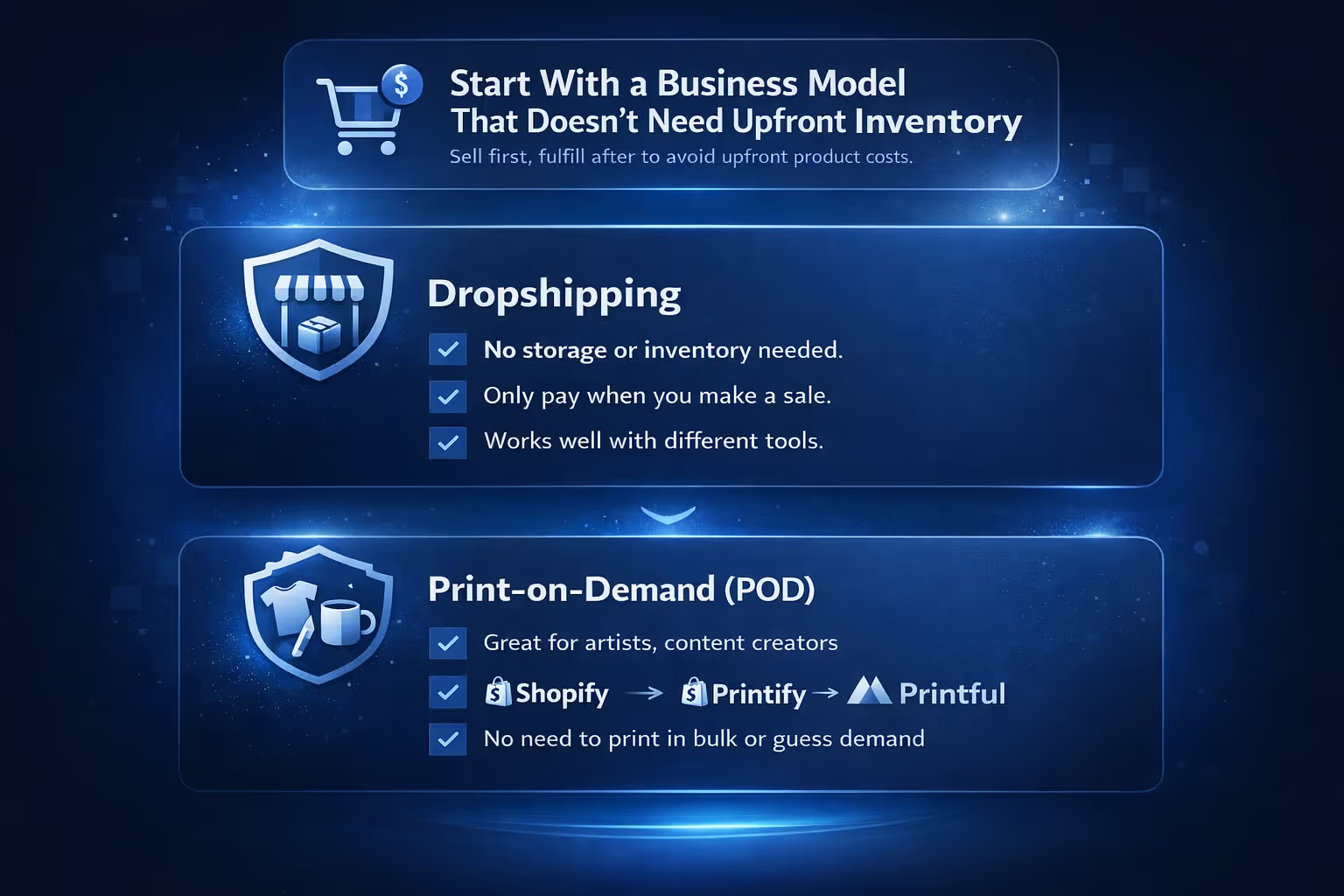
The fastest way to get stuck is by trying to stock up on products you can’t afford yet. Instead, build around a system that lets you sell first and fulfill after.
This is the go-to move for most zero-budget store owners. You list products in your store, but you don’t touch or ship them. When someone buys, your supplier takes care of the rest. The key takeaways:
That said, success in dropshipping comes down to product selection and marketing. Generic stuff won’t cut it anymore. Try to find niche items with strong emotional appeal or products that solve a specific problem.
Print-on-demand is a cousin of dropshipping, except it’s for custom items like t-shirts, mugs, posters, and tote bags. You design the graphics, and when someone orders, your POD partner prints and ships it.
You can even use free AI tools to create mockups and design assets. Just don’t go too generic. Think niche-first: dog moms, plant lovers, introverts, chess nerds... the more specific, the better.
If you're not ready to build a store or sell anything yourself, there’s another path that skips all of that: affiliate marketing. Instead of being the merchant, you become the one recommending Shopify (or other tools in the ecosystem) and get paid when people sign up through your link.
Shopify has an official affiliate program. You apply, get your unique tracking link, and promote Shopify through content – blogs, YouTube, TikTok, email newsletters, wherever your audience lives. When someone signs up for a paid plan through your link, you earn a commission.
From what affiliates have shared publicly, Shopify typically pays around $150 per qualified referral. That’s not pocket change.
You’ll need to:
If you’re already talking about ecommerce, business tools, or online income, this can be a natural fit. Just make sure your content is actually useful – walk people through the setup process, compare Shopify to other platforms, or share your own launch story.
Affiliate marketing can be a smart way to test the waters while building an audience and sharpening your content skills. And once you’ve made a few referrals, you might feel ready to launch your own store too.
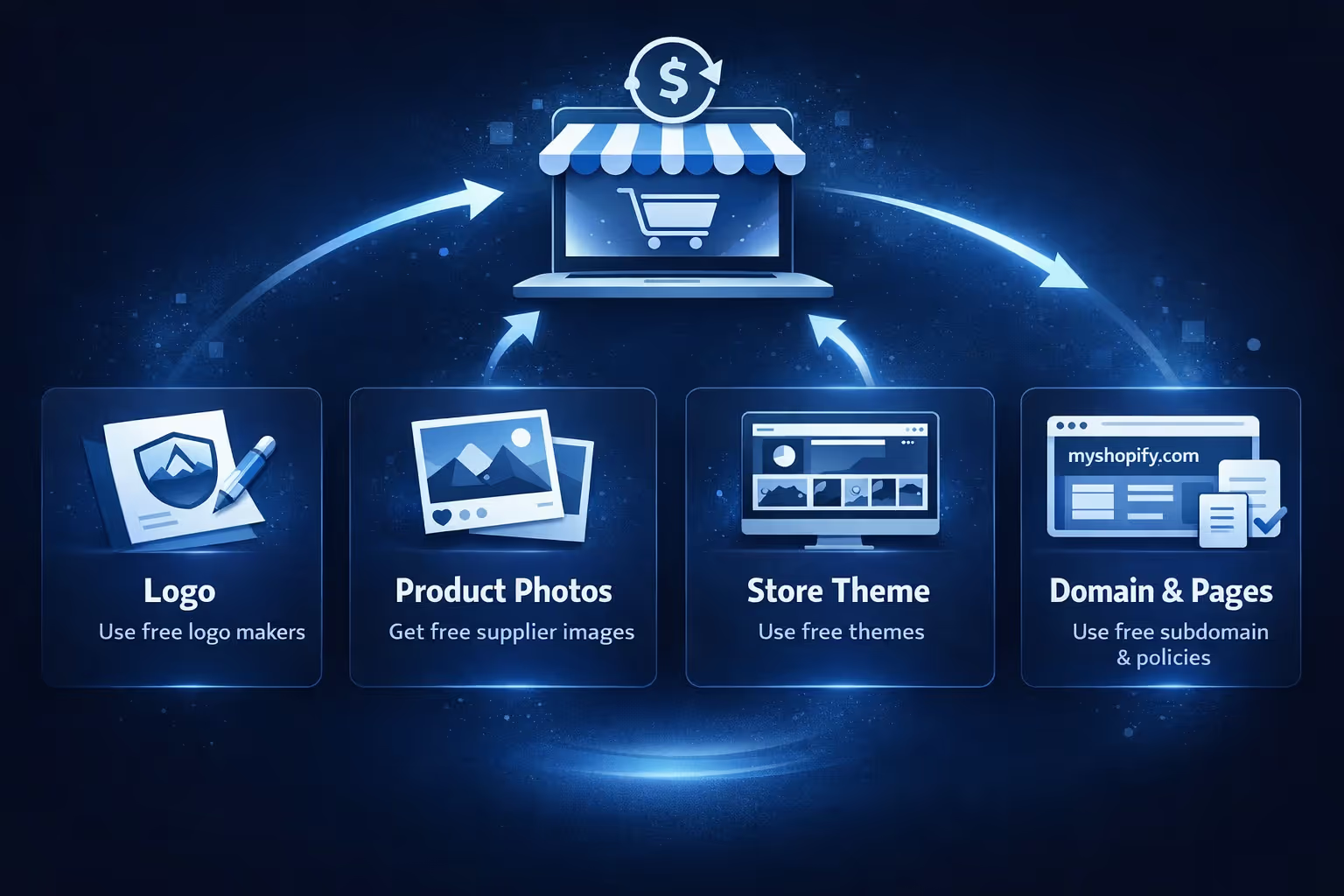
You don’t need a branding agency or paid tools to look professional. Shopify offers enough built-in functionality and free resources to help you build a brand that feels legit.
This early phase is all about showing up with intention. You don’t need to look like Nike. You just need to look like you care.
No money means you’re not running Facebook ads yet. That’s fine. Some of the most reliable traffic sources are free if you’re willing to put in the work.
Shopify has decent SEO features built in. Your job is to write product titles, descriptions, and blog content that uses words real people search for.
Start with keyword research, add keywords naturally to your product pages and blog titles, and focus on long-tail keywords like “funny math teacher mugs” or “eco-friendly cat toys”.
Don’t spread yourself across five channels. Choose one where your audience is active and learn how it works:
Post consistently. Mix product content with useful, fun, or behind-the-scenes content. You’re building trust, not just dropping links.
This is a long game, but a blog can bring free traffic that keeps working for you even while you sleep.
Write about problems your products solve, gift ideas or themed shopping guides, customer stories, or product comparisons.
Every post is a chance to show up on Google or get shared on social media. It builds authority and helps convert curious browsers into buyers.
If you’re thinking about running paid ads but hesitant to burn your first budget on guesswork, that’s where we come in. At Extuitive, we help Shopify sellers like you predict how ads will perform before they go live. No gambling, no endless tweaking, just data-backed forecasting grounded in real-world campaign results.
Our platform uses AI models trained on live performance data to show you what to expect from your creatives. You’ll see which ads are likely to perform best, which audiences are worth targeting, and how your forecasted click-through rates and ROAS stack up against your past performance. You can even test dozens of ads at once before committing to a single dollar of spend.
When you're working with a tight budget or starting from zero, every click matters. That’s why we built Extuitive – to take the guesswork out of early growth and help new Shopify brands run smarter, faster campaigns with confidence. If you're planning to scale with ads later on, we’ll be ready to help you forecast like a pro.
If you’ve got skills but no product ideas yet, you can still make money through Shopify.
This one’s underrated. You can sell:
Use Shopify’s app to deliver your product automatically after checkout. No shipping. No returns. No inventory headaches.
Shopify isn't just for physical products. You can offer services through a Shopify store too.
Some ideas:
You can use Shopify’s booking apps or contact forms to manage leads and orders.
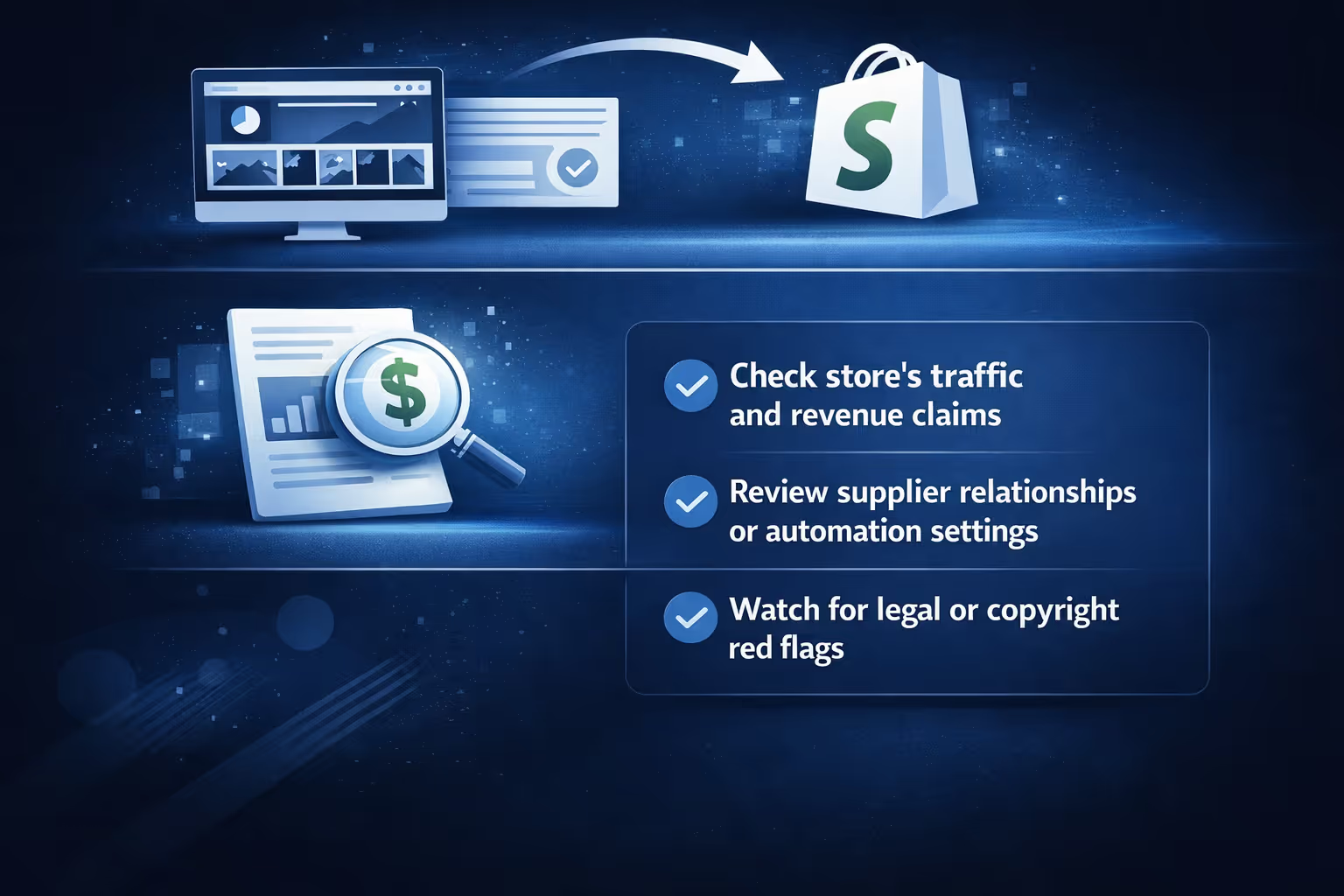
If you’ve got time but not the interest to start from zero, you can look into buying a low-cost or free Shopify store from someone who’s moving on.
This only makes sense if you know how to audit a store and have some experience running one. But sometimes, a good domain, product set, or SEO history can give you a faster starting point than going from scratch.
Just be cautious:
Shopify isn’t free forever, but you can stretch what you get early on.
Also, keep an eye on seasonal offers. Shopify sometimes gives extended trials during events or partner promotions.
Making money on Shopify with no money is totally doable. But it’s not passive income on day one. You’re trading money for time, effort, and a willingness to learn as you go.
There will be a learning curve. You’ll try things that don’t work. You’ll tweak your product descriptions five times. You’ll wonder why no one’s buying yet.
That’s part of the process.
But if you stick with it and keep testing and improving, that zero-dollar start can grow into something real. And there’s nothing more satisfying than knowing you built it without spending a dime upfront.


