The Best AI Tools for Google Shopping Ads in 2026
Explore top AI-powered platforms that make Google Shopping ads easier and more effective. Boost ecommerce conversions without the usual manual hassle.
Mar 24, 2026



Shopify makes it easy to launch an online store. But when it comes to keeping customers engaged and coming back, email is still one of the most effective tools in your kit. The problem? There are dozens of email marketing apps in the Shopify App Store, and they all claim to be the best.
Some tools are packed with features but come with steep learning curves. Others are super easy to use but fall short when you need advanced automation. And then there are apps that say they integrate with Shopify, but you spend half your time trying to make the data sync properly.
In this article, we’re going to break down the top email marketing apps that actually work with Shopify, based on real use cases, not just specs. Whether you're just getting started or already have thousands of customers on your list, there’s an option that fits. Let’s get into it.
Running a Shopify store is easy to start but harder to scale. And as soon as sales start trickling in, most store owners hit the same wall: how do you turn one-time buyers into repeat customers?
Email is still the answer. It’s cheap, direct, and consistently brings in sales when done right. The catch? Shopify's built-in email tool is great for getting started but not always enough for serious growth. That’s where third-party email marketing apps come in.

Not all email tools are created equal. The best ones do more than just let you send newsletters. Here’s what I looked for while comparing them:
There’s no shortage of email tools out there, but not all of them play nicely with Shopify. Some make it harder than it should be to sync products, track orders, or build automations that actually convert. Others are packed with features you’ll never use. So instead of listing every app under the sun, we’ve narrowed it down to the ones that truly make sense for Shopify stores. Whether you're just getting started or ready to scale up, these are the platforms worth looking into.
Omnisend feels like it was built by someone who runs an online store. It covers everything you’d expect from a serious email tool, but with ecommerce-specific touches that make life easier.
It is great for growing Shopify stores looking for email plus SMS in one place without paying enterprise prices.
If you’ve poked around in Shopify forums, you’ve heard of Klaviyo. It’s practically the gold standard for ecommerce email marketing, and for good reason.
It is best for mid to large Shopify brands ready to get serious with segmentation, testing, and personalized content.
Not every store needs complex automations or CRM features. If you want something clean, affordable, and easy to use, MailerLite hits the sweet spot.
It is perfect for smaller Shopify stores or side projects looking for a no-fuss email tool that just works.
GetResponse goes beyond email. It’s a full marketing suite with landing pages, webinars, and a built-in CRM.
It is ideal for Shopify stores that do a mix of education, product promotion, and lead gen.
ActiveCampaign is a heavyweight in marketing automation. And thanks to its Shopify integration, it brings that power into ecommerce.
Use it if you need advanced automation and sales-focused tools tied directly into your Shopify store.
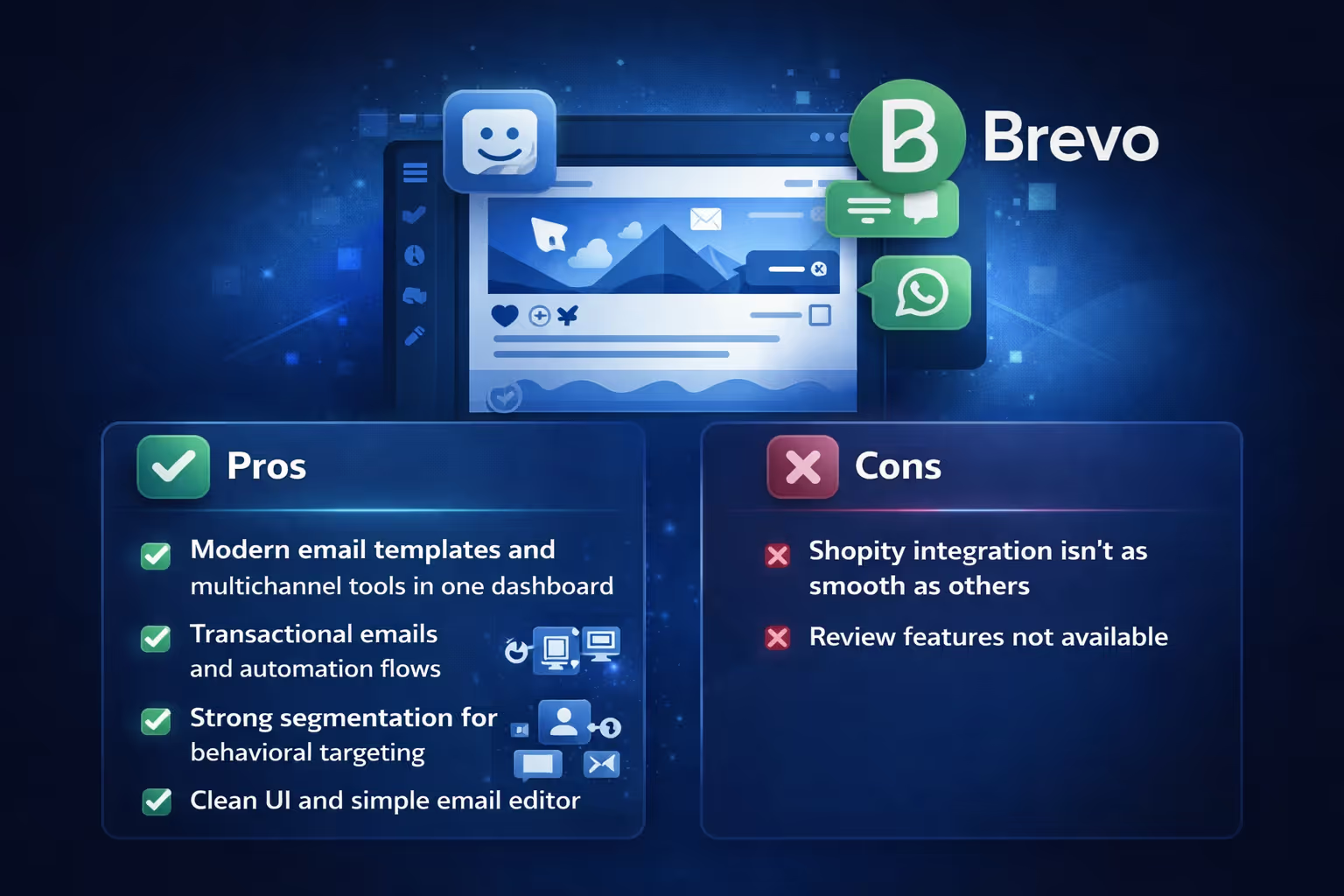
Brevo packs a lot into its free plan, which includes SMS, email, and even WhatsApp campaigns. It’s not perfect, but it’s hard to beat for value.
It is a good choice for stores on a tight budget that still want email, SMS, and WhatsApp in one place.
SmartrMail is a Shopify-first tool that keeps things simple while still delivering on core ecommerce features.
It is great for merchants who want smart automation without diving deep into custom setups.
Moosend is lesser-known but surprisingly capable. It offers a clean interface, solid templates, and ecommerce-friendly automations at a low price.
It is best suited for budget-conscious stores that want personalization and automation without bloated features.
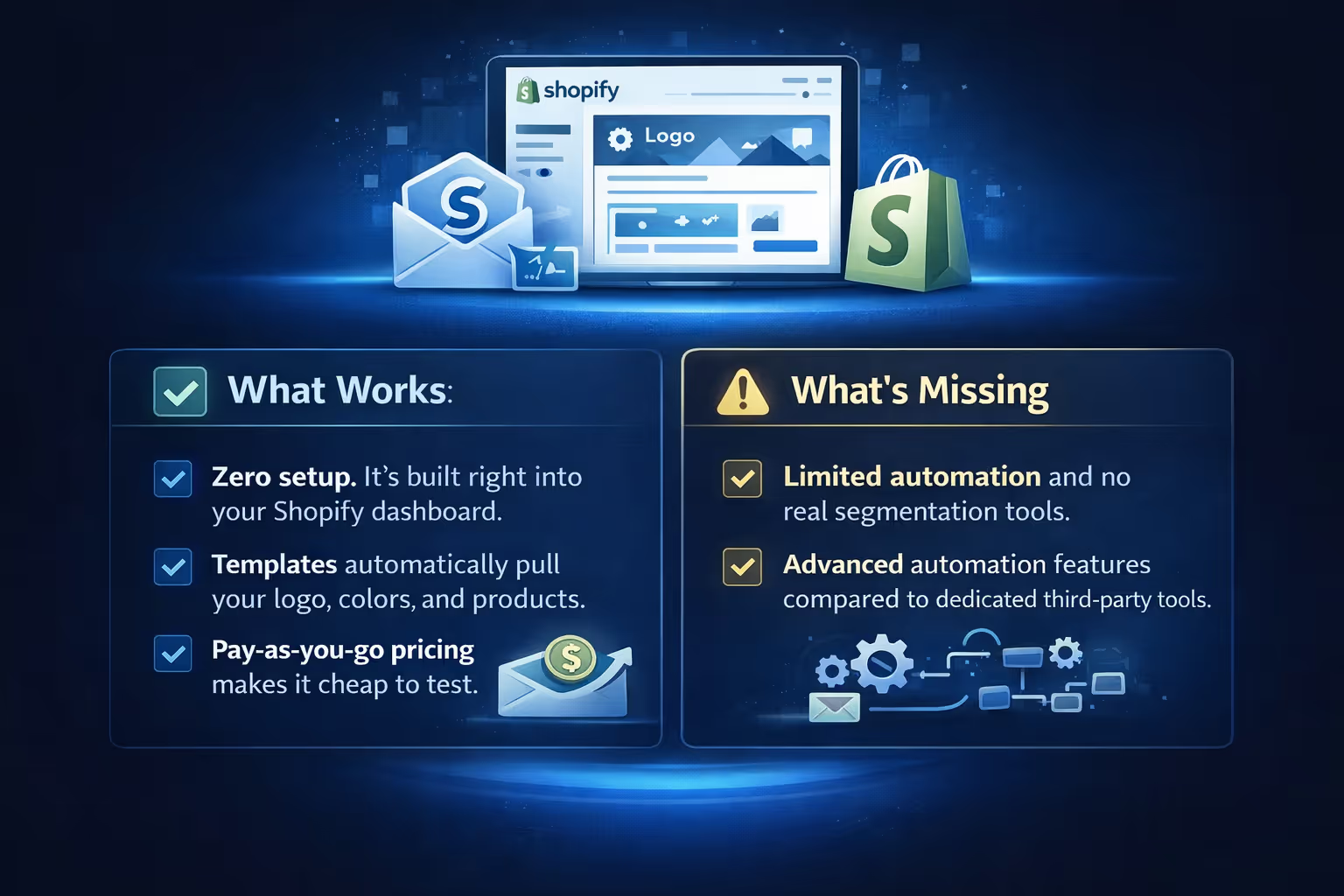
Shopify’s own email tool has improved a lot. It’s now solid for basic campaigns, and you can set up automations like welcome emails and win-back flows.
Use it if you’re just starting out or running a small store with a lean setup.
If you’re still torn between options, here’s a simple breakdown to help guide your pick:
Omnisend makes the most sense when you want email and SMS working together without juggling multiple tools. It’s built with conversions in mind, so things like abandoned carts, product recommendations, and list growth feel straightforward rather than technical. It’s also one of the easier platforms to learn, which matters if you want results quickly instead of spending weeks setting things up.
These tools are a better fit if you enjoy working with data and want full control over how your messages behave. They shine when you’re ready to scale, segment deeply, and personalize emails based on detailed customer behavior. The trade-off is time – both platforms reward careful setup and ongoing optimization, so they’re best if you’re willing to invest the effort.
If budget is a real concern or you’re just getting started with email marketing, these tools offer a simpler path forward. They focus on clean templates, basic automation, and an interface that doesn’t overwhelm you. You won’t get every advanced feature, but you’ll be able to launch campaigns quickly and build consistency without overcomplicating things.
Shopify Email is a practical choice when you’re brand new to email marketing and want to keep things lean. It’s already inside your Shopify admin, so there’s no extra setup or monthly subscription to worry about while you’re testing what works. As your needs grow, you may outgrow it, but it’s a solid place to begin.
At Extuitive, we help Shopify brands forecast the actual performance of their ads before they go live. That includes the ads you're using to build your email list, promote campaigns, or retarget abandoned carts. If you're putting budget behind email growth or promotion, knowing what will work ahead of time is no longer a guess – it's a strategy.
Our AI models are trained and validated on live campaign data, so you can test variations of your email ad creatives, subject lines, and even the audiences you're targeting, without burning through your ad spend. Instead of running 10 versions to see which one clicks, we help you predict the winners upfront. That means higher CTRs, stronger ROAS, and better-performing email lists over time.
If you're using tools like to drive repeat sales, the top of your funnel matters just as much. We work with Shopify brands that need speed, accuracy, and scale when it comes to getting those results.
There’s no one-size-fits-all answer to “what’s the best email marketing app for Shopify.” It depends on how you sell, who your customers are, and how hands-on you want to be. But if you're serious about growing your store, don’t sleep on email. It's still one of the highest ROI channels out there.
Start with where you are. Keep things simple. Upgrade when the pain of your current tool outweighs the cost of switching.
And remember: the best email marketing app is the one you actually use consistently.


