How Does Shopify Collective Actually Work? A Clear Guide Without the Jargon
A clear look at how Shopify Collective lets merchants sell each other's products without holding inventory.
Feb 11, 2026



Running a Shopify store is easy. Getting people to show up and actually buy something? That’s the tricky part. Whether you’re just getting started or trying to grow beyond the first few sales, the truth is the same: you need visibility. And not the random kind. You need the kind that brings real shoppers who might actually want what you’re selling.
In this guide, we’re skipping the fluff. You’ll get a clear, realistic breakdown of how to promote your store, using tools, tactics, and content that don’t burn through your budget or your patience. Some are free. Some are paid. All of them are doable. Let’s get into it.
Launching a Shopify store doesn’t mean customers will magically find it. Shopify gives you the tools to sell, but promotion is what turns an empty storefront into a real business. Without consistent promotion, even good products sit unnoticed, buried under thousands of similar stores competing for the same attention.
Promotion is how you create momentum. It helps you get initial traffic, collect data on what people respond to, and build trust over time. More importantly, it gives you control. Instead of waiting for organic discovery or hoping a post takes off, you actively shape where traffic comes from and how people experience your brand. In a crowded ecommerce space, promotion isn’t optional. It’s the difference between a store that exists and a store that grows.
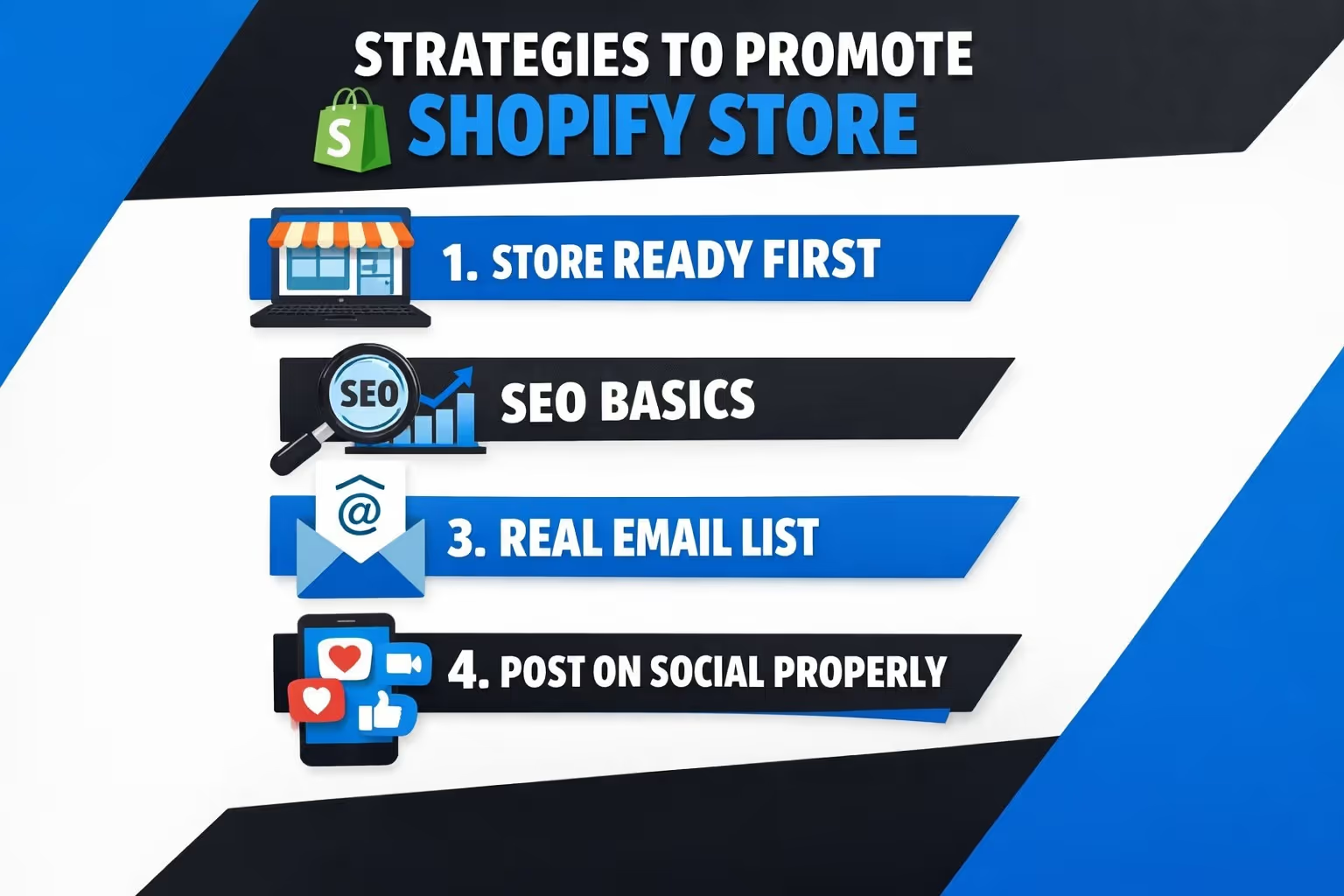
There’s no shortage of advice out there. But not all tactics are created equal, and some just don’t make sense for a small team or solo founder. So instead of throwing 50 options at the wall, here’s a refined set of high-impact strategies you can actually use. These aren’t theories – they’re tested approaches that show up again and again in successful stores.
Before you start promoting, pause for a second. Ask yourself: if someone did land on your store today, would they feel confident buying from you?
Here’s what to check before sending traffic:
If you’re going to spend time or money driving traffic, you want your store to convert visitors into buyers. Otherwise, you’re paying for window shoppers who walk out.
SEO isn’t magic, but it does matter. You don’t need to become an SEO nerd overnight, but ignoring it completely leaves a lot of organic traffic on the table.
Here’s where to focus:
If you’re up for more, start a blog. No need to post every day. Even two solid posts a month on topics your audience searches for can help long term. Think: “How to choose the right backpack for urban commuting” if you sell gear.
There’s a reason email keeps showing up in marketing playbooks – it works. But the key isn’t blasting a generic sale to everyone. It’s about getting segmented and personal.
First, offer people 10% off their first order or early access to new drops. Second, use popups that aren’t annoying (exit-intent or scroll-triggered ones work well). Finally, ask for preferences during signup, like product categories they’re interested in.
Then make sure you’re not just sitting on that list. Here’s what to send:
Skip the plain “thanks for signing up.” Instead, send a short email sequence that introduces your brand, highlights your best products, and makes new subscribers feel like they just found something worth paying attention to.
Timing matters here. A gentle nudge an hour after they leave their cart, followed by a reminder a day later, can bring back shoppers who were just one step away from checking out.
Once someone buys, it’s your chance to keep the momentum going. Ask for a review, share tips for using the product, or suggest something that naturally pairs with what they bought.
Not every email needs to be part of a sequence. When you’ve got a product launch, flash sale, or something cool happening behind the scenes, send it out, but make sure it’s relevant to the people getting it. Target based on what they’ve browsed, clicked, or bought.
Yes, social media can drive traffic and sales. But shouting into the void with “Check out our new collection!” doesn’t cut it anymore.
Here’s what actually works:
Also: plan. This keeps things consistent without taking over your life.
Most first-time visitors won’t buy right away. That’s just how it is. Retargeting ads help you stay in their memory and bring them back when they’re ready.
You can retarget:
Platforms like Facebook, Instagram, and Google all support this. Just install the right pixel or tag on your Shopify store, and you’re good to go.
Keep retargeting ads simple: show the product they viewed, offer a small incentive, or highlight a review.

We built Extuitive because we got tired of guessing. Tired of burning ad budget testing creatives that didn’t land. Tired of building audiences that looked good on paper but didn’t convert in real life. So we created a better way to launch ads for Shopify stores – one that’s fast, data-backed, and actually helps you understand what your customers respond to.
With Extuitive, you can connect your store, generate ad creatives, and validate them with AI agent personas based on real-world behavior. No guesswork. No waiting weeks for feedback. Just ads that are built to perform and tested before you spend a dollar. Whether you’re launching a new product or fine-tuning a message, we help you reach the right audience with the right creativity from the start.
It’s kind of like having a focus group and a media team in your back pocket. But faster. And much cheaper. That’s how we help Shopify merchants grow without wasting time or money.
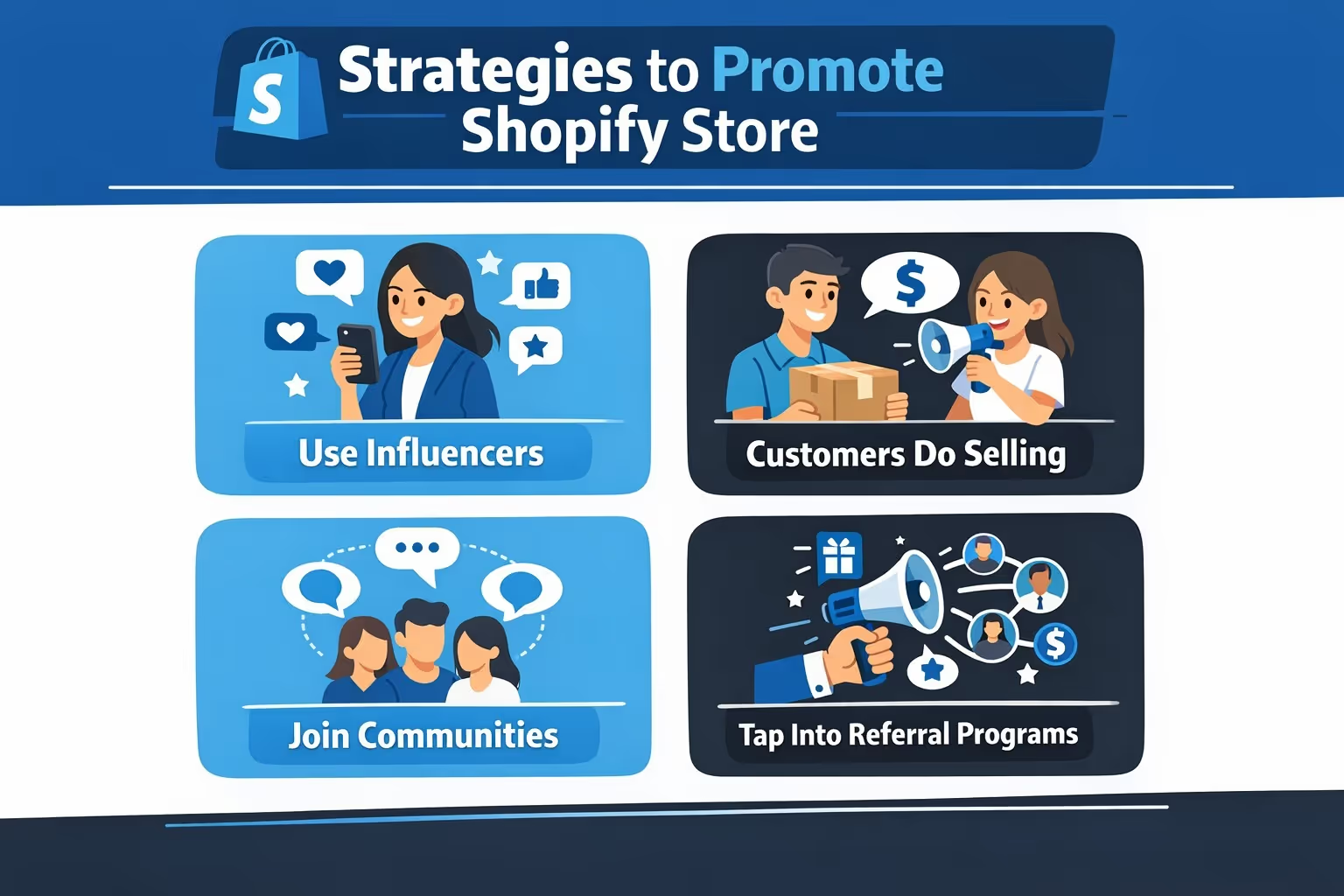
You don’t need to pay $10k for a macro influencer. In fact, micro-influencers (1K-10K followers) often have tighter communities and better engagement.
Here’s how to approach it:
Want to get extra mileage? Repurpose their content on your own channels (with credit, of course).
People trust other people way more than they trust your product page. That’s why reviews and customer content matter so much.
Here’s how to make it work:
Don’t let great content die in the comments. Repost it, feature it on product pages, or turn it into ads.
Reddit, Facebook Groups, and niche forums are goldmines for connecting with your audience. But only if you show up the right way.
If you're planning to promote your Shopify store through online communities, start by finding spaces that actually match your niche. Think beyond broad ecommerce groups and dig into the specific lifestyle or interest your product fits into. Selling sustainable kitchenware? Look for eco-conscious living forums. Running a pet accessory store? Pet parent Facebook groups are a goldmine. The more aligned the group is with your audience, the more natural your presence will feel.
Once you’re in, take a beat. Don’t rush to post your store link. Spend some time reading the room – see what people care about, how they talk, what kind of posts get attention. Then start joining the conversation. Share tips based on your experience. Answer questions when you actually have something useful to say. When the moment comes where your product is a perfect fit, mention it. Not as a pitch, but as a solution.
It’s easy to slip into promo mode, especially if you’re eager for sales. But constantly dropping links or trying to steer every comment toward your store won’t do you any favors. People can tell when you’re just there to sell. Worse, so can group moderators. And using fake accounts to talk up your brand? That almost always backfires. If your product’s solid and your voice is authentic, you won’t need to pretend. Show up, add value, and your brand will get noticed for the right reasons.
People like to share good finds, especially if they get something out of it. That’s where referral programs come in.
You can use Shopify apps to:
Make sure the sharing process is dead simple. One link. Clear benefits. No friction.
Web push notifications aren’t just for big brands. If someone allows web push notifications (and their browser supports it), you can send updates even when they’re not actively on your site.
Use them to:
Don’t overdo it. And make sure your copy is friendly, not spammy.
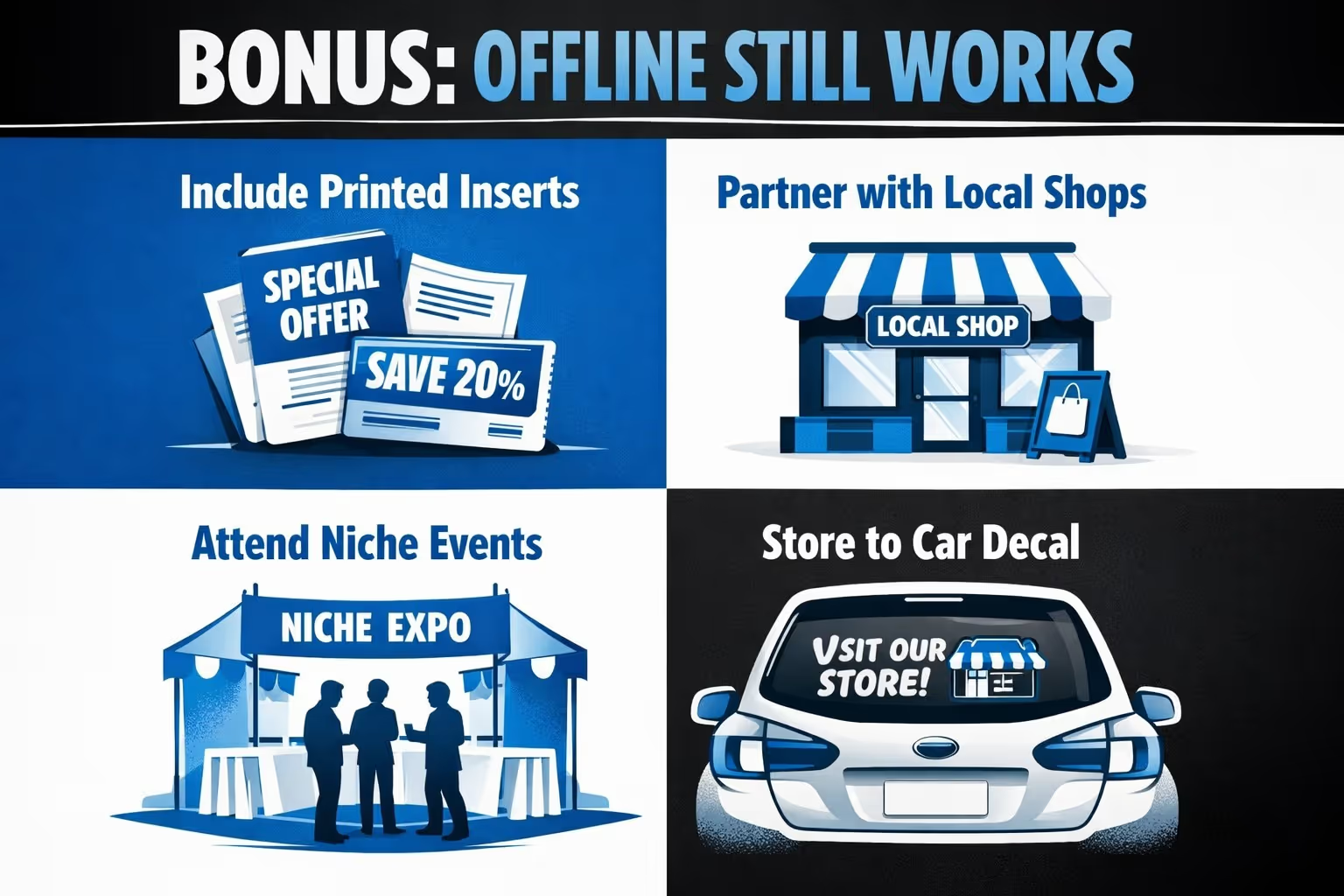
We’re all about digital, but don’t overlook offline promotion:
Sometimes, people buy because you’re the brand they remember. Visibility doesn’t always have to be online.
Promoting a Shopify store is less about doing everything and more about doing enough of the right things consistently.
Pick two or three of these strategies to start. Do them well. Measure what works. Then layer on more.
No single tactic is a silver bullet. But the combination of a solid foundation, smart content, helpful automation, and authentic outreach? That’s how real stores grow.
And remember: people don’t just buy products. They buy from brands that feel human, helpful, and worth coming back to.


