Best Facebook Ads Agencies in Jacksonville: Top Choices for 2026
Discover leading Facebook ads agencies in Jacksonville for real results through targeted campaigns and local expertise. Find the right partner today.
Mar 24, 2026



Launching your Shopify store is the easy part. Getting people to notice it? That’s where most folks get stuck. It’s not about throwing money at ads and hoping for the best, or posting on Instagram just because everyone else does. Marketing your store takes strategy, consistency, and a little creativity, but it doesn’t have to be overwhelming. In this guide, we’ll break down what actually works, what’s worth skipping, and how to market in a way that doesn’t feel like a full-time job.
You could have the best-looking store, amazing prices, and a product people would genuinely love. But if no one sees it, it doesn’t matter.
Marketing is what makes your store exist in the minds of potential customers. It’s not fluff. It’s not extra. It’s the oxygen your business needs to stay alive. But here’s the catch: there’s no one-size-fits-all playbook. You have to find what works for your brand, your budget, and your bandwidth.

Too many new store owners jump straight into paid ads with no strategy. That’s how you burn through a budget fast. Ads can work, but they should be part of a bigger system. Let’s walk through that system, step by step.
Before you even think about traffic, ask yourself:
If your store feels confusing or generic, no ad in the world will fix that. People don’t just need to visit. They need to stay, explore, and buy.
Take a day, go through your store like a customer would, and clean it up.
Search engine optimization (SEO) takes time, but it’s worth the effort. Done right, it brings in a stream of traffic without ad spend. Here’s how to start without hiring an agency or reading a 40-page Google guide.
What to focus on:
SEO won’t work overnight, but it’s one of the few channels that builds value over time. Write content once, and it works for you for months.
Your Instagram shouldn’t feel like a storefront window. It should feel like a friend showing off something cool they just bought. Focus on being relatable, useful, or entertaining first. The sales will follow.
A good approach is to keep your content varied and natural. Share behind-the-scenes moments like packaging orders, restocking shelves, or testing products. Highlight customers by reposting their photos or comments when they tag you. Mix in short tutorials that show how a product works or fits into everyday use, and occasionally tell quick stories about where an idea came from or what inspired a specific product.
The key isn’t to post nonstop. It’s to make people feel something when they scroll past you.
Paid ads aren’t bad. They’re just expensive if you use them wrong. Most successful stores test ads before spending big. That means trying out a few different headlines, images, and audiences first.
Smart ad strategy includes:
And here’s something worth noting: some companies use AI to generate and test Shopify ads using simulated customer personas before spending a dime. It’s an option worth exploring if you hate wasting ad money on guesses.

Let’s be honest. Throwing money at ad platforms without knowing what’ll work is stressful. That’s where we come in.
At Extuitive, we help Shopify brands build and test ads before they spend a single dollar on live campaigns. Using our AI-powered platform, you can connect your store, generate creative assets, and validate your ads with digital consumers modeled after real people. We simulate performance, measure intent, and show you which messages, images, or audiences are most likely to convert.
The goal is simple: stop guessing, and start running ads that already have a head start. You don’t need to be a marketing expert or have a big team. You just need to know what your audience cares about and make sure your creative hits the mark. We help you get there in minutes, not weeks.
If you’re relying on social media alone, you’re building a house on rented land. One algorithm tweak and your reach is toast. Email gives you control.
But don’t just collect emails for the sake of it. Give people a reason.
Better email opt-ins:
Once they’re in, send something worth opening. Product tips, restock alerts, mini-stories, anything that adds value.
Influencers aren’t just for skincare brands anymore. Whether you’re selling tea or tech accessories, someone out there has the audience you want.
But don’t just throw free products at big accounts and hope for a miracle. Focus on micro-influencers who actually engage with their followers.
How to work with influencers better:
And if you want something a little more structured, affiliate platforms let you set up commission-based partnerships with creators, bloggers, or niche media sites. You only pay when they deliver sales.
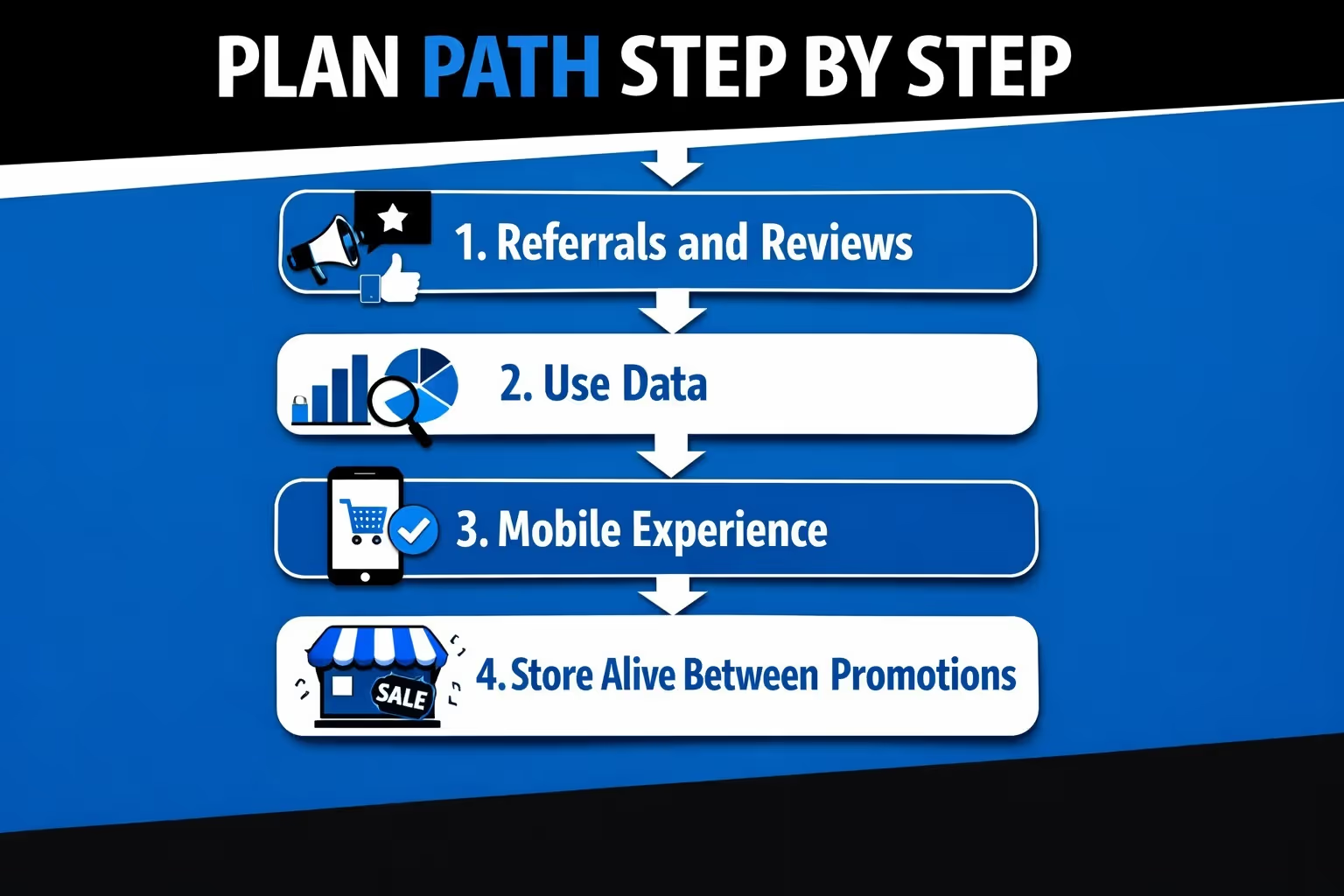
Word-of-mouth still works, but you can nudge it along. A good referral program turns happy customers into marketers.
What tends to work best is rewarding both the person who makes the referral and the friend who joins through it. The process should be simple and quick, whether someone is sharing a link by email or posting it on social media. It also helps to gently remind customers about the referral program in follow-up emails, so it doesn’t get forgotten after the first purchase.
As for reviews, don’t wait for them to show up. Ask. After someone buys, follow up with a short message and a clear CTA to leave feedback. Incentives help, but so does keeping it simple.
You don’t need a dashboard full of metrics. You need just enough info to answer questions like: “Where are most of my visitors coming from?” or “Which product pages get the most views?”
Shopify’s analytics gives you a decent start, and Google Analytics (if you’re brave) fills in the rest. Look at your data every week or two, not every 5 minutes.
Let insights shape your decisions, not paralyze you.
More than half your traffic is probably coming from phones. If your store is slow, cluttered, or hard to shop on mobile, you’re leaving money on the table.
Mobile-first isn’t just about design. It’s about how it feels.
Some merchants use third-party services to create mobile apps that mirror their Shopify stores, which may improve performance and user retention. Might not be for everyone, but worth considering if your mobile bounce rate is high.
It’s tempting to only market during big sales or holidays. But the brands that last keep the conversation going year-round.
You don’t have to post every day or run weekly sales. Just stay visible. That could mean:
Stay top of mind, even when you're not launching something new.
Marketing your Shopify store isn’t about doing everything. It’s about picking a few strategies that make sense for where you are now and doing them consistently.
You don’t need a marketing team. You don’t need a huge budget. You just need to keep showing up, testing ideas, and adjusting as you learn what clicks with your audience.
It’s messy. It’s not always linear. But it works.
And the best part? The more you do it, the more it starts to feel like second nature.


