Can AI Read Cursive? Facts About Handwriting OCR
Can AI read cursive handwriting? Discover how modern OCR technology uses deep learning to convert cursive to text with up to 98.6% accuracy in 2026.
Apr 16, 2026



Getting more sales on Shopify rarely comes down to one magic trick. Most stores struggle not because the product is bad, but because small things stack up the wrong way – unclear messaging, weak follow-up, or pages that do not quite earn trust. Fixing those gaps usually matters more than chasing the next tool or trend.
This guide looks at how sales actually happen in a Shopify store, from the first visit to the moment someone decides to buy. No hype, no shortcuts. Just practical ways to attract the right people, keep them engaged, and turn interest into real orders.
There’s no single switch that turns on Shopify sales. What works for one store might not move the needle for another. That’s why it helps to combine different approaches – from design tweaks to marketing experiments. Each one targets a different part of the customer journey, and together they stack up. The more angles you cover, the more chances you create to turn visitors into buyers.
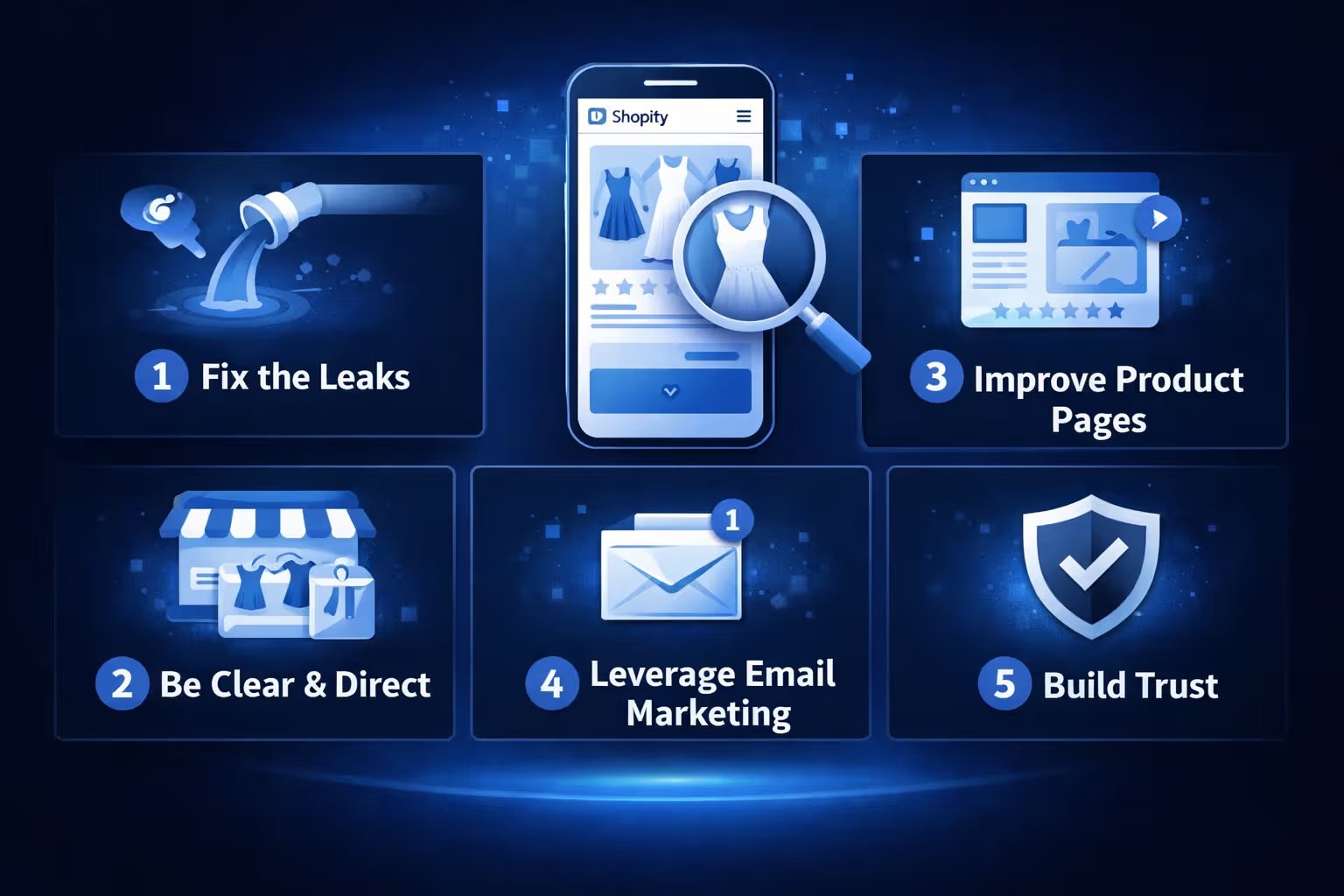
Not every sales tip is worth your time. The ones in this guide are here for a reason. They’re tied to how real customers behave, not just nice ideas. These tricks help remove friction, build trust, and make it easier for people to say yes.
If people are visiting your store but not buying, throwing more traffic at the problem won’t fix it. Start with what you already have.
Pull up your analytics. Look at bounce rates, product page exits, and checkout drop-offs. Ask simple questions:
You don’t need a fancy audit. Just act like a customer and click around. If something feels off, it probably is. Small fixes here make a huge difference before you even touch ads or SEO.
Many Shopify stores bury the lead. They open with vague slogans or cluttered sliders. But your visitor doesn’t care about your mission yet. They want to know what you sell and whether it’s for them.
Start with clarity.
A homepage headline like “Timeless Elegance for the Modern Woman” doesn’t tell me anything. “Luxury Linen Dresses, Made for Warm Days” is better. It’s clear, it’s visual, and it helps people decide if they’re in the right place.
This kind of clarity should show up across: homepage copy, collection titles, product descriptions, meta titles and descriptions (yep, SEO matters too).
Think about your copy as a conversation. Would you say this out loud to a real customer? If not, rewrite it.
If your product pages don’t sell, nothing else matters. This is where people make the decision.
A good product page answers questions before someone has to ask. It gives confidence. It shows the product in use, not just floating on a white background.
You don’t need walls of text. But you do need clarity:
Use customer language. Avoid jargon. Highlight key features, not just specs. If it’s clothing, show it on different bodies. If it’s tech, explain what it works with.
Include reviews. Social proof is real. Even just a few honest reviews can move the needle.
Email still delivers more sales per dollar than almost any other channel. The problem is most stores only use it to send discounts.
Set up your automated flows. At the very least, get these working:
These emails aren’t spam. They’re smart reminders that show up when they matter.
Then build regular emails that aren’t always selling. Share useful tips, customer stories, or behind-the-scenes updates. Make your brand feel like a friend, not just a billboard.
Before someone buys from you, they’re asking: “Can I trust this?”
Trust signals aren’t just about slapping a few logos at the bottom of your site. It’s about how your store actually feels when someone lands on it. Is your return policy easy to find and understand? Can visitors read real reviews from people who actually bought the product? Are the shipping details clear, or do they feel like a surprise waiting to happen at checkout? And if someone has a question, do they have a way to reach out that feels like a real person might answer?
These little things add up. They help visitors feel like they’re not taking a risk by buying from you.
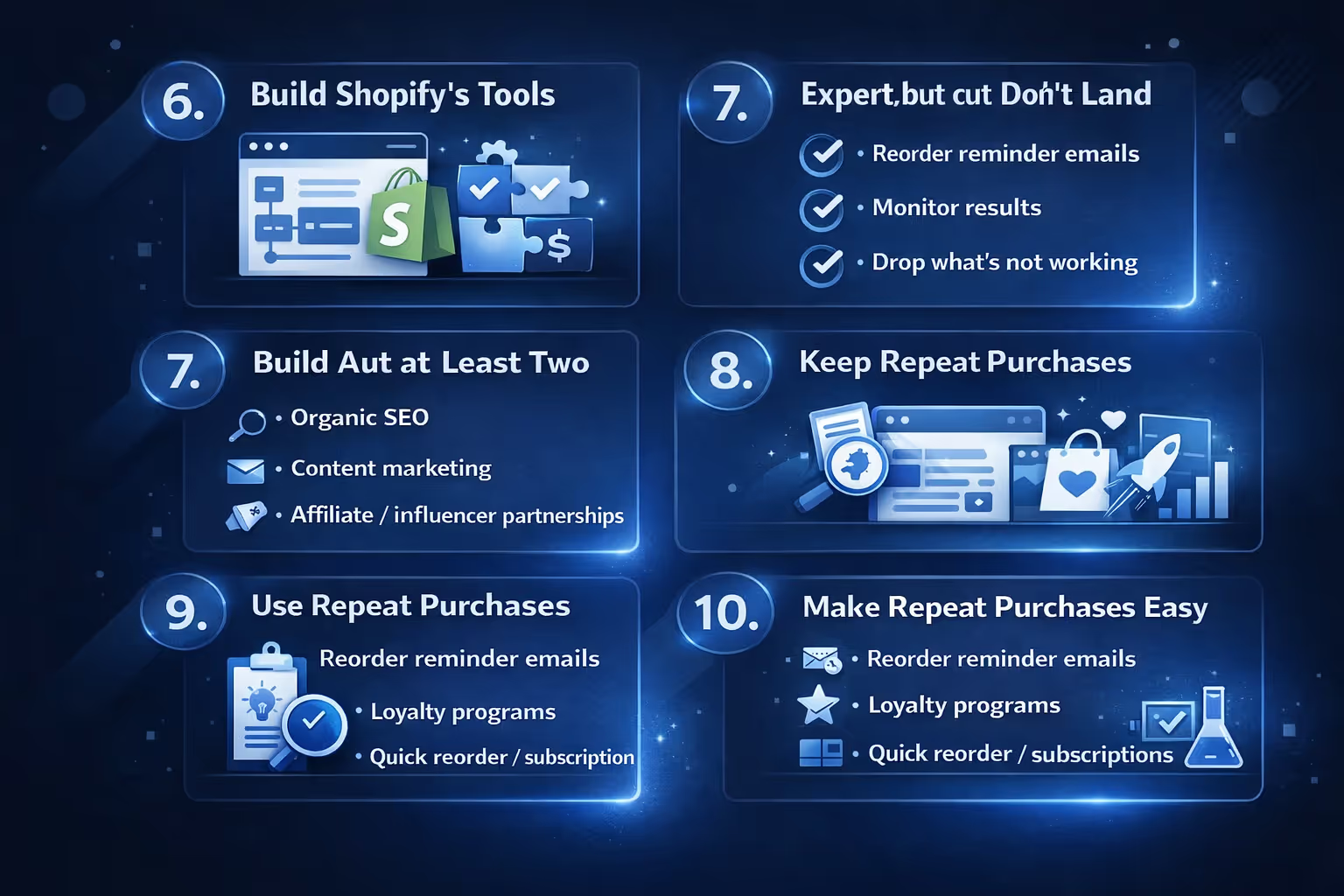
Before you install another 10 apps, look at what Shopify already gives you. Many store owners forget how much power is built into the platform.
For example:
Use what’s there first. Then add extras only if you really need them.
If all your sales come from one source, especially paid ads, you’re vulnerable. Algorithms change. Costs rise. That one channel might dry up.
Build out at least two more:
The goal isn’t to be everywhere. Just don’t be dependent on a single faucet.
Shopify’s app store is full of shiny things. But not everything needs to be installed.
Pick one or two things to test per month. Maybe it’s free shipping thresholds. Maybe it’s bundling products. Maybe it’s a new upsell app.
Track results. Remove what doesn’t help. Your goal is a lean store that sells, not a Frankenstein dashboard with 40 tabs.
One-time buyers are great. Repeat customers are better.
Encourage reorders with:
Also, don’t forget post-purchase care. A simple thank you email with tips on how to use the product can turn a buyer into a fan.

We don’t like wasting money on ads that don’t land. That’s why we built Extuitive to help ecom teams test ideas before launching anything live. Our platform connects directly to Shopify, giving us insight into which concepts resonate with real customer behavior. Before we launch a campaign, we run our creative ideas through simulated audiences. That way, we’re not guessing. We’re reacting to patterns that already exist.
For stores looking to increase sales, this kind of validation can save serious ad budgets. Instead of waiting for performance data to come in after you’ve spent hundreds, you can flag weak angles early and move forward with the ones that actually convert. It’s not a replacement for live testing, but it’s a smart first filter that shortens the distance between idea and impact.
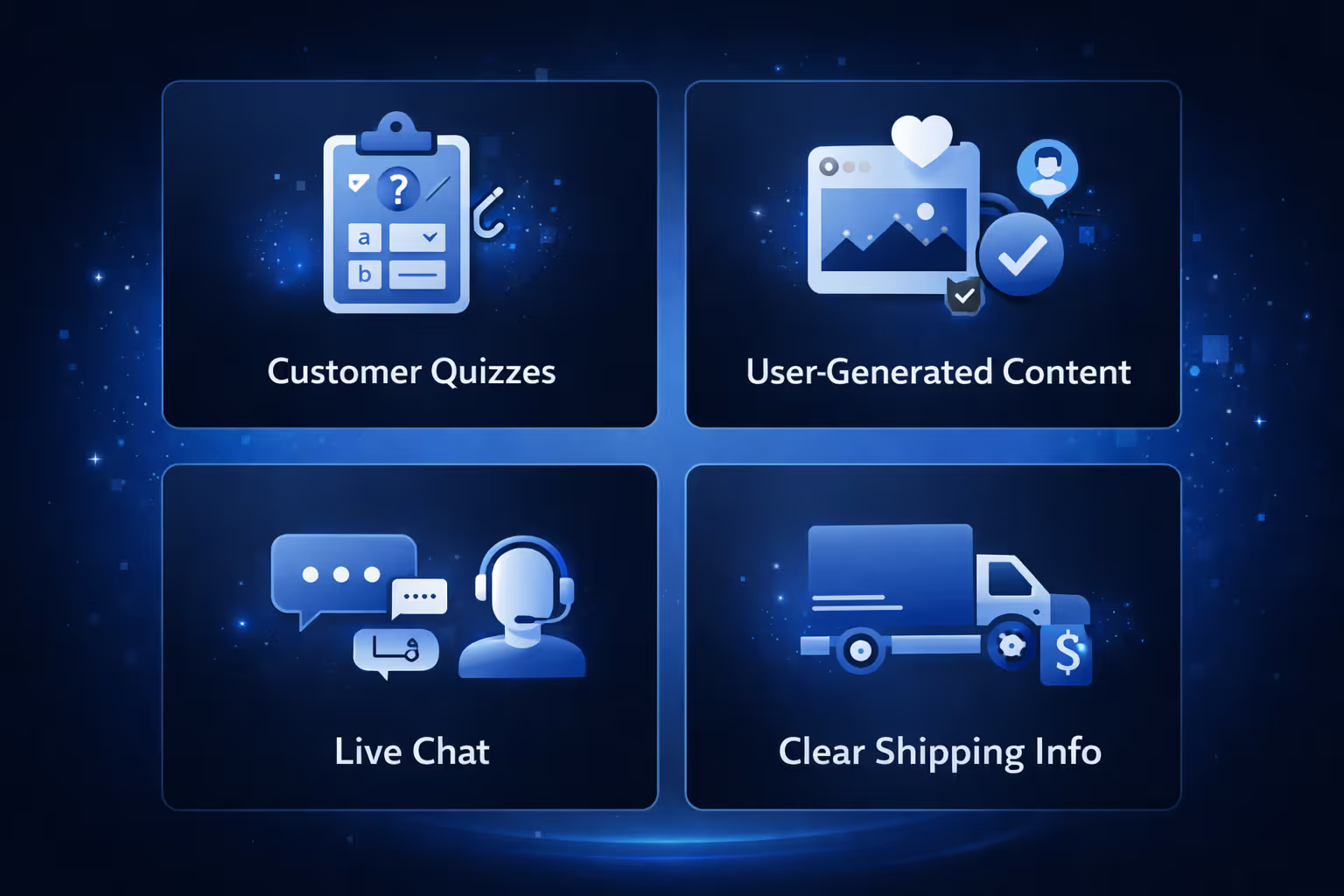
Some tactics just keep delivering, even as trends shift and platforms evolve. They might not be shiny or new, but they still do the job better than most hacks floating around. If you’re wondering where to focus when everything feels a little too complicated, these are the dependable moves we still lean on in 2026:
Selling more on Shopify isn’t about louder ads or trendier templates. It’s about understanding what your customers need, making your store easy to trust, and removing everything that gets in the way of a purchase.
You don’t need to do it all at once. Just start by fixing the page where most people drop off. Then keep going, one block at a time.
Real growth isn’t flashy. But it adds up.


