Best Restaurant Franchise Facebook Advertising Agencies
Top agencies managing Facebook ads for restaurant franchises, from local targeting to multi-location campaign strategy and performance tracking.
Mar 22, 2026



Shopify isn't just for running an online store anymore. It's become more like a toolbox for making money online – whether you're selling custom hoodies, teaching an online course, or just really good at writing product descriptions. The thing is, there’s no one-size-fits-all path here. Some people build big brands. Others flip stores. A few never even touch a physical product.
In this guide, we’re walking through real ways people make money on Shopify – no hype, no guesswork. Just options that work when paired with a bit of consistency and know-how. Let's dig in.
You can make money on Shopify in more ways than most people realize. Some build classic online stores with physical products, others lean into print-on-demand or dropshipping to skip inventory altogether. There are folks who sell digital goods, launch subscription services, or turn their expertise into freelance gigs.
Creators often tie their stores to social media, while developers build apps and themes for the ecosystem. Even flipping or managing other people’s stores has become a solid option. The beauty of it is that you’re not boxed into one path – Shopify gives you room to experiment and grow in whichever direction fits best.
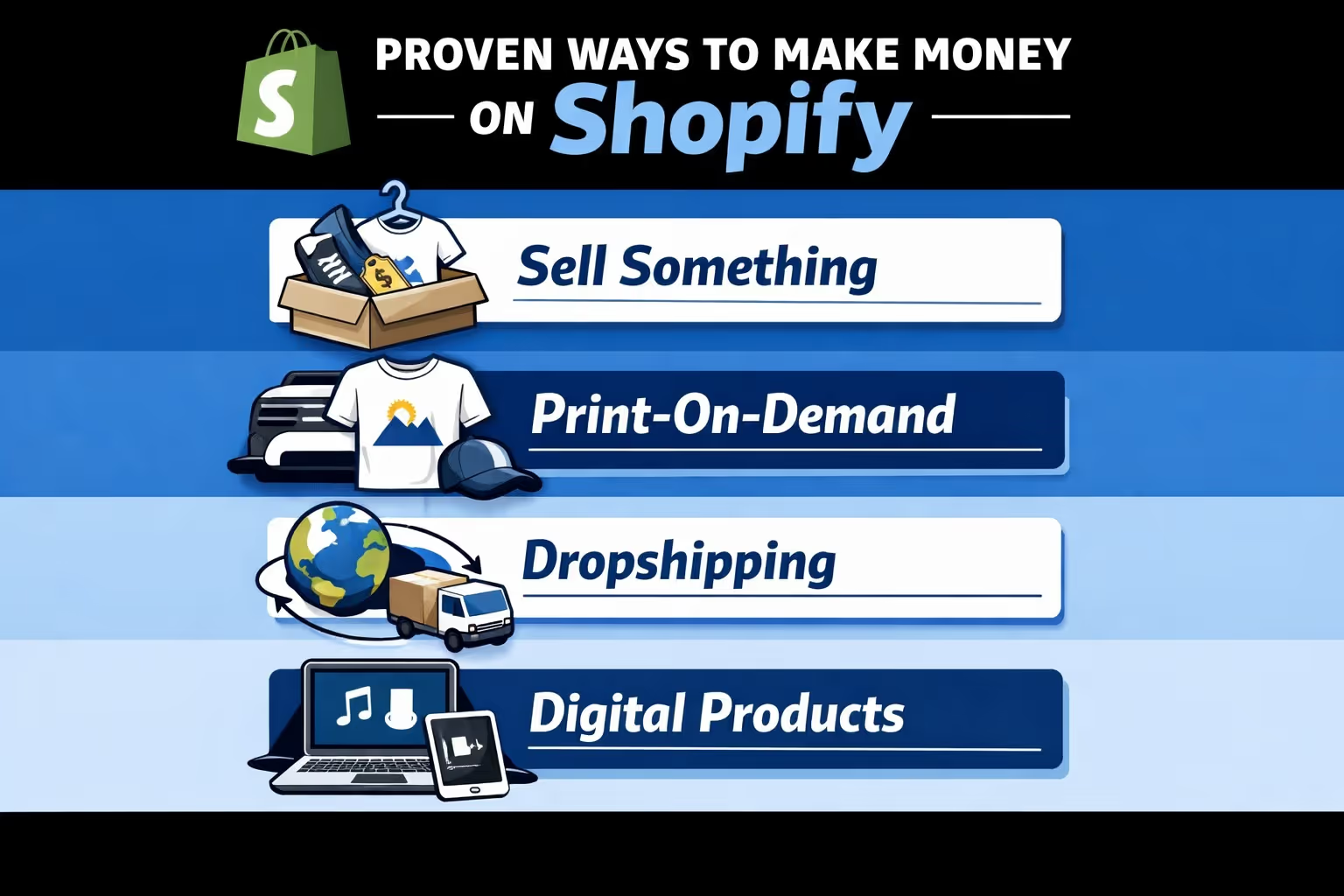
Here’s a brief rundown of the different ways people are earning through Shopify in 2026:
The most direct route to making money on Shopify is running your own store. That means picking a product, setting up your storefront, and selling directly to customers. It sounds simple, but success here usually depends on getting a few key things right early.
Some people start with a single product they know inside and out. Others test the waters with a small collection. What matters most is building a store that communicates trust and clarity from the first click.
You’ll need to:
If you’re just testing the idea of ecommerce, you don’t have to go all in at once. Shopify’s lower-tier plans let you sell through a simple link or a basic storefront, which is enough to validate an idea before scaling it.
If you’re more of a designer or idea person, print-on-demand (POD) can be a great low-risk way to earn. You create the design, upload it to products like shirts or mugs, and when someone buys, a supplier prints and ships it. You don’t touch inventory.
Some platforms plug directly into Shopify, which makes the setup smooth. They handle everything behind the scenes. Your job is mostly around designing the product artwork, writing useful product descriptions, marketing your items on social or through email, and keeping an eye on customer feedback to improve.
It’s not passive income, but it’s definitely scalable. Once a product starts selling, it keeps going without much extra effort on your part. The challenge is usually standing out, so niche targeting helps.
Dropshipping is a cousin to POD, but instead of selling custom designs, you sell existing products from third-party suppliers. Again, you don’t carry inventory or handle fulfillment.
The upside is fast setup and variety. The downside? Low margins, high competition. Your job is to curate better, market smarter, and provide a buying experience that doesn’t feel generic.
Dropshipping works best if:
It’s not about finding the cheapest supplier or fastest shipper. It’s about being the one who tells the story better.
Selling digital goods is one of the easiest ways to run a Shopify store without touching a physical item. Once it’s created, you can sell it over and over again without worrying about fulfillment or restocks.
Some ideas that work well:
You’ll need to disable shipping on these products and make sure the delivery flow is seamless. The biggest challenge here isn’t setup – it’s building trust and communicating the value clearly before purchase.
Shopify isn’t just for physical or digital products. You can also sell services. This works well for freelancers, consultants, trainers, and anyone who offers something a client can book or buy directly.
A few examples include personal coaching or consulting (fitness, business, parenting, etc.), online workshops or training sessions, branding and design packages, and website audits or ecommerce strategy sessions.
You’d treat each service like a product listing, with details, pricing, and FAQs. Shopify also lets you add appointment booking integrations if your service is time-based. SEO matters a lot here – people often search directly for service keywords, so use clear language.
Subscription-based stores are a smart way to stabilize revenue. You offer customers a product or service they receive regularly – weekly, monthly, quarterly.
This isn’t just for razors or socks anymore. Creators have built subscriptions around:
Shopify’s App Store includes tools to manage subscriptions, charge recurring payments, and handle renewals automatically. A tight brand and a clear promise are key here. People don’t sign up just for a product – they sign up for consistency and ease.
Some people make money without ever selling a product. They either build Shopify stores from scratch, grow them, and flip them on platforms, or manage existing stores for clients.
Store flipping works if:
Store management, on the other hand, is more like being a freelance operator. You run day-to-day operations – inventory updates, customer support, email marketing – and get paid hourly or per project.
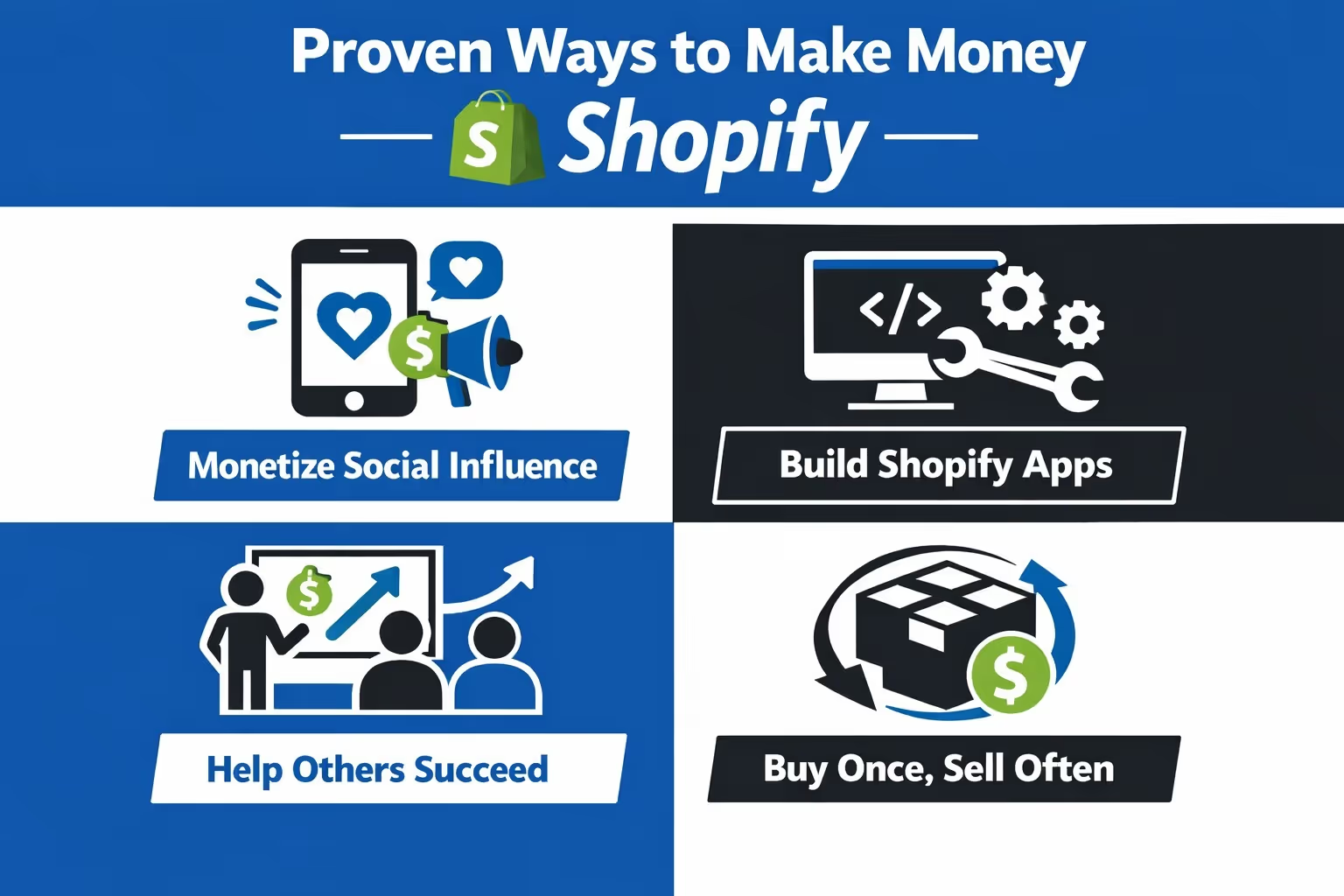
Shopify lets creators connect their products to TikTok and Instagram through official integrations, while YouTube requires linking via Google Merchant Center. If you’ve built even a modest following around a niche, that audience can turn into customers.
A few ways this works: sell merch related to your content (cooking creators sell aprons or recipe cards), recommend affiliate products through your own Shopify mini-site, launch a starter product that complements your brand.
You don’t need to be a mega influencer. You just need a consistent theme and something valuable for your audience.
If you're a developer or even a hobbyist coder, there's a whole other economy inside Shopify: the app and theme ecosystem.
Merchants use apps for everything from upselling and reviews to shipping and loyalty programs. The Shopify App Store is public, and developers can submit their own tools to it.
Here’s what makes a good Shopify app:
Likewise, if you have an eye for design, theme development can be equally profitable. Merchants want fast-loading, clean layouts that match their brand. And they’ll pay for it, especially if it helps them avoid hiring a full developer.
You don’t need to build a store to be part of Shopify’s ecosystem. You can make money by helping others succeed. Through the Shopify Partner Directory, freelancers and agencies can offer services like store setup, photography, and marketing strategy.
It’s a good fit for freelancers who already work in ecommerce and want a formal channel to get leads. You list your service, set your rate, and get hired based on your expertise.
One final path that gets overlooked is licensing. If you’re a designer, developer, or copywriter, you can create assets that other store owners buy and reuse.
These could be:
The key here is packaging. Make the asset easy to understand and quick to apply. Customers are looking for shortcuts that save them time or effort.
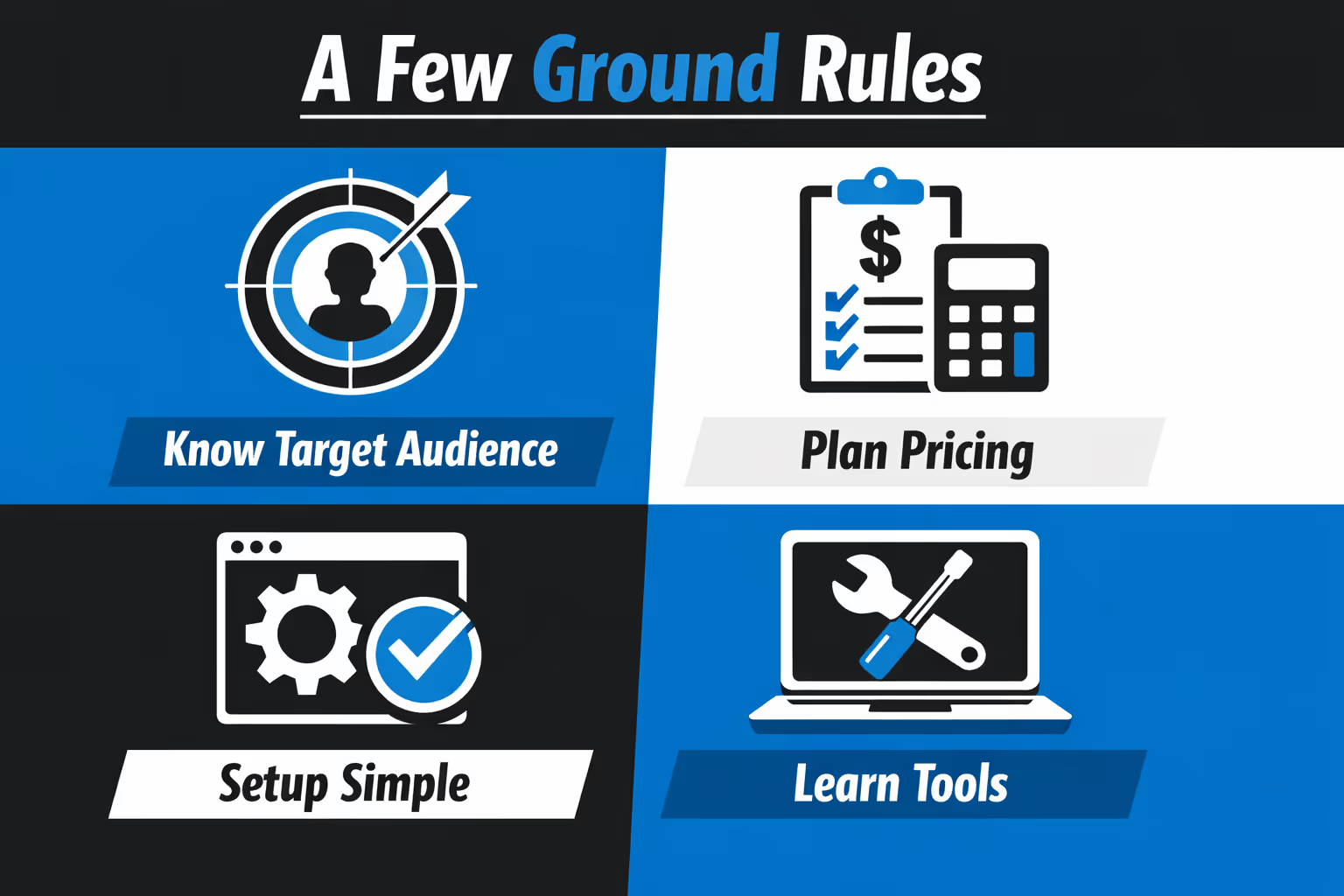
No matter which path you choose, it helps to start with a few basics in place:
And don’t skip marketing. Even the best products or services won’t move unless someone knows they exist. Your marketing doesn’t need to be flashy – it just needs to be visible and consistent.

One thing we’ve seen over and over is that launching a Shopify store is just the start. Getting traffic is where it gets real. That usually means running ads, and here’s the hard truth: most ad creatives miss the mark. You spend time and money, only to realize later that your audience didn’t click, or worse, didn’t care.
That’s where we come in. At Extuitive, we’ve built an AI-powered prediction engine designed specifically for this problem. Our platform helps you test your ads before they go live, so you can see which ones are likely to convert and which ones aren’t worth the budget. The predictions are modeled against real campaign data and validated by large-scale simulations, so you’re not guessing. You’re using data that actually holds up.
We integrate directly with your Shopify store to analyze your products, audiences, and creatives. Whether you're a solo founder or part of a growing team, our goal is the same: help you launch ads that perform better from day one, with less trial-and-error. It’s not about making more ads. It’s about making better ones.
Making money on Shopify isn’t a magic trick. But it’s flexible, and it’s real. You can build something small that stays small, or you can scale. You can make money from products you never touch, or sell a skill you’ve had for years.
The point is, there’s more than one way to do it. You don’t have to go all in from day one. Pick the model that feels most natural, test it, tweak it, and give it some time to work.
Not every path is easy. But if you’re willing to put the pieces together, Shopify gives you a platform to turn ideas into income – on your terms.


