How to Change Your Shopify Theme
Learn how to safely change your Shopify theme without losing content. Avoid broken layouts or SEO drops with our complete instructions for a smooth switch.
Mar 24, 2026



This is one of the first questions people ask before launching a Shopify store, and for good reason. Nobody wants to set everything up only to find out later they missed a legal step. The honest answer is not a simple yes or no. Whether you need a business license depends on what you sell, where you are located, and how your business is set up. Some sellers can start right away with minimal paperwork, while others need permits before the first order goes out. Let’s walk through how it actually works so you know what applies to your situation and what can safely wait.
No, Shopify doesn’t require a business license to open a store but that doesn’t mean you’re off the hook. Depending on what you sell and where you live, your state or local government may require a business license, seller’s permit, or other registration. If you’re selling taxable goods, running a formal business, or operating under a brand name, it’s a good idea to check your local requirements before launching.

Technically speaking, you can create a Shopify store and start uploading products without entering a license number anywhere. Shopify’s platform doesn’t require you to prove you’re a registered business.
But that doesn’t mean you’re automatically in the clear.
In the U.S., most licensing requirements come from government agencies, not from platforms like Shopify. So while Shopify won’t stop you from launching without a license, your state or local government might have something else to say, especially if you plan to:
So while you won’t get a warning from Shopify, you could run into tax issues, fines, or shutdown orders if your local authorities decide you’re not compliant.
Licensing laws are set at different levels: federal, state, county, and city. That means what’s required in one place might not be needed elsewhere.
Some examples:
Even home-based businesses might need a home occupation permit, especially if you’re handling inventory, packaging products, or receiving regular shipments.
So the key takeaway: don't assume you’re exempt just because you work from your laptop. Look up your local laws or call your county clerk to get a clear answer.
Selling online through Shopify is just one of many ways people run businesses today. But ecommerce doesn’t get a free pass when it comes to business rules.
You may need a license if:
On the other hand, if you’re just testing an idea, selling a few items as a side hustle, or dropshipping without holding inventory, you may be able to start small and delay licensing until you're more established.
That said, if you plan to advertise, open a business bank account, or claim business deductions on your taxes, registering officially can be helpful even early on.
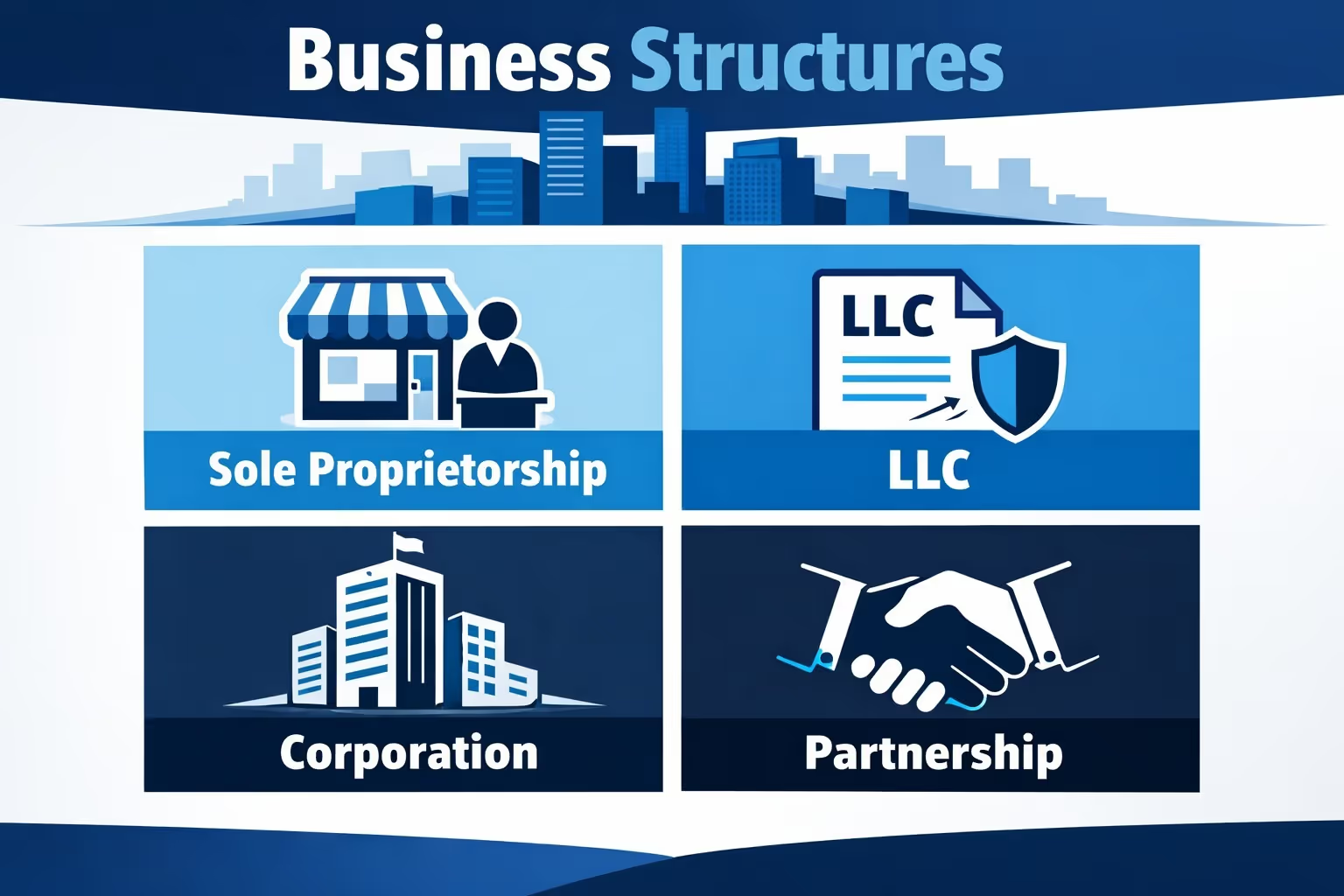
The type of business structure you choose has a big influence on what licenses you might need. Here’s a quick breakdown:
This is the simplest and most affordable way to get started. If you're selling under your own legal name and not collecting sales tax, you might not need a business license at all. That said, it’s still smart to check with your local city or county to make sure you're not missing anything, especially if you’re storing inventory at home or running ads.
Forming an LLC gives your personal assets some legal protection, which is a big deal if you’re planning to grow or take on financial risks. Most states require you to officially register your LLC, and that can trigger the need for local licenses too. It’s a few extra steps up front, but it sets you up with more structure and flexibility down the line.
If you’re setting up a full corporation, you’ll be dealing with more paperwork and regulations. These structures usually require a general business license, and you’ll need to stay on top of things like bylaws, board meetings, and corporate filings. It’s more work, but also opens doors for raising capital and scaling in more formal ways.
Going into business with someone? Your licensing needs will depend on how formal the partnership is and what kind of business you’re running. Some general partnerships can operate pretty simply, while others need to be registered with the state and might require licenses just like an LLC would. It’s worth sitting down together and figuring out what applies before you launch.
Choosing the right structure also affects how you file taxes, apply for an EIN, and work with suppliers or banks. It’s worth getting this right from the start, or talking to an accountant before locking in your decision.
A seller’s permit (sometimes called a sales tax license) allows you to collect and remit sales tax on taxable goods. This is often one of the first licenses ecommerce sellers need.
You’ll usually need a seller’s permit if:
Even if you're dropshipping, your state might require a seller’s permit, a license, or a reseller certificate if you're purchasing goods tax-free for resale.
The application process for licenses varies depending on the type, but most require similar information. You’ll likely need:
If you’re selling nationally or internationally, some licenses might take longer or involve additional documentation, like product labeling or health compliance certifications.
Here’s a breakdown of licenses and permits that online sellers may run into:
Some cities and states require you to have a general license just to operate legally, no matter what kind of business you run. This is often the first thing local governments ask for when you start selling.
If you're selling physical products that are subject to sales tax, you'll likely need a seller’s permit. This allows you to collect tax from your customers and send it to the state.
Running your store from home? Some local areas require a home-based business permit, especially if you're storing inventory, shipping products, or expecting deliveries.
If your store name doesn’t match your legal name or registered company, you may need a DBA registration. This lets you legally operate under a different name.
If you offer services in a regulated field – like accounting, legal advice, or cosmetology – you’ll probably need a license specific to your profession.
Selling things people eat, drink, or apply to their skin? You might need local or state permits to show your products meet safety standards.
Planning to open a physical retail location and put up a sign? Many cities require a permit for that too, especially if your signage is large or illuminated.
These are only necessary if you're in specific industries, like alcohol, firearms, agriculture, or transportation. Some Shopify sellers won’t need them, but it's good to be aware.
If you're wondering how risky it is to launch without a license, here's the reality:
Plus, if you ever want to sell your business or get funding, having your legal ducks in a row from day one will make your life a lot easier.
In some cases, you can start selling before you go through licensing formalities. For example:
That said, it’s a good idea to look ahead. If you start generating consistent income, licensing becomes more important – not just legally, but for your brand's credibility and peace of mind.
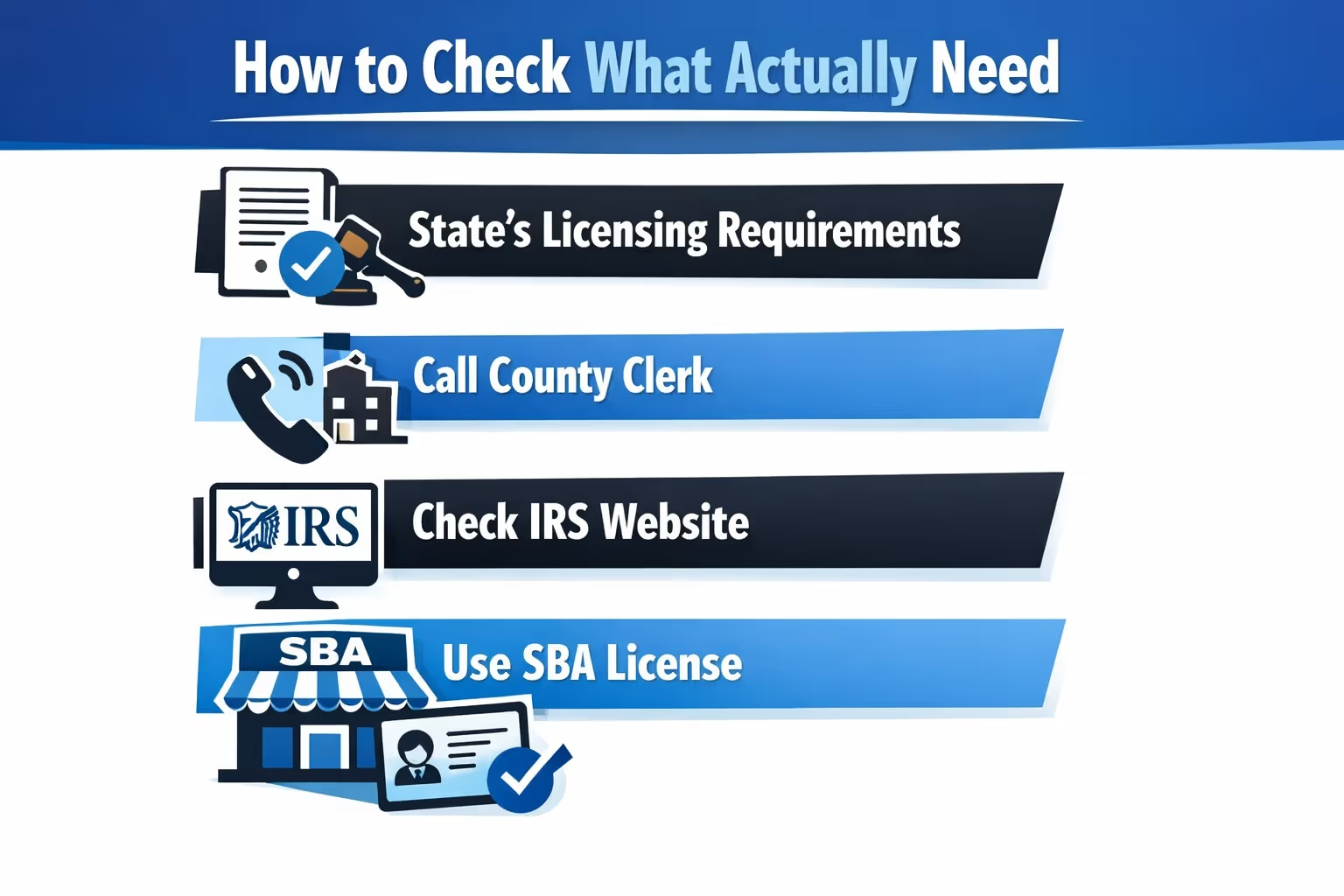
Here’s a simple plan:

Once your legal setup is sorted, the next challenge is getting the right people to actually see (and click on) your products. That’s where we come in.
At Extuitive, we help Shopify brands predict which ads will actually convert before they ever go live. Our platform connects directly to your store and uses tested AI models to forecast performance based on real-world data. Instead of guessing which headline or creative might work, you can test ideas in minutes with simulated audiences modeled after thousands of real consumers.
We’re not a competitor to your ad tools or spy platforms. Think of us as the filter between your inspiration and your budget. Whether you're launching your first product or trying to scale what’s already working, we make sure your creative gets validated fast, so you're not spending on ads that flop. It’s one thing to get licensed and legal. But if you’re serious about growing your store, making smarter ad decisions is part of the real work too.
Getting licensed isn’t as complicated or expensive as it sounds. For many Shopify sellers, it’s just a few steps. What matters is knowing what’s required for your specific case and taking care of it early or at least having a plan in place as your store grows.
You don’t have to figure it all out before your first sale. But if you want to build something that lasts, compliance is part of the foundation. It’s worth the time to get it right.


