Can You and How to Import Your Etsy Listings into Shopify Hassle-Free
Learn how to move your Etsy listings to Shopify, step by step. Explore manual and automatic options to sync and manage your products.
Feb 3, 2026



Advertising used to be a guessing game. You’d come up with a few ad versions, toss them into the wild, then sit back and wait for the numbers to tell you what worked. That model worked fine for a while. But with tighter budgets, shrinking attention spans, and pressure to personalize every touchpoint, most brands don’t have the luxury of waiting anymore.
Enter dynamic creative optimization, or DCO.
This article walks you through what DCO actually is, how it works under the hood, why it matters, and how it fits into today’s fast-moving ad landscape.

Dynamic Creative Optimization (DCO) assembles combinations of images, headlines, and text automatically, testing variations live to find what performs best. It’s efficient at scale, but still grounded in trial and error. At Extuitive, we go further. We help brands decide what’s worth launching before the first impression is even served.
Our predictive advertising system evaluates new creative combinations in advance, using your brand’s historical performance and simulated audience feedback. Instead of running real campaigns to discover what resonates, we score each variation for expected CTR and ROAS, then filter out weak assets before they enter the platform.
The result isn’t just faster optimization. It’s a smarter foundation. With Extuitive, DCO becomes intentional: you already know which components are most likely to work, and why. That means less waste, fewer random pairings, and creative decisions based on evidence, not experimentation.
At its core, dynamic creative optimization is about assembling more relevant ads at scale. Instead of showing the same creative to everyone, DCO uses predefined assets and rules to dynamically assemble an ad for each impression. It relies on data signals such as location, device, and past behavior to select the most appropriate creative elements in real time.
Think of it like a modular ad. The structure stays the same, but the pieces (image, copy, CTA, etc.) change depending on who’s watching.
The result? Ads that feel more relevant, perform better, and waste less of your budget.
Let’s rewind a bit. The idea of customizing ads isn’t new. Marketers have been segmenting audiences and tweaking messages for years. What’s changed is scale.
Modern campaigns often need to reach thousands of micro-audiences across multiple platforms. Doing that manually would take forever. DCO solves that by automating creative assembly and optimization.
It’s not just a time-saver. It’s a way to keep up with the expectation that every ad should feel tailored.
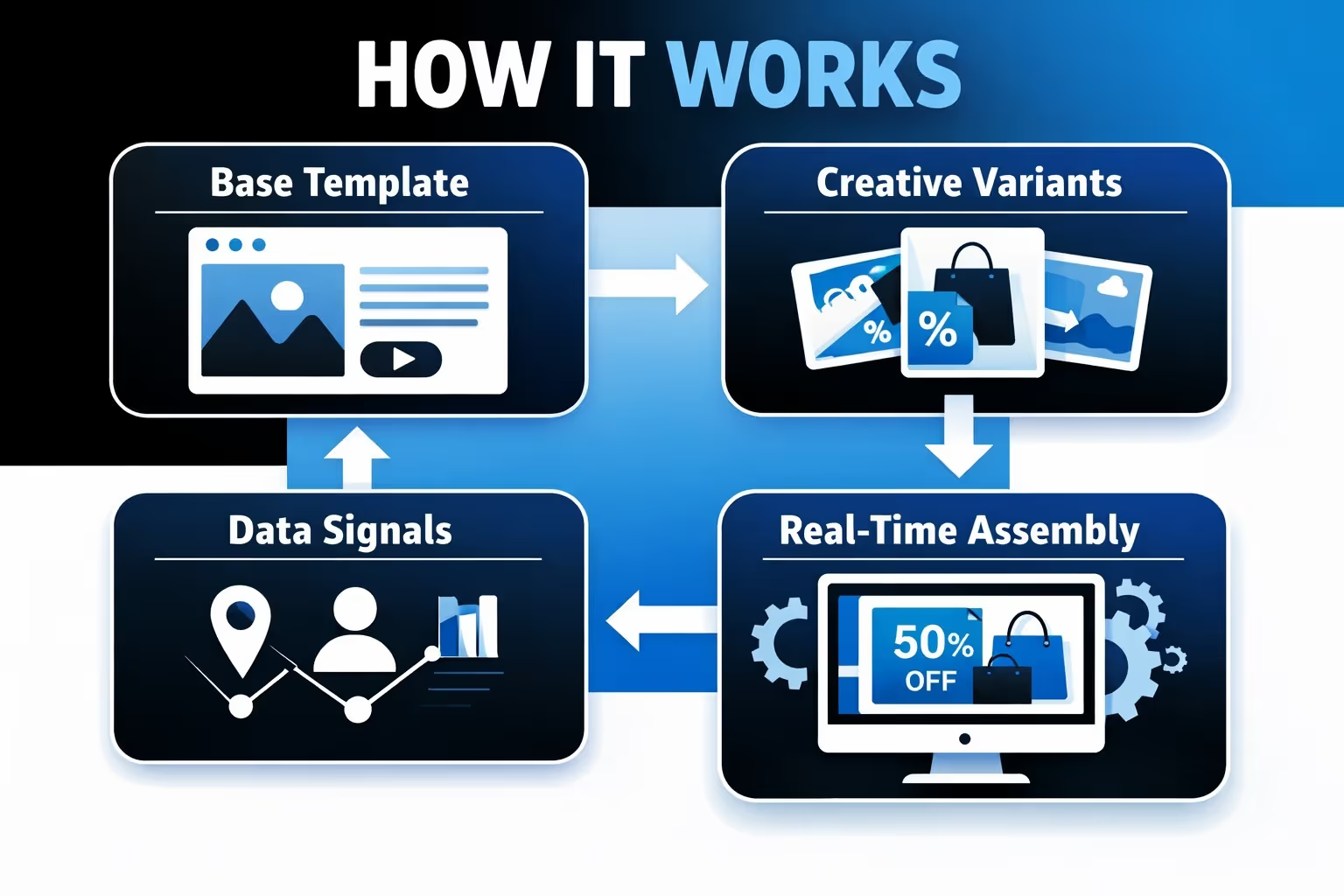
To really understand DCO, it helps to break it into a few simple building blocks. Here’s how it all comes together:
You start with a template. This is your ad “frame” – the layout that holds things like images, product names, pricing, or calls to action. Some parts are static (like brand colors), others are dynamic and designed to change depending on the viewer.
Next, you build a library of creative assets. That might mean:
These pieces get slotted into the dynamic placeholders you set up earlier.
Now comes the data part. DCO systems pull in signals like:
Each of these inputs helps determine which creative combo gets shown.
When someone sees the ad, the platform pulls everything together on the fly. It chooses the best creative variation for that viewer in that moment, based on all the data it has.
And this isn’t just a one-time thing. It happens for every impression.
Once the ads are running, machine learning kicks in. The system tracks which combinations perform best, then uses that info to improve future ad delivery.
Over time, it gets better at knowing which messages work for which people.
The magic of DCO isn’t just in the tech – it’s in how you use it. The best campaigns aren’t overly complex. They’re thoughtful, well-organized, and grounded in actual audience insights.
Here are a few traits they tend to have in common:
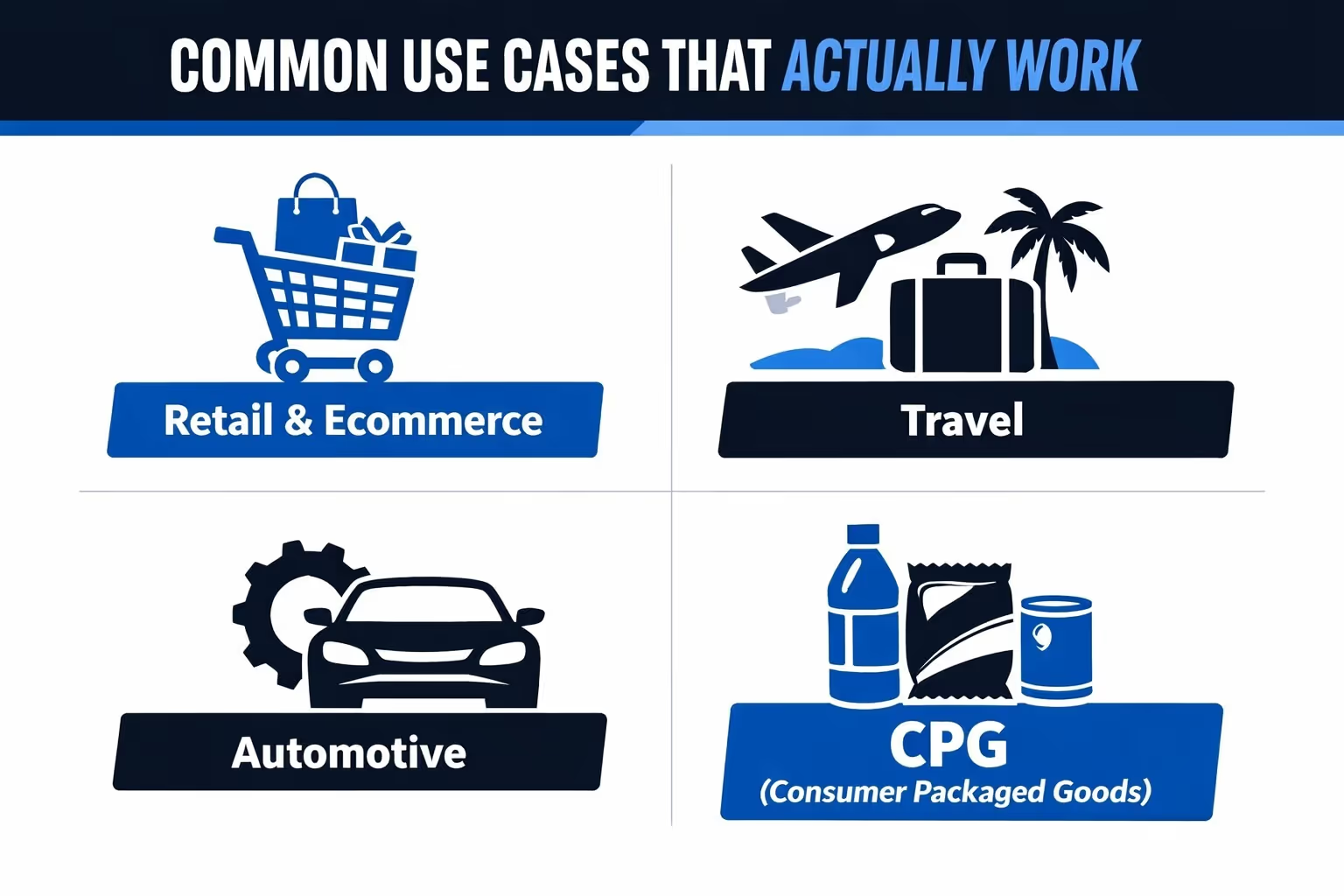
While DCO can technically be used in any industry, some verticals are naturally a better fit. You’ll see it most often in:
Retailers and ecommerce brands lean heavily on DCO to make product ads feel more personal and timely. If someone browsed a pair of sneakers yesterday, they might see that same pair again today, front and center. Or maybe they left a jacket in their cart and forgot about it – DCO can quietly remind them, complete with updated pricing or limited-stock messaging. Local inventory and current promotions can also be woven into the creative, making sure shoppers see what’s actually available near them, not just a generic product feed.
In travel, timing and context are everything. DCO helps advertisers tap into those signals in real time. Someone searching in February might see sun-soaked destinations, while a summer browser could be shown cooler escapes. Flight deals tied to the user’s nearest airport create a sense of immediacy, and hotel or rental options can be tailored based on previous searches or browsing habits. The result is an ad experience that feels like it already knows where you're thinking about going next.
Car ads don’t have to be broad and impersonal. With DCO, they can reflect the viewer’s actual interests. If someone checked out a specific model online, the next ad they see might feature that exact car, possibly with a localized offer or a prompt to book a test drive nearby. The creative adapts based on what the shopper actually did, so it moves the conversation forward rather than starting from scratch every time.
For consumer goods, especially in categories like beauty, food, or household items, DCO offers a way to speak to individual preferences at scale. Someone who regularly buys a particular skincare product might see a new item from the same line, or a seasonal version tied to current trends. Brands can even adjust messaging based on regional demand, making sure they’re not showing pumpkin spice to someone in April or grilling tools to someone in the middle of winter.
Marketers love to throw around phrases like “better ROI” and “hyper-personalization,” but what does DCO actually do for a brand?
Here’s what teams usually gain:
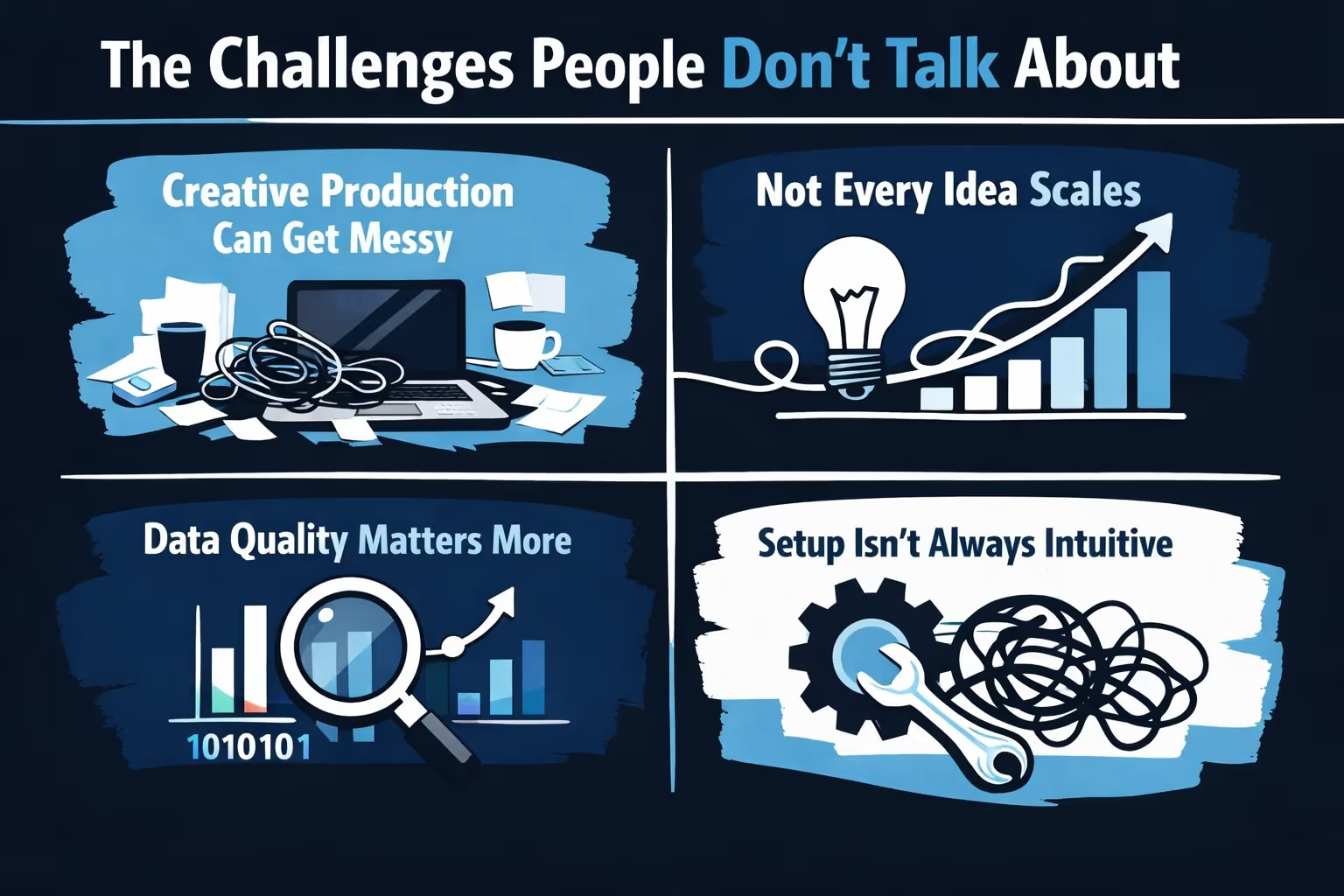
It’s not all plug-and-play. DCO comes with a few real-world headaches, especially for teams doing it for the first time.
You’ll need more assets than you think. And not just a few resized banners – true DCO requires a library of swappable parts. If your team isn’t set up for that kind of creative volume, it can stall the process.
Some creative ideas just don’t work well in a modular format. If your message relies on emotion, timing, or subtlety, it can get lost when broken into swappable parts. DCO is great for structured variation, not layered storytelling. Sometimes, the best-performing ads are the ones that don’t fit into a dynamic template.
If your product feed is messy or outdated, DCO won’t work. It’ll show the wrong prices, promote out-of-stock items, or just misfire entirely. Clean, structured data is non-negotiable. It’s the foundation everything else relies on.
Connecting creative pieces to data triggers takes upfront planning. If your logic is tangled or too complex, the system may deliver confusing or mismatched ads. A bit of structure goes a long way. But don’t expect to get it perfect on the first try.
For now, DCO is mostly seen on native, display, and some social formats. But that’s changing.
As connected TV and programmatic video evolve, we’re starting to see dynamic personalization move into premium ad environments. That means tailored ad experiences even in places that used to be one-size-fits-all.
There’s also more interest in applying DCO to longer sales cycles. B2B brands, financial services, and travel marketers are exploring ways to personalize high-consideration journeys without overwhelming the creative process.
In short, DCO is growing up. It’s no longer just a performance hack - it’s becoming a foundational strategy for digital advertising.
Dynamic creative optimization is not a shortcut or a silver bullet. It requires planning, structure, and ongoing effort to work well. It will not write your copy or fix broken feeds, but when set up correctly, it helps teams deliver more relevant ads faster and at greater scale.
The core idea is straightforward. For brands running complex campaigns across multiple segments, DCO provides a practical way to use data and automation to make creative more responsive. It is less about chasing new technology and more about consistently showing the right message to the right audience in the right context.


