Best Instagram Ads Agencies to Explore and Understand Their Approach
A practical look at Instagram ads agencies, what they do, how they work, and how to choose the right fit for your brand and goals.
Feb 9, 2026



Running a Shopify store is exciting, but anyone who’s tried it knows that getting your products in front of the right people can feel like a whole other challenge. You might have the best products in the world, but if no one sees them, sales will stay flat. Promoting your store doesn’t have to be overwhelming, though. With the right strategies, you can reach the right audience, build trust, and grow your sales steadily.
Here’s a practical guide to proven ways to promote your Shopify store, complete with tactics that work today.
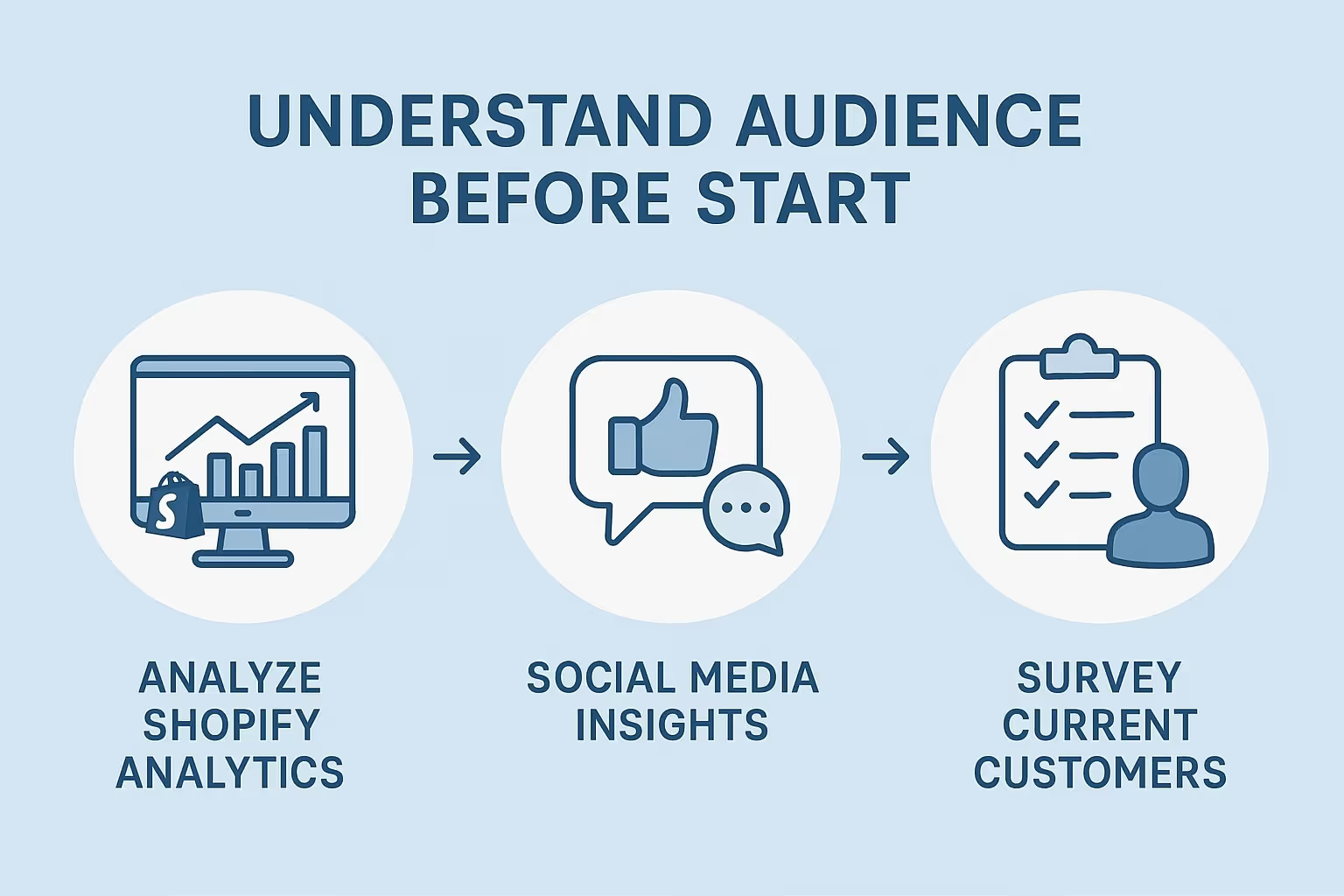
Before you spend a dollar on ads or post a single product on social media, get to know your audience. Who are your ideal customers? What do they care about? Where do they hang out online?
Without this clarity, promotion becomes a guessing game. Here are some ways to understand your audience better:
When you know your audience, every marketing move becomes sharper, saving you time and money.
Getting visitors to your store is only half the battle. The other half is convincing them to actually buy. A poorly optimized store can turn even the most interested shoppers into lost opportunities. To make sure your promotion efforts pay off, your Shopify store needs to guide visitors smoothly from curiosity to checkout.
Your product descriptions do more than list features - they tell a story about why someone needs your product:
Even small tweaks in wording can make visitors feel confident that your product is the right choice.
Humans are visual creatures. Your images often make the first impression before anyone reads a single word:
When your images tell a story, shoppers don’t just see the product - they envision it in their own lives.
Even the most interested buyers can abandon carts if the checkout feels complicated or time-consuming.
A smooth, stress-free checkout turns casual visitors into confident buyers.
More than half of online shopping happens on mobile devices. If your store isn’t optimized, you’re losing a huge chunk of potential sales:
Think of mobile shoppers like hurried customers in a busy store. Make it easy for them to find what they need and check out quickly.
Optimization isn’t a one-time task. Small changes can make a big difference, so keep testing:
Even incremental improvements can boost sales significantly over time.
By focusing on clear messaging, compelling visuals, frictionless checkout, and mobile usability, your Shopify store becomes more than just a shop - it becomes a conversion machine. Every dollar spent on promotion works harder when visitors can easily find, understand, and buy your products.
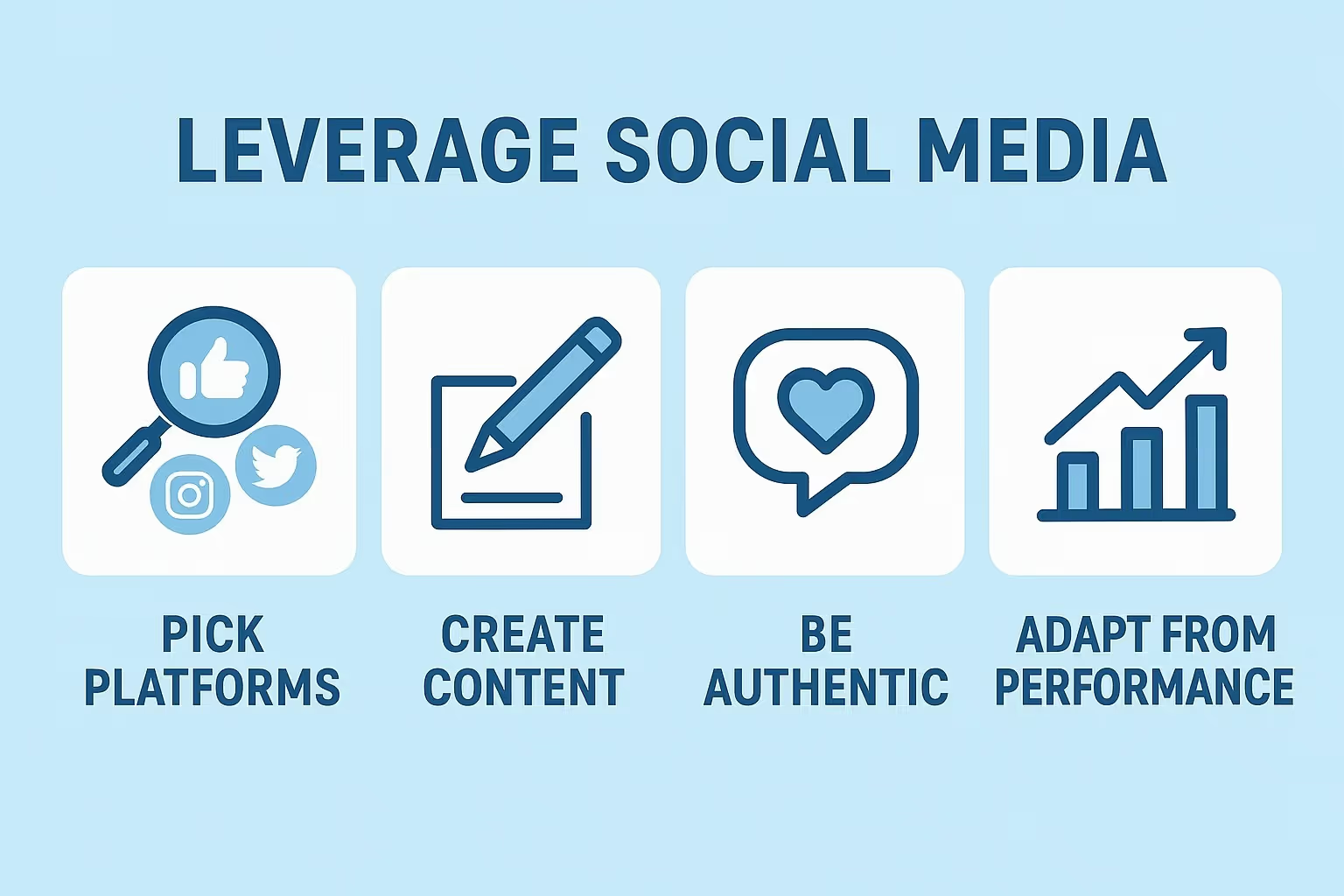
Social media isn’t just a gallery for product photos - it’s where your brand comes alive. It’s a place to tell stories, connect with potential customers, and turn casual scrollers into loyal buyers. For Shopify stores, the goal isn’t to post endlessly; it’s to share content that captures attention and encourages action.
Not every social platform will deliver results for your store. The key is to focus on the ones where your ideal audience hangs out. Instagram and TikTok work beautifully for products that are visually appealing or lifestyle-oriented. Short videos, tutorials, or behind-the-scenes clips show your products in action, giving shoppers a real sense of how they fit into daily life. Hashtags can help reach a wider audience, but only if they are relevant - randomly popular tags rarely drive meaningful engagement.
Facebook groups and online communities are another powerful way to reach people who are already interested in your niche. Instead of posting generic sales pitches, provide useful advice, answer questions, or share tips related to your product. When done thoughtfully, these interactions can naturally lead people back to your store. Pinterest, on the other hand, works for content that’s aspirational or visually striking. Pins often generate long-term traffic, so investing in high-quality images and clear messaging can pay off for months.
The best social media content goes beyond showing a product. It engages, informs, and sometimes entertains, building a relationship with potential buyers. Short videos, storytelling posts, and tutorials are excellent ways to illustrate your product’s value. Highlighting real customer experiences or sharing user-generated content adds credibility. People are far more likely to trust a product when they see someone like them using it successfully.
Interactive elements like polls or questions can also help. Even a simple “Which color do you prefer?” or “How do you use this product in your routine?” can spark conversation and make your audience feel involved. The goal is to create touchpoints that build familiarity and trust over time, rather than trying to close a sale with every post.
Social media is a long-game strategy. Posting consistently helps people remember your brand, but consistency should focus on tone and message, not just volume. Show the people behind your brand, share occasional behind-the-scenes moments, and allow your content to reflect your personality. Imperfect posts often feel more human and approachable than over-polished content. Responding to comments and messages promptly also reinforces that your brand is approachable and trustworthy.
Even with a great strategy, you won’t know what works until you look at the data. Monitor engagement metrics like comments, shares, and click-throughs to your Shopify store. Pay attention to what types of posts spark discussion or drive traffic, and adjust your strategy accordingly. Over time, small tweaks - like posting at different times, experimenting with captions, or testing video lengths - can dramatically improve results without requiring more effort.
Social media isn’t about posting endlessly or chasing every trend. It’s about building a narrative, connecting authentically with your audience, and guiding them toward your products naturally. When done thoughtfully, it amplifies every other marketing effort, bringing more traffic, engagement, and sales to your Shopify store.
Paid advertising is one of the fastest ways to get your Shopify store in front of new customers. When done strategically, it can drive traffic, boost sales, and complement your organic marketing efforts. Here’s how to run campaigns that actually work:
Knowing who you’re targeting is crucial. Go beyond age and location and consider behaviors, interests, and purchase intent. Segment audiences based on past buyers, email subscribers, or website visitors. This ensures your ads speak directly to people most likely to buy. Shopify makes it easy to pull this data into platforms like Facebook and Google Ads.
Most shoppers won’t make a purchase on their first visit. Retargeting allows you to remind them why they were interested. Show ads to visitors who viewed products but didn’t check out, highlight benefits they may have missed, or offer a small incentive like free shipping. Even a modest retargeting budget can recover lost sales efficiently.
Once you know who your best customers are, find more people like them. Platforms like Facebook and Instagram let you create lookalike audiences based on existing buyers or website visitors. These new prospects often convert better than cold traffic because they share traits with your loyal customers. Start small, monitor results, and refine your targeting.
Ads perform best when messaging is simple and focused. Highlight one product or a carefully chosen bundle rather than everything at once. Use clear, benefit-driven headlines, compelling visuals that show the product in action, and, when appropriate, seasonal or limited-time campaigns to create urgency. This reduces confusion and makes it easier for shoppers to take action.
Paid ads are never a set-it-and-forget-it strategy. Track key metrics like click-through rate, conversion rate, and return on ad spend. Experiment with copy, visuals, and ad formats to see what resonates. Pause or tweak underperforming campaigns, and reinvest in those delivering results. Small, data-driven adjustments over time can dramatically improve ROI.

Our platform Extuitive helps Shopify store owners run more effective ads by predicting which creatives and messaging are most likely to resonate with their audience. By connecting your store, our platform uses AI to generate and test ad concepts, reducing guesswork and allowing merchants to scale campaigns faster and more efficiently.
Extuitive tests campaigns against thousands of simulated consumer profiles before any budget is spent, enabling validation of ideas, refinement of messaging, and precise audience targeting. By combining AI-driven insights with actionable data, our platform helps Shopify stores make smarter decisions, optimize campaigns, and drive higher engagement and sales.
Paid advertising doesn’t have to be overwhelming. By targeting the right audience, retargeting interested visitors, leveraging lookalike audiences, keeping campaigns focused, and optimizing continuously, you can turn even a small ad budget into meaningful growth for your Shopify store.
Even in an age dominated by social media, email remains one of the most reliable ways to connect with your audience. A thoughtful email strategy helps you nurture leads, encourage repeat purchases, and keep your Shopify store visible without having to post constantly on every platform. Done well, emails feel personal, useful, and timely rather than pushy or spammy.
First impressions matter, and your welcome email series is your chance to introduce your brand and make new subscribers feel valued. Instead of just saying “thanks for signing up,” highlight your story, bestsellers, and what makes your store unique. You can even include a small incentive, like a discount on their first purchase, to encourage immediate engagement.
Shoppers often leave items behind for reasons unrelated to price or interest. Gentle, well-timed reminders can recover sales that would otherwise be lost. Keep your messages friendly and helpful, showing the product again and maybe suggesting related items. Even one or two reminders can have a surprisingly high impact on conversion rates.
Emails are an excellent way to announce new products, seasonal collections, or special sales. Rather than blasting generic “buy now” messages, focus on content that provides value - like tips for using a product, styling suggestions, or behind-the-scenes stories. Subscribers are more likely to open and act on emails that feel curated and relevant to their interests.
The most effective emails don’t just ask for a sale - they build a relationship. Personalization, segmentation, and thoughtful messaging make your emails feel tailored rather than mass-produced. Segment your audience based on past purchases, browsing behavior, or engagement with previous emails. Even small touches, like addressing someone by name or suggesting products based on their interests, can make a big difference.
A smart email marketing strategy keeps your store in front of your audience, nurtures trust, and encourages repeat business without overwhelming subscribers. When your emails are helpful, relevant, and well-timed, they become one of your most powerful tools for growing sales and loyalty.
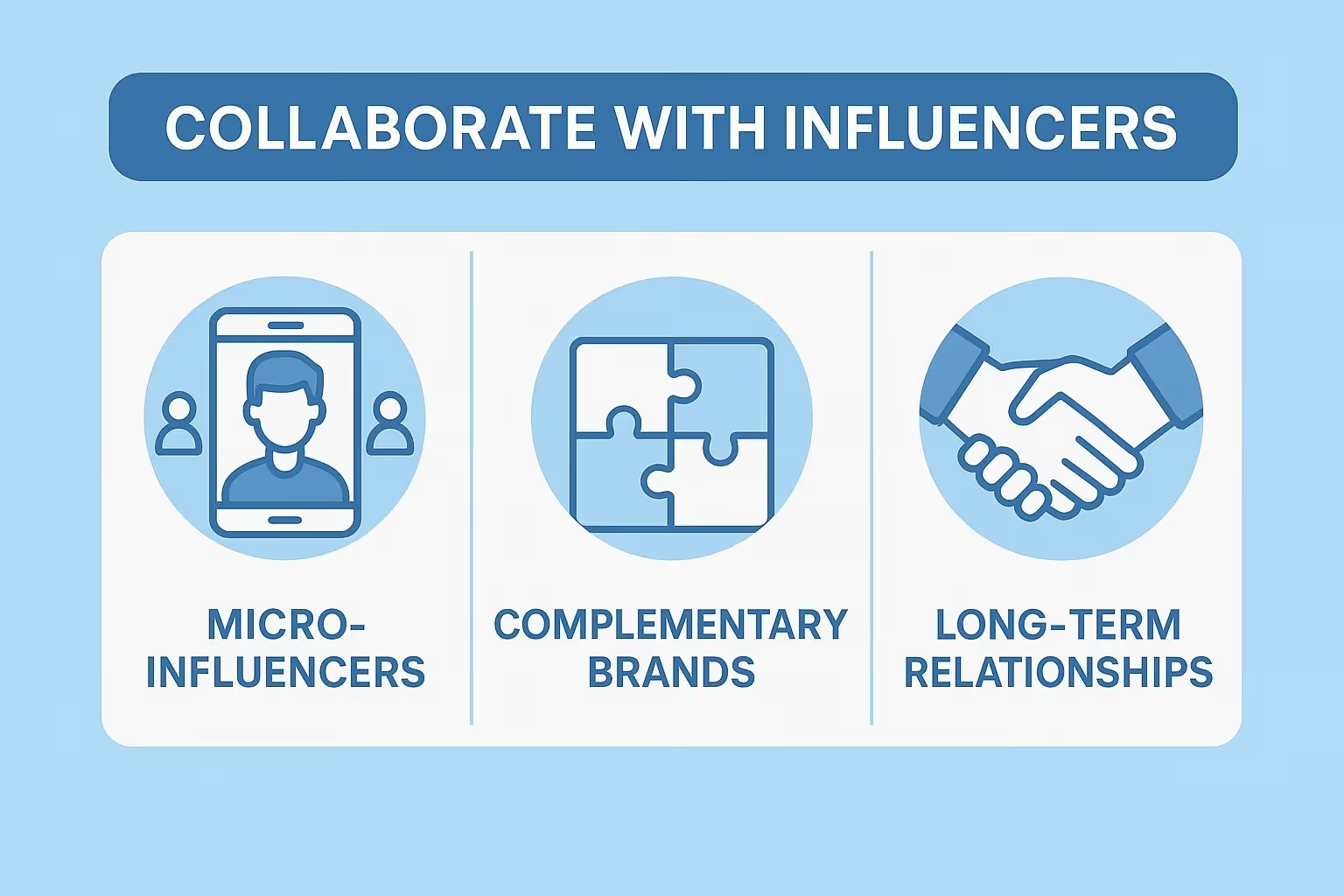
Influencer and brand collaborations aren’t just for big companies with massive budgets. When done thoughtfully, even small Shopify stores can reach new audiences, build credibility, and drive meaningful sales. The key is finding partners whose audience aligns with your products and who can communicate your brand authentically.
Micro-influencers - creators with smaller but highly engaged followings - can be surprisingly effective. Their audiences tend to trust them more than celebrity influencers, which means recommendations carry more weight.
Partnering with other brands can extend your reach without needing a huge ad budget. Look for businesses that serve a similar audience but don’t compete directly with you. For example, a fitness accessories store could collaborate with a health food brand or an activewear company.
The most successful collaborations aren’t one-off campaigns - they build ongoing relationships. Influencers who repeatedly feature your products create familiarity and trust with their audience. Similarly, maintaining strong relationships with brand partners opens doors for future joint campaigns, seasonal promotions, or even co-created products.
Collaborations are about more than just exposure - they’re about trust and alignment. By working with influencers and brands that share your values and target the right audience, you can amplify your reach, create authentic connections, and drive sales in ways that traditional advertising often can’t match.
Social proof is one of the most powerful tools in e-commerce. When potential buyers see real people enjoying your products, it signals authenticity and builds trust in a way that polished marketing alone often can’t. Encouraging and showcasing user-generated content (UGC) helps your Shopify store feel more relatable, credible, and community-driven.
The first step is motivating your customers to share their experiences. People love showing off products they enjoy, especially if it’s easy and fun to do. You can:
Even casual posts from happy customers can generate significant engagement and spread awareness organically.
Once you have content from your customers, don’t let it sit unused. Highlight it wherever it makes sense: on your Instagram feed, product pages, or in marketing emails. Seeing real people interact with your products reassures potential buyers and makes your messaging more credible.
Branded hashtags create a simple way for customers to tag their posts and for you to discover and track UGC. Choose hashtags that are short, memorable, and aligned with your brand voice. Promote them in packaging, social media captions, and email campaigns. Over time, hashtags can evolve into a community of brand advocates who spread your message naturally.
A single genuine post from a satisfied customer can reach more people than a dozen highly polished ads. Unlike traditional marketing, UGC carries a sense of honesty - prospective buyers know it wasn’t scripted, which makes it far more persuasive. By consistently encouraging, featuring, and engaging with user content, you turn your customers into ambassadors, extending your reach and boosting conversions organically.
Leveraging user-generated content isn’t just about filling your feed - it’s about creating trust, community, and social proof that fuels real sales. Authentic voices resonate in ways marketing messages alone often can’t, making UGC a critical part of any Shopify promotion strategy.
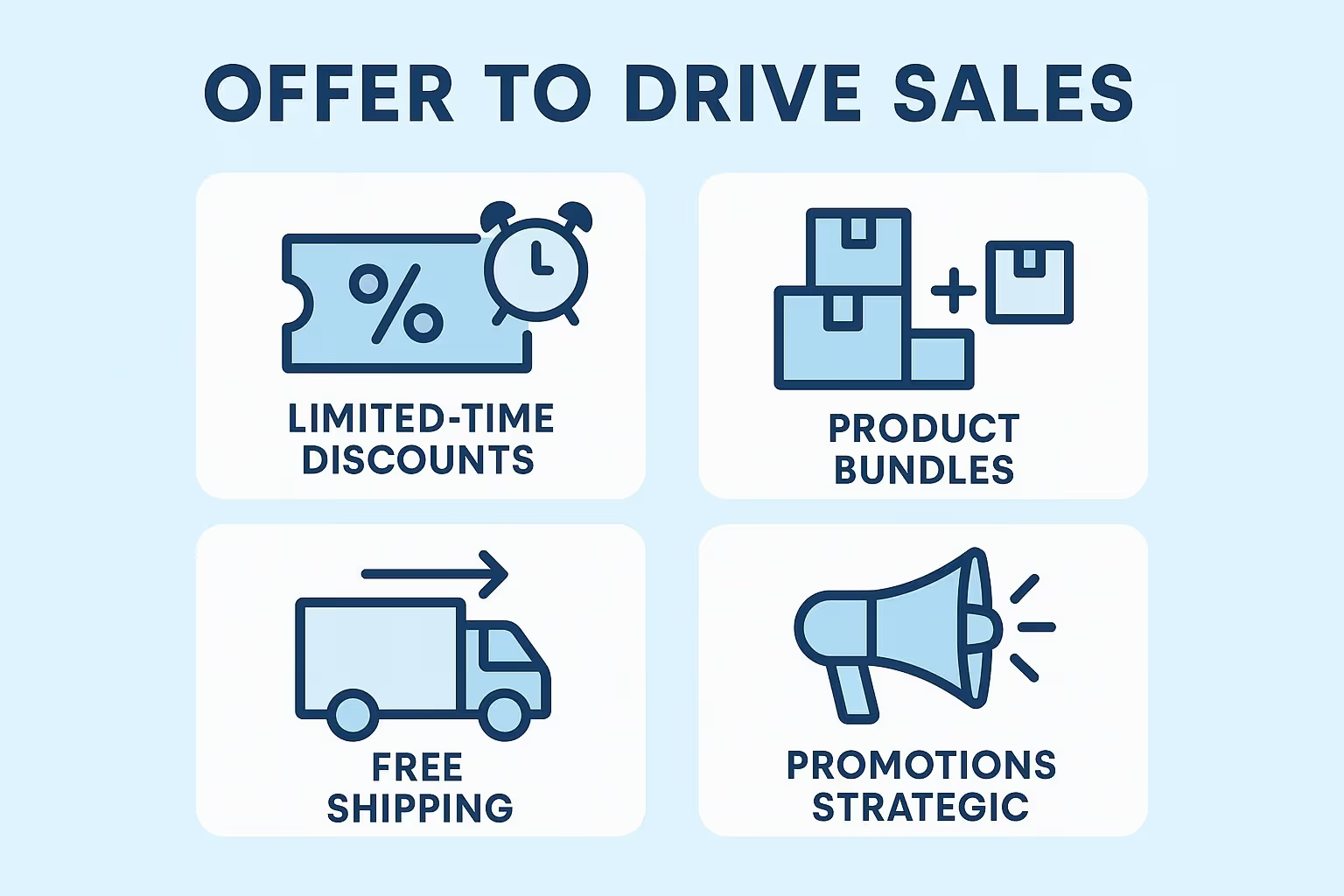
Sometimes, all it takes is a small nudge to turn a hesitant shopper into a paying customer. Strategic promotions not only encourage purchases but also reward loyal buyers, increase order value, and make your Shopify store feel more engaging. The key is balance - use incentives to drive action without eroding the perceived value of your products.
A well-timed discount can motivate someone to take action before they change their mind. Limited-time offers signal that the opportunity won’t last, which often helps shoppers move from consideration to purchase.
Bundling complementary products is a smart way to increase your average order value while offering extra value to your customers. Bundles can also introduce buyers to items they might not have considered individually.
Shipping costs are a common reason customers abandon carts. Free shipping thresholds encourage shoppers to spend a little more to unlock a perk, which benefits both them and your revenue.
While discounts, bundles, and incentives can boost sales, overusing them can hurt your brand’s perceived value. Use promotions strategically, tying them to goals like clearing inventory, rewarding loyal customers, or attracting first-time buyers. Thoughtful, well-timed offers feel exciting rather than desperate and can have a lasting positive impact on sales.
When executed carefully, promotions aren’t just about giving things away - they’re about guiding customers, increasing purchase confidence, and boosting overall revenue. Even small, strategic incentives can turn casual visitors into loyal buyers while making your Shopify store feel more dynamic and rewarding.
Promoting a Shopify store isn’t about jumping on every shiny new trend. It’s really about finding what works for your audience, running ads that make sense, and creating a shopping experience that’s smooth and easy. Social media, email, paid campaigns, user-generated content, and collaborations all help - but only if you’re consistent and actually care about giving value. Growth doesn’t happen overnight, and yeah, it takes effort and a little creativity. But if you pay attention to what your customers respond to and keep at it, those casual visitors can turn into loyal buyers - and slowly but surely, your sales will start climbing.
How do I know which promotion strategies will work for my Shopify store?
The best approach is to start with strategies that align with your audience and products. Test different channels, like social media, email, or paid ads, and pay attention to the results. Over time, you’ll see which methods bring the most engagement and sales.
Do I need a big budget to run effective ads?
Not necessarily. Targeted campaigns, especially when you retarget visitors or use lookalike audiences, can perform well on a modest budget. Tools that help you validate ads before spending, like AI-powered platforms, can make your budget go further.
How can I encourage customers to create content for my brand?
Focus on making the process easy and rewarding. Encourage sharing through branded hashtags, feature customer posts on your social channels, or offer small incentives like discounts or giveaways. The more authentic the experience, the more willing people are to participate.
Are discounts and bundles always a good idea?
Promotions can be powerful, but they work best when strategic. Limited-time discounts, product bundles, and free shipping thresholds can boost sales and average order value, but overusing them can lower perceived value. Balance is key.
What’s the role of AI in Shopify promotion?
AI can take the guesswork out of ad creation, audience targeting, and campaign testing. Platforms like Extuitive allow you to validate campaigns using real-world behavioral models, helping you make data-driven decisions that improve results while saving time and budget.
How often should I update my email marketing campaigns?
Consistency is important, but relevance matters more. Regular emails keep your store top-of-mind, but each message should offer value - whether it’s product updates, tips, or promotions. Monitoring engagement helps you know what content resonates best.
Can collaborating with other brands really help my Shopify store grow?
Yes. Partnering with complementary brands or micro-influencers expands your reach and introduces your store to relevant audiences. These collaborations often build trust faster than standard advertising because the recommendation comes from a source people already follow or respect.


