Most Profitable Dropshipping Niches 2026: Low Competition
Discover the best dropshipping niches for 2026 with low competition and high margins. Pet wellness, smart home, eco-friendly products, and more profitable picks.
Apr 15, 2026



Traffic is the only thing that separates a live Shopify store from a very expensive hobby. Most owners waste the first year chasing the next shiny tactic instead of building the few channels that actually compound. After digging through every major guide, agency playbook, and platform update released in the last couple of years, the picture is clear: the stores that grow reliably all run the same short list of proven sources – just executed better than everyone else. Here they are, no fluff and no outdated tricks.
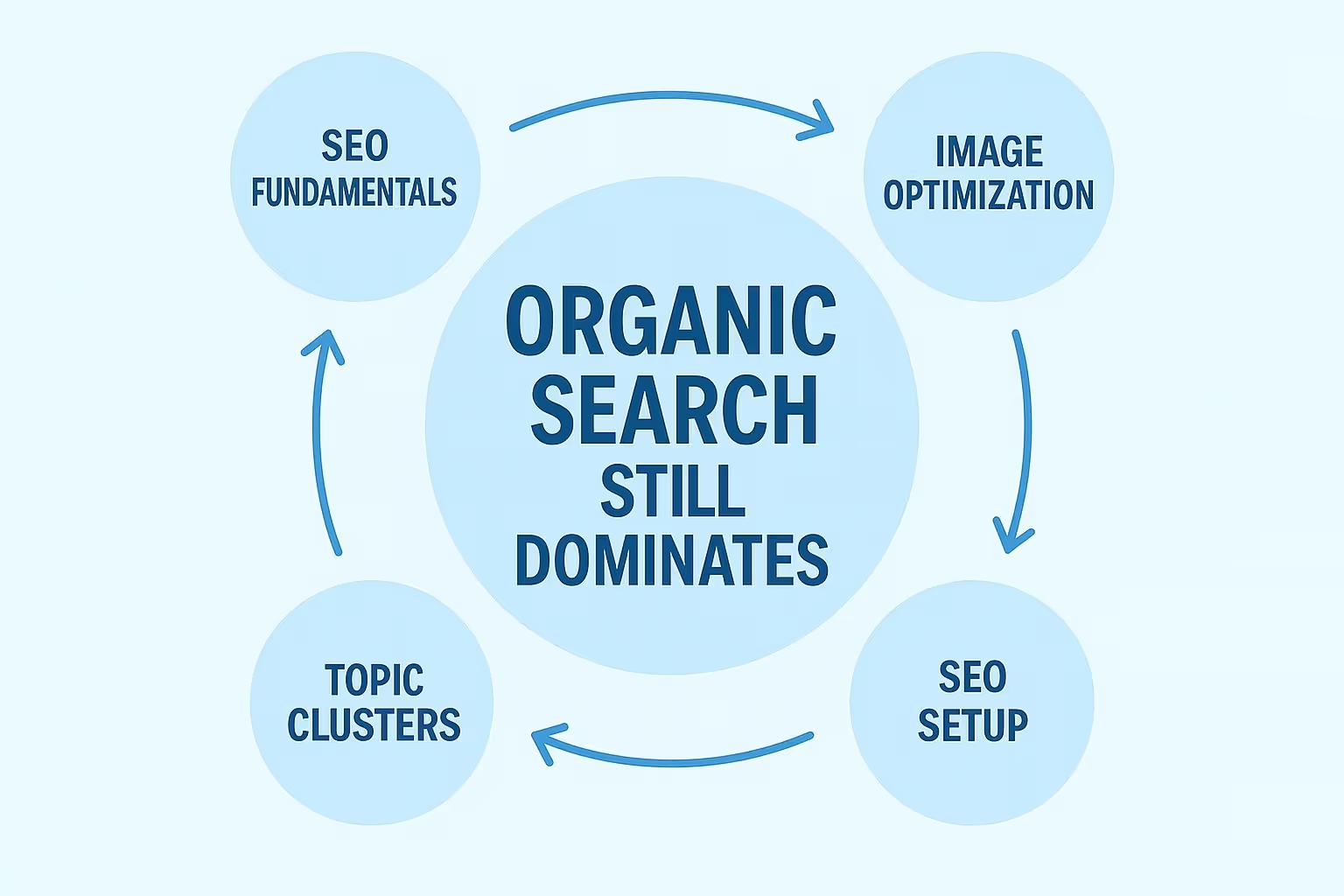
Google continues to send the majority of free, high-intent traffic to established stores. The algorithm now weighs content depth, page experience signals and structured data far more heavily than it did three years ago.
Primary keywords belong in the page title, H1, URL slug and within the first paragraph of every product and collection description. Shopify generates clean URLs by default, yet many stores still launch with numeric handles full of random strings - change them immediately. Meta titles must stay under 55 characters and meta descriptions under 145 to display fully on mobile results.
Image optimization is no longer optional. File names and alt text should contain secondary keywords, and no image on a product page should exceed 250 KB after Shopify’s automatic WebP conversion. Large hero banners are the most common offender that silently killing Core Web Vitals scores.
Technical setup separates stores that rank from stores that don’t. Submit the auto-generated sitemap.xml to Google Search Console on launch day. Connect Google Analytics 4 and Search Console through Shopify’s native integrations. Remove password protection completely once the store is ready for crawling. Add JSON-LD structured data for Product, BreadcrumbList, FAQ and Review schemas if the theme lacks them. These steps take less than an hour and directly affect indexing speed and rich snippet eligibility.
Content-led SEO now dominates commercial rankings. One 2,500–3,500-word pillar guide, backed by 8–12 tightly linked cluster articles, routinely out-earns dozens of thin product pages. Most stores never attempt this because it feels like real work, yet it is the single highest-leverage SEO move available on Shopify today.
Google rewards depth and topical authority above almost everything else in 2026. A single comprehensive pillar in the top positions captures featured snippets, People-Also-Ask boxes and multiple rankings at once, driving more revenue than dozens of low-ranking product pages combined. Once the pillar is established, every new cluster article you publish sends fresh authority signals and keeps the entire topic cluster climbing.
Pick a main category and write one cornerstone pillar first. Then publish supporting posts such as model reviews, comparisons, fit guides, injury prevention articles, etc. Every supporting post links to the pillar and to the money page (collection or product) with exact-match anchors. The pillar links down to all cluster posts and horizontally to the main category collection. This tight internal linking structure distributes PageRank exactly where revenue is generated and signals unbreakable topical authority to Google
At Extuitive we spend our days doing one thing: making sure Shopify stores stop guessing with their ad budgets and start scaling profitably from week one. Our AI agents connect directly to your store, pull your products and audience data, then let built from behavioral patterns of over 100,000 real consumers - generate and pressure-test hundreds of ad creatives, copy variations, hooks and formats in minutes instead of weeks.
The result is simple: before you spend a single dollar on Meta or Google, you already know which exact creative will pull the highest click-through and conversion rate for your specific audience. Most of our clients see 2-4× higher ROAS on the first campaign because the guesswork is gone - the ads have already been validated by simulated buyers that behave almost identically to real customers.
If you are tired of burning through budget on creative testing or waiting months for organic traffic to show up, this is currently the fastest and most predictable way we know to turn paid traffic into immediate revenue on Shopify.
Paid channels buy time and data. When structured correctly, they become profitable within weeks instead of months.
Google Performance Max campaigns have absorbed Smart Shopping and now control Search, Shopping, Display, Gmail, Discover and YouTube inventory from one campaign. Feed quality determines everything: titles must include brand + product type + key attribute, descriptions must be unique per variant, and high-resolution images are mandatory. Separate branded search and non-brand search campaigns protect margin and capture demand that would otherwise go to competitors.
Meta’s Advantage+ Shopping Campaigns remain the default prospecting engine for most consumer brands. The algorithm performs best with broad audience targeting, creative variety and a 7-14-day learning phase. Retargeting layers for add-to-cart and view-content audiences typically deliver the lowest cost per purchase.
Organic reach has collapsed on Facebook and is almost gone from regular Instagram grid posts, but three formats still deliver real, unpaid traffic in 2026.
Instagram Reels and TikTok videos that stay short and use native or trending sound consistently outperform static content by a wide margin. Post frequently, hook immediately, and always end with a clear call-to-action that pushes viewers to the link in bio or straight to a collection.
Pinterest remains the quiet performer for lifestyle, fashion, home, beauty and DIY categories. Rich Pins and Idea Pins – especially video pins – continue to send steady, low-cost traffic when products are tagged properly and descriptions contain the right keywords.
Bottom line: treat organic social as your creative testing ground and brand-building layer, not the main traffic engine. The winners you discover here get scaled with paid budget, not left to chance.
Email consistently produces the highest ROI of any channel once the list exists. The mandatory automated flows are welcome series, abandoned cart, browse abandonment, post-purchase cross-sell and win-back after 60-90 days of inactivity. Segmentation by first-purchase category and average order value doubles open rates and revenue per recipient.
SMS converts abandoned carts at 8-12% when sent within the first hour. Compliance rules are stricter in 2026, so explicit opt-in at checkout is required.
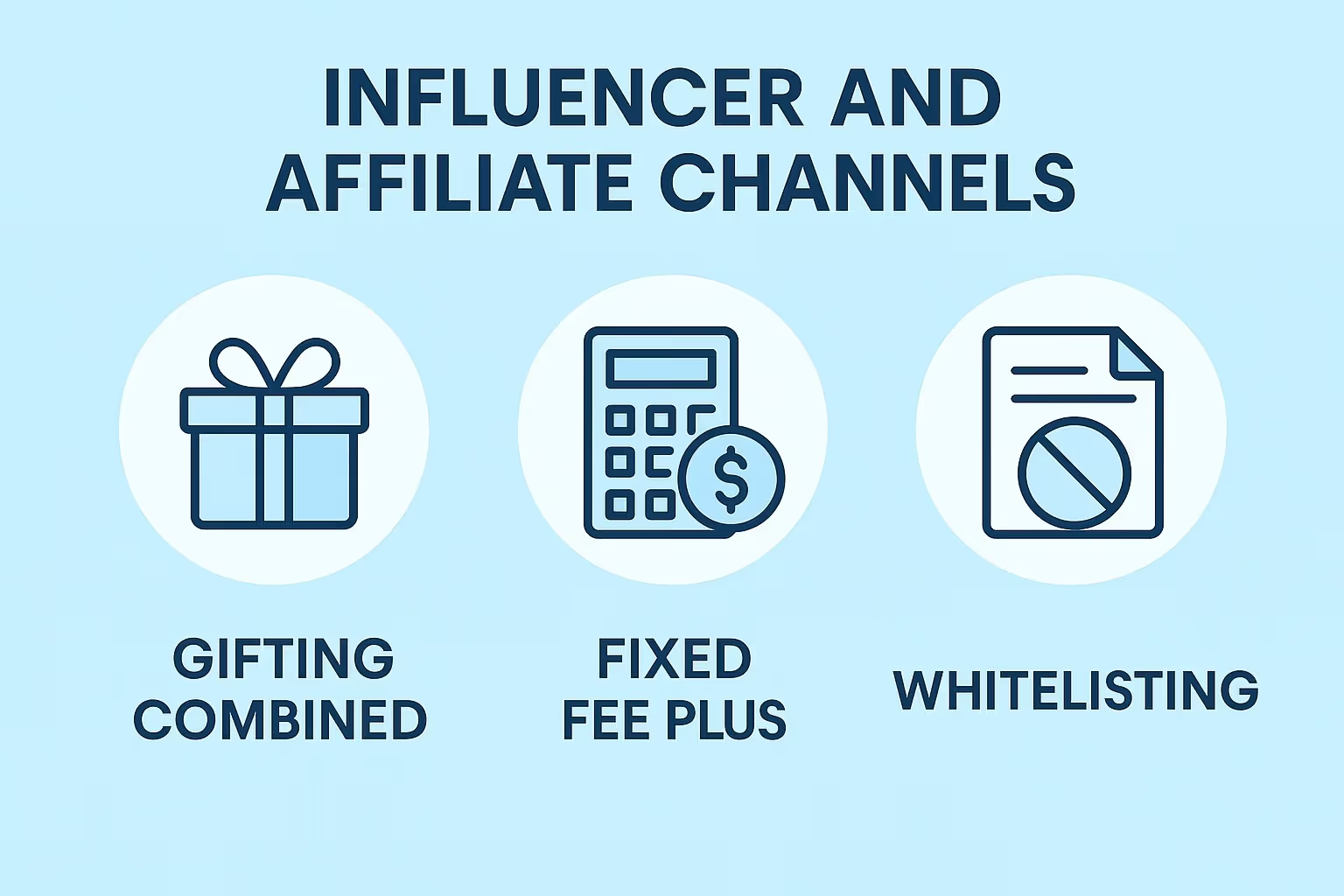
Micro-influencers continue to deliver the strongest return on investment in almost every Shopify niche. Their audiences trust them more, engagement rates stay higher, and conversion tends to be significantly better than what you get from macro or celebrity placements.
The models that actually work in practice are straightforward:
Never skip unique discount codes or dedicated UTM parameters. Without proper attribution you end up overpaying partners who look busy but don’t move the needle. When the selection and tracking are done right, a small, carefully chosen group of micro-influencers can become a stable, high-margin traffic and revenue source with almost no upfront cash outlay.
YouTube has overtaken written blog content as the primary discovery channel for consumer products. The formats that convert best are unboxing videos, comparison videos, day-in-the-life usage and tutorial content. Optimized titles, descriptions and end screens drive direct clicks to product pages, while embedded versions of the same videos on Shopify product pages increase time-on-site and conversion rate.
Post-purchase referral requests with double-sided rewards still convert better than almost any other channel. A simple “Refer a friend – you both get $15 off” popup right after checkout, combined with a shareable link, reliably turns happy buyers into active promoters.
Shopify Collabs and third-party affiliate apps handle all the tracking, discount creation and payouts automatically, so you don’t have to chase creators or manage spreadsheets.
The hidden gem is strategic co-marketing with non-competing brands that serve the exact same audience – think coffee brand partnering with a ceramic mug maker, or skincare brand teaming up with a silk pillowcase company. These joint giveaways, bundle offers or shared content routinely bring in high-intent traffic at virtually zero acquisition cost while building trust on both sides.
Offline-to-Online Bridge Tactics
Physical touchpoints still matter more than most online-only founders admit, especially for brands that have any local presence, pop-ups, or retail partnerships.
QR codes printed on packaging, thank-you cards, receipts, or in-store displays consistently pull measurable traffic when the linked landing page loads instantly on mobile and greets the scanner with a clear, exclusive offer.
At events, markets, or pop-up shops, a simple SMS keyword opt-in (“Text COFFEE to 12345 for 15 % off your first online order”) builds a clean first-party list faster than any signup form ever could.
The key is to make the transition from offline to online feel seamless and instantly rewarding - when that happens, these small physical triggers become one of the cheapest and most loyal traffic sources a brand can have.
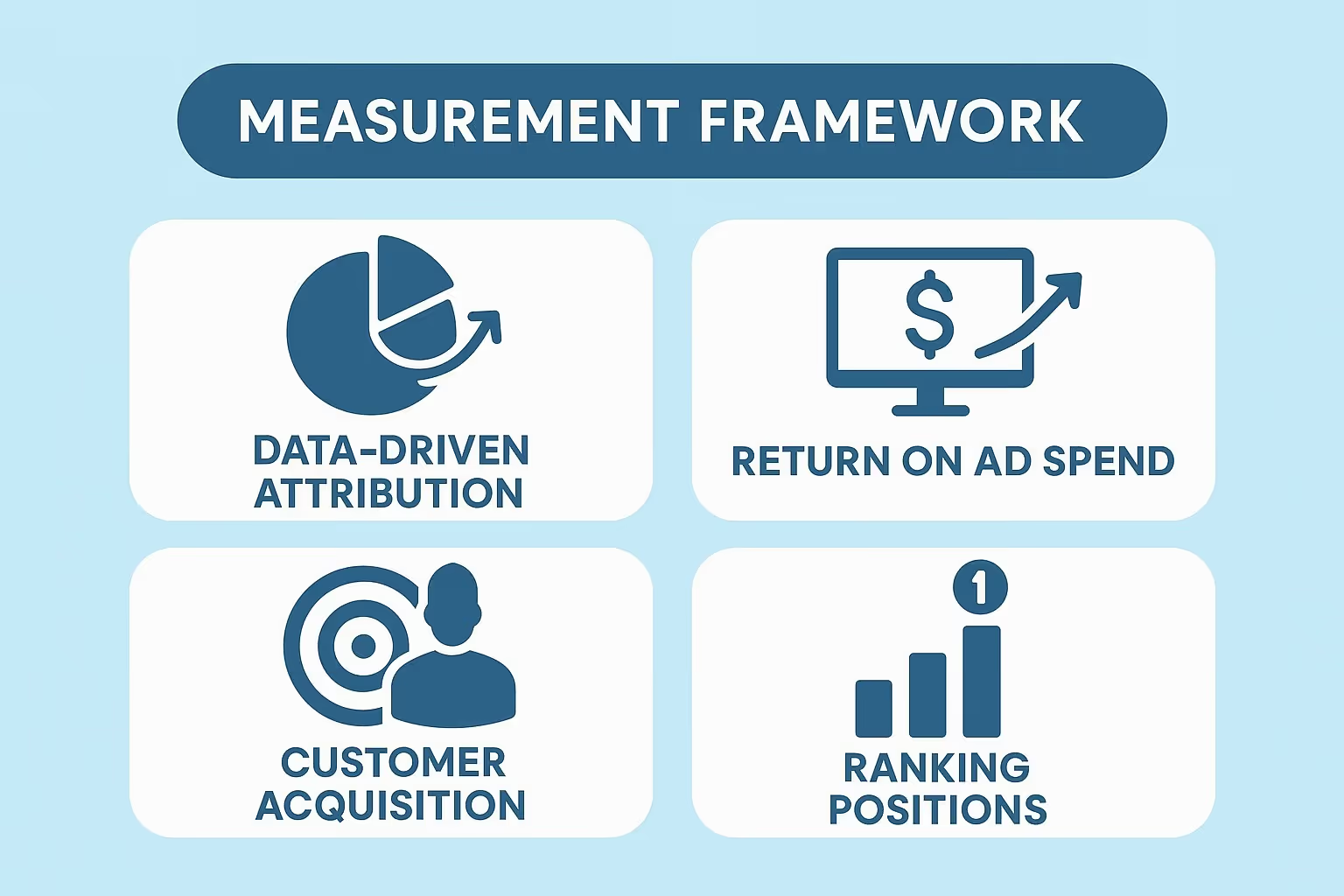
Traffic without attribution is meaningless. If you cannot prove which channel actually paid for the sale, you will eventually overspend on vanity metrics and kill profitable growth.
Track these core numbers every week:
Shopify’s built-in reports plus Google Analytics 4 and a simple Looker Studio dashboard give you everything you need without paying for expensive third-party tools. Once these numbers are visible, decision-making becomes automatic: cut what’s bleeding, double down on what’s printing money, and sleep better at night.
Sustainable traffic in 2026 comes from running multiple channels in parallel rather than relying on any single source. The highest-performing stores maintain a strong SEO foundation that compounds quarterly, profitable paid acquisition that scales predictably, automated email and SMS flows that maximize repeat purchase rate, and selective influencer partnerships that build trust and feed the top of the funnel. Start with whichever channel matches your margin structure and audience behavior, measure ruthlessly for 30-60 days, then double the budget on whatever delivers positive unit economics.
4-9 months is the realistic range for meaningful organic traffic, faster only in very low-competition niches.
Test Google Performance Max and Meta Advantage+ Shopping simultaneously with separate budgets. Keep the one that hits target ROAS first.
Yes for fashion, home decor, beauty, DIY and wedding categories. Cost per click and conversion rates remain attractive.
Welcome series, abandoned cart, post-purchase and win-back cover 80% of the revenue opportunity.
The 6% take rate after the promotional period is manageable when TikTok is used primarily for awareness and retargeting happens on Meta or Google.
A handful of strong comparison and how-to guides often outperform paid ads entirely.
Launch Google Performance Max and Meta Advantage+ Shopping the same day, let both run 7-10 days, then allocate 80% of budget to the winner.


