What Does Shopify Do and Why So Many Businesses Use It
What does Shopify actually do? A straightforward look at how the platform works, what it handles for you, and where its role begins and ends.
Mar 25, 2026



Shopify gets talked about a lot in the ecommerce world. If you’ve ever clicked on a product ad and landed on a store with a “myshopify.com” URL, you might’ve asked yourself: “Wait, is this even safe to buy from?” It’s a fair question, especially with how easy it is for anyone to launch a store in just a few clicks.
Let’s clear it up. Shopify itself isn’t some shady middleman. It’s a platform – one used by millions of real businesses, from solo makers to major brands. But like any tool, it all depends on how people use it. In this article, we’ll break down what makes Shopify legit, where the risks actually are, and how to protect yourself whether you’re shopping or selling.
First, let’s get the basics out of the way. Shopify isn’t a single online store. It’s a platform that lets anyone build one.
That means that you’re not shopping from Shopify. You’re shopping from someone who used Shopify to build their site. Shopify gives sellers the tools to launch, design, and run stores but it doesn’t run those stores for them. Every store is independently owned and operated.
So when people ask, “Is Shopify safe to buy from?”, what they’re really asking is, “Can I trust this individual store built on Shopify’s platform?”
The answer: sometimes yes, sometimes no. It depends on the store.
But the platform itself? It’s one of the most trusted ecommerce systems on the internet.
.avif)
Shopify isn’t some scrappy startup that popped up overnight. It's been around since 2006 and now supports millions of active stores across more than 175 countries.
Here’s what makes the platform itself trustworthy:
Every Shopify store automatically includes:
If a store is running on Shopify, you know the backend systems are solid. You just need to verify that the seller running it is, too.
Shopify supports multiple payment options, including Shopify Payments (powered by Stripe), PayPal, Apple Pay, Google Pay, and trusted third-party providers.
That gives buyers the ability to use familiar, secure payment methods with protection features like chargebacks and buyer guarantees when things go wrong.
For merchants, Shopify’s internal systems flag unusual patterns like:
That helps cut down on fraudulent transactions, which protects sellers and keeps risky behavior in check.
Shopify provides 24/7 support via chat, email, and phone to merchants (store owners). Buyers with concerns should contact the store owner directly. Suspicious stores can be reported through Shopify's official abuse report form.
Here’s the catch, and it’s a big one: while Shopify has high standards for its infrastructure, it doesn’t control what individual sellers do.
Anyone can sign up, start a store, and begin selling online within hours. That’s great for entrepreneurs. But it also means a few bad actors sneak through – just like on Amazon, Etsy, or eBay.
The result? You get everything from top-tier DTC brands to shady sites pushing low-quality products with no return policy.
Not every store you come across is running a scam, but the few that are tend to follow some familiar patterns. Here are a few Shopify-related scams buyers and sellers should both understand:
These look like real brands, often stealing logos, product images, and page designs. The goal is to trick you into thinking you're buying from a reputable brand, when you're really sending money to a copycat.
How to spot it:
Triangulation fraud is a broad e-commerce scam, not specific to Shopify, though it can happen on any platform. Here’s how this one works:
Who does it affect? Sellers, mostly. But it damages buyer trust, too.
A customer requests a refund, claiming an item was damaged. They send back an empty box or a cheap replacement and keep the original item.
Sellers may receive emails that look like official messages from Shopify, asking them to “verify account details” or “update billing info.” These are often phishing attacks trying to steal login credentials.
Never click email links unless you’re 100% sure they’re legit. When in doubt, log into Shopify directly through your browser.
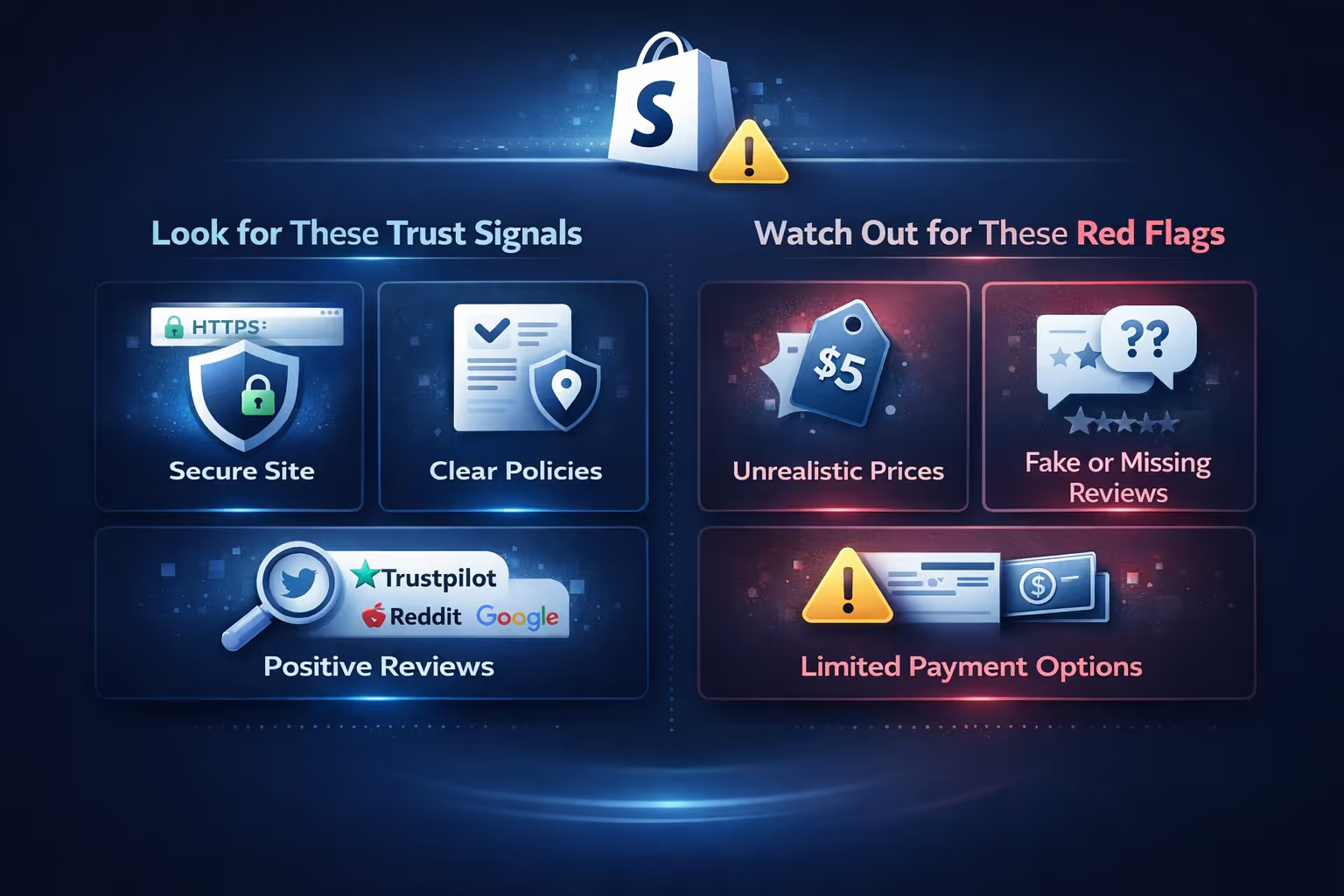
The good news? Most scams are avoidable if you know what to check for. Here are simple steps any buyer can follow before hitting “buy now”:
Start by checking for basic security. A legitimate Shopify store should load over HTTPS and show a lock icon in the browser’s address bar. That’s your first sign that the site is encrypted and safe to use. Next, take a look at the store’s policies. A trustworthy seller usually lays out clear return and refund information, not just a vague sentence buried in fine print. You’ll also want to see real contact details – ideally an email address, maybe even a physical location or phone number.
It also helps to go beyond the store itself. Search for reviews on platforms like Trustpilot, Reddit, or even Google. That’ll give you a more honest look at how the business operates. And if the store has active social media accounts with real posts and actual engagement, that’s a good signal they’re running a serious operation, not a fly-by-night scam.
If a product is priced suspiciously low compared to what you’ve seen elsewhere, that’s usually the first red flag. Fraudulent stores often bait shoppers with unrealistic discounts. Another common warning sign is the absence of customer reviews, or reviews that seem overly polished or fake. If you can’t find any organic feedback from real people, you have reason to be cautious.
Sloppy or vague product descriptions are another red flag. Reputable sellers take time to provide accurate, helpful details. Also, take note of the site’s age and footprint. If it just launched and has no presence outside of its own homepage, that’s something to consider. And finally, be wary of limited or odd payment options, if the only way to pay is through a wire transfer or gift card, walk away.
Yes, if you’re buying from a trustworthy seller. The platform itself has safeguards in place, but ultimately, Shopify doesn’t guarantee each individual store’s ethics.
If you're ever in doubt:
Most issues come from a lack of research, not from the platform itself.
Absolutely. In fact, Shopify is one of the safest platforms to build an ecommerce business on, especially if you’re new to it.
Here’s why:
Just be careful when choosing suppliers if you’re dropshipping. Fake vendors and bad inventory can ruin your brand before it even launches.

As a Shopify partner, we saw the same problem over and over: building a great product is only half the battle. If your ads miss the mark, you burn through your budget without ever finding the right customers. So we built Extuitive to fix that.
We help Shopify sellers create high-performing ads that are backed by real data before they ever go live. Our AI agents simulate responses from real consumer personas, so you can test creative, audience segments, and messaging without guessing or wasting ad spend. The goal is simple: better insights, faster launches, and stronger conversions.
It only takes a few clicks to connect your Shopify store. From there, we generate and validate your ads using our behavioral models, then track performance once you launch. Whether you’re running your first campaign or scaling a growing brand, we at Extuitive give you a smarter, faster way to make decisions with confidence.

If something goes wrong, here’s what to do:
Shopify typically does not offer refunds directly, except in cases involving Shopify Payments where additional support may be available. But they do take reports seriously and may shut down stores that violate policies.
Yes. Shopify is a secure, well-established platform that powers millions of legitimate businesses. It’s not a scam. It’s not sketchy. It’s not some back-alley ecommerce tool.
But the fact that anyone can use it means it’s up to you to decide if a store built on Shopify is worth your trust.
If you’re a buyer: be alert, not anxious. Do your homework before entering your card details.
If you’re a seller: be transparent, deliver value, and build trust from day one. Shopify gives you the tools – what you do with them is what matters most.


