Facebook Ads Agencies in India: A Look at Top Options
Explore Facebook ads agencies in India that manage Meta campaigns for businesses. See overviews of leading options with their typical services and practical approaches.
Mar 20, 2026



Running a Shopify store is one thing, but turning casual shoppers into recurring subscribers? That’s where the magic - and the real growth - happens. Subscription models are the backbone of predictable revenue, helping businesses plan ahead, reduce churn, and build loyal communities. But doing it right takes more than just adding a "Subscribe" button. Let’s break down how to grow your subscription revenue on Shopify with strategies that actually work.

Before you even think about adding a subscription option, take a step back and really look at the people who are buying from you. Subscriptions work best when they solve a problem or provide ongoing value. If you don’t understand what drives your customers, any subscription offer risks falling flat.
Start by getting a clear picture of who your shoppers are. This isn’t just about age or location - it’s about behavior, preferences, and what motivates them to return. Ask yourself:
Understanding these patterns gives you clues about what kind of subscription model will actually appeal to them.
Shopify provides powerful analytics that can reveal hidden patterns in customer behavior. Look beyond surface-level numbers and dig into:
These insights help you create subscription offers that feel helpful instead of pushy.
Numbers tell a story, but sometimes the best insights come straight from your audience. Surveys, reviews, and direct conversations can highlight pain points and desires that data alone can’t. Consider asking:
Even a few honest responses can guide you in shaping subscription offers that actually meet real needs.
Not every customer will respond to the same subscription pitch. Segmenting your audience allows you to tailor offers and messaging, making them feel personal and relevant. You can segment by:
With clear segmentation, you can offer subscriptions that feel natural, useful, and aligned with each group’s behavior.
Not all subscription offers are equally effective. The ones that succeed combine real value with convenience and flexibility, making customers feel like they’re gaining, not committing to a chore. Crafting the right offer is part strategy, part psychology, and a little experimentation.
Discounts are a classic tactic, but they need to feel meaningful without cutting too deeply into your margins. Consider these approaches:
The goal is to make the customer say, “This is a smart move for me,” rather than “I guess I’ll try it.”
Price alone won’t keep subscribers engaged. Exclusive perks make the subscription feel like a VIP experience. Think about:
These perks create a sense of community and reward, giving customers a reason to stay beyond the initial sign-up.
Nothing kills subscriptions faster than rigid terms. Customers need to feel in control. Offering flexibility reduces hesitation and builds trust:
When managing a subscription is stress-free, customers are far more likely to stay for the long term.
Even the most thought-out subscription can benefit from testing. Small tweaks in pricing, perks, or messaging can make a huge difference:
The key is to iterate. The best subscriptions aren’t set-it-and-forget-it; they evolve with your customers’ needs and behavior.
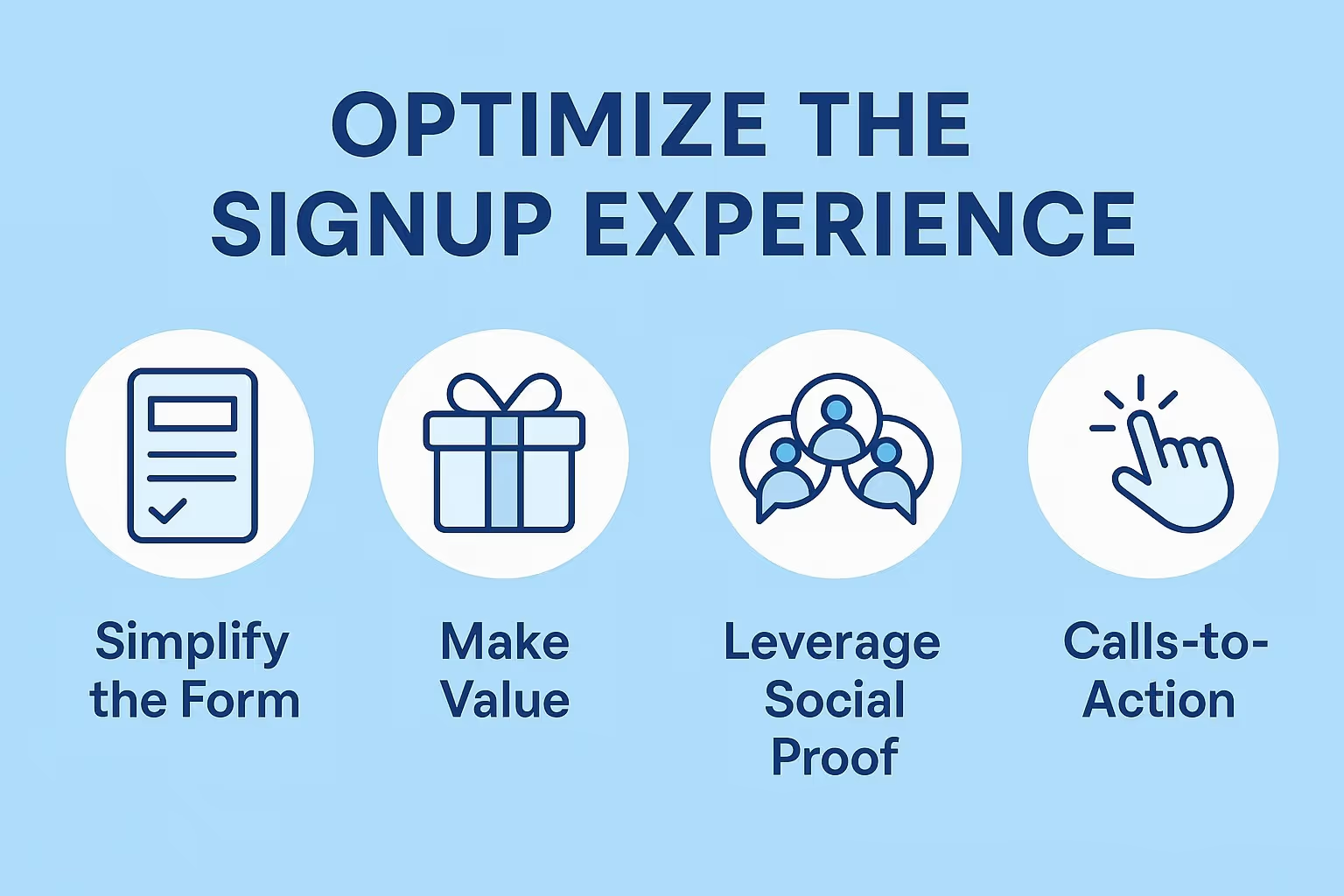
Even the most compelling subscription offer can fall flat if the signup process feels complicated or overwhelming. In many cases, the barrier isn’t the price or the perks – it’s friction. Shopify makes it easy to build and manage subscriptions, but a few thoughtful tweaks can turn hesitant visitors into loyal subscribers.
The easier it is to sign up, the higher your conversion rates will be. Long forms or confusing steps can quickly kill momentum. Keep your process focused and friction-free:
Think of it like opening the door, not building a maze. The goal is to make signing up feel effortless.
Your signup page should immediately answer the question: "Why should I subscribe?" Customers want to know what they’re getting, how it benefits them, and why it’s worth their time. Consider these approaches:
When the value is obvious at a glance, people are much more likely to commit.
Humans are wired to follow what others are doing. Adding social proof can reassure hesitant buyers and reduce anxiety about committing to a recurring payment.
Seeing that others trust and enjoy your subscription makes the decision feel safer and smarter.
A great signup page directs visitors without confusion. Clear, simple prompts remove doubt and make it easy to take the next step:
When the path is obvious, hesitation disappears and conversions rise naturally.
Even a smooth signup process can always be better. Small tweaks can have a big impact on subscription growth:
Optimizing the signup experience isn’t a one-time task – it’s an ongoing process of learning and improving.
Email is still one of the most effective ways to turn casual shoppers into loyal subscribers. The key is not to bombard inboxes, but to use thoughtful, targeted messaging that makes subscribing feel natural and valuable. When done right, email becomes a bridge between one-time purchases and long-term recurring revenue.
Customers who just bought from your store are already engaged. This is the perfect moment to introduce them to your subscription offer.
Timing matters. Sending these emails within a few hours or days after purchase significantly increases the chance of conversion.
Urgency can nudge undecided customers into action without feeling pushy. Limited-time subscription deals work best when combined with clear value propositions.
A well-timed offer creates a sense of opportunity that subscribers won’t want to miss.
Email isn’t just about selling. Educating your audience on why your product or service matters builds trust and makes subscriptions more appealing.
When customers understand the value and see proof, subscribing feels like a smart decision rather than a commitment.
Generic emails don’t perform. Subscribers respond best when content feels relevant to them.
Personalization creates a connection and shows that you understand their needs, increasing the likelihood they’ll sign up.
Even with a solid strategy, there’s always room to improve. Small tweaks can significantly boost subscription sign-ups.
Email marketing is iterative. The more you experiment and optimize, the stronger your subscription growth will be.
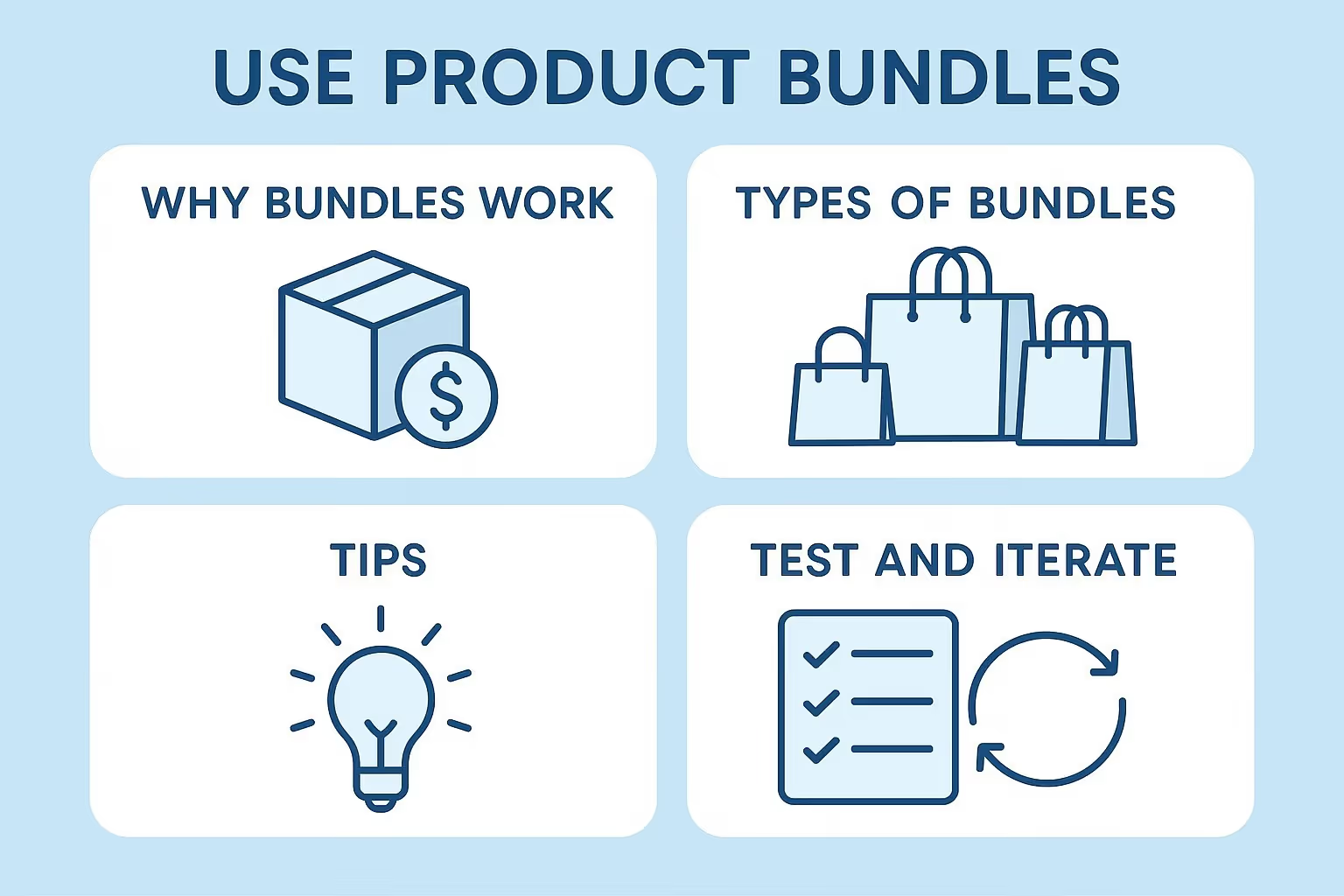
A subscription feels more appealing when customers perceive that they’re getting more than they expected. Product bundles are a simple but powerful way to do this. Bundling not only increases the value proposition but also encourages customers to commit to longer-term subscriptions because they feel like they’re getting something special.
Bundles work because they tap into human psychology. People love getting “more for less” and enjoy the feeling of exclusivity. When done thoughtfully, bundles:
The key is to make bundles feel intentional and tailored rather than random.
There are several ways to structure subscription bundles that increase perceived value and appeal to different types of customers:
Each bundle type serves a slightly different purpose, from boosting initial sign-ups to increasing long-term retention.
Creating bundles isn’t just about throwing products together. It’s about thoughtful curation and clear communication:
When bundles are presented as a smart choice, customers are more likely to see subscribing as a no-brainer.
Even with carefully designed bundles, testing is essential. Different combinations and messaging can dramatically affect conversions:
Iteration helps you discover which bundles not only drive subscriptions but also increase long-term revenue.
Many customers are willing to commit longer if they see a real benefit. Shopify makes it easy to offer tiered subscription plans that reward commitment.
When done right, these incentives can significantly increase your lifetime customer value.
Acquiring new subscribers is important, but keeping the ones you already have is often more profitable and sustainable. Loyal subscribers are not only more likely to stick around, they can also become advocates for your brand. The trick is making them feel valued, understood, and part of something bigger.
People love to be recognized and rewarded. Small gestures can have a big impact on retention:
These gestures create goodwill and make your subscribers feel that their loyalty matters.
Staying top-of-mind helps prevent churn. Regular, relevant communication reminds subscribers why they signed up in the first place:
Personalized touchpoints make subscribers feel seen and cared for, not just like another name on a list.
Subscriptions often feel transactional unless you create a sense of belonging. Communities foster connection, trust, and engagement:
A thriving community turns subscribers into active participants and advocates, increasing retention organically.
Even with great tactics, some subscribers will consider canceling. Stay proactive:
Quick, thoughtful interventions can prevent a lot of cancellations and help maintain revenue consistency.
Managing subscriptions manually can quickly become overwhelming, especially as your store grows. Shopify’s ecosystem of apps makes it possible to run a professional, streamlined subscription program without burning hours on repetitive tasks. The right tools can help you automate, optimize, and scale your recurring revenue effortlessly.

Our platform Extuitive helps Shopify stores grow subscriptions by creating and validating ad campaigns informed by AI-powered consumer insights. By connecting your store, our platform predicts which messages, products, and creatives are most likely to resonate before any budget is spent, removing guesswork from marketing.
Extuitive tests campaigns against thousands of AI-simulated consumer profiles in minutes, revealing which approaches drive engagement and subscriptions. These data-driven insights help merchants save time and budget while crafting campaigns that feel tailored to their audience, increasing the likelihood that casual shoppers become long-term subscribers.
One of the biggest challenges with subscriptions is managing payments. Apps can handle billing automatically, reducing errors and friction:
Automation not only saves time but also builds trust with subscribers who know their billing will be consistent and predictable.
Flexibility is a major factor in whether customers stick around. Apps allow you to provide choices that meet individual needs:
Giving subscribers control reduces friction, increases satisfaction, and encourages long-term commitment.
A subscription program doesn’t exist in isolation. Shopify apps often integrate seamlessly with email platforms and analytics tools, giving you more insight and outreach power:
These integrations allow you to make data-driven decisions and communicate with subscribers in a timely, relevant way.
Manual subscription management is prone to mistakes, from missed payments to incorrect shipments. Using Shopify apps minimizes these risks:
Automation and smart tools turn what could be a headache into a smooth, predictable revenue stream.
Not all apps are created equal. When selecting a Shopify subscription app, consider:
The right app can be a game-changer, transforming subscriptions from a manual task into a seamless, automated growth engine.
Honestly, boosting subscription revenue on Shopify isn’t about some magic trick or one perfect move. It’s more like paying attention to your customers, giving them offers that actually make sense, and tweaking things as you go. Little touches matter - a bundle that makes someone smile, an app that keeps recurring orders simple, emails that don’t feel pushy.
The stores that really do well aren’t always the flashiest. They just notice what’s working, aren’t afraid to change things up, and care enough to make subscribing feel easy. And if you make people feel understood and appreciated, they stick around. When that happens, the revenue kind of takes care of itself, and your business ends up with a solid foundation that lasts.
How do I know if a subscription model will work for my Shopify store?
The first step is to understand your audience and their buying habits. Look at repeat purchase patterns, product demand, and customer feedback. If people are already buying certain products regularly, a subscription option can simplify their shopping experience while increasing your recurring revenue.
What’s the best way to price a subscription?
Pricing should balance perceived value and profitability. Many stores offer a small discount compared to one-time purchases, but adding perks like exclusive products, free shipping, or early access can make a subscription feel more rewarding without heavily cutting into margins. Testing different price points and bundles can help find the sweet spot.
How can I reduce churn and keep subscribers longer?
Retention is all about making subscribers feel valued and in control. Personalized communication, surprise rewards, flexible pause or cancel options, and building a sense of community around your products all contribute to long-term loyalty. Monitoring feedback and responding to concerns quickly also helps reduce churn.
Should I automate subscription management?
Absolutely. Shopify apps make recurring billing, schedule management, and analytics much easier. Automation reduces errors, saves time, and allows you to scale your subscription program without constant manual intervention, leaving more room to focus on customer experience and growth.
Can marketing tools like AI help boost subscriptions?
Yes, AI-powered platforms can help you understand which ads, messages, or products are most likely to resonate with potential subscribers. Using data-driven insights allows you to target the right audience, optimize campaigns, and turn casual shoppers into loyal subscribers more efficiently than guessing or trial-and-error.
How often should I test and adjust my subscription strategy?
Testing should be ongoing. Customer behavior, product demand, and market trends evolve, so regularly reviewing pricing, bundles, email campaigns, and incentives ensures your subscription program stays relevant and continues to grow revenue.
Is it worth creating product bundles for subscriptions?
Bundles can make subscriptions more enticing because they increase perceived value and create a sense of exclusivity. Rotating bundles, pairing complementary products, or offering subscriber-only items can keep your offerings fresh and encourage people to stick around longer.


