Marketing Ideas for Property Management That Work in 2026
Discover proven property management marketing ideas for 2026. Attract owners, fill vacancies faster, and build brand authority with local SEO, referrals, and more.
May 26, 2026



Shopify makes it easy to launch a store, but making money? That’s a different game. It’s not about luck, and it’s definitely not about copying someone else’s strategy from three years ago. If you want consistent sales, you need more than a store and a few good-looking products. You need the right mix of decisions, tools, and tactics, matched to how people actually shop now. In this guide, we’ll walk through the practical steps that help real businesses grow on Shopify, whether you're starting from zero or trying to break past a sales plateau.
Shopify is an ecommerce platform that lets anyone create an online store and sell products or services without needing technical skills. You don’t have to code, manage complex hosting setups, or stitch together dozens of tools just to accept payments. Shopify handles the foundation, so sellers can focus on what really matters: selling.
What makes Shopify especially popular is flexibility. You can sell physical products, digital goods, subscriptions, services, or even a mix of all four. You can start small, test ideas quickly, and scale once something works.
The most common way people make money on Shopify is simple at its core: they sell products online and drive traffic to those products through content, social media, search, or paid ads.
What changes from store to store is how those products are sourced, how they’re marketed, and how the buying experience is optimized.

There’s no single “best” method. The right option depends on your budget, skills, time, and risk tolerance. Below is an overview of the most proven ways people use Shopify to generate income.
This is the classic ecommerce model. You source or manufacture products, store inventory, and ship orders to customers.
This approach works well if you:
The downside is higher upfront costs and logistics. You need to manage stock levels, shipping timelines, and returns carefully, especially as sales grow.
Dropshipping removes inventory from the equation. Products ship directly from suppliers to customers after an order is placed.
Why people choose it:
Where people struggle:
Dropshipping works best when paired with strong branding, clear communication about delivery times, and careful supplier vetting.
Print on demand is a variation of dropshipping where products are printed only after purchase. Common examples include t-shirts, hoodies, mugs, phone cases, and posters.
This model is popular because no inventory is required, designs can be tested quickly, and iIt pairs well with social media audiences.
Success here depends heavily on creative differentiation. Generic designs rarely perform well long-term.
Digital products are one of the highest-margin ways to make money on Shopify. These include:
Once created, digital products can be sold repeatedly with almost no additional cost. Shopify supports secure downloads and gated access through apps, making delivery straightforward.
This model works especially well if you already have expertise or an audience.
Some Shopify stores don’t create products at all. Instead, they curate collections from multiple brands or resell items in a specific niche.
Examples include vintage clothing stores, specialty gear shops, and limited-edition product collections.
The value comes from taste, curation, and trust rather than manufacturing.
Shopify isn’t just for products. Many people use it to sell:
With scheduling and payment apps, Shopify can function as a service storefront, especially for creators and consultants who want everything in one place.
Selling a product is one thing. Earning consistently is another. The difference is rarely traffic, trends, or tools. It’s execution. The stores that grow are the ones that focus on how people actually move through the buying journey and remove friction at every step.
This section breaks down the practical areas that matter most once your store is live.
A common mistake Shopify sellers make is assuming more traffic will fix everything. Traffic matters, but on its own, it doesn’t generate revenue.
What actually turns visitors into money is conversion. If people land on your site and don’t immediately understand what you’re selling or why it’s worth buying, they leave. Before you spend more time creating content or running ads, make sure your existing pages are doing their job.
Think of traffic as fuel. Without a working engine, it just burns.
Your product pages carry most of the weight in your store. They need to communicate clearly, quickly, and confidently.
Every strong product page should answer four questions right away:
To do that, focus on the essentials:
A simple, complete page will always outperform something vague or overly clever.
Most people who add items to their cart won’t finish checkout. That’s normal. What matters is how many you recover.
Instead of seeing abandonment as lost sales, treat it as a second chance.
Effective recovery tactics include:
These don’t require aggressive discounts. Often, a reminder or reassurance is enough to bring someone back.
You don’t need to be everywhere at once. You need to show up consistently in places that make sense for your audience.
Marketing works best when it supports the buying journey instead of interrupting it.
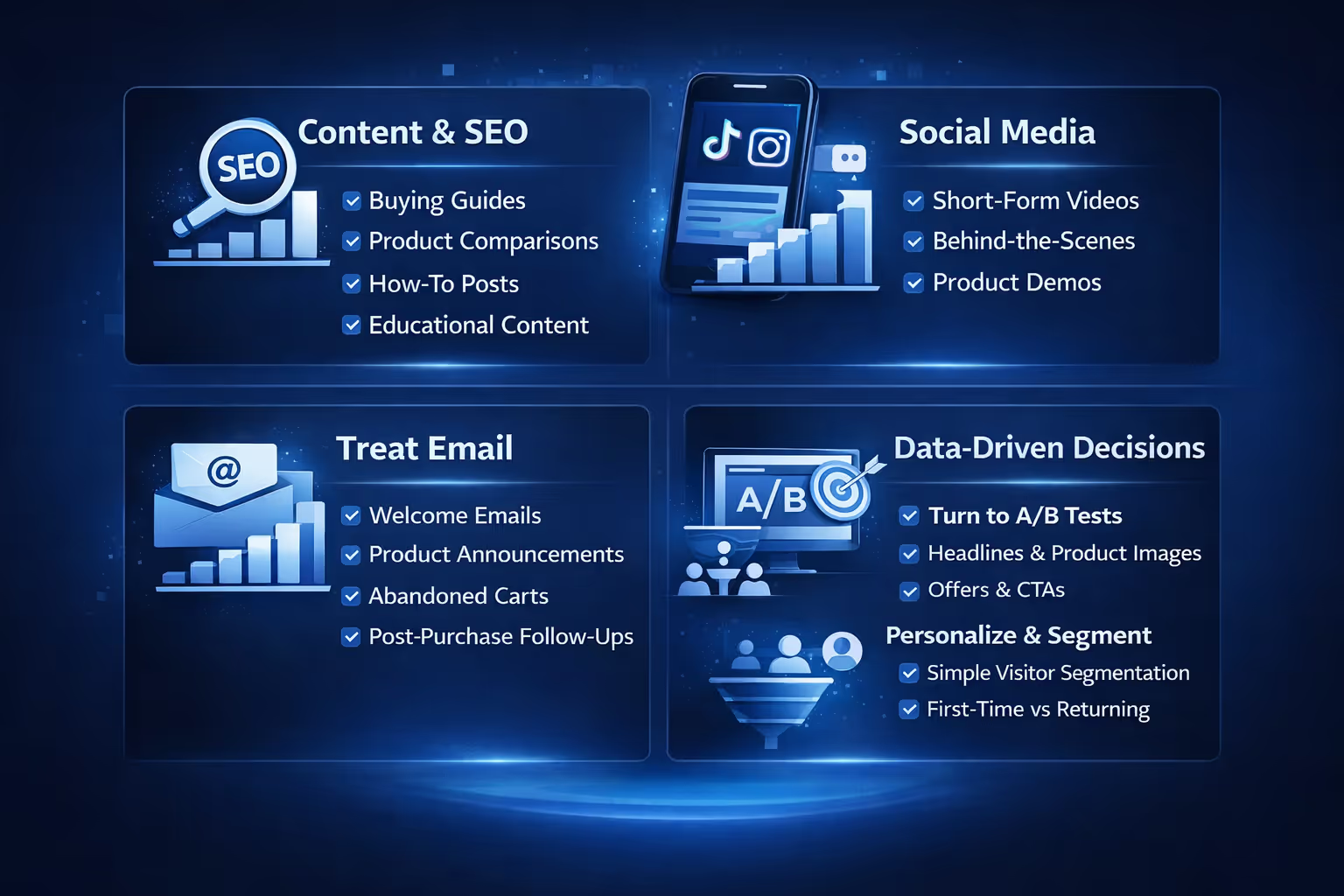
Search traffic takes time, but it compounds. A handful of well-written posts that answer real buyer questions can outperform ads over the long run.
Effective ecommerce content includes:
This kind of content builds trust before someone ever clicks a product page. By the time they arrive, they’re already warmer.
Social media doesn’t reward perfection. It rewards consistency and authenticity.
Short-form videos, behind-the-scenes clips, and honest product demos often perform better than polished brand ads. People want to see how products fit into real life.
Use platforms like TikTok and Instagram to tell your product story, show how it’s made or used, answer common questions, and share real customer feedback.
The goal isn’t to sell in every post. It’s to stay familiar so your brand feels like the obvious choice when someone is ready to buy.
Your email list is one of the few channels you actually own. It’s not affected by algorithms or ad costs.
Even a simple email setup can drive meaningful revenue:
Start collecting emails early, even if your strategy is basic. A simple popup with a welcome offer or useful incentive is enough to begin.
Guessing is expensive. Testing is cheaper.
You don’t need complex dashboards or advanced analytics to improve results. You just need to test the right things and pay attention.
Instead of constantly adding new products or apps, focus on small changes that affect conversions:
Even a 1% improvement on a high-traffic page can be more valuable than launching something new.
Not every visitor should see the same message. Small adjustments based on behavior can make your store feel more relevant and human.
Simple segmentation ideas include:
You don’t need complex logic. Even something as simple as acknowledging a returning visitor can increase trust and engagement.

We built Extuitive because we were tired of wasting money on ads that didn’t convert. The old way meant spending weeks on creative, guessing at audience targeting, and burning through budgets just to figure out what might work. So we decided to flip the process: start with validation first.
With Extuitive, you can create and test ads using our AI agents modeled after real consumer personas. Instead of launching blindly, we help you predict purchase intent before spending a dollar. Whether you're promoting a product for the first time or fine-tuning your creative strategy, we make sure your ads land with the right audience from day one.
If you're running a Shopify store, you can link your shop directly to Extuitive and start generating ad creatives that actually convert. We don’t just help you build ads faster – we help you launch with confidence, backed by real data. Because when your time and budget are limited, every ad should pull its weight.
Making money on Shopify isn’t just about picking the right product or theme. It’s about learning how real buyers behave, testing your way into clarity, and staying consistent even when things move slowly at first. Success comes from stacking small wins: better product pages, smarter emails, stronger ads, clearer messaging. There’s no magic moment when everything clicks overnight. But if you’re willing to iterate, you can build something real.
So whether you’re starting from zero or trying to scale what’s already working, keep your eyes on what matters: conversions, customer experience, and your bottom line. Traffic will come. But profit comes from execution.


