Facebook Ads Optimization Strategies for Consistent Growth
Practical Facebook ads optimization strategies for 2026. Improve ROAS, fix weak campaigns, and scale with better creatives, signals, and control.
Feb 5, 2026



Cart abandonment is not just a Shopify problem. It is an ecommerce reality. People browse, compare, get distracted, second-guess prices, or hesitate at checkout. What matters is how much friction your platform adds or removes in those final moments before a purchase.
Shopify is built with that exact problem in mind. Instead of treating abandoned carts as a marketing afterthought, it focuses on reducing the reasons shoppers leave in the first place. Faster checkout, fewer forms, clear pricing, trusted payments, and simple recovery tools all work together to keep buyers moving forward.
This article breaks down how Shopify actually reduces cart abandonment in practice, not in theory. No buzzwords. Just the mechanics that help turn “maybe later” into completed orders.
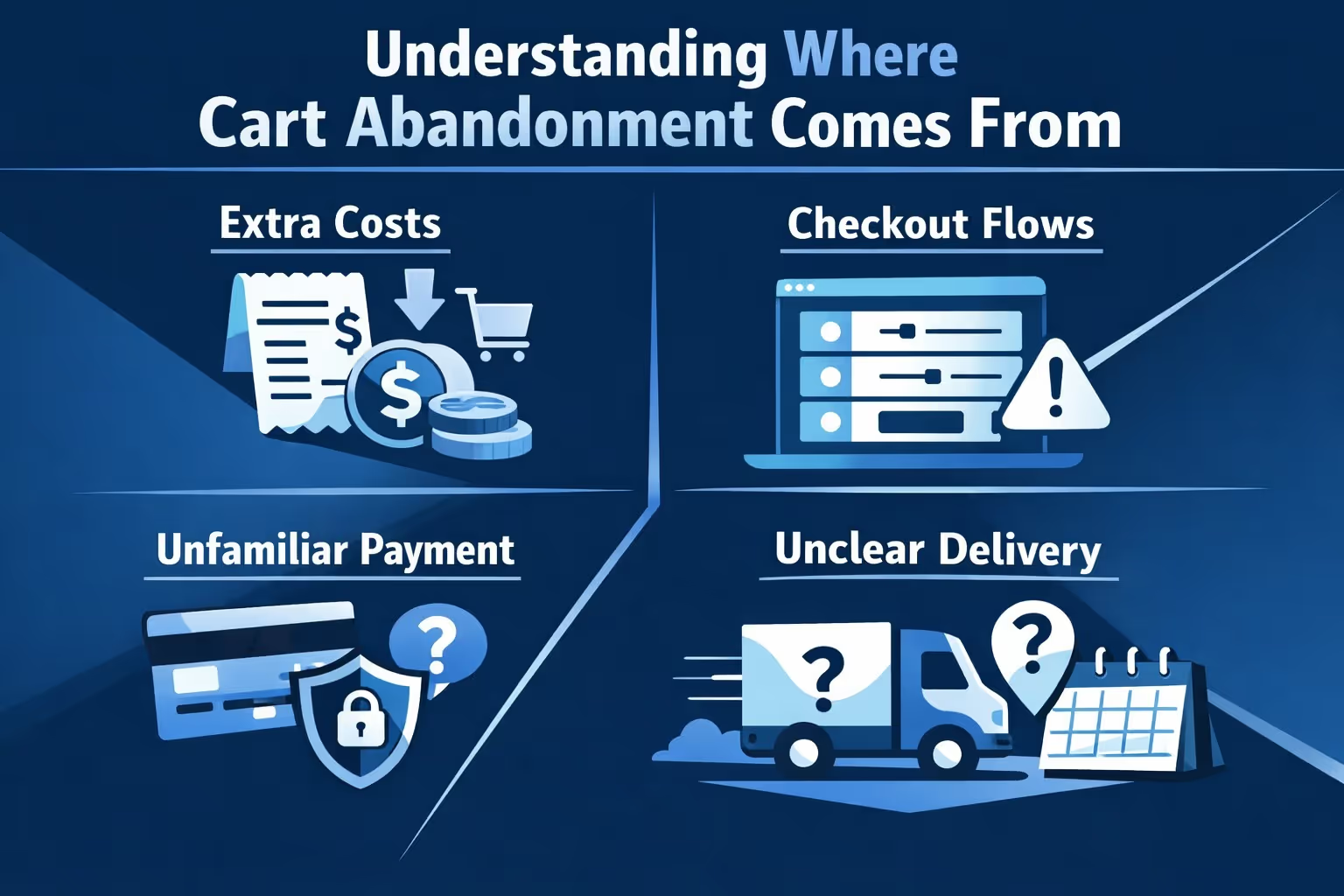
Most abandoned carts are not the result of disinterest. By the time a shopper adds a product to their cart, intent already exists. Abandonment usually appears when something interrupts that intent near the finish line.
The most common triggers include:
Shopify’s strategy focuses on minimizing these triggers rather than compensating for them later with aggressive discounts or emails.

We built Extuitive to solve one of the quiet reasons carts get abandoned long before checkout even begins: ads that attract attention but not true buying intent. When messaging, positioning, or pricing expectations are unclear, hesitation shows up at the worst possible moment. By the time a shopper reaches checkout, it is often already too late to fix that mismatch.
With Extuitive, we help Shopify merchants create and validate high-performing ads before launch using our network of 150,000+ AI-powered consumer agents modeled on real behavioral data. Instead of guessing which creatives will convert, we pressure-test messaging, visuals, and value propositions to predict purchase intent upfront. The result is cleaner traffic, clearer expectations, and shoppers who arrive ready to buy, not browse.
By aligning ad promises with the actual product and checkout experience, we reduce the doubts that lead to abandoned carts. Shopify handles speed, payments, and recovery. We make sure the right intent reaches checkout in the first place. Together, that is how more carts turn into completed orders instead of missed revenue.
Checkout is where intent either turns into a sale or quietly fades. Most shoppers who abandon carts do not lose interest in the product. They lose confidence in the process. Shopify’s checkout is designed to reduce those moments of doubt by keeping the experience simple, predictable, and easy to finish.
Every extra field adds friction. Shopify limits checkout to what is genuinely required to process and deliver an order, nothing more. Fewer form fields, address autofill, and saved customer details reduce the amount of typing needed. The flow stays clearly separated into shipping, payment, and review, so shoppers always know what step they are on. Account creation is optional, not a requirement.
The result is a checkout that feels manageable instead of demanding, especially for first-time buyers.
Speed helps, but clarity matters more. Shoppers are more likely to complete checkout when they understand how many steps remain and what happens next.
Shopify’s visible progress and consistent flow reduce uncertainty. When the finish line is clear, hesitation drops.
Many stores hurt conversion by over-customizing checkout. Extra fields, distractions, or aggressive add-ons often slow shoppers down at the worst moment.
Common mistakes include:
Shopify’s default checkout avoids these issues by design.
Mobile shoppers abandon carts faster because typing is harder and distractions are constant. Shopify’s checkout works cleanly on small screens with large tap targets, short forms, and fast payments.
By reducing effort on mobile, Shopify captures sales that might otherwise be postponed or lost.
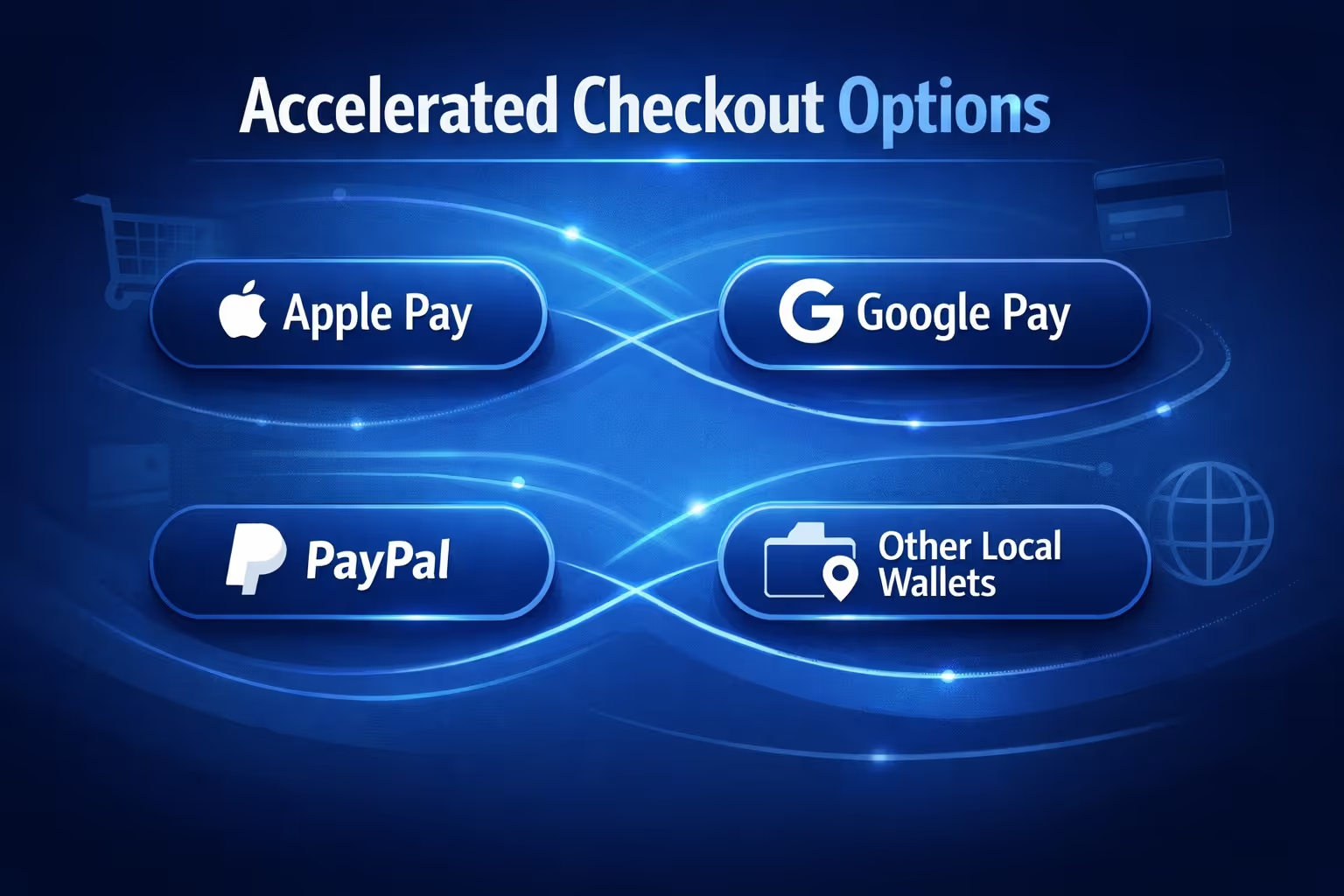
One of the strongest tools Shopify uses to reduce abandonment is accelerated checkout. These options shorten the gap between intent and completion by removing manual input.
Shop Pay is central to this approach. It allows returning shoppers to complete purchases with saved shipping and payment details, often in just a few taps. This is especially effective on mobile, where typing friction is high.
Shopify also supports additional accelerated payment methods, depending on region:
Offering multiple fast payment options matters. When a shopper does not see a familiar or preferred method, hesitation increases immediately.
Forced account creation remains one of the most damaging checkout barriers. Many shoppers simply do not want to create an account for an initial purchase, particularly if they are testing a brand.
Shopify avoids this problem by making guest checkout standard. Account creation can be encouraged later, after trust has already been established through a successful purchase.
This sequencing respects the shopper’s mindset. It removes pressure at the moment of payment and increases the likelihood that the transaction actually happens.
Unexpected costs are the most cited reason for cart abandonment. Shipping fees, taxes, and handling charges that appear late in checkout often feel like a surprise, even when they are technically justified.
Shopify gives merchants tools to surface realistic totals earlier in the journey. Shipping calculators, tax previews, and free shipping thresholds can all be implemented without heavy customization.
Common approaches Shopify merchants use include:
When shoppers understand the full cost upfront, they are far more likely to complete the purchase.
Mobile abandonment rates are higher than desktop for a reason. Small screens magnify friction. A single awkward form field or slow load can derail a purchase.
Shopify’s checkout is designed to work smoothly on mobile without merchants needing separate builds. Buttons are touch-friendly, forms are simplified, and accelerated payments reduce typing.
This matters because mobile shoppers are often interrupted. A checkout that feels slow or demanding gives them an easy excuse to leave. Shopify’s mobile-first execution helps keep them engaged through completion.
Trust is fragile during checkout. Even small doubts about security or legitimacy can cause a shopper to pause or leave.
Shopify reinforces trust through consistent checkout design, SSL by default, and recognizable payment branding. Shoppers see familiar logos and security cues at the exact moment they are asked to enter sensitive information.
In addition, Shopify makes it easy to surface policies that reduce anxiety, such as:
These signals help shoppers feel safe committing to the purchase.
Some shoppers abandon carts simply because they have unanswered questions. Sizing, delivery timing, compatibility, or return conditions can all create hesitation.
Shopify Inbox and integrated support tools allow merchants to offer real-time chat directly on product and cart pages. Once a chat is initiated, agents can see what the shopper is viewing, what is in the cart, and sometimes past interactions.
This context allows support to feel relevant instead of generic. A quick answer at the right moment often prevents abandonment entirely.
When abandonment does occur, Shopify’s strength lies in how it uses first-party data. Instead of relying on broad assumptions, merchants can act on actual shopper behavior.
Shopify tracks interactions across sessions and devices, which allows recovery efforts to stay specific. Emails, push notifications, and ads can reference exact products, prices, or availability.
This level of relevance increases the chance that recovery messages feel helpful rather than intrusive.
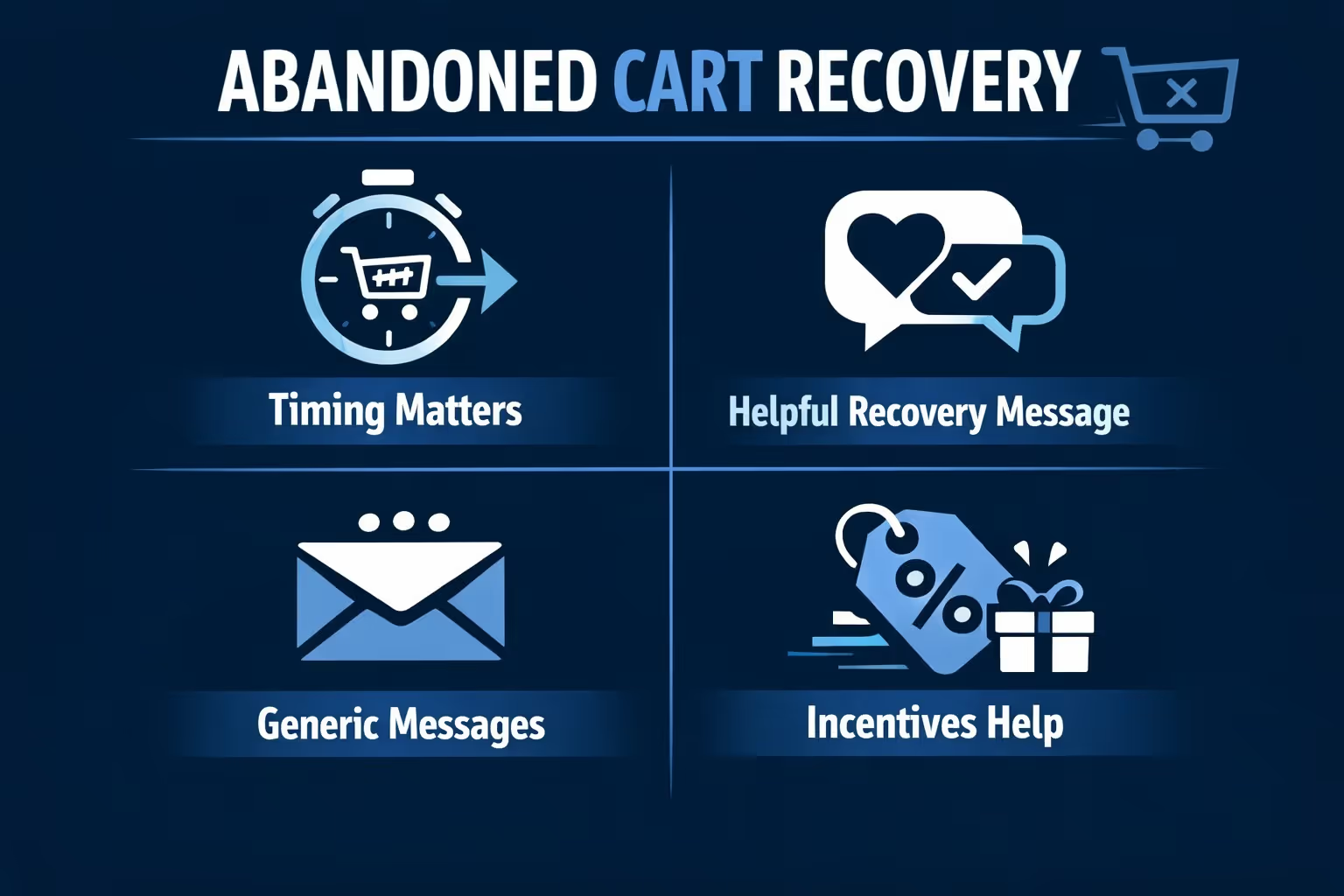
Even with a strong checkout, some carts will be abandoned. People get distracted or need more time. Shopify’s recovery tools work best because they focus on reminders and clarity, not pressure.
The sooner a recovery message is sent, the better it performs. Early reminders work because the shopper still remembers the product and the intent is fresh.
Late messages often feel irrelevant or ignored.
Good recovery messages do not try to sell again. They remind and remove friction. In most cases, they focus on a single clear point, such as the exact items left in the cart, shipping or delivery clarity, reassurance around returns or refunds, or a note about availability or low stock. This approach helps the shopper finish a decision they already started.
Shoppers recognize generic automation instantly. Messages that feel vague or templated blend into the inbox.
Shopify’s use of first-party data allows recovery messages to reference real products and real behavior, which makes them feel relevant even when automated.
Discounts are not always necessary. When used too often, they can train shoppers to abandon carts on purpose. Incentives tend to work best when the cart value is high, intent is already strong, and price is clearly the point of hesitation. Shopify allows merchants to apply incentives selectively instead of universally, which helps recover sales without sacrificing margins.
Shopify allows incentives to be used selectively, protecting margins.
Once a shopper converts, recovery messages stop. There is no unnecessary follow-up. This keeps the experience respectful and avoids turning helpful reminders into annoyance.
Sometimes abandonment is not about price itself, but timing. A shopper may want the product but hesitate due to budget constraints.
In eligible regions like the US, Shopify supports buy now, pay later options through Shop Pay Installments and other providers. When installment options are shown clearly and early, higher-ticket purchases become easier to justify.
This flexibility turns hesitation into action, especially for considered purchases.
Shoppers think about returns before they buy, even if they never mention it. Unclear or restrictive return policies increase perceived risk and raise abandonment rates.
Shopify supports clear return policy presentation and self-serve return tools. When shoppers know they can return an item easily, they are more comfortable completing the purchase.
This is especially important in categories like apparel, footwear, and home goods.
Reducing cart abandonment is an ongoing process. Shopify’s analytics help merchants understand where and why shoppers drop off.
Merchants can analyze:
This visibility allows for targeted improvements instead of guesswork.
Shopify does not treat cart abandonment as a marketing problem alone. It treats it as a product experience issue first, which changes how solutions are designed and applied. Instead of relying on last-minute persuasion, the platform focuses on making the buying process feel straightforward, predictable, and low effort from the start.
By reducing friction early and supporting recovery later, Shopify helps merchants protect conversions without leaning on constant discounts, aggressive follow-ups, or complex workarounds. This balance matters at scale. As traffic grows and customer behavior shifts across devices, regions, and channels, the same checkout structure, payment flexibility, and recovery logic continue to work without adding operational complexity.
Cart abandonment will always exist. People get distracted, compare options, or change their minds. That part is unavoidable.
What Shopify does well is remove the unnecessary reasons people leave. Faster checkout, flexible payments, mobile optimization, trust signals, real-time support, and thoughtful recovery tools all work together to save sales.
For merchants, this means fewer lost opportunities and a buying experience that feels respectful of the shopper’s time and attention. That is ultimately why Shopify continues to reduce cart abandonment more effectively than most platforms.


