Top Shopify Marketing Agencies in Phoenix: How to Choose the Right Partner
A practical roundup of top Shopify marketing agencies in Phoenix, plus what to look for in SEO, ads, CRO, and Shopify-specific growth support.
Feb 11, 2026



TikTok has changed how people discover products. Many shoppers don’t start with search anymore. They scroll, watch, save, and buy almost without planning to. For Shopify store owners, that shift creates a real opportunity, but only if TikTok is used with intention.
This isn’t about chasing viral dances or copying whatever trend shows up on your feed. TikTok works best for ecommerce when it feels natural, product-led, and connected to how people actually shop. The goal is simple: turn attention into interest, and interest into sales, without breaking the flow.
In this guide, we’ll walk through practical ways to use TikTok to support Shopify sales. Not theory. Not hype. Just clear ideas that work in real stores, whether you’re just starting out or trying to scale what already works.
If you approach TikTok like Facebook ads or Google ads, you will probably waste time and money.
TikTok is not driven by follower count in the same way. It is driven by watch time, completion rate, and how people interact with content in the first few seconds. A brand new account can outperform an established one if the video holds attention.
More importantly, TikTok rewards relevance, not polish.
People scroll fast. They decide in seconds whether something feels worth watching. That decision is emotional, not analytical. When TikTok content works for ecommerce, it usually does one of three things:
Once you understand that, TikTok becomes less intimidating. You stop chasing trends and start paying attention to reactions.

Running TikTok ads often feels like trial and error. You launch creative, wait for data, and hope something sticks. We built Extuitive to change that. Instead of testing ads with real budget, we help Shopify brands validate TikTok ad ideas before they ever go live.
Our platform uses AI agents modeled on more than 150,000 real consumer profiles to predict purchase intent, audience fit, and message clarity. This allows us to see which hooks, visuals, and copy are likely to convert, not just get views. For TikTok, where attention is fast and mistakes get expensive quickly, that validation makes a real difference.
By connecting Extuitive directly to a Shopify store, brands can generate, test, and refine TikTok ads in minutes. The result is less wasted spend, faster decision-making, and ads that launch with clearer expectations. Instead of guessing what might work, we help teams focus on what is most likely to drive sales.
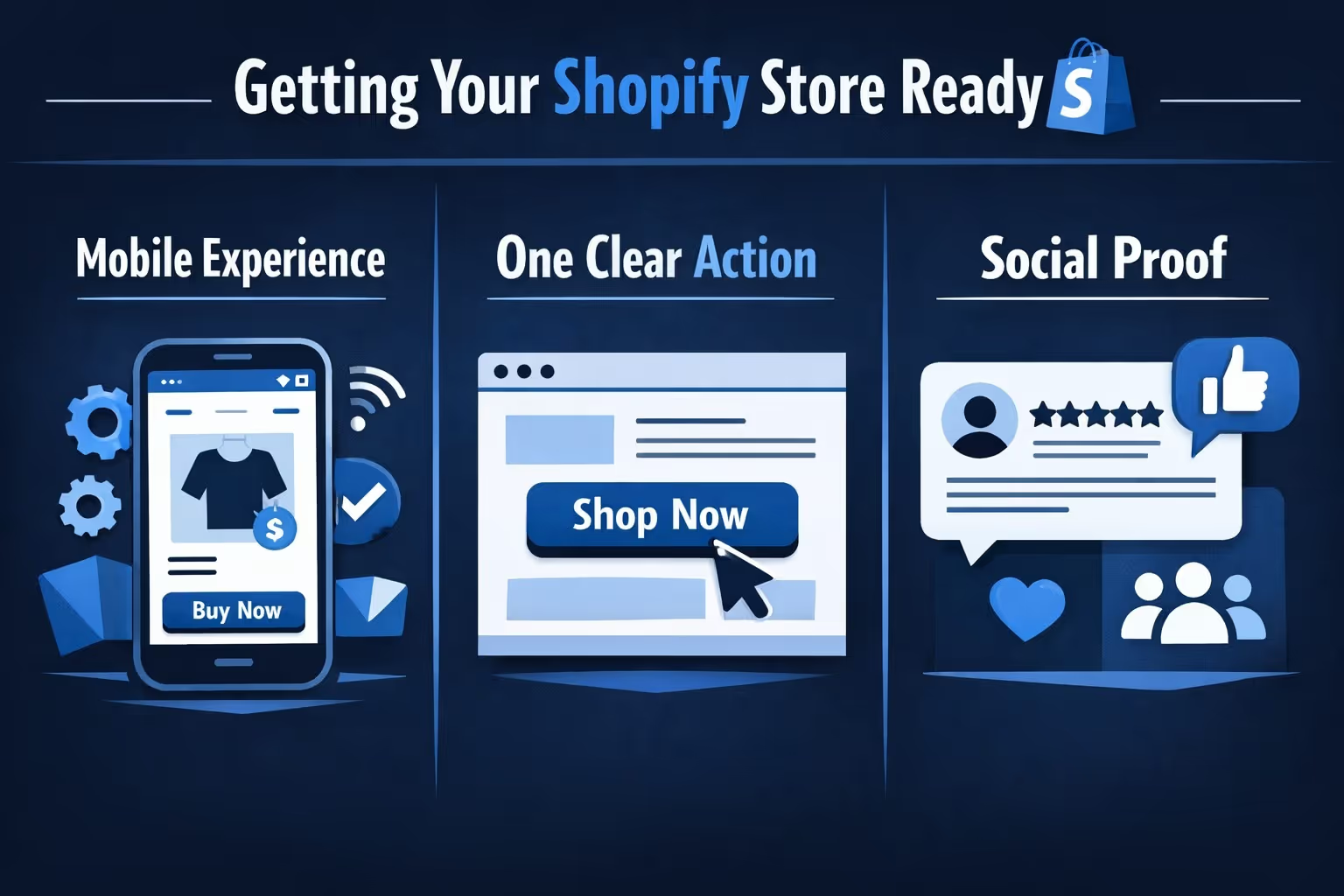
TikTok can send traffic fast. That is not always a good thing.
Before worrying about views or ads, your Shopify store needs to be ready to convert cold visitors. TikTok users are impatient. If the store feels confusing, slow, or generic, they leave.
Here are a few things that matter more than most people expect.
Most TikTok traffic is mobile. That sounds obvious, but many Shopify stores are still designed desktop-first.
Check your product pages on a phone. Look at image loading speed, text size, and how quickly someone understands what the product does. If it takes effort, TikTok traffic will not wait.
TikTok users do not want to explore. They want a clear next step.
Your product page should answer three questions fast:
Remove distractions where possible. Let the product do the talking.
Reviews help, but walls of five-star testimonials can feel fake. A few real reviews with context are more effective than dozens with no detail.
TikTok audiences are good at spotting exaggeration. Keep things grounded.
You can technically sell on TikTok with a personal account, but a business setup gives you more control.
A TikTok business account allows access to analytics, ads, and shopping features. It also signals that the account exists for more than entertainment.
That said, do not overbrand your profile.
Use a clear profile image, a short bio that explains what you sell, and a link to your Shopify store or TikTok Shop. Avoid slogans. Avoid hype. Simple clarity works better.
Your account does not need to look like a brand page. It needs to look active and human.
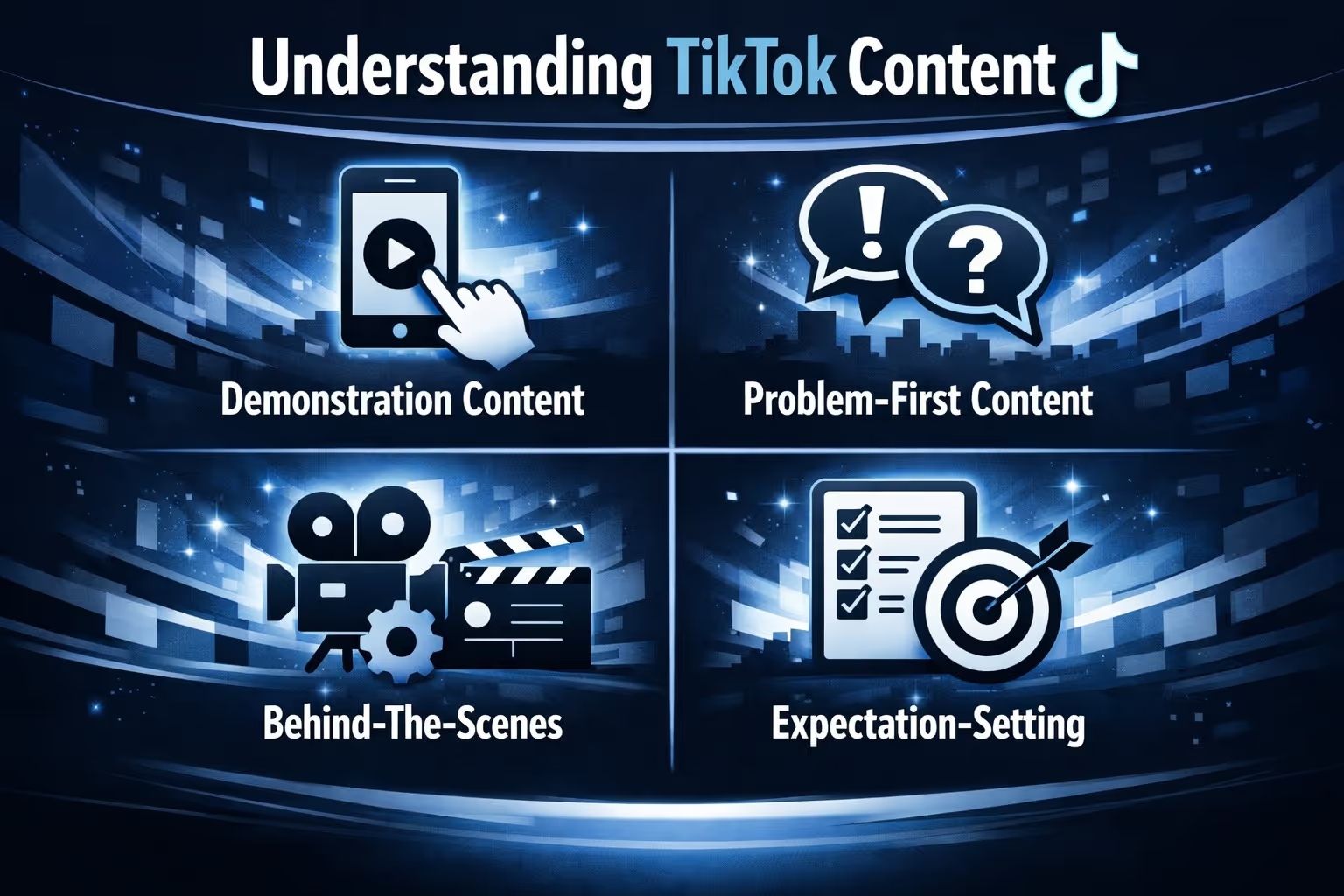
Not all TikTok content is meant to sell directly. Some content builds familiarity. Some content builds trust. Some content triggers action.
The mistake many Shopify owners make is trying to sell in every video. That usually backfires.
Instead, think in content roles.
This is the most direct path to sales.
Show the product in use. Not staged. Not overproduced. Real hands, real environment, real timing.
People want to see how something fits into real life. A ten-second clip of a product being used naturally can outperform a polished ad.
Start with the problem, not the product.
Show the frustration, the inconvenience, or the before state. Let viewers recognize themselves. Introduce the product as part of the solution, not the headline.
This format works especially well for practical products.
People like seeing how things are made, packed, or shipped.
Order packing videos, restock days, or small business routines make the brand feel real. These videos rarely feel like ads, but they build trust that supports later purchases.
Honest comparisons perform well.
Show what your product does well and what it does not. Set expectations clearly. This builds credibility and reduces returns later.
TikTok rewards consistency, but that does not mean posting constantly.
For most Shopify stores, three to five posts per week is enough to learn what works. More than that is only useful if you can maintain quality.
The key is not volume. It is feedback.
Watch how people respond. Look at comments, watch time, and where viewers drop off. Let that guide what you post next.
TikTok is iterative. Treat it like a conversation, not a broadcast.
TikTok Shop allows people to buy without leaving the app. That reduces friction and can increase impulse purchases.
However, it also changes how people interact with your brand. TikTok becomes the storefront, not just the traffic source.
TikTok Shop works best when:
If your product requires education or customization, TikTok Shop may still work, but it should support your Shopify store, not replace it.
Many successful brands use TikTok Shop as an entry point, then focus on retention through their own store.
Organic content should come first. Always.
Ads work best when they amplify content that already performs well organically. If a video gets strong engagement without spend, it is a good candidate for promotion.
If your goal is sales, choose conversion campaigns optimized for completed purchases. This tells TikTok exactly what you want.
Make sure your TikTok Pixel is installed correctly. Data matters. Without it, optimization is guesswork.
People rarely buy on the first touch.
Retarget users who watched videos, visited product pages, or added items to cart. These audiences convert better and cost less.
A simple retargeting campaign can outperform complex cold targeting.
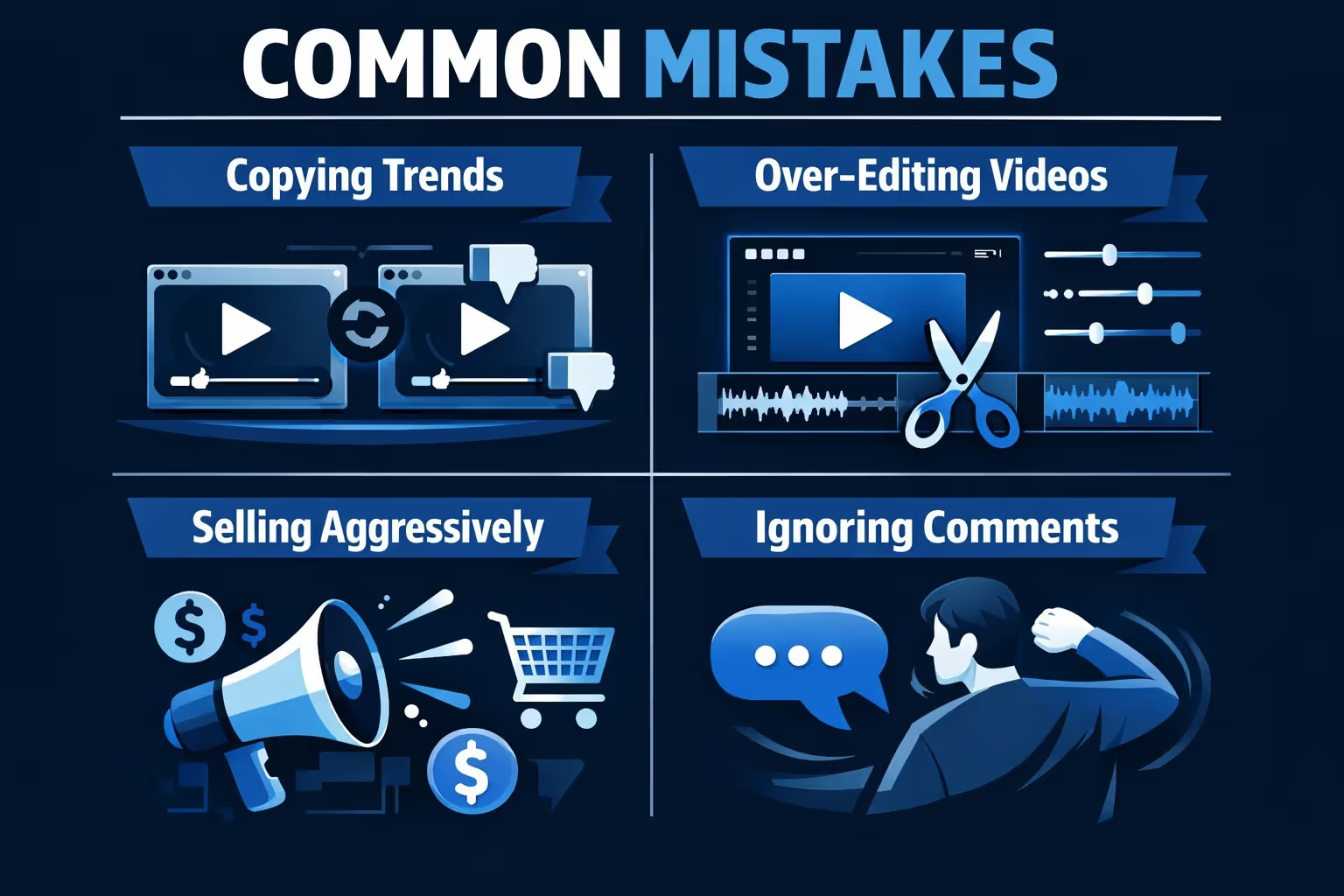
Some mistakes do not cause obvious failure. Videos still get posted. Views still come in. But sales stay flat, and momentum never builds. Over time, these patterns quietly limit results.
Trends travel fast on TikTok, but context matters more than speed.
Copying a trending sound or format without adapting it to your product often leads to empty views. People watch, maybe even like, but they do not click. The content entertains without creating any connection to what you sell.
Trends work best when they amplify something you already do well. If the trend does not naturally fit your product or audience, forcing it usually hurts clarity rather than helps reach.
High production does not equal high performance on TikTok.
Videos that are over-edited, heavily filtered, or tightly scripted often feel like ads before viewers even realize what they are watching. That triggers fast scrolling.
Simple clips with natural pacing, small imperfections, and real movement tend to hold attention longer. TikTok users expect content that feels spontaneous, even when it is planned.
If a video looks like it belongs on a brand website, it is probably too polished for TikTok.
Hard selling early breaks trust.
Many Shopify brands introduce their product with urgency, discounts, or strong calls to action before viewers understand why they should care. On TikTok, that approach feels intrusive.
People need context first. What problem does this solve? Why does it exist? How does it fit into real life?
Sales come more naturally when the content answers those questions before asking for a purchase.
Comments are part of the content, not an afterthought.
When questions go unanswered, interest fades. When feedback is ignored, trust erodes. TikTok favors accounts that participate, not just publish.
Replying to comments also creates content opportunities. Answering a question with a follow-up video often performs better than the original post because it builds on existing interest.
Engagement is not just a metric. It is a signal to both people and the algorithm.
Posting without intention limits results.
Uploading videos without a clear purpose turns TikTok into a storage space instead of a sales channel. Each post should serve a role, whether that is explaining, demonstrating, building trust, or driving action.
Successful brands think in sequences, not one-offs. One video leads to another. Each piece supports the next step in the buyer journey.
TikTok rewards attention and authenticity. When content feels forced, performance drops quietly at first, then all at once. Avoiding these mistakes does not guarantee success, but it removes the friction that prevents it.
Views are easy to celebrate. They are also misleading.
High view counts can feel like progress, but views alone do not pay the bills. On TikTok, a video can go viral without sending a single qualified visitor to your store. For Shopify sales, what happens after the view matters far more.
Instead of focusing on surface-level numbers, pay attention to signals that show real buying intent:
These metrics work together. If views are high but clicks are low, the content is entertaining but unclear. If clicks are high but sales are low, the store experience needs work. If both are strong but costs rise, targeting or creative fatigue may be the issue.
TikTok exposes problems quickly. That can feel uncomfortable, but it is also an advantage. Use the feedback to adjust content, improve your store, and make decisions based on behavior instead of hype.
TikTok is not magic. It is behavior at scale.
When you stop trying to control the platform and start working with it, things change. Content becomes simpler. Decisions become clearer. Sales feel more connected to real people, not dashboards.
For Shopify store owners, TikTok is less about marketing tricks and more about visibility, timing, and honesty. Show the product. Show the process. Let people decide.
That approach may feel slower at first, but it builds something more durable than a spike in views. It builds a sales channel that fits how people actually shop today.


