Hair Salon Name Ideas: 200+ Creative Names for 2026
Discover 200+ unique hair salon name ideas and expert tips to create a memorable brand. Stand out from competitors and attract ideal clients today.
Apr 10, 2026



If you have a closet full of pieces you no longer wear or you are thinking about starting a small resale business, Shopify is often one of the first platforms that comes to mind. The question is simple, but important: can you actually sell used clothes on Shopify, and does it make sense to do so?
The short answer is yes. Shopify allows the sale of used clothing, as long as you follow its rules and stay clear about what you are offering. The longer answer is more interesting. Selling secondhand clothes works best when you understand what Shopify expects, how buyers think about used items, and where sellers usually make small mistakes that cost them trust or sales. This guide walks through those basics in a straightforward way, without hype or shortcuts.
Yes. Shopify allows the sale of used clothing.
Shopify does not restrict products based on whether they are new or pre-owned. The platform focuses on legality, authenticity, and transparency. As long as the items are legal to sell, accurately described, and compliant with local laws, selling used clothes is permitted.
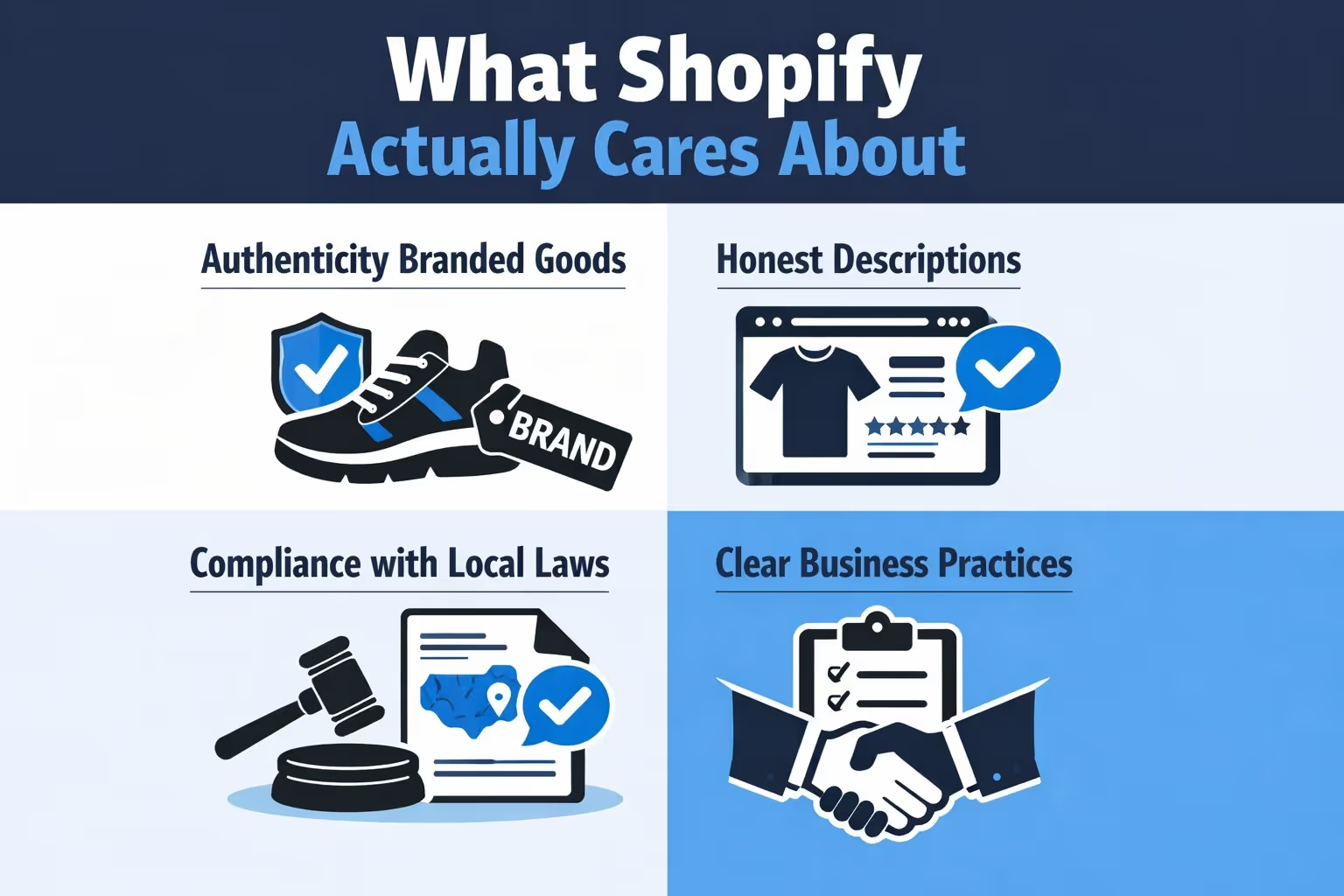
Problems rarely come from selling secondhand items themselves. They come from how those items are presented. Shopify expects sellers to avoid misleading claims and prohibited categories, regardless of whether the product is new or used.
The main areas Shopify pays attention to are:
Used clothing fits comfortably within these expectations when handled responsibly.
Selling used clothes on Shopify does not feel the same as selling on eBay, Etsy, or Depop. That difference matters.
Marketplaces come with built-in traffic and shared trust. Buyers arrive expecting inconsistency and variety. A Shopify store, on the other hand, is judged as a single brand. Buyers assume intention behind every choice, from pricing to photography.
This shift creates both opportunity and responsibility. You gain control, but you also carry the burden of earning trust from scratch.
Used clothing is not an impulse purchase for most people. Buyers slow down. They read. They zoom in. They look for signals that the seller is careful and honest.
Trust is built through consistency more than creativity.
In practice, buyers tend to focus on a few core elements before anything else:
When these elements are handled well, buyers worry less about the item being used and more about whether it suits them.
Sourcing is where resale businesses either settle into a sustainable rhythm or slowly exhaust themselves. It is rarely the most visible part of the business, but it has the biggest impact on long-term results. Not every sourcing method works at every stage, and what feels efficient early on can become a bottleneck later.
The key is to treat sourcing as a process that evolves, not a fixed system you lock into on day one.
For many sellers, the first source of inventory is close to home. Selling items from a personal wardrobe is less about scale and more about learning. It helps sellers understand how long it takes to photograph, describe, list, and ship a single item. It also reveals how buyers ask questions, how returns feel, and how pricing decisions play out in real time.
This stage is valuable even if it is temporary. It creates familiarity with the full lifecycle of a used item before money is tied up in sourcing.
Physical locations often provide the best balance between cost and confidence. Thrift stores, secondhand shops, flea markets, and estate sales allow sellers to inspect items directly. Fabric quality, wear, alterations, and authenticity are easier to judge when an item is in hand.
Offline sourcing also encourages flexibility. Sellers rarely find exactly what they expect, but staying open often leads to unexpected finds that fit the store’s identity better than planned purchases would. Over time, experienced sellers develop a sense for which locations and types of events align with their niche.
Online resale platforms offer convenience and access to specific brands or categories, but they come with tradeoffs. Prices tend to be higher, competition is visible, and margins are tighter. Sellers must be disciplined when sourcing online, especially when buying items already marketed as desirable.
Online sourcing works best when used selectively, such as filling gaps in inventory or targeting items with predictable demand. Without clear criteria, it is easy to overpay or chase trends that do not translate well to a standalone Shopify store.
Specialization simplifies sourcing decisions. Sellers who focus on a specific style, era, or type of customer spend less time evaluating whether an item fits their store. Over time, this focus speeds up sourcing, reduces hesitation, and leads to more consistent inventory.
Trying to sell everything often leads to slower decisions and uneven results. Focus does not limit opportunity. It creates clarity, which is especially important when every item is unique.
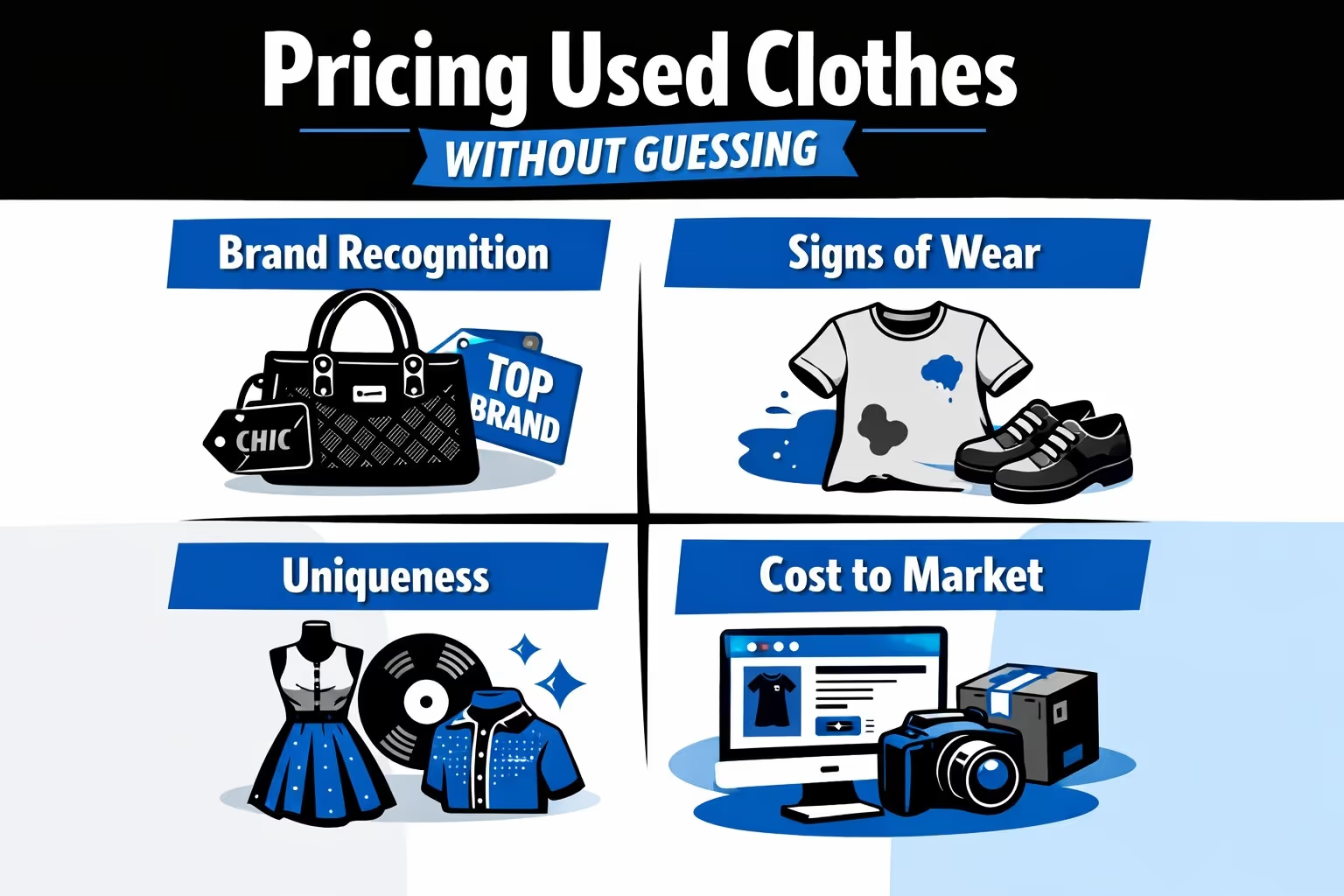
Pricing is one of the hardest parts of selling used clothes, especially on a platform where traffic is not guaranteed.
Original retail price rarely matters. What matters is what buyers are willing to pay now, for that condition, in that context.
Effective pricing usually considers:
On Shopify, pricing also needs to cover the cost of running the store, whether that is ads, content, or simply time spent managing listings. A price that works on a marketplace may not work on a standalone site.
Marketing secondhand clothing works best when it stays grounded.
Overly polished messaging can backfire. Buyers know used items come with imperfections. Trying to hide that reality creates skepticism rather than desire.
Content that explains how items are sourced, graded, or styled tends to perform better than generic promotional language. Email lists work especially well for resale because new inventory creates natural urgency.
Social media often rewards authenticity over production quality. Simple videos, honest captions, and real explanations resonate more than curated campaigns.

Selling used clothes means marketing constantly changing inventory, often with limited budget for trial and error. At Extuitive, we help Shopify sellers make smarter marketing decisions before launching campaigns, so fewer resources are wasted on ads that don’t perform.
Our platform uses AI models to predict how ads and creatives are likely to perform in real conditions. Instead of testing ideas live and hoping for the best, sellers can see which concepts, messages, and audiences are worth pursuing upfront. This is especially useful for secondhand stores, where every product is unique and timing matters.
We also streamline the creative process by generating ad ideas and copy aligned with each product and past performance. Combined with audience insights, this helps sellers focus on relevance and clarity rather than guesswork. Our goal is simple: help Shopify merchants market with confidence, reduce wasted spend, and move faster as inventory changes.
Used clothing does not follow traditional ecommerce rules. There are no restocks, no predictable size runs, and no way to replace an item once it sells. Every piece has its own lifecycle, and that changes how inventory needs to be managed on a day-to-day basis.
Some items move quickly, while others take much longer to find the right buyer. That imbalance is normal and does not automatically signal a problem with pricing or sourcing. Inventory gradually shrinks instead of replenishing, which means the focus shifts from volume to organization. A smaller, carefully arranged store often feels easier to browse and more trustworthy than a larger one that looks cluttered or inconsistent.
Sold items need to be removed promptly to avoid confusion or disappointment. Clear categories and filters make a noticeable difference, especially when buyers are scanning quickly or browsing on mobile. When inventory is managed with intention, even a modest catalog can feel complete rather than limited.
Returns are part of selling used clothing, even with excellent descriptions. Trying to eliminate them entirely usually limits growth.
Clear policies reduce tension. Buyers want to know what happens if something does not fit or meet expectations.
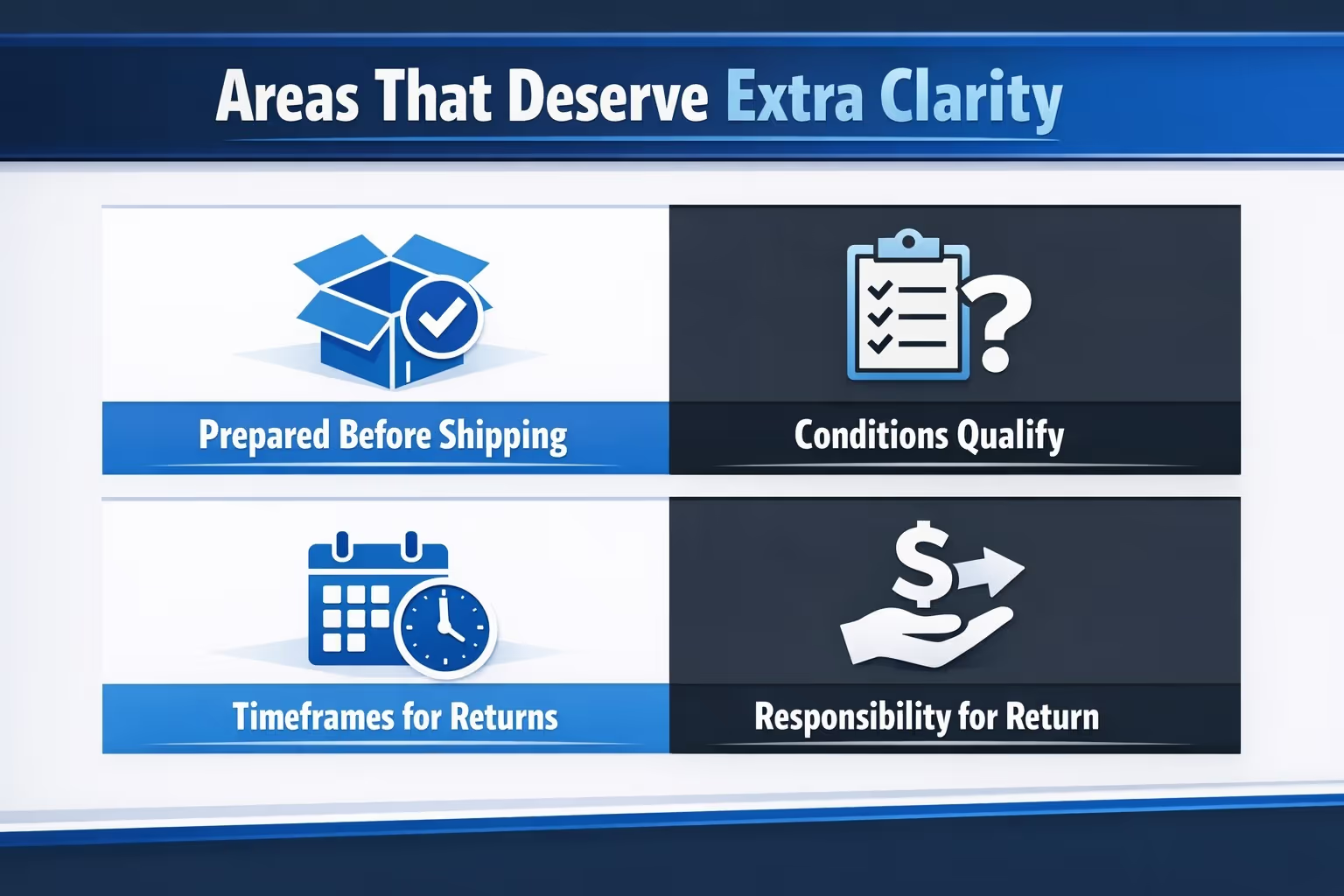
Used clothing sellers benefit from being explicit about:
Most disputes come from mismatched expectations, not bad intent. Clarity prevents many issues before they start.
Selling used clothes is still running a business.
Depending on where you live, you may need to register your business, collect sales tax, or report income, even at small scale. Shopify does not handle compliance automatically.
Reselling branded items is legal if they are authentic. Implying partnerships or official endorsement is not. Language matters here more than sellers often realize.
When unsure, conservative wording and clear documentation offer more protection than silence.
This is not a viral business model for most people. It is slower, quieter, and more hands-on.
Some items sell immediately. Others sit longer than expected. That does not mean they were mistakes. It means resale follows a different rhythm.
Success often looks like repeat customers, steady interest, and gradual improvement in sourcing and pricing decisions. For many sellers, that pace is a feature, not a flaw.
Selling used clothes on Shopify is not a loophole or a workaround. It is a legitimate business model that works when handled with clarity and patience. Shopify allows it, buyers are comfortable with it, and the demand for secondhand fashion is not slowing down.
What matters most is understanding the difference between permission and success. Shopify gives you the tools and the freedom, but it does not provide trust, traffic, or shortcuts. Those come from how carefully items are sourced, how honestly they are described, and how consistently the store is run. Used clothing rewards sellers who pay attention to details and respect the buyer’s expectations.
For anyone willing to approach resale as a real store rather than a quick experiment, Shopify offers enough flexibility to build something sustainable. It may grow slower than trend-driven ecommerce, but it often grows more steadily. When expectations are realistic, selling used clothes on Shopify feels less like a gamble and more like a craft.


